Find Treatment By
Rehabs by Location


Learn
About Us
Recovery.com combines independent research with expert guidance on addiction and mental health treatment. Our mission is to help everyone find the best path to recovery through the most comprehensive, helpful network of treatment providers worldwide.
Advisory Council
Our advisory council brings together leaders in behavioral health, technology, and business. Their diverse expertise ensures our resources and product are innovative, evidence-based, and effective. They guide our mission as accomplished individuals dedicated to improving the landscape of addiction recovery and mental wellness.
What Is THC-O? Understanding the Risks


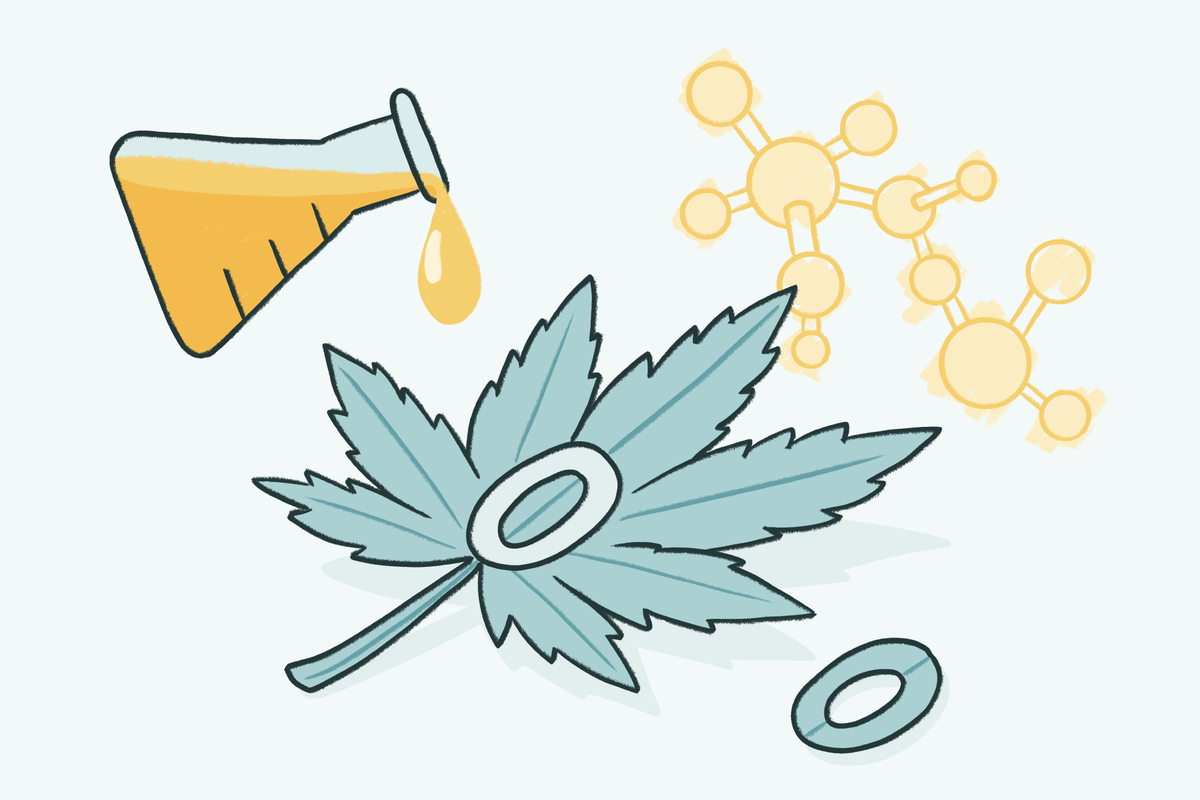
THC-O (also known as THC-O acetate) is one of many synthetic cannabis products that you might not have heard of yet. You might wonder what THC-O is in the first place, or if it is safe, regulated, or even legal. Learning more about THC-O and how it works can help you get answers to these and other questions you may have.
THC-O vs. THC
THC-O is a synthetic compound, meaning that it is not naturally-occurring in the cannabis plant, but is instead developed in a lab to mimic the effects of naturally-occurring compounds. THC-O can produce psychoactive effects, including changes in sensory perception, sedation, and problems with concentration. While some people use it recreationally, others also use it for certain purposes, including anxiety, nausea, difficulty sleeping, and pain management. It is reported that THC-O may produce effects nearly three times stronger than those of regular THC.
THC (tetrahydrocannabinol) is derived directly from the cannabis plant, making it a naturally-occurring cannabinoid. This naturally occurring chemical compound also produces psychoactive effects like THC-O. The concentration of it can vary based on factors like strain, growing conditions, and processes. THC is more widely recognized than THC-O and has been used both recreationally and for medicinal purposes, like pain relief.
Explore Drug Addiction Treatment Centers
How Long Does It Take For THC-O to Kick In?
The onset time of THC-O varies depending on several factors, including your metabolism, dosage, method of consumption, and tolerance. According to an analysis of social media discussions on THC-O, “Multiple users reported a relatively lengthy onset of effects and/or a lengthy duration of effects."4 Social media users varied in their feedback, with some reporting that THC-O took 45 minutes to one hour to fully kick in, while others shared how the high produced from THC-O lasted far longer than other cannabinoids.1
The onset of effects of THC-O can vary based on how it is consumed. For example, it takes more time for effects to kick in when THC-O is consumed orally (such as through edibles like gummies or capsules) than if it is smoked or vaped. This is because THC-O absorbs into the lungs passes through to the bloodstream much faster than it does through the gastrointestinal (GI) tract.
How Is THC-O Made?
THC-O doesn’t occur naturally in marijuana, as it is a synthetic form of THC. Therefore, manufacturers execute a chemical process that produces THC-O. This is a highly detailed process that takes place in a lab, and the steps below are only a brief summary of how THC-O can be made:
- It begins when manufacturers extract CBD from the hemp plant.
- Special equipment is used to extract delta-8-THC, another synthetic compound.
- Acetic anhydride, a highly flammable chemical, is added directly to the delta-8-THC molecules.
- An acetate derivative develops as a result of this acetylation, known as THC-O acetate, or THC-O.
Attempting to develop THC-O or any other drug on your own can lead to dangerous and even deadly effects. Never try this at home.
Is THC-O Safe?
It makes sense to question whether THC-O is safe or not, especially considering the conversation about THC and CBD and the potential medicinal benefits they offer. However, while THC-O was first developed decades ago, it is relatively new to many, and scientists are still gathering data to determine if it’s safe. But some studies paint an alarming picture.
The National Organization for the Reform of Marijuana Laws (NORML) warns against THC-O.2 According to their website, this compound “has never been tested for safety in human studies.” Additionally, the little data we have suggests that THC-O can cause serious health problems.3 For example, THC-O can lead to lung injuries and digestive issues when it is vaped, as vapes often include toxic chemicals.
Research on other synthetic cannabinoids like delta-8 THC and delta-9 THC, further points to the potential dangers of THC-O.4
The Risks of THC-O
The potential risks of THC-O are unclear for a few reasons. The 2018 Farm Bill approved legal hemp at a federal level, opening the door for hemp products and hemp-derived products like THC-O. The DEA only designated THC-O as a controlled substance in 2023.
With this lack of regulation, there’s no standard procedure for producing THC-O. So its strength and quality can vary drastically depending on how it’s made. As it stands, there is no current way to predict the safety of any THC-O products. Therefore, the always exists risk for those who consume it.
What Are the Side Effects of THC-O?
THC-O is one of many synthetic psychoactive drugs that produce unpredictable and dangerous side effects.While we still need more data, current research points to several side effects of THC-O.
Hallucinations
According to the Chicago Sun Times, the military once researched THC-O as a “nonlethal incapacitating agent.”5 In high doses, THC-O may produce hallucinations, making you see, hear, or feel things that aren’t there. Some people have reported having psychedelic effects (similar to those that occur when taking substances like psilocybin and LSD) when under the influence of THC-O, but there is little scientific data to support that as fact.
Dizziness
Generally speaking, synthetic cannabinoids like delta-9-thc, K2, and Spice, have the potential to cause dizziness. Because of this, it can be dangerous and potentially even deadly to do basic routine activities, such as going to work or driving a car when under the influence of any type of synthetic cannabinoids, including THC-O.6
Sleep Problems
It is not uncommon for people use cannabis products that contain THC, CBD, or other cannabinoids to help them sleep better. However, using synthetic cannabinoids to aid in sleep can actually backfire, especially when use suddenly stops. Going cold turkey can trigger issues related to sleep, such as not being able to fall asleep or stay asleep. It is possible that the use of THC-O may also create sleeping problems, as it is a synthetic cannabinoid.
Cardiac Complications
According to the Centers for Disease Control and Prevention (CDC), synthetic cannabinoids like THC-O have been known to cause cardiac complications, such as:
- High heart rate.
- Myocardial infarction, also known as a heart attack.
- High blood pressure.
- Stroke.
These complications can be severe, causing long-term damage and even death.
Paranoia
Like many cannabinoids, THC-O can bring on severe anxiety and paranoia, especially when you take too much. Paranoia, in turn, can affect other aspects of your mental health. For example, some data shows a link between paranoia and low self-esteem.7 You might also experience anxiety, fear, and loneliness, as well as defensiveness and difficulty in relationships due to paranoia.
Is THC-O Legal?
The laws surrounding this drug are complicated at best. For example, in the U.S., THC-O is illegal at the federal level. However, it may be legal in some states that permit recreational marijuana use. Since THC-O doesn’t naturally occur in hemp plants, federal law enforcement officials have classified it as a Schedule I drug. In other words, THC-O is a federally controlled substance.
With so much uncertainty about THC-O, it’s hard to weigh the risks of this new chemical. It’s also important to account for your personal health history. For example, if you know you’re vulnerable to addiction, this drug could be even more dangerous.
There Is Hope for Recovery
Addiction is treatable, and a life of freedom is possible. Connect with drug and alcohol treatment centers that specialize in your specific needs, from holistic care to medication-assisted treatment. Don’t wait another day to get help; find a recovery program that works for you.
FAQs
THC-O is a synthetic compound, meaning that it is not naturally-occurring in the marijuana plant, but is instead developed in a lab to mimic the effects of naturally-occurring compounds. It is a synthetic drug.
THC-O is significantly stronger than regular THC. It produces profound psychoactive effects and is more potent than regular THC. However, the strength of THC-O can vary depending on the specific product, as there’s no standardized procedure for its production.
THC-O's safety is still being studied. However, data suggests significant health risks, including lung injuries and digestive issues from toxic chemicals often found in THC-O vapes. THC-O is illegal at the federal level in the United States, classified as a Schedule I controlled substance. Its legality may vary in states that allow recreational marijuana use.

















Our Promise
How Is Recovery.com Different?
We believe everyone deserves access to accurate, unbiased information about mental health and recovery. That's why we have a comprehensive set of treatment providers and don't charge for inclusion. Any center that meets our criteria can list for free. We do not and have never accepted fees for referring someone to a particular center. Providers who advertise with us must be verified by our Research Team and we clearly mark their status as advertisers.
Our goal is to help you choose the best path for your recovery. That begins with information you can trust.