Find Treatment By
Rehabs by Location


Learn
About Us
Recovery.com combines independent research with expert guidance on addiction and mental health treatment. Our mission is to help everyone find the best path to recovery through the most comprehensive, helpful network of treatment providers worldwide.
Advisory Council
Our advisory council brings together leaders in behavioral health, technology, and business. Their diverse expertise ensures our resources and product are innovative, evidence-based, and effective. They guide our mission as accomplished individuals dedicated to improving the landscape of addiction recovery and mental wellness.
What Is Hangover Anxiety? Why Drinking Causes ‘Hangxiety’


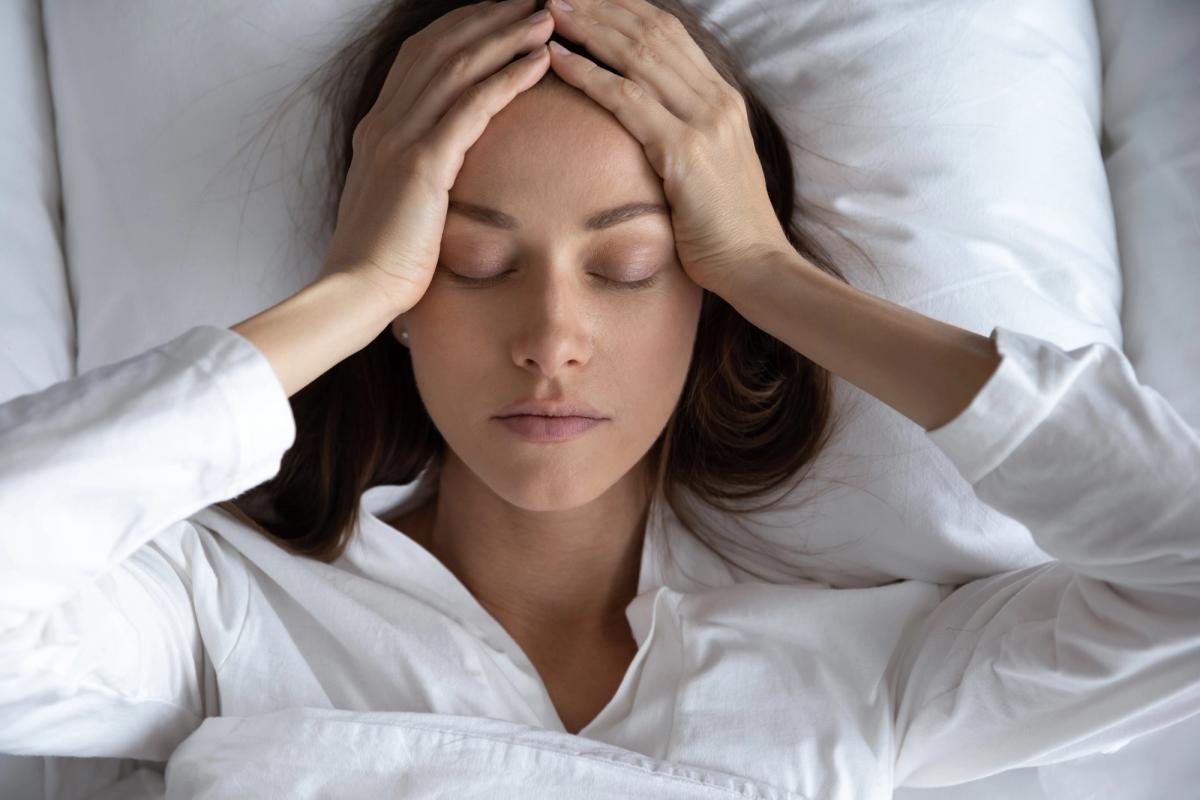
- "Hangxiety" is the anxiety, guilt, and emotional distress some people experience after drinking alcohol, often alongside physical hangover symptoms.
- Alcohol affects brain chemistry, hydration, sleep, and stress hormones, all of which can contribute to increased anxiety the next day.
- Staying hydrated, eating balanced meals, getting quality sleep, and practicing mindfulness can help reduce hangxiety symptoms while your body recovers.
- Frequent hangxiety or using alcohol to cope with stress may signal a deeper issue, and professional support can help address both anxiety and problematic drinking.
Hangover anxiety, or “hangxiety,” isn’t a formal diagnosis, but a term people use to describe the anxious, uneasy feeling that can happen after a night of drinking alcohol.
A hangover often comes with physical symptoms like fatigue, headaches, and nausea, but many people also experience emotional and mental effects.
Drinking responsibly may not lead to these negative feelings. But if you regularly drink heavily and wake up feeling anxious, guilty, or emotionally drained, it may be time to look more closely at your relationship with alcohol.
Hangover Anxiety or ‘Hangxiety’
About 75% of people who experience a hangover report some impairment in normal functioning, including trouble concentrating.1 In addition to common hangover symptoms, around 22% of people who drink alcohol experience psychological effects like anxiety or depression after a night out. This is what many people call hangxiety.
What Does Hangover Anxiety Feel Like?
When you start drinking, alcohol triggers a release of endorphins in the brain, which can initially feel good.2
As your blood alcohol concentration (BAC) begins to drop, however, your body starts to experience a mild form of alcohol withdrawal, which contributes to the uncomfortable feeling many people associate with a hangover.
This shift can affect you both physically and mentally, sometimes causing symptoms of anxiety like racing thoughts or restlessness.
Hangover anxiety can feel different for everyone, but common symptoms include:
- Restlessness.
- Anxiousness.
- Ruminating on the night before.
- Increased heart rate.
- Feelings of guilt or embarrassment.
- Difficulty concentrating.
- Low mood or anxious feelings.
Find The Perfect Treatment For You
Answer a few questions and we'll match you with the best options.
What Are You Struggling With?
What Kind of Care Do You Need?
What Insurance Do You Have?
What Causes Hangover Anxiety?
After alcohol leaves your system, your body and brain work hard to restore balance. Your body uses a significant amount of energy trying to maintain homeostasis after alcohol exposure, and this process can leave you feeling physically and mentally depleted the next day.
Part of this has to do with changes in brain chemistry and the way alcohol affects neurotransmitters. Alcohol increases the activity of gamma-aminobutyric acid (GABA), a neurotransmitter that slows brain activity and promotes relaxation. At the same time, it suppresses glutamate, which normally increases alertness. As alcohol wears off, these chemical shifts can rebound quickly, contributing to anxiety, irritability, and overstimulation.
Research also shows that cortisol, the body’s primary stress hormone, increases after drinking, which may worsen feelings of anxiety.
These factors can also intensify hangxiety symptoms:
1. Social Anxiety
Some people use alcohol as a “social lubricant” when dealing with social anxiety or other anxiety disorders. While drinking may temporarily ease discomfort, those feelings often return once the alcohol wears off.
If you already struggle with anxiety, excessive drinking can amplify those emotions the next day. Alcohol tends to intensify your emotional state, so if anxiety is already present beneath the surface, it can come back even stronger during a hangover.
2. Hydration
Alcohol is a diuretic, meaning it increases fluid loss and contributes to dehydration. Poor hydration can worsen dizziness, fatigue, mood, and other symptoms of a hangover.3
When your body loses fluids, it also loses important electrolytes, which help regulate nerve and muscle function. Taking steps to rehydrate after drinking may help reduce some of the physical and emotional discomfort associated with hangxiety.
3. Sleep
Alcohol interferes with your rapid eye movement (REM) sleep cycle, which can significantly reduce sleep quality.4 Even if you sleep for several hours, the sleep itself may not be restorative.
Poor sleep can negatively affect concentration, emotional regulation, mood, and overall well-being, making anxiety feel even more intense the next day.
4. Emotional Dysregulation
Emotional dysregulation is common in conditions like anxiety and depression. It’s also associated with higher alcohol consumption and more intense cravings.1 During a hangover, lowered emotional regulation can contribute to negative thoughts, shame, irritability, and emotional overwhelm.
For people with existing mental health conditions, these emotional shifts may feel especially intense.
5. Repetitive Negative Thinking (RNT)
Repetitive negative thinking (RNT) refers to recurring, unproductive thought patterns often associated with anxiety and depression. It’s closely linked to emotional dysregulation and prolonged negative emotional states.1
If you tend to replay conversations, overanalyze your behavior, or worry excessively after drinking, RNT may contribute to post-drinking anxiety and worsen hangxiety symptoms.
Explore Alcohol Treatment Centers
How to Cope With Hangxiety
The most effective way to avoid hangxiety is to avoid excessive alcohol intake. According to the National Institute on Alcohol Abuse and Alcoholism (NIAAA), heavy drinking can increase the risk of long-term health issues, including liver disease, heart disease, and certain cancers.5
If you do decide to drink, there are several ways to support your recovery the next day and reduce hangover anxiety:
- Stay hydrated.
- Eat nourishing, easy-to-digest foods.
- Get extra sleep.
- Practice mindfulness or deep breathing exercises.
- Spend time outside, since nature can positively affect mood.
- Avoid another alcoholic drink to “cure” the hangover.
- Consider over-the-counter remedies for headaches or nausea if appropriate.
- Stabilize your blood sugar by eating balanced meals.
- Remind yourself that the feeling is temporary.
Reducing your consumption of alcoholic beverages or choosing not to drink at all can help you avoid these feelings altogether.
How to Have Fun Without Alcohol
Life can still feel exciting, social, and fulfilling without alcohol. Many people notice improved energy, mood, sleep, and focus when they reduce their drinking. You may also feel more present and engaged in your daily life.
Without alcohol, you might find yourself enjoying activities like fitness classes, hiking, kayaking, traveling, or exploring new hobbies. You may also save money and build more meaningful connections.
It can also help to explore why you feel drawn to drinking in the first place. Talking with a therapist can help uncover emotional triggers, stressors, or patterns that contribute to drinking.
Questions like “Why do I feel like I need alcohol in social situations?” or “What emotions am I trying to avoid?” can reveal deeper issues worth addressing.














When to Seek Professional Help for Your Drinking and Anxiety
Taking an honest look at the role alcohol plays in your life is important, especially if you already experience anxiety or depression. If you regularly use alcohol to cope with stress or numb difficult emotions, it may be time to seek support. Frequent hangxiety can sometimes be an early sign of problematic drinking or even alcohol use disorder.
Mental Health Treatment Options
Alcohol is a depressant, which means it can worsen existing anxiety and depression over time. If you’re drinking to escape emotional distress, treating the root cause can help improve both your mental health and your relationship with alcohol.6
Outpatient treatment programs can teach healthy coping skills to replace drinking behaviors. You may explore therapies like cognitive behavioral therapy (CBT), which can help you identify and change unhelpful thought patterns.6
Virtual treatment for anxiety can also make support more accessible and flexible for people balancing work, school, or family responsibilities.
Some people may also benefit from working with licensed healthcare providers or specialists in psychiatry to address both substance use and co-occurring mental health concerns.
Alcohol Addiction Treatment Options
Detox with licensed medical supervision may be the first step toward recovery for people struggling with heavy drinking. Safely removing alcohol from the body can help stabilize both physical and emotional symptoms.6
Different levels of residential and outpatient care can help you build healthier coping strategies while addressing the underlying causes of addiction.6
Sober living homes can also provide a supportive transition after treatment. These programs are typically less structured than residential rehab while still offering accountability, community, and ongoing support.6
Life Without Worry in the Morning
Drinking socially and responsibly may feel manageable for some people. But if heavy drinking and hangxiety have become a regular cycle, it may be time to get help. You don’t have to rely on alcohol to cope with stress, anxiety, or uncomfortable emotions. With the right support, it’s possible to feel more confident, emotionally stable, and connected to yourself without drinking.
If you’re curious what support is out there, you can use Recovery.com to find and explore rehabs for alcohol addiction, mental health conditions, and more.
FAQs
Hangover anxiety, often called hangxiety, refers to feelings of anxiety, worry, guilt, or low mood after drinking alcohol. It’s not a medical diagnosis, but a common mental side effect of a hangover. Along with physical symptoms like headaches or nausea, many people experience racing thoughts, restlessness, and emotional discomfort the day after drinking.
Hangxiety is caused by a combination of chemical and physical changes in the body. Alcohol initially increases feel-good endorphins, but as blood alcohol levels drop, the brain experiences a mild withdrawal. This can trigger anxiety, especially as cortisol, the stress hormone, increases. Dehydration, poor sleep, emotional dysregulation, and repetitive negative thinking can all make hangover anxiety worse.
Hangover anxiety can feel different for everyone, but common symptoms include restlessness, anxiousness, difficulty concentrating, guilt about the night before, ruminating on past conversations, and a racing heart. Some people also feel low mood or mild depression. These symptoms are usually temporary, but they can feel intense while they last.
To cope with hangover anxiety, focus on supporting your body and nervous system. Staying hydrated, eating light and nourishing foods, getting extra sleep, and spending time outside can help improve mood. Mindfulness or breathing exercises may calm racing thoughts. Most importantly, remind yourself that hangxiety is temporary and will pass as your body recovers.
If hangxiety happens frequently, feels overwhelming, or is tied to heavy or regular drinking, it may be time to seek professional help. Using alcohol to cope with anxiety or depression can worsen both conditions over time. Treatment options like therapy, outpatient programs, or alcohol addiction treatment can help you address the root causes, develop healthier coping skills, and reduce or eliminate hangxiety altogether.
Our Promise
How Is Recovery.com Different?
We believe everyone deserves access to accurate, unbiased information about mental health and recovery. That's why we have a comprehensive set of treatment providers and don't charge for inclusion. Any center that meets our criteria can list for free. We do not and have never accepted fees for referring someone to a particular center. Providers who advertise with us must be verified by our Research Team and we clearly mark their status as advertisers.
Our goal is to help you choose the best path for your recovery. That begins with information you can trust.