Find Treatment By
Rehabs by Location


Learn
About Us
Recovery.com combines independent research with expert guidance on addiction and mental health treatment. Our mission is to help everyone find the best path to recovery through the most comprehensive, helpful network of treatment providers worldwide.
Advisory Council
Our advisory council brings together leaders in behavioral health, technology, and business. Their diverse expertise ensures our resources and product are innovative, evidence-based, and effective. They guide our mission as accomplished individuals dedicated to improving the landscape of addiction recovery and mental wellness.
What Is a Sponsor in Recovery? Benefits, Roles, and How to Find One


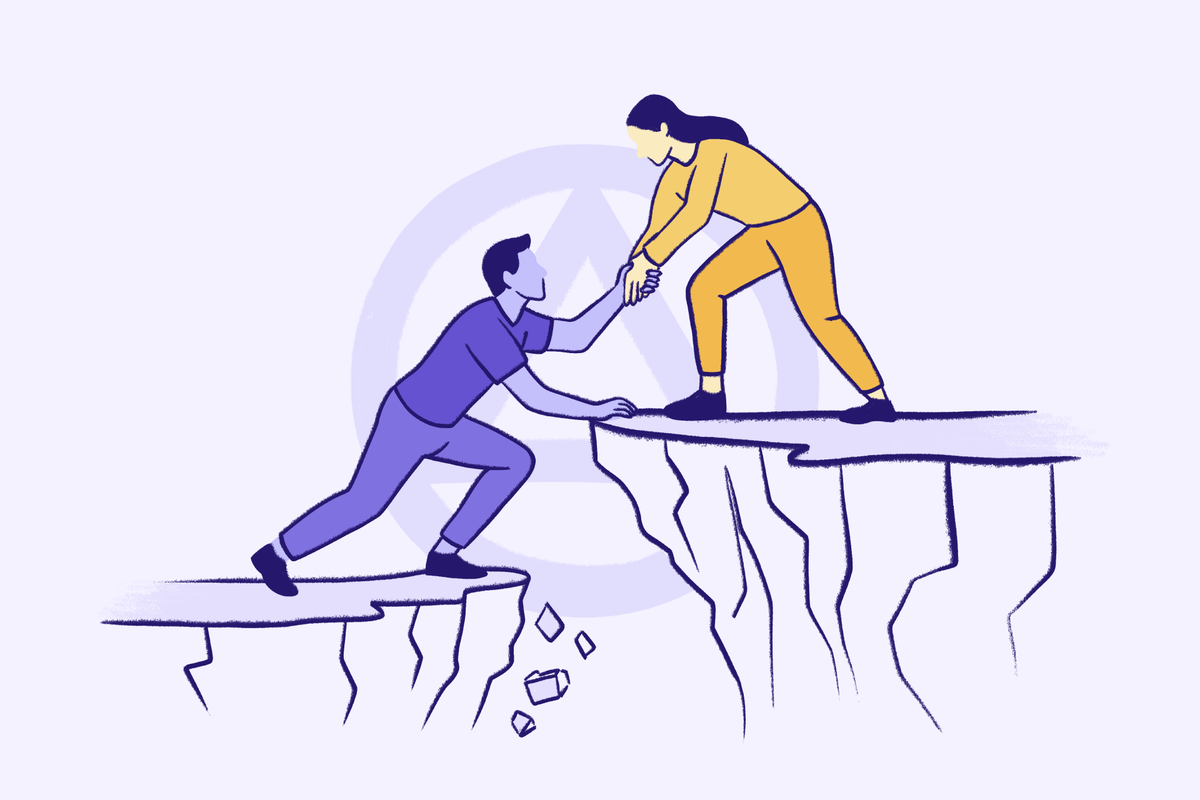
In recovery, a sponsor is usually a peer mentor: someone with more experience in sobriety who helps guide you through the 12 steps and offers practical, real-world support along the way. They share what has helped them stay sober and walk with you through the recovery process, rather than acting as your therapist or doctor.
That kind of connection can matter more than many people realize. Substance use concerns can grow in isolation, while recovery can become stronger through safe relationships, honest conversation, and community.1 A sponsor can be the first person who helps you break that isolation.
If you're wondering whether you need a sponsor, what a sponsor actually does, or how to find the right one, you're not alone. Sponsorship can feel a little mysterious at first. But once you understand the role, it becomes much easier to decide whether it fits your recovery journey.
Who Needs a Sponsor?
You may or may not choose to have a sponsor, and sponsorship may feel especially helpful for you in some phases of recovery.
If you're new to recovery, a sponsor can give you structure when everything feels unfamiliar.
Early sobriety often comes with a lot of questions: how meetings work, what the steps mean, what to do with cravings, how to handle relationships, and how to keep going on hard days. A sponsor can help you make sense of all of that without expecting you to figure it out alone.
A sponsor can also help if you're returning to recovery after a relapse, rejoining meetings after time away, or feeling stuck in your current program. Sometimes a reset to the basics may help more than a brand-new recovery plan. You may just need a steady person to help you reconnect with what works.

Sponsorship can be especially useful if you benefit from accountability, routine, and honest feedback. If isolation has been part of your substance use, having someone who knows your name, notices when you disappear, and encourages you to stay engaged can make a real difference.
If you're in a 12-step fellowship, sponsorship may be strongly encouraged, though usually not mandatory. And even outside 12-step programs, you may benefit from a mentor or peer support relationship that serves a similar purpose.
Find The Perfect Treatment For You
Answer a few questions and we'll match you with the best options.
What Are You Struggling With?
What Kind of Care Do You Need?
What Insurance Do You Have?
Sponsor vs. Therapist: Key Differences
A sponsor and a therapist can both support your recovery, but they serve different roles.
A sponsor is a peer, unlike sober coaches who may have professional training. They share lived experience and focus on peer support rather than clinical treatment. They use their own lived experience to help you work the steps, stay connected to recovery, and navigate day-to-day challenges.
A therapist, counselor, or other mental health professional has formal training. They can assess symptoms, diagnose mental health conditions, provide therapy, and help treat issues like depression, anxiety, trauma, or other co-occurring conditions (mental health conditions that happen alongside substance use). They may also coordinate care, recommend a higher level of treatment, or help with medication-related concerns when appropriate.
Some people may benefit from both. A sponsor can help you stay grounded in recovery fellowship and step work, while a therapist can help you address the deeper mental health concerns that may affect your substance use. It helps to know when professional help may be needed.
A sponsor can support you alongside professional care for trauma, severe anxiety, panic attacks, depression, eating disorders, and medication needs.
If you're having suicidal thoughts, severe mental health symptoms, or a medical emergency, reaching out to emergency services, a licensed professional, or a crisis line can help keep you safe. You can call or text 988 in the United States or call 911 if you're in immediate danger.
Explore Twelve Step Treatment Centers
Emergency Support
If you're experiencing suicidal thoughts, a mental health crisis, dangerous withdrawal, or a medical emergency, help is available now:
- Call or text 988 to reach the 988 Suicide & Crisis Lifeline (United States)
- Call 911 if you're in immediate danger
- Go to your nearest emergency room














Types of Sponsors
No two sponsors work exactly the same way. That's part of what makes sponsorship personal. The kind of support you need may change over time, and different recovery communities may use different terms or structures for mentorship.
Below are a few common types of sponsors you may come across.
Classic 12-Step Sponsors
When people talk about sponsorship, this is usually what they mean. In AA, NA, and other 12-step fellowships, a sponsor is typically someone with more sobriety time who has already worked the steps and is willing to guide you through them.
This relationship often includes regular check-ins, step reading, written assignments, honest conversations, and encouragement to attend meetings consistently.
A classic 12-step sponsor is there to share how they approached recovery, help you stay accountable, and model what steady participation in the program can look like over time.
Temporary Sponsors
It can take time to find the right long-term sponsor, especially when you're new. That's where a temporary sponsor can help.
A temporary sponsor offers support while you get your footing in recovery. They may answer questions, explain meeting culture, take your calls, and even help you begin step work. For many people, this arrangement lasts a few weeks to a few months, until a more permanent sponsor relationship develops.
Temporary sponsorship can be a helpful bridge, not a lesser version of support.
Peer Sponsors in Non-12-Step Recovery
Not every recovery path follows the alternatives to 12-step programs, but peer mentorship can still play a helpful role.
In programs like SMART Recovery or Refuge Recovery, you may hear terms like mentor, peer support, accountability partner, or recovery coaching facilitator instead of "sponsor."
While the structure may look different, the core idea is similar: someone with recovery experience offers support, perspective, and encouragement to someone who is newer to the process. If a formal sponsor is not part of your program, peer connection can still be deeply valuable.
Online or Virtual Sponsors
Virtual sponsorship is common, and many people use telehealth (health care by phone or video) and remote recovery support to stay connected.3
Many people connect with sponsors through video calls, text messages, phone calls, and online meeting communities. This can make sponsorship more accessible if you live in a rural area, have transportation barriers, travel often, or feel more comfortable starting online.
Virtual sponsorship may feel different from meeting in person, but it can still provide consistency, accountability, and meaningful connection. What may matter most is whether the relationship feels honest, supportive, and grounded in recovery, whether you meet in a room or on a screen.
Learn More About the 12 Steps
Understand Roles and Responsibilities
While every sponsor relationship is unique, many healthy sponsorships are built on honesty, consistency, and shared responsibility.
A sponsor usually provides guidance through the steps by helping you understand the process and reflect on how it applies to your life.
They may share readings with you, talk through written step work, explain recovery language, or tell you how they handled specific challenges in early sobriety. They can also offer insight from lived experience, including what helped them manage cravings, repair relationships, make amends, and return to recovery after hard seasons.
A sponsor also offers support during difficult moments. That might mean taking a call when you feel triggered, encouraging you to get to a meeting, or reminding you of the tools that have helped before.
They can model recovery in everyday life by showing you what sober living, healthy boundaries, accountability, and conflict repair can look like in practice.
At the same time, the sponsee has responsibilities too.
The sponsee takes the lead by reaching out, showing up, being honest, and doing the work. That might include attending meetings, completing step assignments, following through on commitments, and asking for help when it's needed. This is what makes sponsorship feel balanced.
A sponsor is meant to offer guidance while you actively participate, rather than control you, rescue you, or make decisions for you. And you're encouraged to show steady effort rather than perfect performance.
Over time, that mix of support and responsibility can help you build stronger self-trust and a steadier recovery practice.
7 Key Benefits of Having a Sponsor
Recovery can take hard work. It asks you to face old patterns, make different choices, and stay present even when life feels uncomfortable. For many people, substance use also involves secrecy and isolation, which can make early recovery feel especially lonely.
Supportive relationships can help interrupt that isolation and strengthen your sense of connection and recovery capital (the supports and resources that help someone stay in recovery).1
That is a reason sponsorship can be so valuable. A sponsor can make recovery feel less lonely, even when recovery still feels hard. They can remind you that urges, fear, doubt, and setbacks are part of the process, not proof that you're failing.
Here are seven benefits of having a sponsor in recovery.
1. Guidance Through the Steps
If you're in a 12-step program, having a sponsor means you get step guidance. The 12 steps can feel simple on paper but complex once you begin applying them to your own life.
A sponsor can help you break the process into manageable pieces. That may include reading program literature together, discussing what each step means, working through written exercises, or talking about how they approached the same step in their own recovery.
Some sponsors also attend step study meetings with their sponsees or encourage regular step check-ins. Instead of trying to interpret everything on your own, you have someone beside you who has already walked the path.
2. Accountability Without Judgment
Recovery can involve choices you make every day. Some days, you may make those choices many times. A sponsor can help you stay accountable to that decision in a way that feels supportive instead of shaming.
Accountability can look like supportive check-ins and honest conversations, rather than surveillance, control, or punishment. It often includes regular calls or messages, honest conversations about cravings, showing up to meetings, and following through on recovery commitments.
A sponsor is there to help you notice patterns, stay truthful about where you are, and keep returning to the actions that support your recovery. Over time, that kind of accountability can help you build stronger self-accountability too.
3. Wisdom From Lived Experience
People living with addiction often carry a deep sense of shame. It can feel like no one really understands what you've done, what you've lost, or how hard it is to change.
A sponsor offers something powerful in those moments: lived experience. They may be able to share that they've been through something similar. That can reduce the feeling that you're uniquely broken.
Sponsors often share practical wisdom about handling cravings, getting through early sobriety, making amends, rebuilding trust, returning after relapse, or dealing with uncomfortable emotions without using substances.
Their story does not replace your own, but it can give you hope that recovery is possible and that change can happen through honest steps taken over time.
4. Support in Moments of Crisis
When a trigger hits or a craving feels overwhelming, having someone to call can be a lifeline. A sponsor can help you slow down, get honest about what's happening, and reconnect with the recovery tools that keep you safe.
Sometimes that support is simple: picking up the phone, listening without judgment, encouraging you to get to a meeting, or reminding you not to isolate. Even when the words feel hard to find, their presence can help you feel less alone in a difficult moment.
At the same time, a sponsor is not a crisis counselor or medical professional.
If you're experiencing suicidal thoughts, severe mental health symptoms, dangerous withdrawal, or any medical emergency, seeking professional help right away can help keep you safe. You can call or text 988 in the United States, or call 911 if you're in immediate danger.
A sponsor can be part of your support system, but they complement rather than replace emergency or clinical care.
5. Modeling Recovery in Daily Life
A sponsor can show you what recovery looks like outside of meetings. That matters, because sobriety includes stopping substance use and building a new way to live.
You may notice how your sponsor handles stress without using, attends meetings consistently, sets boundaries, apologizes when needed, and stays engaged with their community. You may watch them practice living amends, manage conflict more calmly, or keep commitments even on hard days.
These everyday examples can be especially helpful in early recovery, when you're still figuring out what a stable and healthy life can look like. A sponsor's example shows persistence rather than perfection.
6. Encouragement After Setbacks
Setbacks can happen in recovery, and relapse can be a sign that your support plan needs an update. Researchers estimate relapse rates for substance use disorders at 40% to 60%, which is similar to rates for other chronic health conditions.2
A good sponsor can help you respond to setbacks with honesty and urgency instead of shame and despair. They may encourage you to get back to meetings quickly, talk openly about what happened, and focus on what you can learn from the experience.
That kind of support can keep a difficult moment from turning into a longer spiral. Rather than reinforcing self-blame, a sponsor can help you reconnect with recovery and remember that progress often includes course corrections.
7. Building Connection and Community
Substance use concerns often thrive in secrecy and disconnection. Sponsorship helps create the opposite: trust, honesty, and community. That matters because recovery is usually stronger when you feel connected to other people.1
For many people, a sponsor becomes a doorway into the larger recovery world. They may introduce you to other members, invite you to fellowship activities, encourage service work, or help you feel more at home in meetings.
Over time, that relationship can make it easier to build healthy friendships throughout your recovery community. The goal is learning how to belong, ask for help, and stay connected rather than depending on just one person.
How to Find a Sponsor
There is no official guidebook for finding a sponsor, and the process can look a little different from person to person. Still, there are some common ways people find the right fit.
The first step is usually consistent meeting attendance. Whether you go in person or online, give yourself time to listen. Pay attention to voices, shares, and stories that resonate with your own. Notice people who seem honest, grounded, and relatable.
You're looking for someone whose recovery feels steady and whose approach makes sense to you, rather than a perfect person.
Many people are encouraged to look for a sponsor with around one year of sobriety, who has worked the steps and is active in their program. These guidelines can be useful, though they may vary. It can also help to look for humility, integrity, and healthy boundaries.
Once someone stands out, you can ask them privately after a meeting or send a direct message in an online meeting. If you're not sure what to say, keep it simple: "Would you be open to sponsoring me?" A simple question is enough.
If they say no, that's okay. It usually means the timing or fit is not right, not that you did anything wrong. Some people also start with a temporary sponsor while they keep looking for a longer-term match.
And if you begin working with someone and later realize it's not the right fit, it's okay to switch sponsors. Recovery is personal, and it can take time to find the relationship that supports you best.
How to Be a Sponsee
Just like your sponsor, you may have certain responsibilities in this relationship. Being a sponsee means being willing and honest. The more engaged you are, the more helpful sponsorship can become.
Show Up
Showing up means more than physically attending a meeting. It means participating in your recovery even when you feel resistant, discouraged, or unsure. That can look like attending meetings regularly, being on time for sponsor calls, returning messages, and following through on the commitments you make.
There may be days when you feel reluctant to engage. Those are often the days it matters most. Consistency helps build trust, and trust makes the relationship more useful over time.
Respect Your Sponsor's Boundaries
Healthy sponsorship includes healthy boundaries. Early on, it can help to talk about things like when to call, how often to check in, what response time to expect, and how often you might meet.
Your sponsor has their own life, responsibilities, and recovery practices. Respecting their boundaries helps prevent misunderstandings and supports a healthier connection. Of course, there may still be times when you need unexpected support. Talking about expectations upfront can make those moments easier to navigate.
Work the 12 Steps
Participating actively in your own recovery is central to being a good sponsee. If you're part of a 12-Step program, that means working the steps as honestly as you can.
This might include reading recovery literature, completing assignments, reflecting on questions your sponsor gives you, and talking openly about what comes up. You can focus on steady progress. What matters most is your willingness to keep going and to stay honest about where you are in the process.
Maintain Appropriate Boundaries
It's natural to feel close to your sponsor over time, and many sponsor relationships become deeply meaningful. Still, it helps to remember what the relationship is for. Your sponsor is there to support you through peer mentorship, not as your therapist, romantic partner, parent, or entire support system.
Appropriate sharing is part of recovery, but some issues may be better addressed with a licensed professional, especially trauma processing, severe anxiety, depression, or other mental health symptoms.
A sponsor can support you and encourage you, but they're part of a broader recovery network. Keeping that perspective helps protect both the relationship and your recovery.
Start Your Recovery Journey
If you’re ready to find addiction treatment for yourself or a loved one, we’re here to help. Browse top medical detox centers in the US, inpatient addiction treatment facilities, aftercare options, and more to start on the path to recovery. You can search for rehab by insurance carrier, location, amenities, and more for free. Don’t wait. Get help today.
FAQs
A sponsor serves as a mentor and guide, providing steady support throughout your recovery journey. They can offer guidance, answer questions about substance use and the program, and help you work the 12 Steps.
While having a sponsor may be strongly encouraged in most 12-Step programs, it's usually not mandatory.
A good sponsor often understands the program, offers guidance, maintains healthy boundaries, and supports your personal responsibility. They listen, share what has helped them, and understand common challenges in recovery.
Finding someone who understands your background and recovery goals can also help.
While sponsors are meant to support your recovery, there are certain warning signs to watch for. A sponsor respects your autonomy, stays engaged in the program, and maintains appropriate boundaries.
Many people avoid choosing a close friend or family member as a sponsor to help the relationship stay focused. If you notice red flags, getting input from other trusted people in your support network can help, and switching sponsors may be an option.
The sponsor-sponsee relationship has no set timeframe and varies based on your needs.
Some people work with the same sponsor for years, while others work with different sponsors as their recovery changes. It's common to have a temporary sponsor while looking for a long-term fit, and changing sponsors as needs evolve can be a normal part of recovery.
In traditional 12-step programs, many people work with one primary sponsor at a time to keep the relationship focused and consistent.
However, some people in multiple fellowships, such as both AA and NA, may have a sponsor in each program. What matters most is clear communication and commitment in each relationship rather than spreading yourself too thin.





Our Promise
How Is Recovery.com Different?
We believe everyone deserves access to accurate, unbiased information about mental health and recovery. That's why we have a comprehensive set of treatment providers and don't charge for inclusion. Any center that meets our criteria can list for free. We do not and have never accepted fees for referring someone to a particular center. Providers who advertise with us must be verified by our Research Team and we clearly mark their status as advertisers.
Our goal is to help you choose the best path for your recovery. That begins with information you can trust.