Find Treatment By
Rehabs by Location


Learn
About Us
Recovery.com combines independent research with expert guidance on addiction and mental health treatment. Our mission is to help everyone find the best path to recovery through the most comprehensive, helpful network of treatment providers worldwide.
Advisory Council
Our advisory council brings together leaders in behavioral health, technology, and business. Their diverse expertise ensures our resources and product are innovative, evidence-based, and effective. They guide our mission as accomplished individuals dedicated to improving the landscape of addiction recovery and mental wellness.
What Is a Gateway Drug?




Key Takeaways
- Legal or widely accessible substances, such as alcohol and nicotine, are often considered gateway drugs, which are substances that some research links to later use of other drugs.1
- The gateway drug theory is still debated. Early substance use is a risk factor among many, including genetics, mental health, environment, and age of first use.1
- Adolescent substance use may carry more risk because the brain keeps developing until about age 25, which can make it more vulnerable to lasting changes from psychoactive substances (substances that change mood, thoughts, or behavior).3
- If you or your teen is struggling with substance use, therapies like cognitive behavioral therapy (CBT) and dialectical behavior therapy (DBT) can help address underlying causes and build healthier coping skills.
A gateway drug is usually a legal, familiar, or more socially accepted substance that some people use before trying other drugs. In the classic gateway drug theory, when someone uses "soft" substances like alcohol or tobacco first, it can increase their likelihood of using "harder" drugs, such as cocaine, later on.1
There is still much debate about the gateway theory, as it is not universally accepted as fact, despite there being an identified pattern between earlier substance use and later drug use.1 This is because that pattern has not directly proved that the use of a gateway drug directly leads to the later use of other substances.1
There are other factors, such as genetics, mental health conditions, trauma, and peer influence, that have shown to more strongly contribute to later substance use than the gateway theory.10
So, it is important to recognize that gateway drugs are not a direct, guaranteed path to future substance use, however it can be.1 Below, you'll find further explanation behind the theory, why adolescent brain development matters, and what prevention and treatment can look like, plus more.

What Are Common Gateway Drugs?
No single drug consistently becomes the gateway to other substances, nor does the use of a gateway drug mean that someone will definitely use more drugs in the future.1
Still, alcohol, nicotine, and marijuana are the drugs most often included in this conversation because they tend to be easier to access, more socially accepted, and more commonly used at younger ages.1
Alcohol is often the first substance someone tries, partly because it is legal and tends to be widely socially accepted. For teens, that can make alcohol feel low-risk, or even normal to try.
However, alcohol is still a dangerous substance that can affect judgment and coordination, as well as lead to dependence.11 In a survey, children ages 12–17 who drank alcohol were 50% more likely to later use cocaine.2
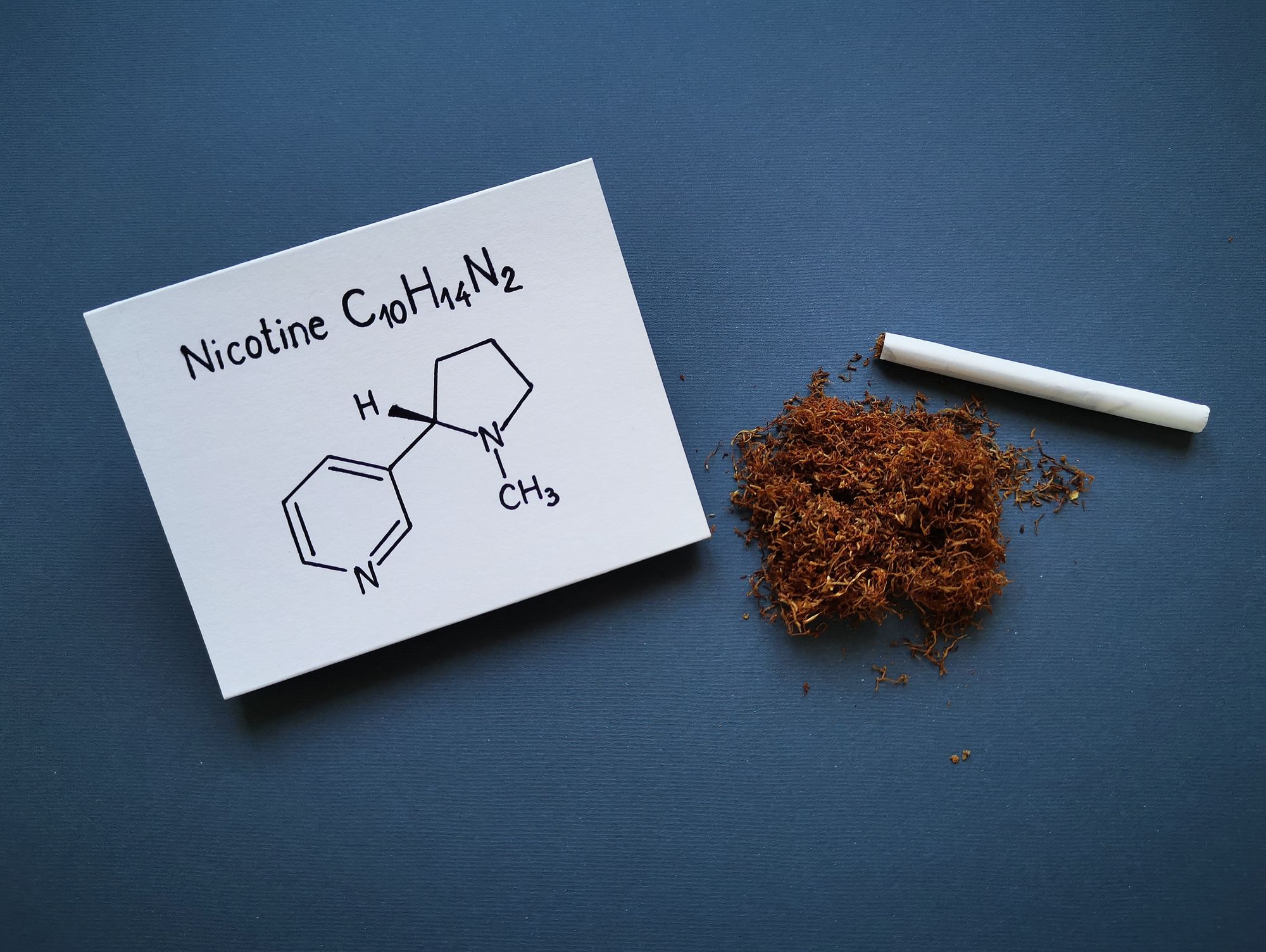
Nicotine is another common gateway drug, whether it comes from cigarettes, smokeless tobacco, or vapes. It reaches the brain quickly and can reinforce repeated use, which helps explain why it can be so addictive.5
NIDA notes that nicotine is addictive, and that repeated exposure can change the brain in ways that support dependence.5 Older survey data also found that teens who smoked were far more likely to later use cocaine than teens who never smoked.2
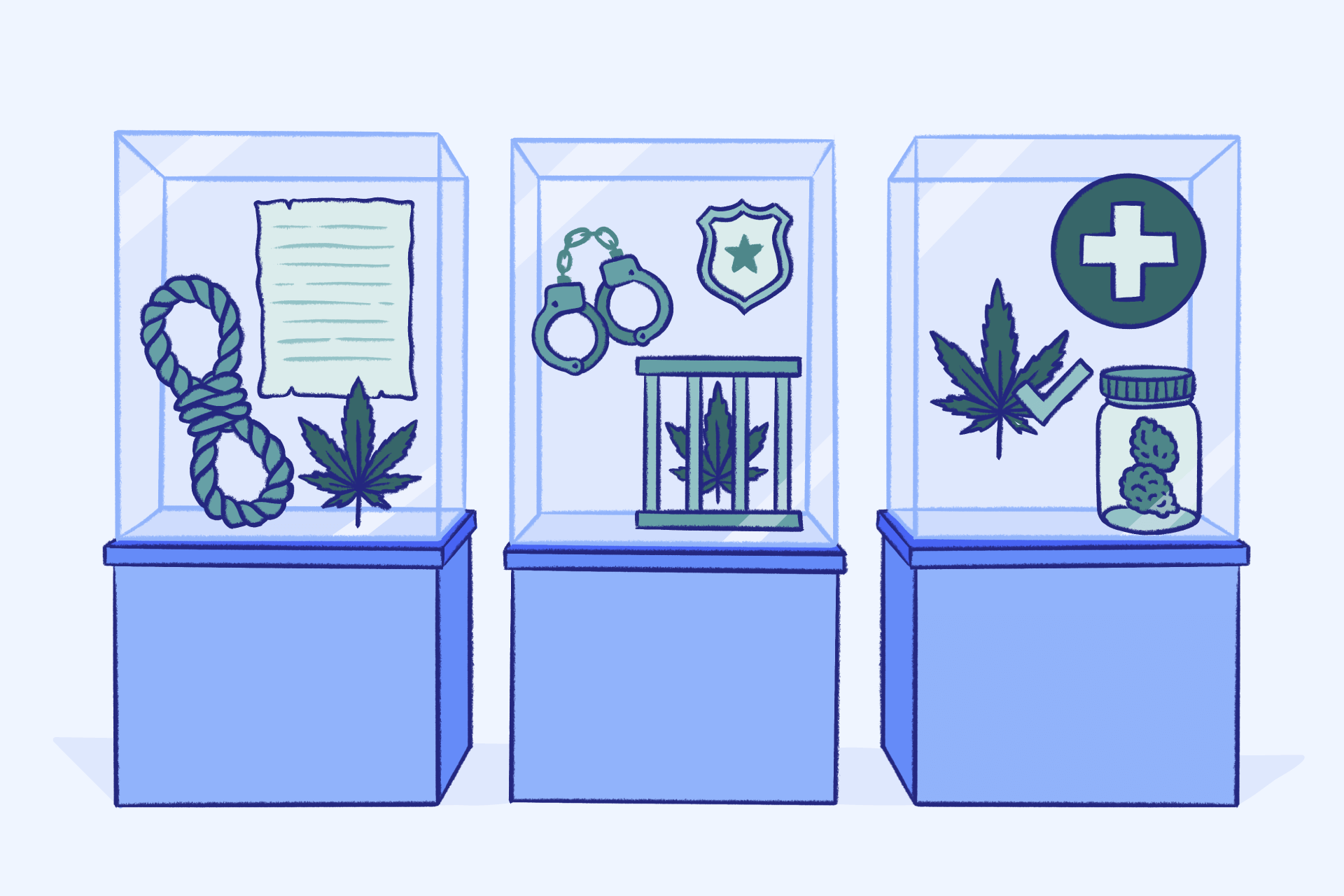
People often describe marijuana as a gateway drug. It is legal in some states and widely used in others whether it is legal or not, which can make it feel more acceptable than other substances.
Cannabis affects mood, attention, memory, and perception.1,3 Long-term research links marijuana use during adolescence with higher odds of later illicit drug use, although the pattern varies and timing, environment, and other risk factors can affect it.1
Some people also ask whether prescription medications can be gateway drugs. They can raise similar concerns when they are misused, especially opioids, stimulants, or benzodiazepines taken without close medical oversight.
These medications have real medical uses, but using them without a prescription, taking more than prescribed, or sharing them can increase the risk of later substance problems.3
Find The Perfect Treatment For You
Answer a few questions and we'll match you with the best options.
What Are You Struggling With?
What Kind of Care Do You Need?
What Insurance Do You Have?
The Science Behind the Gateway Effect
A major reason experts pay close attention to adolescent substance use is brain development. The brain continues developing into the mid-20s, including the prefrontal cortex, the area involved in decision-making, impulse control, planning, and weighing consequences.3
When psychoactive substances (substances that change mood, thoughts, or behavior) are introduced early, they may interfere with that process and make the brain more sensitive to reward-driven behavior.3
Drugs like alcohol, nicotine, and marijuana can activate the brain's reward system, which is closely tied to dopamine, a brain chemical that affects motivation and pleasure.3
Repeated exposure can teach the brain to connect substances with relief, pleasure, novelty, or social reward. Over time, that pattern may make it easier to keep using the same substance, or to try others.3,8 This is a reason early use can matter, even when it begins with a substance that seems common or less threatening.
As NIDA explains about nicotine addiction, repeated nicotine exposure can change the brain in ways that strengthen dependence.5
That said, brain science has not confirmed a simple step-by-step path from an earlier drug to a later drug. An alternative explanation, often called the common liability theory, suggests that the same underlying factors may increase the likelihood of both early substance use and later drug problems.1
Those factors can include family history, adverse childhood experiences, untreated anxiety or depression, impulsivity, chronic stress, and peer influence. In other words, early substance use may be part of the risk picture without being the sole cause.
To better understand how addiction affects the brain and why it can be so difficult to stop using substances, watch this helpful video:
Explore Drug Addiction Treatment Centers
Are Gateway Drugs Addictive?
Yes, gateway drugs can be addictive.
Alcohol, nicotine, and marijuana all affect the brain's reward system, and repeated use can lead to dependence for some people.3 That process can take different amounts of time, and it can look different from person to person, but legal or common substances can still become very hard to stop using.
With ongoing use, you can develop tolerance, which means you need more of a substance to feel the same effect.3
You can also develop physical dependence, where your body reacts when the substance is reduced or stopped, and psychological dependence, where cravings or routines can make it feel difficult to cope without using.3
People may start using to relax, sleep, socialize, or manage stress and then find that the pattern gradually becomes compulsive.
Alcohol is a clear example. About 29.5 million people ages 12 and older in the U.S. had alcohol use disorder, based on recent national estimates.4
Nicotine is also highly addictive, whether it is delivered through cigarettes or e-cigarettes.5
Marijuana can lead to dependence for some people too, especially when it is used frequently or as a main way to cope with stress, anxiety, or sleep problems.3
So even though gateway drugs may be more socially accepted than illicit substances, they can still cause dependence. If you are noticing cravings, using more than you planned, or feeling unable to stop, those are signs worth taking seriously.














Are Gateway Drugs Not as Serious as Other Drugs?
Because alcohol, nicotine, and marijuana are common, it can be easy to assume they are safer than other drugs. But common does not always mean harmless. These substances can still affect your brain, body, and daily life, especially with early or frequent use.
Alcohol is a good example of how a legal substance can still carry real risks. The World Health Organization says alcohol can affect health even at low levels.6
Alcohol can affect judgment, coordination, sleep, and mood in the short term, and heavier or repeated use can raise the risk of dependence and long-term health problems.6
Nicotine is another substance people often underestimate. It reaches the brain very quickly, which helps reinforce repeated use.5 It is also highly addictive, and some research compares its dependence risk to that of other highly addictive drugs.7 Smoking and vaping can also expose your lungs and body to harmful chemicals.7
Marijuana can seem lower-risk because it is increasingly legal in some states, but it is still psychoactive. It can affect attention, memory, learning, reaction time, and decision-making while you are using it, and repeated use may affect motivation or mental health for some people.3
Like other psychoactive substances, marijuana acts on brain systems involved in reward and behavior.3 When smoked, it can also irritate the lungs.3
So the better question may not be whether gateway drugs are "as serious" as other drugs, but whether they can cause harm. For many people, the answer is yes, especially when use starts young, becomes frequent, or is used to cope with emotional pain.
Implementing Early Prevention Strategies for Gateway Drugs

Prevention is often about connection—supportive routines, guidance, and practical steps at home and school.
Prevention works best when it starts before a problem feels obvious.
According to Youth.gov, effective prevention usually combines family involvement, school support, community education, and early intervention.9 This means prevention includes teaching coping skills and building support for teens. It also helps them understand risk.
At home, practical prevention often starts with honest, age-appropriate conversations. Starting the conversation about alcohol and drugs early can help your teen understand consequences without feeling shamed.
Setting clear expectations and talking about peer pressure can also help. It helps when your child knows they can come to you if they feel uncomfortable or unsafe.
Other helpful strategies can include:
- Modeling healthy coping skills for stress, conflict, and emotional pain.
- Keeping alcohol, nicotine products, and prescription medications secured at home.
- Paying attention to mental health symptoms like anxiety, depression, trauma reactions, or social isolation.
- Staying involved in your teen's life, including friends, routines, and online influences.
- Working with schools, pediatricians, or counselors when concerns come up early.
It can also help to know the warning signs of substance use. These may include sudden mood changes, secrecy, dropping grades, new social circles, loss of interest in usual activities, changes in sleep or appetite, smelling like smoke or alcohol, or finding vapes, bottles, pills, or other paraphernalia.
Community programs can be part of prevention too. Resources like the STOP Act, D.A.R.E., and local prevention initiatives may offer education and support.11, 12 Programs vary in approach, but they tend to work best when they reinforce what is already happening at home, at school, and in healthcare settings.
Treatment for Gateway Drugs
If gateway drug use is starting to affect your mood, relationships, school, work, or physical health, treatment can help. Care varies by person, and you can reach out before substance use becomes severe.
For many people, therapy is a good starting point.
Behavioral approaches like cognitive behavioral therapy (CBT) and dialectical behavioral therapy (DBT) can help you understand triggers, challenge unhelpful thought patterns, regulate emotions, and build healthier coping skills. These approaches can be especially helpful when substance use is tied to anxiety, depression, trauma, or chronic stress.

Therapy can help teens and families understand triggers, build coping skills, and address underlying mental health needs.
Outpatient care may be appropriate if you have a stable home environment and need support while continuing school, work, or family responsibilities. This can include general outpatient therapy, intensive outpatient programs, or day treatment. Outpatient care lets you practice recovery skills in daily life while still getting structured support.
If substance use is more severe, if you are struggling to stop on your own, or if your home environment makes recovery harder, a higher level of care may help.
Detox can be important when withdrawal may be medically risky, especially with alcohol and certain sedatives.3 Residential treatment gives you a more structured setting with daily monitoring, group therapy, individual counseling, and time away from triggers.
It is also important to treat co-occurring mental health conditions at the same time. When anxiety, depression, trauma, ADHD, or other concerns are part of the picture, integrated care can make treatment more effective and help lower the risk of returning to substance use.
If you're noticing patterns of substance use in yourself or someone you care about, you're not alone—and understanding your relationship with alcohol or other substances can be an important first step. Consider taking this brief self-assessment to gain insights into your use:
Start Your Recovery Journey
If you’re ready to find addiction treatment for yourself or a loved one, we’re here to help. Browse top medical detox centers in the US, inpatient addiction treatment facilities, aftercare options, and more to start on the path to recovery. You can search for rehab by insurance carrier, location, amenities, and more for free. Don’t wait. Get help today.
FAQs
A gateway drug is a substance that's legal or common, and many people try it first, often as teens. Early use of these substances may be associated with a higher likelihood of later illicit drug use, and outcomes can vary by person.1
Yes. Alcohol, nicotine, and marijuana are the most commonly cited gateway drugs because they're widely available, socially normalized, and often used at a young age. Their use may increase exposure to other substances, especially when combined with early onset or mental health concerns.1,5
No. Many people use alcohol, nicotine, or marijuana without moving on to other substances. Gateway drug use is a risk factor among many. Genetics, age of first use, mental health conditions, environment, and trauma history all play a role in substance use outcomes.1
Using substances while the brain is still developing, typically before age 25, can increase the risk of long-term changes in brain function. Earlier use is associated with greater vulnerability to future substance problems because the brain's decision-making and reward systems are still developing.3
They can be, especially when opioids, stimulants, or benzodiazepines are used without close monitoring or outside a prescription.3 These medications have legitimate medical uses, but misuse can raise the risk of substance-related problems later on. That's why careful medication management, safe storage, and proper disposal matter.
Open, non-judgmental conversations about substances can help. Start discussions early, set clear expectations, model healthy coping strategies, and stay involved in your teen's life. If you want help getting started, talking with your child about alcohol and drugs can make those conversations feel more manageable.
They can be. Alcohol, nicotine, and marijuana affect the brain's reward system. For some people, repeated use can lead to dependence or addiction. Nicotine is especially addictive, and alcohol use disorder affects millions of people in the United States.3,4,5
Researchers debate the gateway drug theory. While strong associations exist between early substance use and later drug use, experts agree that no single substance directly causes addiction. Risk increases when multiple factors overlap.1
If substance use begins to affect mental health, relationships, school, work, or safety, professional support can help. Early intervention may lead to better outcomes and may help prevent more serious substance use issues later on.




Our Promise
How Is Recovery.com Different?
We believe everyone deserves access to accurate, unbiased information about mental health and recovery. That's why we have a comprehensive set of treatment providers and don't charge for inclusion. Any center that meets our criteria can list for free. We do not and have never accepted fees for referring someone to a particular center. Providers who advertise with us must be verified by our Research Team and we clearly mark their status as advertisers.
Our goal is to help you choose the best path for your recovery. That begins with information you can trust.