Find Treatment By
Rehabs by Location


Learn
About Us
Recovery.com combines independent research with expert guidance on addiction and mental health treatment. Our mission is to help everyone find the best path to recovery through the most comprehensive, helpful network of treatment providers worldwide.
Advisory Council
Our advisory council brings together leaders in behavioral health, technology, and business. Their diverse expertise ensures our resources and product are innovative, evidence-based, and effective. They guide our mission as accomplished individuals dedicated to improving the landscape of addiction recovery and mental wellness.
Rumination Disorder: Symptoms, Causes, and 4 Treatment Options




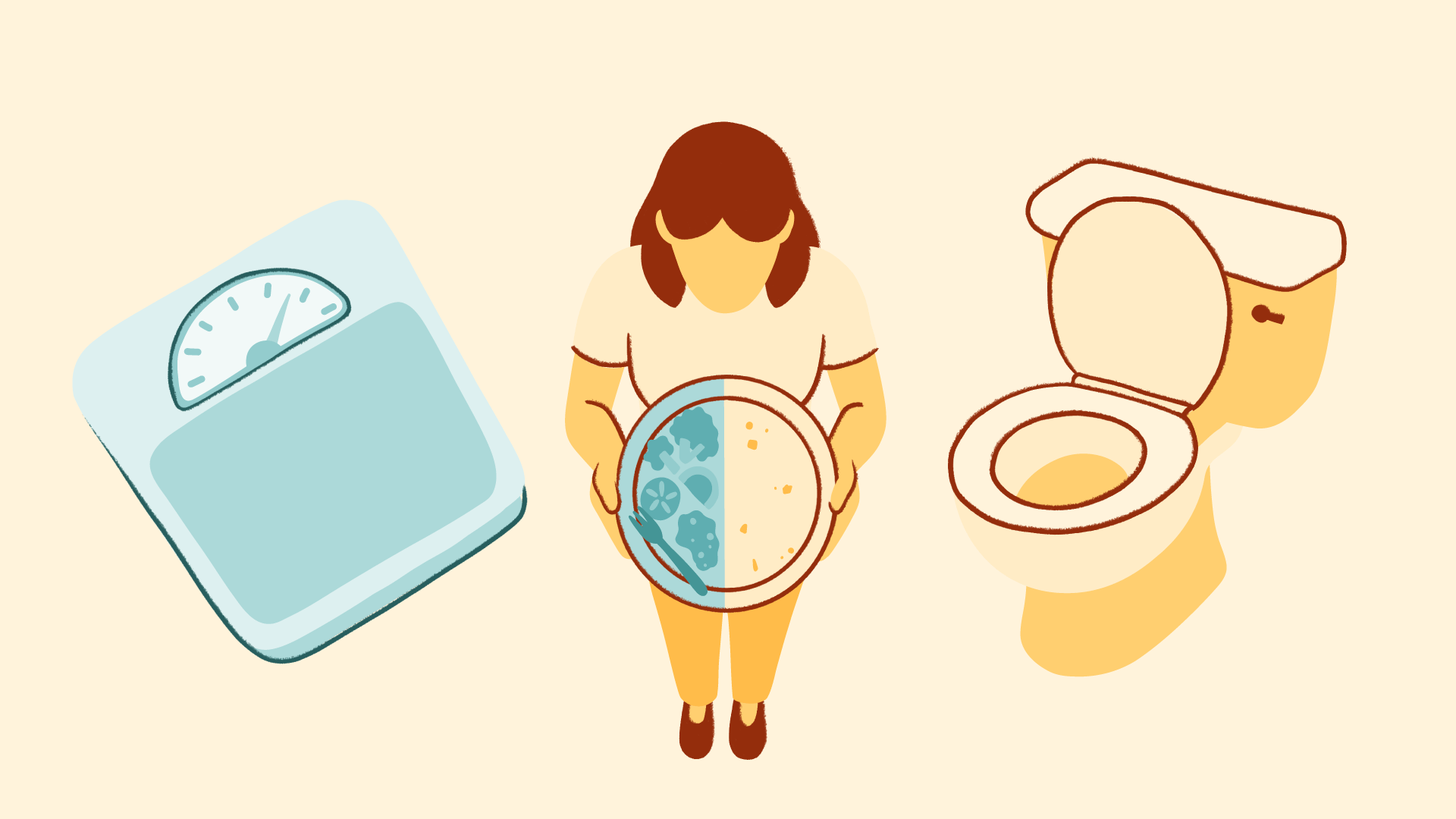
Rumination disorder is a condition where recently eaten food repeatedly comes back up into your mouth, typically without nausea or retching. These episodes of regurgitation aren't deliberate most of the time. When they happen, you may rechew and swallow the food again or spit it out.¹
Rumination disorder can feel confusing or embarrassing, and it's often mistaken for acid reflux or another problem with the stomach or digestion. It’s actually recognized both as a disorder of gut-brain interaction (sometimes called a functional gastrointestinal disorder) and as a feeding and eating disorder.
These classifications reflect different ways of understanding the same condition. Treatment options can help in either case.1
What Is Rumination Disorder?
Rumination disorder, also called rumination syndrome, is considered a disorder of gut-brain interaction (DGBI), sometimes referred to as a functional gastrointestinal disorder. This means that communication problems between the digestive tract and brain create symptoms, rather than a disease or damage to the digestive tract.1
But rumination disorder is also classified within the Diagnostic and Statistical Manual of Mental Disorders (DSM-5), which recognizes it as a feeding and eating disorder. This puts rumination disorder in the same diagnostic category as conditions like pica, avoidant/restrictive food intake disorder (ARFID), anorexia nervosa, and bulimia nervosa.1,3
The core symptom is regurgitation: recently eaten food travels back up to your mouth, usually within about 10 minutes of eating. Doctors call this pattern postprandial regurgitation (regurgitation after a meal).1 The regurgitation is typically effortless, with no nausea, retching, or gagging beforehand.
Because the main symptom is regurgitation, this disorder is frequently mistaken for gastroesophageal reflux disease (GERD), gastroparesis (slow stomach emptying), or a vomiting disorder. As a result, an accurate diagnosis may be delayed for months or even years.1
Find The Perfect Treatment For You
Answer a few questions and we'll match you with the best options.
What Are You Struggling With?
What Kind of Care Do You Need?
What Insurance Do You Have?
Rumination Syndrome Symptoms
The symptoms of rumination syndrome tend to follow a pattern tied to meals. You might notice:
- Effortless regurgitation after eating. Food comes back up on its own, often within 10 minutes of a meal. These episodes can continue for up to 1 to 2 hours.1
- No nausea or retching. Regurgitation is effortless, which sets it apart from vomiting.1
- Food tastes normal at first, then sours. What comes up first is undigested food that may still taste like the food you just ate. Over time, it may become sour or bitter as the stomach contents become more acidic, at which point regurgitation often stops.1
- Re-chewing, re-swallowing, or spitting out. After food comes up, you may chew and swallow it again or spit it out.1
- An ‘off’ sensation before an episode. Rumination usually happens without abdominal pain, but some people feel a building pressure, bloating, or discomfort, sometimes called a premonitory urge, right before food comes up.1
Over time, frequent episodes can lead to unintended weight loss, dehydration, and tooth damage from stomach acid that wears down enamel.1
Explore Eating Disorders Treatment Centers
How Rumination Disorder Differs From Reflux, Vomiting, and Bulimia
Telling rumination disorder apart from conditions with similar symptoms is important for getting the right care.1,3
Compared with vomiting, regurgitation is typically effortless, with no nausea, heaving, or forceful contractions.1 And unlike acid reflux, the food that comes up is typically recognizable and undigested and may not taste sour or acidic, at least at first.1
The overlap that causes the most confusion is with bulimia nervosa.
Regurgitation can happen as part of bulimia, with associations described in the research.1 The difference is in the context. If regurgitation happens exclusively in the context of another eating disorder, such as bulimia, anorexia, or binge-eating disorder, then it's considered part of that disorder rather than independently diagnosed as rumination disorder.3
Rumination disorder can be diagnosed when the repeated regurgitation episodes aren’t better explained by another feeding or eating disorder or any other medical condition.3














DSM-5 Criteria for Rumination Disorder
Clinicians use a specific checklist from the DSM-5 to make the diagnosis. All of the following need to be true:3
- Repeated regurgitation for at least one month. Food is repeatedly brought back up and may be re-chewed, re-swallowed, or spit out.3
- The regurgitation isn’t explained by another medical condition. This includes gastrointestinal conditions such as reflux or a blockage.3
- It's not part of another eating disorder. The regurgitation doesn’t occur exclusively during the course of anorexia nervosa, bulimia nervosa, binge-eating disorder, or avoidant/restrictive food intake disorder (ARFID).3
- If another mental or neurodevelopmental disorder is present, the regurgitation requires separate clinical attention. In other words, the regurgitation is significant enough to be addressed on its own, rather than simply a symptom of the other disorder.3
A gastroenterologist may also conduct a procedure, like an endoscopy, to rule out other causes, or use specialized testing that measures pressure and acidity in the esophagus after eating. In many cases, though, the diagnosis can be made based on your symptoms and medical history alone.1
What Causes Rumination Disorder?
The exact cause and pathophysiology, meaning how the condition starts and develops in the body, aren't fully understood. Researchers believe rumination can unintentionally develop as a learned or habitual response, possibly starting as a kind of belching reflex.1
Psychological factors may also play a role for some people. Rumination frequently occurs alongside anxiety and depression, and stress may contribute to the onset or worsening of symptoms.1 It's also been linked to conditions like fibromyalgia and certain other health conditions, although researchers are still working to understand the relationships.1 In one study, roughly a third of adolescents with rumination disorder had histories of abuse.1
Rumination disorder can occur in both children and adults, though it may be somewhat more prevalent in adults. In a large international study, about 3.1% of adults met criteria for rumination syndrome.1 It was somewhat more common among people of female sex, and those with a higher body mass index, anxiety, and depression.4
Rumination Disorder Treatment: 4 Options
Because rumination disorder is thought to involve a learned or habitual response, it often responds well to behavioral treatment.1 Treatment usually starts with education and reassurance, then adds one or more of the approaches below.
1. Diaphragmatic Breathing
Diaphragmatic breathing, or belly breathing, is a breathing exercise and one of the main behavioral treatments for rumination disorder.1 It works by teaching your body a new breathing pattern that relaxes abdominal muscles so they don’t squeeze up food.1
Anyone can learn diaphragmatic breathing techniques. You’ll sit with one hand on your chest and one on your belly, then practice expanding your stomach as you breathe in, which fills your lungs all the way up. Breathe slowly and deeply for a few minutes. You’ll be instructed to do this right after eating or when you feel an episode starting.1
Behavioral treatments such as diaphragmatic breathing can substantially reduce how often regurgitation occurs and, for some people, may stop episodes altogether.1
2. Cognitive Behavioral Therapy and Biofeedback
When breathing alone isn't enough, cognitive behavioral therapy (CBT) can help. CBT can build on breathing techniques by helping you recognize the sensations and triggers that come before regurgitation, as well as to change the thoughts and behaviors that may contribute to rumination.1 It can also help address anxiety, stress, or other emotional symptoms that make rumination worse.
Biofeedback is another useful tool. It uses sensors to show you, in real time, what your muscles are doing before food comes up.1 This can help people become more aware of the sensation, and see how techniques like belly breathing help them. It’s not always accessible and not always required for effective treatment, but can be a helpful option doctors may recommend.
3. Medication (Baclofen)
There’s no medication specifically approved for rumination disorder, but doctors sometimes prescribe baclofen off-label when behavioral treatment hasn't worked on its own.1 Baclofen is a muscle relaxant that can increase pressure on the muscular valve between the esophagus and stomach, helping to prevent stomach contents from traveling back up.1
In one small trial, baclofen at 10 mg three times a day reduced regurgitation episodes compared with a placebo.6 Because behavioral therapy works well on its own, doctors usually only prescribe medication for cases that don't respond to it.1
4. Nutritional Support
Some people with rumination disorder lose a lot of weight and develop malnutrition.1 In those cases, a dietitian may join the care team to help with nutrition and weight gain. In rare, severe situations, patients may need a temporary feeding tube.1
When to Talk to a Doctor
If your food comes back up after meals, even without trying or feeling queasy, talking to your doctor is a good next step. Be sure to describe when and how the food comes back up, whether it happens without effort or retching, and any other digestive or eating-related symptoms you’re experiencing.
Rumination disorder can be uncomfortable and isolating. But it's a recognized, treatable condition, with clear solutions you can start right away. With the right support, many people see their symptoms drop or stop altogether.1
If you or someone you care about is dealing with ongoing regurgitation after meals, the right support can make this far more manageable. Recovery.com can help you explore and compare eating disorder treatment options that match your needs, location, and insurance.
FAQs
Rumination disorder is a disorder of gut-brain interaction (sometimes called a functional gastrointestinal disorder) in which recently eaten food comes back up into the mouth without nausea or effort, often within minutes of eating.1 The DSM-5 classifies it as a feeding and eating disorder.3
No. Acid reflux and rumination disorder can both cause stomach contents to come back up, but it happens for different reasons. With rumination disorder, recognizable, undigested food typically comes back up soon after eating and may taste normal at first.1 Acid reflux more commonly causes acidic or sour-tasting regurgitation and may be accompanied by heartburn.1
The main symptom is effortless regurgitation of food within about 10 minutes of eating, followed by re-chewing, re-swallowing, or spitting it out, with no nausea or retching.1
Diaphragmatic breathing, a form of belly breathing, is often an effective treatment.1,2 Behavioral treatment can significantly reduce or altogether eliminate regurgitation for many people.1
Because rumination involves a learned or habitual response, it is highly treatable with behavioral interventions.` Many people improve with behavioral treatment, sometimes combined with medication or nutritional support.1



Our Promise
How Is Recovery.com Different?
We believe everyone deserves access to accurate, unbiased information about mental health and recovery. That's why we have a comprehensive set of treatment providers and don't charge for inclusion. Any center that meets our criteria can list for free. We do not and have never accepted fees for referring someone to a particular center. Providers who advertise with us must be verified by our Research Team and we clearly mark their status as advertisers.
Our goal is to help you choose the best path for your recovery. That begins with information you can trust.