Find Treatment By
Rehabs by Location


Learn
About Us
Recovery.com combines independent research with expert guidance on addiction and mental health treatment. Our mission is to help everyone find the best path to recovery through the most comprehensive, helpful network of treatment providers worldwide.
Advisory Council
Our advisory council brings together leaders in behavioral health, technology, and business. Their diverse expertise ensures our resources and product are innovative, evidence-based, and effective. They guide our mission as accomplished individuals dedicated to improving the landscape of addiction recovery and mental wellness.
Therapeutic Takeaways From Psychotherapist Dr. Donald Meichenbaum: Misconceptions And More



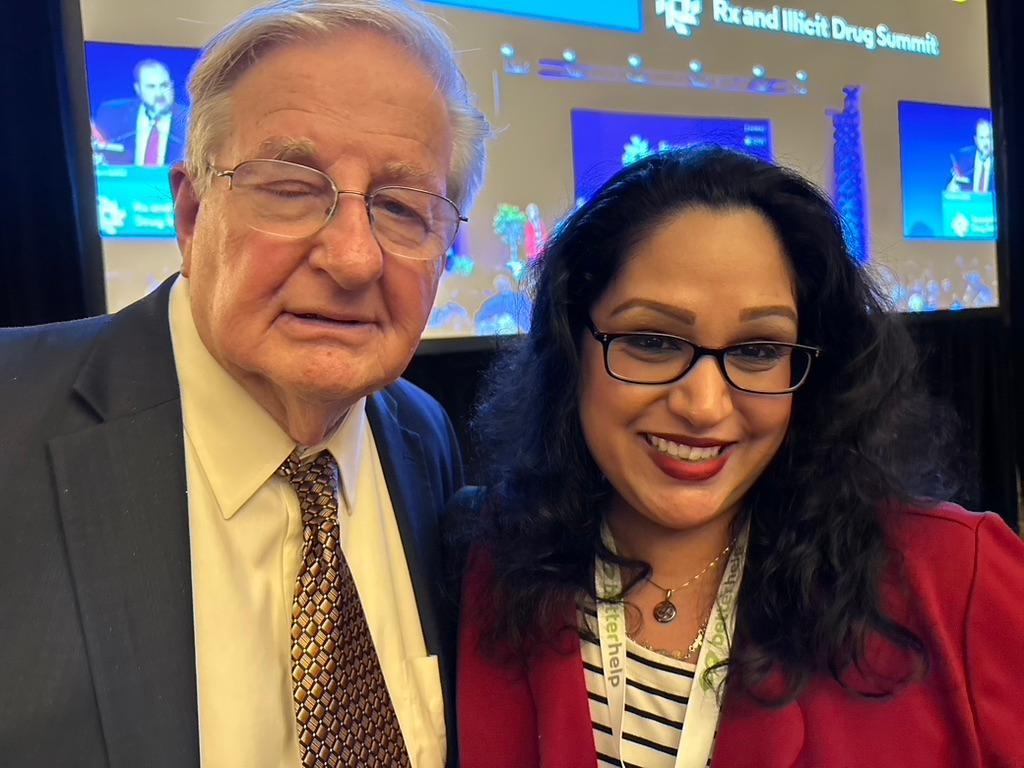
- Our conversation with Dr. Donald Meichenbaum highlights vital aspects of therapy.
- He describes the importance of a positive therapeutic relationship.
- We also cover vital skills for therapists and hype in the industry.
In this week’s episode of The Recovery.com Podcast, our hosts were thrilled to speak with psychotherapist Dr. Donald Meichenbaum, distinguished professor, pioneer of cognitive behavior therapy (CBT), and advocate.
Dr. Malasri Chaudhery-Malgeri and Cliff McDonald, Chief Growth Officer, led an enlightening conversation on Dr. Meichenbaum’s advice, experiences, and misconceptions about psychotherapy.
A Successful, Influential Career
Dr. Donald Meichenbaum is an emeritus professor at the University of Waterloo, a recipient of the Lifetime Achievement Award from the American Psychological Association's Clinical Division, honorary President of the Canadian Psychological Association, and acting Research Director at the Melissa Institute for Violence Prevention and Treatment.
Dr. Meichenbaum has authored numerous publications and pioneered CBT, an evidence-based therapy approach that is now a standard practice in many treatment centers and therapeutic settings worldwide.
Throughout his career in clinical psychology, he has helped shape modern psychotherapy through education, research, and therapist training. Although he retired from teaching, he continues his work at the Melissa Institute and trains therapists in China.
In addition to pioneering CBT, Dr. Meichenbaum developed Stress Inoculation Training (SIT), a form of cognitive-behavioral intervention that teaches people practical coping skills to better manage stress before it becomes overwhelming. The approach has been widely applied in mental health treatment, trauma recovery, and resilience training.
Dr. Meichenbaum's work has helped shape the evolution of CBT and influenced the treatment of anxiety disorders, post-traumatic stress disorder (PTSD), and other conditions where developing effective coping strategies can improve long-term outcomes.
Find The Perfect Treatment For You
Answer a few questions and we'll match you with the best options.
What Are You Struggling With?
What Kind of Care Do You Need?
What Insurance Do You Have?
Critical Qualities For Therapists
Dr. Meichenbaum identified three critical qualities therapists need to develop a positive therapeutic relationship with their clients. He stresses the importance of this relationship in the effectiveness of treatment, saying:
"The research indicates that the quality and nature of the therapeutic alliance are three to four times more important than the specific intervention that's being used."
To create this positive alliance, Dr. Meichenbaum suggests therapists adopt these three skills:
- Monitor and maintain the quality of their therapeutic relationship and make adjustments as needed.
- Meet the patient where they're at and vary their approach and protocol on a case-by-case basis.
- Work collaboratively toward treatment goals to instill hope.
Dr. Meichenbaum explains that effective psychotherapy depends less on following a rigid protocol and more on building a collaborative relationship supported by evidence-based interventions that meet each client's individual needs.
Rather than relying on a one-size-fits-all approach, he encourages therapists to use a collaborative case conceptualization model to better understand each client's experiences, strengths, goals, and barriers to change.
He also emphasizes that becoming an effective therapist requires ongoing learning and deliberate practice, continually refining clinical skills through experience, feedback, and reflection. Together, these principles help therapists at every stage of their careers grow into more expert psychotherapists who provide effective, individualized care.
Empathy as a Tool for Effective Therapy
Empathy serves as a key tool for connection, especially in the therapeutic relationship, where it's arguably most crucial. Therapists can use empathy to listen actively, show compassionate curiosity, and help clients feel more comfortable opening up. Regarding the importance of empathy, Dr. Meichenbaum says,
"No matter what their background...it's effective insofar as they are able to show accurate empathy. So they [the therapist] may not have a similar exact problem as you did, but they're able to identify with the pain, the emotional distress with the past background that you have experienced, and they need to communicate that both verbally and non-verbally during that first session."
Therapists can build trust by respecting each patient's experiences and background. While they may not know exactly how a client feels, they can communicate genuine care and understanding.
Empathy also creates a foundation for emotional regulation. When clients feel heard and understood, they're often better able to explore difficult thoughts and emotions, develop healthier coping strategies, and build resilience over time.














Misconceptions in Therapy
Rather than simply giving advice, effective therapists use thoughtful questioning and case conceptualization to understand each person's unique experiences, strengths, and barriers to change.
Dr. Meichenbaum also addressed several misconceptions about therapy that therapists and patients alike may have. First, he says,
“[Therapists] don’t have to have the exact same problems as their clients.”
In the same way a doctor doesn’t need to have a patient’s condition to treat it, a therapist doesn’t need to experience the same issues as their patient to help them. That’s where empathy, respect, and compassion come in. Dr. Meichenbaum particularly highlights compassionate curiosity, which encourages therapists to ask questions that get to the root of an issue and identify how they can help their patient. Secondly, Dr. Meichenbaum points out,
“Clients come in and have the expectation of the therapist that they’re going to tell him what to do….Often the patient knows what to do, but they’re not doing it. So I have to explore with the patient, what are the potential barriers or obstacles that are getting in the way. What are the nature of the beliefs, emotional feelings that are hijacking their frontal lobe?”
He stresses the importance of teaching patients to become their own therapists, not relying on a therapist’s guidance and advice to make decisions.
Ongoing Work and Goals
Dr. Meichenbaum stressed the importance of identifying "hype" in the therapeutic space so both patients and therapists can recognize exaggerated or unsupported claims. He also discussed his work training therapists in China, where he has seen how cultural differences and stigma can shape the therapeutic relationship. Even so, the core principles he teaches, including empathy, collaboration, and trust, apply across cultures and care settings.
He encourages therapists to regularly check in with clients about their experience in therapy, whether they feel heard and understood, and how they would describe the therapeutic relationship. These ongoing conversations can strengthen trust and help therapists provide more effective, individualized care.
Throughout his career, Dr. Meichenbaum has emphasized that effective therapy isn't just about reducing symptoms. It's about helping people develop skills they can use long after treatment ends.
From strengthening coping strategies to incorporating mindfulness and other evidence-based techniques, his work continues to highlight practical ways to bolster resilience in everyday life. Through his teaching, writing, and resources such as Roadmap to Resilience, he continues to educate clinicians around the world and advance the evolution of cognitive behavior therapy.
Learn More About Therapy
Whether you're considering therapy for the first time or exploring different treatment approaches, understanding how therapy works can make it easier to find the right fit. Recovery.com makes it easy to learn more about CBT, other evidence-based treatment approaches, and how to choose a therapist who meets your needs.
Our Promise
How Is Recovery.com Different?
We believe everyone deserves access to accurate, unbiased information about mental health and recovery. That's why we have a comprehensive set of treatment providers and don't charge for inclusion. Any center that meets our criteria can list for free. We do not and have never accepted fees for referring someone to a particular center. Providers who advertise with us must be verified by our Research Team and we clearly mark their status as advertisers.
Our goal is to help you choose the best path for your recovery. That begins with information you can trust.