Find Treatment By
Rehabs by Location


Find Treatment By
Learn
About Us
Recovery.com combines independent research with expert guidance on addiction and mental health treatment. Our mission is to help everyone find the best path to recovery through the most comprehensive, helpful network of treatment providers worldwide.
Advisory Council
Our advisory council brings together leaders in behavioral health, technology, and business. Their diverse expertise ensures our resources and product are innovative, evidence-based, and effective. They guide our mission as accomplished individuals dedicated to improving the landscape of addiction recovery and mental wellness.
Taking CBD in Recovery: Are You Still Sober?


Located in Portland, OR, Olivia Pennelle (Liv) is an experienced writer, journalist, and coach. She is the founder of the popular site Liv’s Recovery Kitchen, a site dedicated to helping people flourish in their recovery.

Located in Portland, OR, Olivia Pennelle (Liv) is an experienced writer, journalist, and coach. She is the founder of the popular site Liv’s Recovery Kitchen, a site dedicated to helping people flourish in their recovery.
Table of Contents
Moving to a state where cannabis was legal was mind-blowing at first. It reminded me of when I first got sober in England: I became acutely aware of a pub on every corner, that was now suddenly out of bounds. The only difference in Portland was that there was a dispensary on every corner. I found it rather alarming, if I’m honest.
That unease prompted me to get curious as to why I was so frightened of a substance that had never caused me any harm. As I started to investigate further, I discovered that not only was it wildly popular here, but it was frequently taken by people in recovery.
Despite the benefits, though, some people in recovery would argue that taking cannabidiol (CBD) could adversely impact their sobriety.
The Abstinence Mentality
I found sobriety in a 12-Step support group. It was because of that grounding in recovery that I adopted their abstinence-based mindset.
The guidance was clear: anything that resembles a drug (even if it wasn’t your drug of choice), you don’t take it.
That mindset was so firmly fixed that you were even advised to check with your sponsor about whether you should take your doctor’s prescription for a genuine medical need.
By the time I arrived in Portland five years later, that abstinence-only mindset was fairly ingrained in me. It’s fair to say that I was totally ignorant of CBD and couldn’t even comprehend the possibility of people in recovery taking another substance while remaining sober. After all, that went against everything I was taught.
That’s one of the glorious things about Portland: it loudly challenges your biases until you’re faced with your own ignorance.
I had to find out more, so off I went to research CBD, its effects, and how it affects the body.
Explore Drug Addiction Treatment Centers
CBD Facts
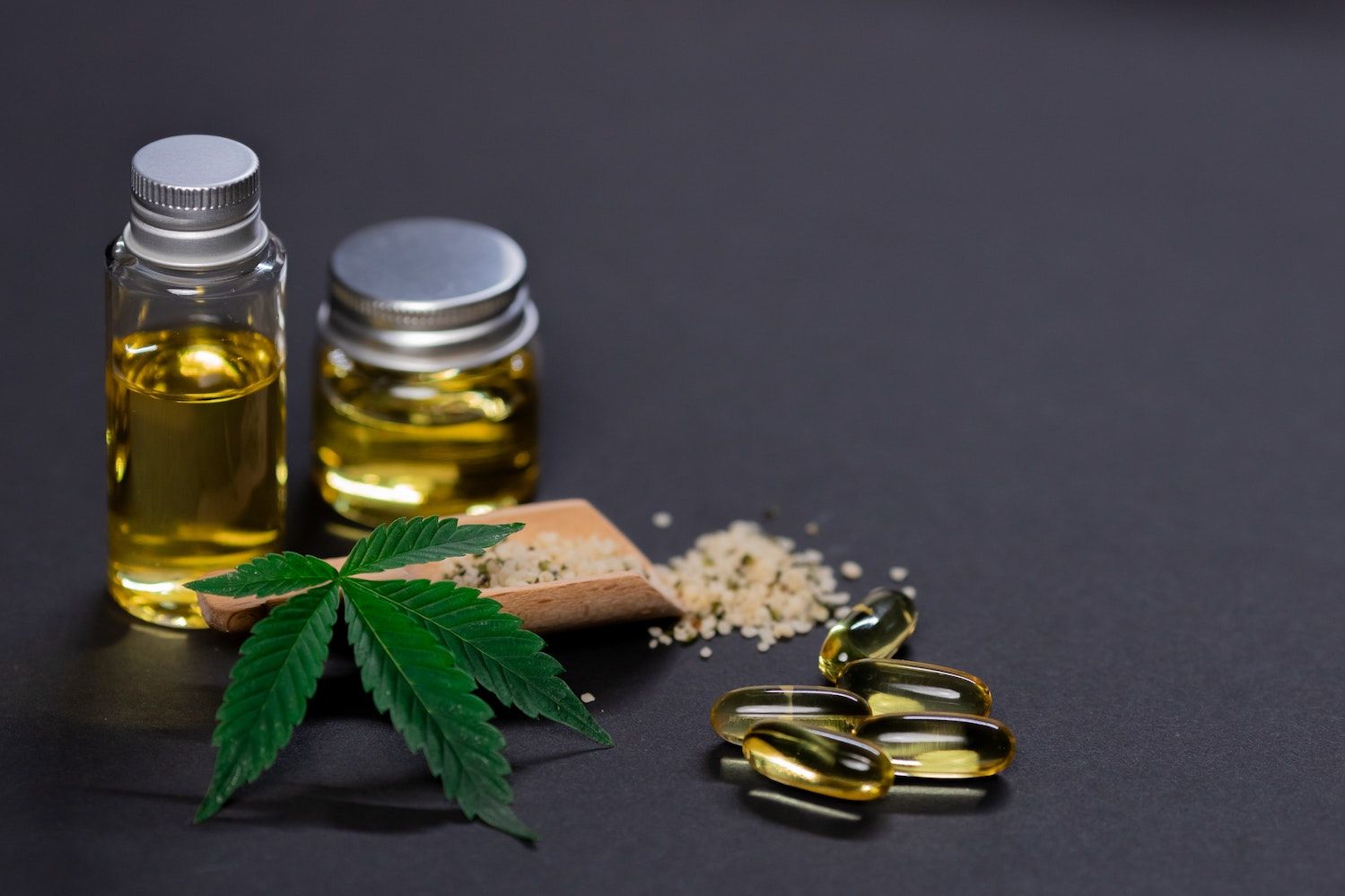
CBD stands for cannabidiol, which is one of the 400 compounds found in a cannabis plant (60 of which are unique to the cannabis plant). CBD is popular due to its wide-ranging medicinal and therapeutic effects.
Some key facts to know about CBD are:
- It's not psychoactive, which means it won’t get you high, unlike the compound THC, which produces the mind-altering sensations.
- CBD that doesn’t contain THC can be derived from hemp plants and cannabis plants.
- Because it doesn’t have psychoactive effects, CBD is legal almost everywhere, and much of the restriction depends on the legal status of cannabis in that state.
- If you're using CBD derived from industrial hemp, you do not need a prescription.
- Advocates of CBD claim it has medicinal and therapeutic effects, such as promoting relaxation, relieving chronic pain, anti-inflammatory effects, and reducing anxiety. It also has an anti-depressant effect and anti-seizure properties.
- It's available in different forms, including oils, pills, or topical creams.
Having discovered these facts, I couldn’t understand why taking CBD therapeutically was so controversial for people in recovery.
A quick look online and you can see people questioning others in recovery who take CBD, claiming they cannot take their sobriety seriously (and that they’re risking relapse) despite scientific evidence to the contrary. There seems to be this overwhelming fear that taking CBD might trigger and lead to picking up another substance.
Looking to investigate further, I took a quick poll on Facebook to ask others' views on taking CBD and its impact (if any) on their recovery, and several people came forward.
Some were concerned about the risk that it may trigger a relapse, but overall, many were in support of its use, saying it helped them tremendously.
Tracy Murphy told me about her first-hand experience of using CBD to deal with depression and premenstrual dysphoric disorder (PMDD):
Questioning Biases
I can’t help but be swayed by the positive experiences of those in recovery who benefit from the therapeutic use of CBD to conclude that it is an option for me if ever I need it.
I realized, as I continued to question these biases, that it was this abstinence-based mindset that was the cause of disagreements; in the same way that proponents of this mindset are intolerant of medication-assisted treatment or moderate drinking, even though these people have returned to a good quality and fulfilling life.
But once you get past that fear-mongering and ignorance, and instead look at the evidence and the experience of others, you could quite easily conclude that it could be used as a tool to enhance wellbeing in recovery.
If you’re navigating questions about CBD use in recovery, the right professional guidance can help you stay confident and informed. Explore Recovery.com to find and compare treatment providers who offer expert support, personalized advice, and evidence-based care on your sobriety journey.












Our Promise
How Is Recovery.com Different?
We believe everyone deserves access to accurate, unbiased information about mental health and recovery. That's why we have a comprehensive set of treatment providers and don't charge for inclusion. Any center that meets our criteria can list for free. We do not and have never accepted fees for referring someone to a particular center. Providers who advertise with us must be verified by our Research Team and we clearly mark their status as advertisers.
Our goal is to help you choose the best path for your recovery. That begins with information you can trust.