Find Treatment By
Rehabs by Location


Find Treatment By
Learn
About Us
Recovery.com combines independent research with expert guidance on addiction and mental health treatment. Our mission is to help everyone find the best path to recovery through the most comprehensive, helpful network of treatment providers worldwide.
Advisory Council
Our advisory council brings together leaders in behavioral health, technology, and business. Their diverse expertise ensures our resources and product are innovative, evidence-based, and effective. They guide our mission as accomplished individuals dedicated to improving the landscape of addiction recovery and mental wellness.
Stopping Addiction in the Family: Welcome to the “Blame-Shame-Game”
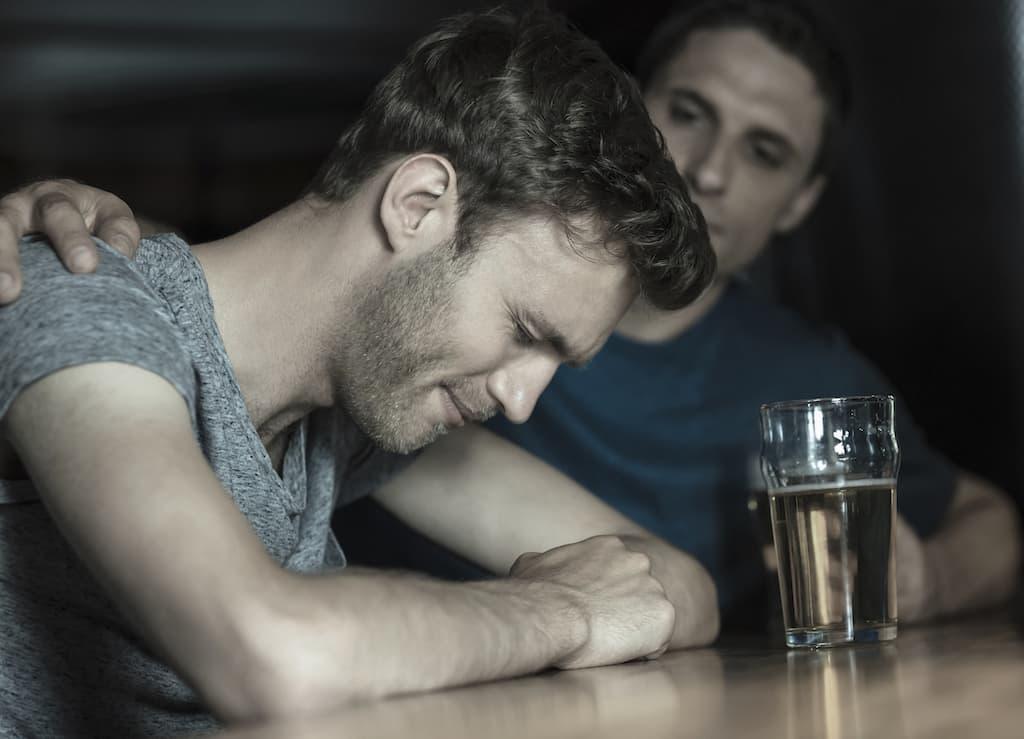
If you're someone who is dealing with addiction of any kind in your family, you know what a nightmare this can be. So many different dynamics are at play all the time—you often may not know whether you’re coming or going.
One of the most popular dynamics that shows up in families struggling with addiction is the "Blame-Shame-Game," which, until a family begins to relate in healthier ways with each other, can go on and on for years.
As its name would suggest, the "Blame-Shame-Game" occurs when people struggling with addiction—and their loved ones alike—blame and shame each other for the problems in the family.
The purpose and aim of the "game" is to somehow convince another person to take the responsibility away from the person who is actually the one creating the problems, with blaming and shaming generally reaping the best results for this.
In the "Blame-Shame-Game," family members hook each other in with unhealthy, and often completely untrue, accusations, intended to cause the other person to feel bad about themselves.
How the "Blame-Shame-Game" Works
For example, a person who struggles with addiction—and who is choosing to stay in active addiction rather than step into recovery—might say to their partner, “It’s your fault that I’m drinking/using/gambling/cheating/overspending/watching porn,” or whatever form the addiction happens to take.
What they’re really saying is, “If you didn’t always nag me and mistrust me, I wouldn’t have to find a way to escape from you!”
Or a child who struggles with addiction, regardless of age, may decide to blame their parents by holding on to resentment after resentment—and taking no ownership of how they themselves are contributing to the dysfunctional dynamic.
“If you would just get off my back and stop trying to control me, my life would be much better. Just leave me alone!”
In both examples, the person is attempting to blame someone else for the choices they are making. If they can convince the other person that they are not in any way to blame—that it’s always someone else’s fault—then they believe they can continue the addiction without interference or interruption.
At least, that’s what they’re hoping will happen.
Explore Drug Addiction Treatment Centers
How the “Blame-Shame-Game” Affects the Loved Ones of People With Addiction
The loved ones of people with addiction (the partners, parents, siblings, friends, and so on) have generally been on the receiving end of the "Blame-Shame-Game" for a very long time. And often, they aren’t discussing their own feelings honestly with someone who could truly help.
As a result, many begin to believe that they must be the problem. They get hooked by the person’s words and, somewhere deep inside, start to believe that it must actually be their fault after all. They ask themselves, "What other explanation can there be? I must be a terrible person and a totally inept parent/partner/friend."
This is rarely, if ever, the whole truth. And because it really does take at least two to tango in this way, the fact is that everyone in this situation bears responsibility for their own choices.
But the deep, powerful shame that loved ones feel about the person’s words—and actions—can overtake them, often to the point where they allow destructive behaviors to continue again and again.
Sometimes the game gets turned around, and the loved ones begin to blame and shame the person struggling with addiction: “If you weren’t in my life, then I could be happy.”
This generally plays out in a circular fashion and ultimately leaves everyone involved feeling miserable, mistrustful, and victimized much of the time.
If you are the loved one of someone who is in active addiction of any kind, you are probably quite familiar with the "Blame-Shame-Game." Sometimes, as this dynamic becomes progressively worse, the person may do things like yell, steal, punch holes in walls, and even physically hurt those around them.
When that happens, loved ones often build up huge feelings of resentment. Some even wish the person would go away permanently—and then feel overwhelming shame for having those thoughts and feelings.
What You Can Do to Halt This Dynamic
This can, and in fact often does, go on for years, until someone in the family finally shifts the dynamic in a positive way by deciding to get help and change the situation. And because most people who are out of control in addiction aren’t going to approach their family members and say, “Somebody stop me!”—like Jim Carrey’s character in The Mask—it usually falls to those who love them to reach out for assistance first.
That’s where most of my clients are when they first come to see me. They understand they’ve been enabling the person they love—sometimes for many years—and they can also see that they’ve been playing the "Blame-Shame-Game" for a long time.
In fact, many loved ones admit they’ve become experts at giving back as good as they get. By the time they come to their first session with me, they often have the mistaken belief that this can never get any better—that their family will never become healthier.
The great news is that it only takes one person to stop this game and get their family on the right track. When one person opts out and says, “I’m done. I don’t want to play anymore. I want us to become healthier with each other,” that is when change is truly possible. And when others are on the same page and want this to change, too, positive results are usually quick to show up.
When we finally admit that we’ve been contributing to damaging dynamics, we can shift them. We can’t change what we won’t allow ourselves to acknowledge.
Often, what it truly takes is the courage to change ourselves first. In my personal and professional experience, when loved ones possess that courage and begin to tap into it, the person struggling with addiction almost always follows suit, and then the "Blame-Shame-Game" can come to an end.
As the loved one of someone with addiction, will you be the one to stop this disturbing game in its tracks? Will you care enough about them and respect yourself enough to finally say, “I give up, and I need some help”?
Remember: if nothing changes, nothing changes.
Think about how life will be for you and your family in one year (or five or ten) if nothing changes.
The truth is, you don’t have to go on this way. You actually have more power in this situation than you think.
If you become the person who stops playing the "Blame-Shame-Game"—and allow someone to help you when you need assistance—you can be the key to ending the pain and suffering of addiction in your family… forever.
Find Treatment Centers That Support Recovery
If you or someone you love is struggling with addiction, you don’t have to face it alone. Recovery.com can help you find drug and alcohol treatment centers that match your needs and preferences, whether you’re looking for detox, inpatient care, outpatient treatment, or long-term support. Explore trusted options and take the next step toward lasting recovery today.











Our Promise
How Is Recovery.com Different?
We believe everyone deserves access to accurate, unbiased information about mental health and recovery. That's why we have a comprehensive set of treatment providers and don't charge for inclusion. Any center that meets our criteria can list for free. We do not and have never accepted fees for referring someone to a particular center. Providers who advertise with us must be verified by our Research Team and we clearly mark their status as advertisers.
Our goal is to help you choose the best path for your recovery. That begins with information you can trust.