Find Treatment By
Rehabs by Location


Find Treatment By
Learn
About Us
Recovery.com combines independent research with expert guidance on addiction and mental health treatment. Our mission is to help everyone find the best path to recovery through the most comprehensive, helpful network of treatment providers worldwide.
Advisory Council
Our advisory council brings together leaders in behavioral health, technology, and business. Their diverse expertise ensures our resources and product are innovative, evidence-based, and effective. They guide our mission as accomplished individuals dedicated to improving the landscape of addiction recovery and mental wellness.
Stevie Nicks Song Confronts Cocaine Addiction


McCarton Ackerman is a communications and content professional specializing in digital content and social media for health and wellness, and currently serves as Director of Communications for the Mubadala Citi DC Open.

McCarton Ackerman is a communications and content professional specializing in digital content and social media for health and wellness, and currently serves as Director of Communications for the Mubadala Citi DC Open.
Fleetwood Mac singer Stevie Nicks released her album 24 Karat Gold in 2014, and the single “Mabel Normand” is a throwback to her former days of battling a crippling cocaine addiction.
The song, which she first penned in 1985, was inspired by a documentary that Nicks watched about the silent performer from the 1920s.
Both of them were addicted to cocaine, and learning about Normand’s eventual death from the drug scared her straight. Nicks hoped the song would do the same for others.
“I wanted it to be something that somebody having a problem with drugs can sit down and listen to 5,000 times,” she told Out magazine. “Try and let it be an epiphany for you, 18-year-old person that is doing a lot of coke and smoking heroin and taking ecstasy and is on a dead-end road to hell. I want them to hear the word ‘cocaine’ and think brain hemorrhage, beauty gone, lines, aging, fat.”
Explore Cocaine Treatment Centers
But it wasn’t just cocaine that was causing damage to Nicks. She was also snorting aspirin dissolved in water to help combat headaches, but a doctor informed her that the aspirin had created a hole in her nasal cavity that was so big it could have caused a brain hemorrhage.
She went through inpatient drug treatment at the Betty Ford Clinic, and a psychiatrist there prescribed her Klonopin to help prevent a relapse.
But as the dosage was gradually increased over the years, Nicks was left in a constant daze and unable to write music. She realized that her prescribed drug usage had the potential to be just as deadly as her cocaine use.
“I thought, ‘You are going to OD on something really stupid like NyQuil or Benadryl, over-the-counter stuff, on top of the Klonopin,’” recalled Nicks. “I thought, ‘I’m definitely not going to go out that way. If I go out, I’m going out in a blaze of glory. I’m not going out OD’ing on aspirin.’”
She went through a 47-day supervised detox program shortly after and has been sober ever since.
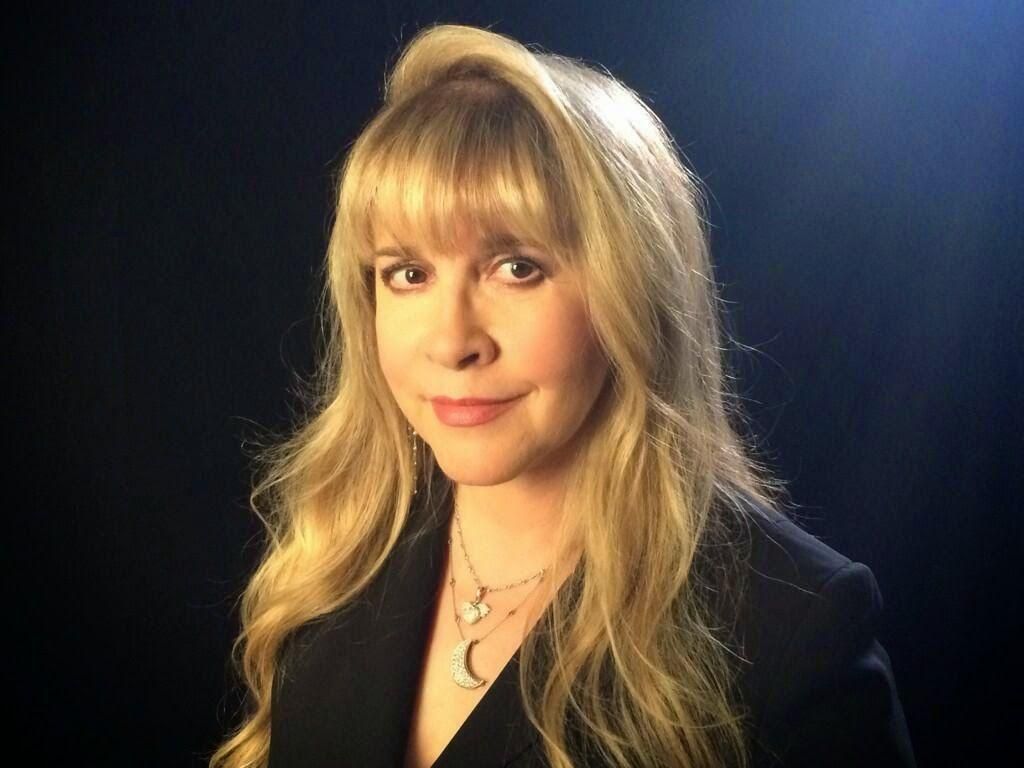
Nicks has long been open about her regrets over becoming addicted to cocaine.
In a March 2013 interview for Oprah Winfrey’s “Master Class” series, she said she believed her long-term drug use had taken a toll on her looks.
Her advice to people using cocaine was to “Save your money, because it’s gonna cost you $50,000 to go to rehab… You will have to go, or you will die.”
But even in her mid-70s, Nicks can still perform as well as she ever has. She joined Fleetwood Mac for a tour in 2012 and said their sober shows were of far better quality than those in the band’s heyday.
“I’m up there doing a two-hour and ten-minute show right now, and I don’t even have a drink before I go on stage,” she said. “Sometimes I laugh, and I look out, and I’m swirling around. And I’m thinking you know what? I’m totally sober, and I’m having such a great time.”
If you’re struggling with substance use, you’re not alone, and support is available. Recovery may seem daunting, but effective help is available. Explore residential drug rehabs or specialized alcohol addiction treatment programs to find the right environment for healing. Use our free tool to search for addiction treatment by insurance, location, and amenities now.
FAQs















Our Promise
How Is Recovery.com Different?
We believe everyone deserves access to accurate, unbiased information about mental health and recovery. That's why we have a comprehensive set of treatment providers and don't charge for inclusion. Any center that meets our criteria can list for free. We do not and have never accepted fees for referring someone to a particular center. Providers who advertise with us must be verified by our Research Team and we clearly mark their status as advertisers.
Our goal is to help you choose the best path for your recovery. That begins with information you can trust.