Find Treatment By
Rehabs by Location


Find Treatment By
Learn
About Us
Recovery.com combines independent research with expert guidance on addiction and mental health treatment. Our mission is to help everyone find the best path to recovery through the most comprehensive, helpful network of treatment providers worldwide.
Advisory Council
Our advisory council brings together leaders in behavioral health, technology, and business. Their diverse expertise ensures our resources and product are innovative, evidence-based, and effective. They guide our mission as accomplished individuals dedicated to improving the landscape of addiction recovery and mental wellness.
Loss in Recovery: When Someone You Love Dies



In my early days of sobriety, the friendships I made were my lifeline. Standing outside 12-step meetings or hovering over huge platters of fries at diners, we laughed, cried and spilled our darkest secrets.
For me, the first time I sat at a diner with a bunch of sober drunks was the first time since childhood I’d felt comfortable in my skin without alcohol or drugs. I forged deeper connections with them than I had with people I’d known for years – or even decades.
Dealing with Grief and Loss
Recently, a close friend of mine from those days passed away from an overdose. I hadn’t seen him in two years, but I thought of him often, wondering where he was and if he was okay. When I found out about his death, I cycled through stages of numbness, deep sadness and anger.
His death was a heavy blow. But sadly, it’s not rare in recovery circles. And as heartbreaking as it is to lose a friend, there’s no harsher or more effective reminder in recovery than losing someone to relapse.
Explore Grief and Loss Treatment Centers
Let’s Talk About How to Cope
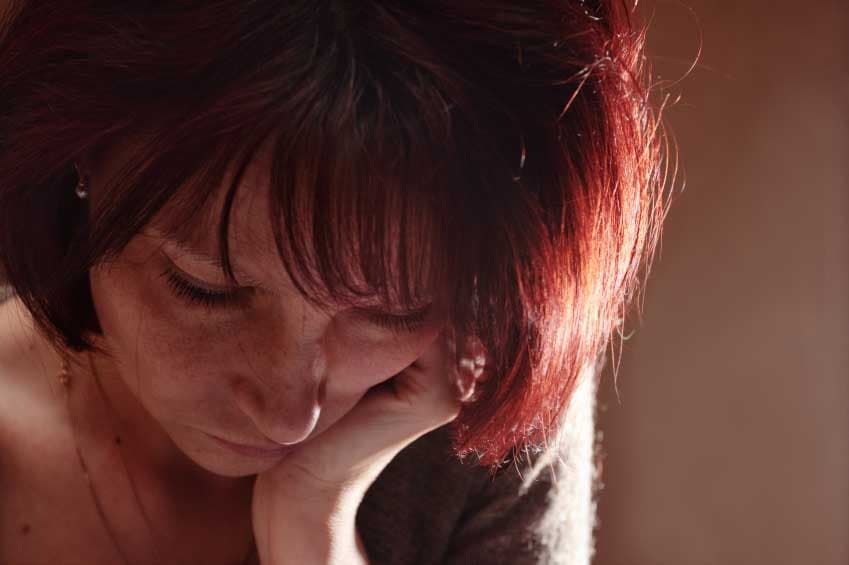
If you’ve lost someone the grief can be overwhelming. Here are a few things you can do that helped me and might help you, too:
- Reach Out: Your first instinct might be to isolate. Being alone beckons to you the way alcohol and drugs once did – by making you feel safe. It’s scary to reach out to other people. Because with human interaction, there’s always that fear: What if they let me down? What if I end up losing them, too? Even though every atom in your body might be screaming ‘Hide! Be alone! Don’t get close to people!’ – fight the urge to isolate during a time of loss. Instead, call or text someone. Share stories and memories of your friend. Go to a meeting. Laugh. Honor your friend’s life by living yours.
- Treat Your Addiction: Going to therapy or a 12-step meeting is probably the last thing you want to do. But in my case, it helped me more than anything. Sharing my grief with others that understood helped me to process my emotions and not bottle them up.
- Treat Yourself: In the wake of a tragedy, it’s easy to get swept up in thinking about other people, you forget to take care of yourself. So, treat yourself. Get a massage. Take a hot bath. Pet a dog. Eat sorbet straight from the carton standing in your kitchen. Whatever makes you feel better. In addition to allowing certain indulgences, make sure to take care of your basic needs. Eat healthy meals. Get enough sleep. Get some exercise. These activities boost serotonin levels in your brain, the “happy chemical,” which at the very least help you get through the day.
- Be of Service: Never underestimate the healing power of helping others. When dealing with loss, if there’s a memorial service close to you, find out how you can help: Get flowers, help visiting relatives find places to stay, organize a photo slideshow. There are also ways to be of service to the community: Volunteer for a service position at a meeting, take a newcomer’s number and give them a call. A beautiful way to honor your loved one is by helping another struggling with addiction.
- Share the Love: It might sound trite, but the best thing to take away from a tragedy is the reminder that life is fleeting and love is the most important thing. Tell people you love them while you can. Be grateful for the people you have in your life and don’t waste the time you have together.
You Are Not Alone
Mental health struggles can feel isolating, but compassionate care is within reach. Browse our comprehensive list of inpatient mental health facilities and residential treatment centers for depression, trauma, anxiety, and more. Healing is possible; find mental health help for yourself or a loved one today.












Our Promise
How Is Recovery.com Different?
We believe everyone deserves access to accurate, unbiased information about mental health and recovery. That's why we have a comprehensive set of treatment providers and don't charge for inclusion. Any center that meets our criteria can list for free. We do not and have never accepted fees for referring someone to a particular center. Providers who advertise with us must be verified by our Research Team and we clearly mark their status as advertisers.
Our goal is to help you choose the best path for your recovery. That begins with information you can trust.