Find Treatment By
Rehabs by Location


Learn
About Us
Recovery.com combines independent research with expert guidance on addiction and mental health treatment. Our mission is to help everyone find the best path to recovery through the most comprehensive, helpful network of treatment providers worldwide.
Advisory Council
Our advisory council brings together leaders in behavioral health, technology, and business. Their diverse expertise ensures our resources and product are innovative, evidence-based, and effective. They guide our mission as accomplished individuals dedicated to improving the landscape of addiction recovery and mental wellness.
Lady Gaga Dishes on Life After an Eating Disorder



Lady Gaga has spoken publicly about struggling with eating disorders and body image beginning in her teenage years. In 2012, she shared that she had experienced both bulimia and anorexia since age 15, and she later said that her relationship with food had improved and that she no longer considered herself to have an eating disorder.1,2
Her experience helped bring greater visibility to eating disorders, body shaming, and the pressure people can face surrounding weight and appearance. It also highlights an important reality: eating disorders can affect people regardless of fame, success, body size, or outward appearance.
If you are concerned about your own relationship with food or someone else's, learning about the types, signs, and treatment of eating disorders can help you understand when professional support may be appropriate.
Lady Gaga's History With Bulimia and Anorexia
Lady Gaga has said publicly that she experienced both anorexia and bulimia beginning during adolescence.1 She has also described periods of struggling with food, weight, exercise, and pressure surrounding her appearance.
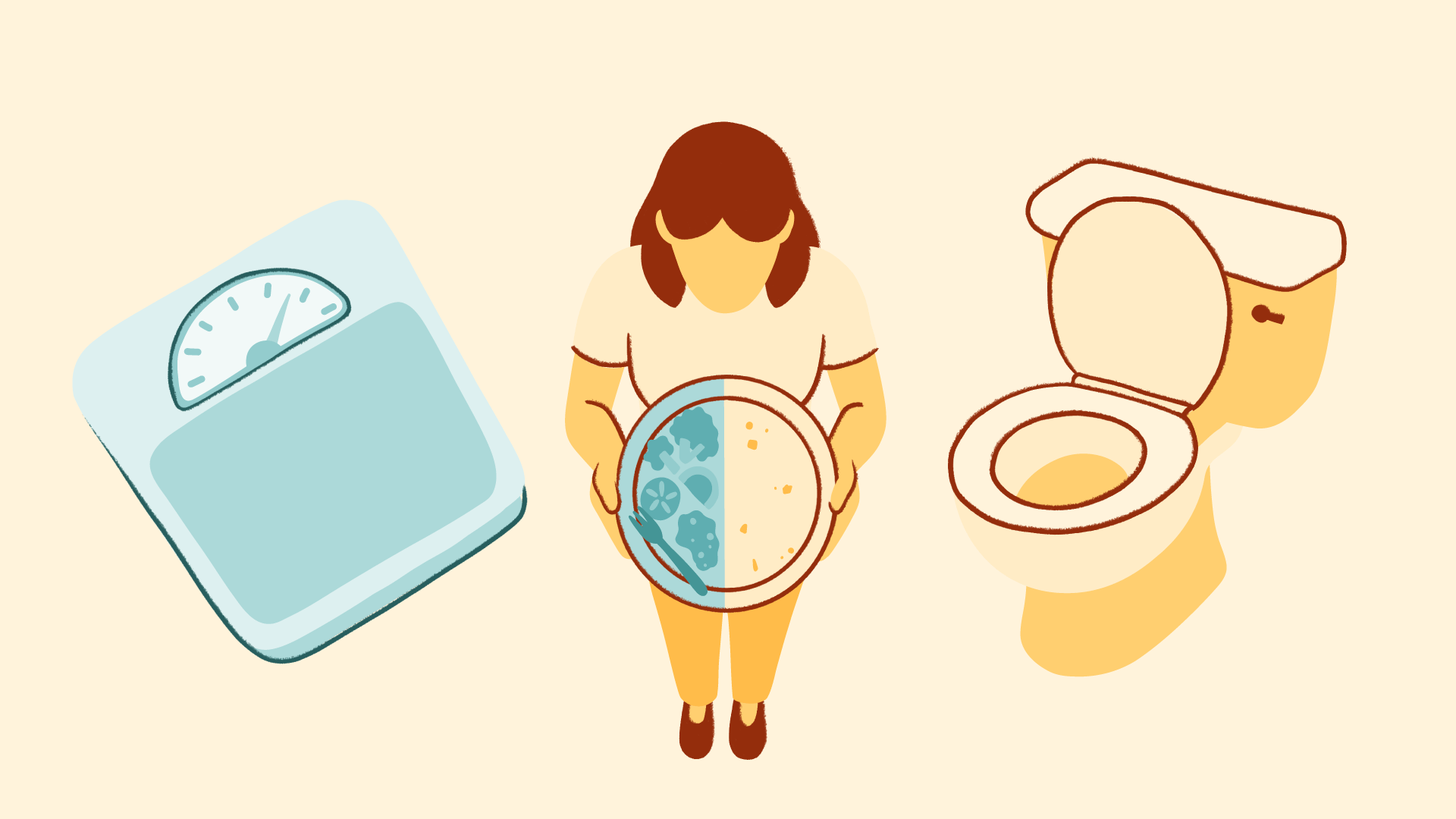
Bulimia nervosa is an eating disorder involving recurrent episodes of binge eating followed by behaviors intended to compensate for the food consumed, such as vomiting, fasting, laxative misuse, or excessive exercise.3 Anorexia nervosa generally involves significant food restriction, intense concerns about weight or weight gain, and disturbances in how a person experiences their body.3
Although the conditions are different, symptoms can overlap, and a person's eating-disorder symptoms may change over time. You can learn more about the differences between anorexia and bulimia and how each condition may affect physical and mental health.
Find The Perfect Treatment For You
Answer a few questions and we'll match you with the best options.
What Are You Struggling With?
What Kind of Care Do You Need?
What Insurance Do You Have?
Body Shaming and Lady Gaga's Body Image
Lady Gaga's body has frequently been scrutinized publicly throughout her career. In 2012, after media coverage focused heavily on changes in her weight, she responded by discussing her history with eating disorders and encouraging her fans to embrace their bodies.1
Public comments about another person's weight may seem harmless, but appearance-focused scrutiny can be especially difficult for people dealing with body dissatisfaction or disordered eating.
Research continues to find an association between appearance-based social comparison, body-image concerns, and eating-disorder symptoms. A 2025 systematic review and meta-analysis involving more than 55,000 participants found that greater online social comparison was associated with increased body-image concerns and eating-disorder symptoms.4
Social media itself does not cause an eating disorder, and not everyone exposed to appearance-focused content will develop one. However, research suggests that the type of content people engage with and the way they compare their appearance with others may influence body dissatisfaction and disordered eating.4
People struggling with these concerns may benefit from learning more about body image therapy and other approaches that address thoughts and behaviors surrounding appearance and self-worth.
Explore Eating Disorders Treatment Centers
What Lady Gaga Has Said About Eating Disorder Recovery
In a 2014 interview, Lady Gaga said her relationship with food had improved and that she no longer considered herself to have an eating disorder.2 Her comments reflected a broader shift in how she described her relationship with her body and with the pressure placed on her appearance.
Eating disorder recovery can look different for every person. It may involve improving eating patterns, addressing thoughts about weight or body shape, treating medical complications, and developing healthier coping strategies.
Treatment can include psychotherapy, nutritional counseling, medical monitoring, and, in some cases, medication or a more intensive level of care.3 People with severe eating disorders may require residential or hospital-based treatment.3
If you're unsure whether your eating patterns qualify as an eating disorder, it may also help to understand the difference between disordered eating and an eating disorder. You do not need to meet every criterion for a specific diagnosis before asking for support.














The Controversy Around Lady Gaga's SXSW Performance
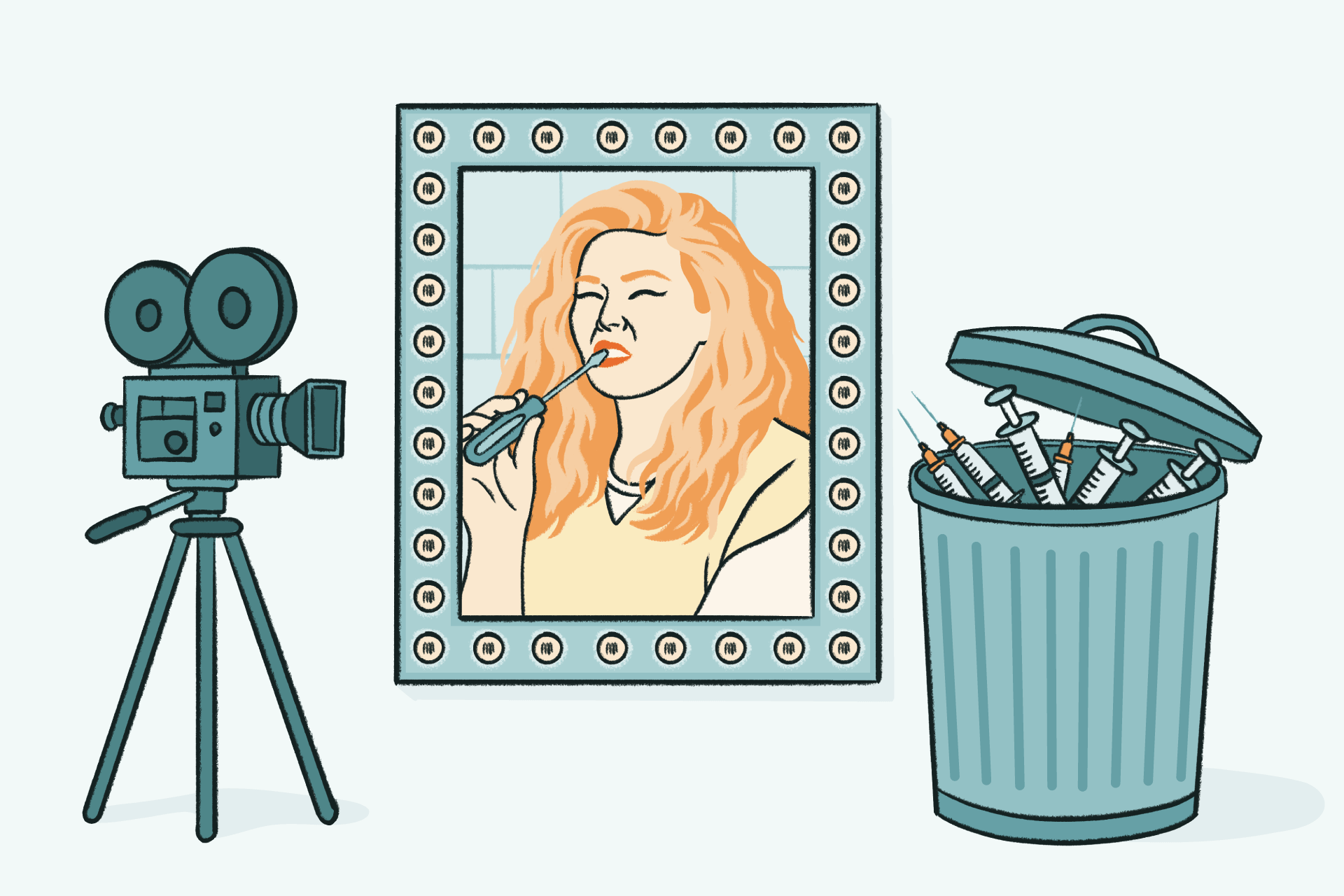
Lady Gaga's history with bulimia also became part of a public conversation following a 2014 performance at SXSW in which performance artist Millie Brown incorporated simulated vomiting into the act.
Some observers, including Demi Lovato, criticized the performance because they felt it could be interpreted as glamorizing bulimia. Gaga responded that the performance was not intended to represent or promote an eating disorder.
The controversy illustrated a larger challenge that remains relevant today: conversations about celebrities, bodies, and eating disorders can sometimes increase awareness, but they can also become triggering or overly focused on appearance.
More recent research reinforces the importance of considering how appearance-focused content may affect people who are vulnerable to body dissatisfaction or eating-disorder symptoms.4
Recognizing Signs of an Eating Disorder
Eating disorders do not always look the way people expect. A person does not need to appear underweight to have a serious eating disorder.
Depending on the condition, signs may include:3
- Restricting food intake or frequently skipping meals.
- Recurrent episodes of binge eating.
- Self-induced vomiting or misuse of laxatives.
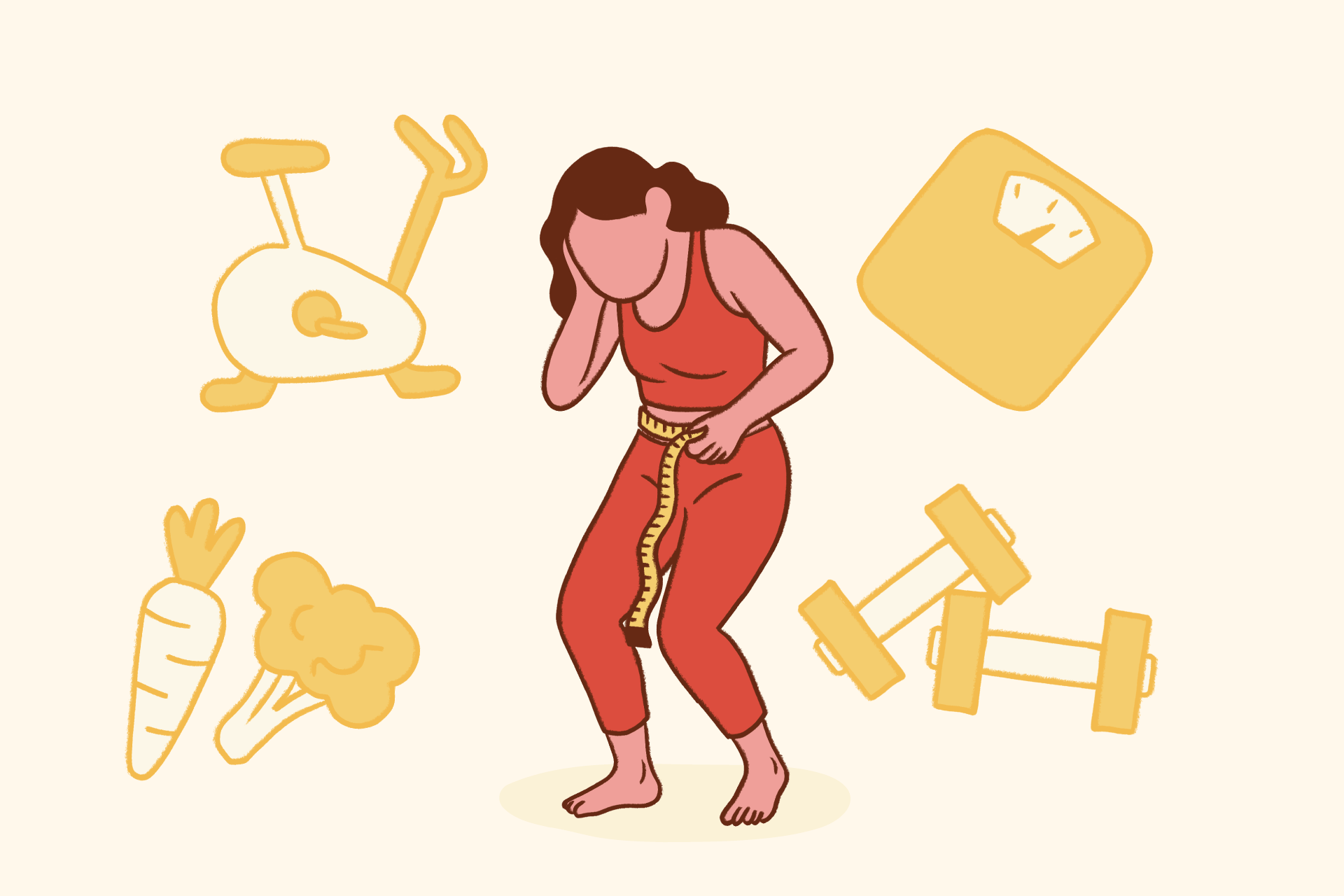
- Excessive or compulsive exercise.
- Frequent dieting or fasting.
- Strong concerns about body weight or shape.
- Feeling shame, guilt, or distress around eating.
- Avoiding social situations involving food.
Eating disorders can affect both physical and mental health, but effective treatment is available.3
If you're concerned about someone close to you, these tips for helping someone with an eating disorder can help you approach the conversation with compassion.
Finding Support for an Eating Disorder
Lady Gaga's eating disorder story is one example of how struggles with food and body image can exist even when someone's life appears successful from the outside.
Eating disorders are treatable, and seeking help early can support recovery.3 Treatment may involve a multidisciplinary team that addresses eating behaviors, mental health, nutrition, and any physical health effects associated with the disorder.
If you or someone you care about is struggling with an eating disorder, you can explore eating disorder treatment centers and compare programs based on location, services, insurance, and the type of care offered.








Our Promise
How Is Recovery.com Different?
We believe everyone deserves access to accurate, unbiased information about mental health and recovery. That's why we have a comprehensive set of treatment providers and don't charge for inclusion. Any center that meets our criteria can list for free. We do not and have never accepted fees for referring someone to a particular center. Providers who advertise with us must be verified by our Research Team and we clearly mark their status as advertisers.
Our goal is to help you choose the best path for your recovery. That begins with information you can trust.