Find Treatment By
Rehabs by Location


Learn
About Us
Recovery.com combines independent research with expert guidance on addiction and mental health treatment. Our mission is to help everyone find the best path to recovery through the most comprehensive, helpful network of treatment providers worldwide.
Advisory Council
Our advisory council brings together leaders in behavioral health, technology, and business. Their diverse expertise ensures our resources and product are innovative, evidence-based, and effective. They guide our mission as accomplished individuals dedicated to improving the landscape of addiction recovery and mental wellness.
Klonopin Addiction: 6 Treatment Options That Support Safe Recovery


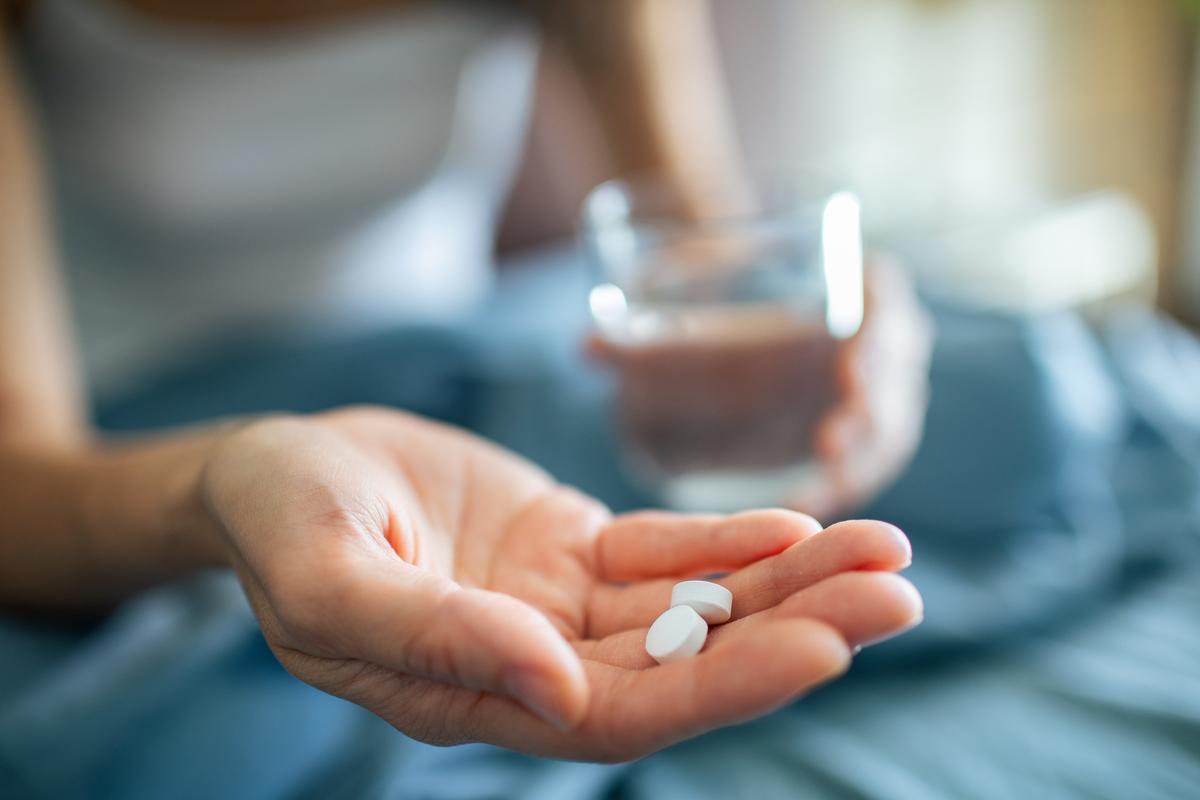
Klonopin can feel like a lifeline when you’re struggling with overwhelming anxiety. In the short term, it can calm panic and quiet racing thoughts, helping you function more comfortably in your daily life. But over time, you might find that it doesn’t work as well as it once did or that you begin to feel unwell when you miss a dose. That’s because your brain and body can adapt to the effects of the medication. With continued use, physical dependence can develop—even when Klonopin is taken exactly as prescribed.
Let's talk honestly about what Klonopin does, how addiction develops, and what real recovery looks like.
What Is Klonopin and How Does It Work?
Klonopin is the brand name for clonazepam, a prescription medication in the benzodiazepine family. Doctors prescribe it to treat panic disorder and certain types of seizures. When used as directed, Klonopin can be an effective treatment, helping many to manage these conditions and improve their quality of life .1
Klonopin is available as oral tablets, with doses ranging from 0.125mg to 2mg. The medication is commonly taken two to three times daily depending on your condition.2 Many people feel the effects of Klonopin within 20 to 60 minutes of taking it. Doctors sometimes choose it over shorter-acting anxiety medications because it provides steadier relief throughout the day with relatively lower risk of rebound symptoms when not taken.3
Find The Perfect Treatment For You
Answer a few questions and we'll match you with the best options.
What Are You Struggling With?
What Kind of Care Do You Need?
What Insurance Do You Have?
How Klonopin Works in Your Brain
Klonopin works by slowing down activity in your central nervous system: the network of nerves in your brain and spinal cord that controls everything from thoughts to movement. It does this by enhancing the effects of an inhibitory neurotransmitter, or brain chemical, called GABA (gamma-aminobutyric acid).3
When GABA activity increases, it slows down racing thoughts, reduces physical tension, and creates a sense of calm. This is why it's so effective for anxiety and panic: It calms overactive brain signals.
The challenge is that your brain can adapt to Klonopin’s effects over time. As the medication continues to enhance GABA activity, your brain can become accustomed to having it on board. It essentially relies on the medication to maintain normal function, and you may begin to feel uncomfortable if you miss a dose or stop taking it altogether. This is called physical dependence, and for some people, it can develop within just a few weeks of regular use.
Ideally, Klonopin is prescribed for short-term use (typically a few weeks to a few months), but many people end up taking it for much longer which increases their risk of dependence.4 With prescribed use of medications like Klonopin, dependence alone is not the same as addiction. However, related effects like tolerance and withdrawal can lead some people to increasingly problematic use—such as taking more than prescribed or taking it for longer periods of time than intended—which may eventually increase addiction risks.
Explore Benzodiazepines Treatment Centers
Can Clonazepam Cause Addiction?
Because of its rewarding or reinforcing effects, clonazepam can lead to misuse and, ultimately, addiction in some people, particularly when use exceeds prescribed guidelines.3 Addiction involves losing control over your use and continuing despite harm to your health, relationships, or daily responsibilities.
It’s important to understand that Klonopin addiction isn't about willpower or personal weakness. Benzodiazepines (also known as benzos) work by calming certain types of brain activity, but also influence the function of your brain’s reward centers. When you use them regularly, your brain activity may change in ways that make continued use of a benzodiazepine like Klonopin difficult to control through willpower alone.5 This is a medical issue that deserves compassionate care.
To learn more about how physical dependence differs from drug addiction, read our article on dependence vs. addiction.














How Does Klonopin Addiction Start?
Many people who develop problems with Klonopin began with a legitimate prescription for panic attacks, anxiety, or seizure disorders. At first, it did exactly what it was supposed to do. Then tolerance develops—your brain adjusts, and the same dose doesn't provide the same relief anymore.
Physical dependence can develop within 2–4 weeks of regular use, though experiences vary from person to person. When dependence builds significantly, missing a dose can trigger uncomfortable withdrawal symptoms like anxiety, shakiness, or insomnia. Taking another dose often may relieve these symptoms temporarily, which can unintentionally reinforce the cycle.
Risk Factors for Klonopin Addiction
Risk factors include:
- A history of substance abuse
- Co-occurring mental health disorders
- Taking higher doses
- Longer use
But anyone taking benzodiazepines regularly can develop dependence—it's simply the nature of how these medications work.
Recognizing Signs of Klonopin Addiction
Knowing what to look for can help you identify when your use of Klonopin has crossed into problematic territory.
Physical Signs
- Drowsiness or sedation during the day
- Trouble with coordination or balance
- Slurred speech
- Memory problems and forgetting conversations
- Confusion or slower thinking
Behavioral Changes
- Visiting multiple doctors to get additional prescriptions
- Running out of medication early
- Being secretive about your Klonopin use or hiding pills
- Social withdrawal and avoiding activities you once enjoyed
- Neglecting responsibilities at work, home, or school
Psychological Signs
- Spending significant time thinking about Klonopin
- Worrying constantly about running out
- Failing repeatedly to cut back or stop
- Continuing use despite relationship problems, job issues, or health concerns
- Overwhelming anxiety about being without it
If someone you love is struggling, you might notice changes such as seeming less engaged or more withdrawn. These shifts can have many causes, including stress or medication side effects.
What Are the Risks of Klonopin Abuse?
Taking Klonopin in ways other than prescribed creates serious health risks. This can look like taking higher doses, taking it more often than advised by your doctor, or combining it with other substances.
Immediate Dangers
Short-term risks include:
- Severe drowsiness that impairs driving and operating machinery
- Falls and accidents due to poor coordination
- Impaired judgment and decision-making
- Memory blackouts lasting hours or days
- Respiratory depression, particularly in combination with opioids
- Overdose, especially when Klonopin is combined with alcohol, opioids, or other sedatives, which significantly increases the risk
OVERDOSE WARNING
Call 911 immediately if you notice these signs:
- Extreme drowsiness or loss of consciousness
- Slow or difficult breathing
- Dangerously slow heart rate
- Confusion or unresponsiveness
- Blue-tinged lips or fingernails
Klonopin overdose is a medical emergency. Don't wait—call for help right away.
Long-Term Health Impact
How chronic abuse affects your brain and body:
- Concentration difficulties and lapses in memory
- Depression and emotional numbness
- Increased risk of polysubstance use, which can raise the chances of more severe dependence and greatly increase the risk of overdose
What Are the Withdrawal Symptoms of Klonopin?
Withdrawal typically unfolds in stages as your body adjusts.
Early Symptoms (Days 1-3)
- Rebound anxiety that’s worse than before starting medication6
- Severe insomnia
- Sweating and rapid heartbeat
- Trembling hands
- Muscle aches and headaches
- Intense restlessness
Peak Withdrawal (Days 5-14)
- Overwhelming anxiety and panic attacks
- Nausea, vomiting, and loss of appetite
- Sensory disturbances (lights too bright, sounds too loud)
- Flu-like symptoms with chills and body aches
- Mood swings and irritability
- Difficulty concentrating
Get medical attention immediately if you or someone you know experiences:
- Seizures (more common after long-term use or when stopping high doses)
- Hallucinations
- Severe confusion or delirium
These are signs of dangerous withdrawal complications. Don’t wait—seek emergency medical care right away.
If you're considering stopping Klonopin, talk to a healthcare provider first to create a safe tapering plan.
Protracted or Post-Acute Withdrawal (Weeks to Months)
- Lingering anxiety and depression
- Sleep disturbances
- Difficulty feeling pleasure
During this time, your brain gradually adjusts to functioning without the support of the medication. As your body’s natural balance is restored, withdrawal symptoms will begin to resolve over time. Medically supervised withdrawal can implement a gradual medication tapering to significantly reduce symptom severity, and allows for medical intervention should withdrawal complications be severe or life-threatening
Klonopin withdrawal can be uncomfortable and, for some people, medically risky. Never stop taking Klonopin suddenly without medical supervision.
Treatment and Recovery Options
Recovery from Klonopin addiction involves several levels of care designed to support you through different stages of healing.
1.) Medical Detox and Tapering
Because stopping Klonopin suddenly can cause seizures, it’s important to undergo detoxification with professional support. You'll work with healthcare providers to gradually reduce your dose over weeks or months. This customized tapering schedule is based on your usage level and how your body responds. Addiction-specialized doctors and nurses monitor your vital signs and adjust the taper if needed.7
2.) Medication-Assisted Treatment
Your care team may recommend medications to manage specific withdrawal symptoms like anxiety, insomnia, or seizure risk. Some people benefit from switching to a longer-acting benzodiazepine for the taper. Your medical team will work with you to determine the right approach based on your dosage history, how long you've been taking Klonopin, and how your body responds.
3.) Inpatient Rehabilitation
Inpatient care provides 24/7 medical support in a residential setting. This option works well if you've been taking higher doses, if you're dealing with anxiety or depression alongside addiction, or if you need a safe space away from daily stressors to focus fully on recovery. You'll participate in therapy, learn coping skills, and build a foundation for long-term healing.
Sample Daily Schedule in Inpatient Rehab
7:00 a.m. Wake up, morning vitals check
7:30 a.m. Breakfast
8:30 a.m. Morning meditation or mindfulness practice
9:00 a.m. Group therapy session
10:30 a.m. Individual counseling
12:00 p.m. Lunch
1:00 p.m. Educational workshop (addiction science, coping skills, relapse prevention)
2:30 p.m. Recreational therapy (art, music, exercise)
4:00 p.m. Process group or 12-Step meeting
5:30 p.m. Dinner
6:30 p.m. Free time for journaling, reading, or socializing
7:30 p.m. Evening group or skills practice
9:00 p.m. Wind-down activities
10:00 p.m. Lights out
4.) Intensive Outpatient Rehab
Intensive outpatient programs (IOPs) let you benefit from a structured treatment program while living at home. You'll typically attend sessions 3–5 days a week for several hours each day. During these sessions, you'll participate in group therapy, individual counseling, skills training, and educational workshops about managing anxiety and cravings. IOPs give you professional support and accountability while you practice your new coping skills in real-world settings.
5.) Outpatient Therapy
In individual counseling, you’ll meet one-on-one with a therapist to explore what led to your Klonopin use and learn more effective coping strategies for dealing with anxiety and stress. You'll work with approaches such as cognitive behavioral therapy (CBT), which helps you notice and correct unhelpful thought patterns, or dialectical behavior therapy (DBT), which teaches specific skills for managing intense emotions, or others depending on your personalized treatment plan.
These sessions help you work through underlying causes of addiction and build your toolkit of techniques for handling cravings and triggers.
6.) Support Groups
Groups like SMART Recovery, Refuge Recovery, 12-Step groups, or other local support groups offer free, ongoing peer support where you meet regularly with others in recovery. In these meetings, you'll share your wins and struggles, learn from people who've been where you are, and get encouragement during difficult moments. Many people find that connecting with others who truly understand makes all the difference in staying motivated for the long haul.
What to Expect in Recovery
Recovery is a process. Having an idea of what lies ahead can help you feel more prepared and less anxious about the journey.
Early Recovery
The first stage of recovery focuses on safely tapering off Klonopin and managing addiction and withdrawal symptoms. You'll work with healthcare providers who monitor your progress and adjust your plan as needed.
This is also when you'll start therapy to understand why you turned to Klonopin as a coping strategy in the first place and learn more effective ways of managing emotions. You might feel emotionally raw as the anxiety that was covered up by medication returns.8 That's normal. Your brain is relearning how to calm itself naturally, and that takes time.
Long-Term Recovery
Over time, you'll notice gradual improvements. Sleep quality improves. Memory returns and thinking gets clearer. The compulsive urge to take Klonopin dies down, though you may still experience cravings from time to time.
Many people wonder whether they'll be able to manage anxiety without anti-anxiety medication. The answer is yes, though it requires you to learn and practice new skills and strategies. Through evidence-based therapy and recovery-focused activities, you’ll grow your capacity to deal with challenges when they arise. This resilience helps you not just in recovery, but throughout life.
Success Is Possible
Studies show that people who receive comprehensive treatment and engage in ongoing support have significantly better outcomes.9 Countless people have rebuilt meaningful, joyful lives after benzodiazepine addiction. And with the right support, you can too.
Recovery isn’t about returning to a past version of yourself—it’s about growing into the person you want to become.
Your Next Steps for Finding Help
If you're ready to explore treatment for yourself or a loved one, reach out to a treatment center specializing in benzodiazepine addiction. Many offer free consultations to discuss your situation and recommend the right care. Support is just a call away—and it could be the most important one you'll make.
FAQs
Klonopin has a half-life of 30–40 hours, meaning it takes that long for half the drug to leave your body.3 It can be detected in urine for up to 4 weeks, in blood for several days, and in hair for up to 90 days.10
Yes, in rare cases. Seizures are the most dangerous complication and can be life-threatening.3 That’s why medical supervision during withdrawal is absolutely essential. Never attempt to quit Klonopin cold turkey on your own.
No. Even if you've only been taking it for a few weeks, stopping suddenly can trigger serious withdrawal symptoms including seizures. Always work with a healthcare provider to develop a safe tapering plan.
Acute withdrawal symptoms typically last 2–4 weeks, but the timeline varies based on dosage and duration of use. Post-acute withdrawal symptoms like anxiety and sleep problems can persist for several months as your brain heals.
Both carry significant addiction potential. Xanax is short-acting (12–15 hours) and may have relatively more rewarding/reinforcing effects, while Klonopin is long-acting (30–40 hours) and associated with potentially fewer rebound effects .11 Neither medication is typically recommended for long-term use due to dependence risks, and misuse of either can be dangerous. If you're concerned about your use of either medication, talk with a healthcare provider.
Our Promise
How Is Recovery.com Different?
We believe everyone deserves access to accurate, unbiased information about mental health and recovery. That's why we have a comprehensive set of treatment providers and don't charge for inclusion. Any center that meets our criteria can list for free. We do not and have never accepted fees for referring someone to a particular center. Providers who advertise with us must be verified by our Research Team and we clearly mark their status as advertisers.
Our goal is to help you choose the best path for your recovery. That begins with information you can trust.