Find Treatment By
Rehabs by Location


Learn
About Us
Recovery.com combines independent research with expert guidance on addiction and mental health treatment. Our mission is to help everyone find the best path to recovery through the most comprehensive, helpful network of treatment providers worldwide.
Advisory Council
Our advisory council brings together leaders in behavioral health, technology, and business. Their diverse expertise ensures our resources and product are innovative, evidence-based, and effective. They guide our mission as accomplished individuals dedicated to improving the landscape of addiction recovery and mental wellness.
How Do I Stop Being Codependent? 5 Expert-Backed Steps to Transform Your Relationships


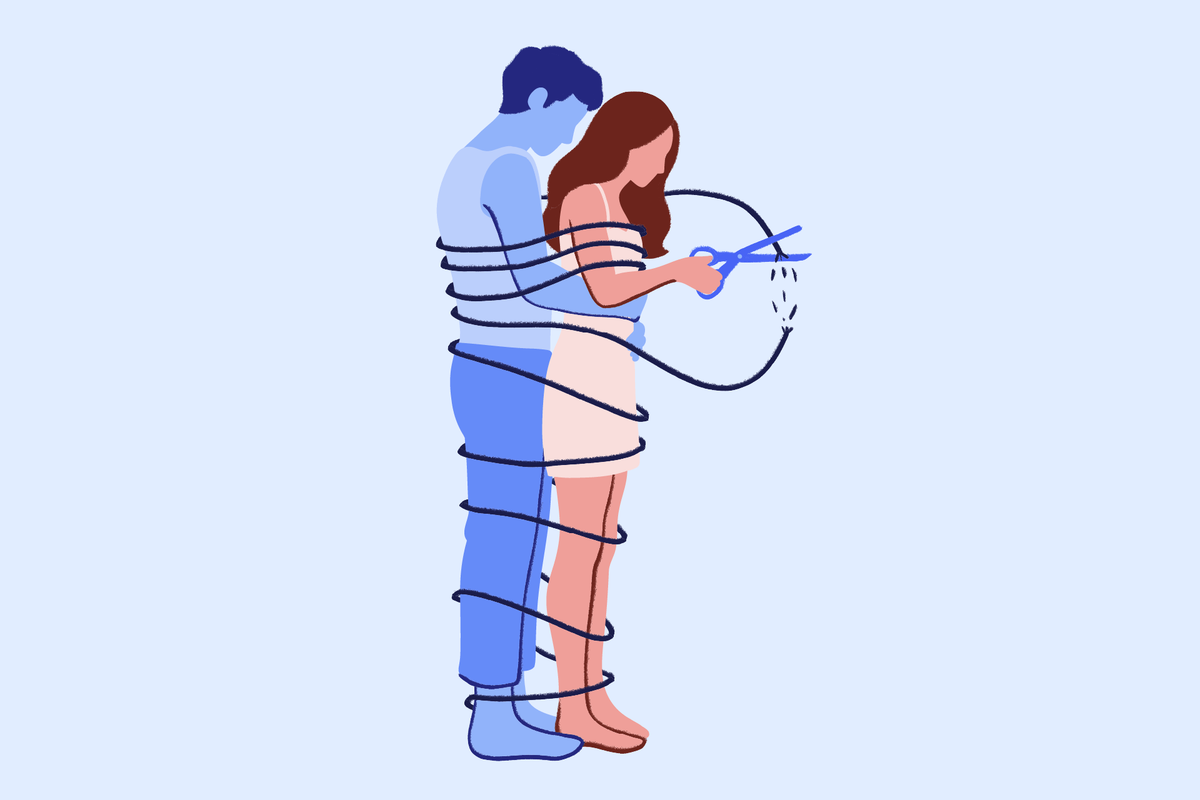
Do you find yourself constantly putting others’ needs before your own? Are you the person everyone relies on, even when it drains your energy and emotional resources? You might be experiencing codependency—a pattern where your own sense of purpose and self-worth become tangled up in another person’s life and problems.
Codependent relationships create strong emotional patterns. “Helping” people can become almost addictive, even though it leaves you feeling empty and exhausted in the long run. Breaking free from these patterns takes time. But with consistent effort, you can build a healthier relationship with yourself and others.
Below are 5 key steps you can start taking now.
Explore Codependency Treatment Centers
1. Recognize Your Codependent Patterns
The first step toward change is becoming aware of your codependent behaviors.1 Start paying attention to situations where you feel responsible for others’ emotions or problems. Notice when you automatically put someone else’s needs before your own or when you feel anxious about setting boundaries.
Try keeping a journal to track moments when you feel resentful, exhausted, or unappreciated. Look for the situations or relationships that typically trigger these feelings. You can ask yourself questions like: “Am I doing this because I want to, or because I’m afraid of the consequences if I don’t?” You can even use journal prompts for codependency to help.
Pro tip: Keep in mind that awareness doesn’t mean judgment. These patterns developed for a reason—often as ways to cope with difficult situations. Observing them with curiosity rather than criticism will help you make lasting changes.

What Is Codependency?
Codependency is not officially recognized as a mental illness, but it is taken seriously by mental health professionals, who define it as “an unhealthy devotion to a relationship at the cost of one’s personal and psychological needs.”2 It describes a relational pattern where you become so focused on the problems and needs of others that you neglect your own well-being. It’s more than just caring deeply—it’s when your emotional state, identity, and sense of purpose become excessively wrapped up in someone else’s life.
Codependency in Romantic Relationships
In romantic relationships, codependency can look like constantly sacrificing your own preferences, walking on eggshells to avoid conflict, or feeling responsible for your partner’s happiness. You might stay in unhealthy situations because you believe your love can “fix” the other person.
Codependency in Family Systems
Within families, codependency often appears as enmeshment—where boundaries between family members become blurred. You might feel obligated to solve everyone’s problems, shield relatives from consequences, or struggle to make decisions without family approval. This is often the case when one family member is struggling with substance abuse.3
Codependency in Friendships
In friendships, codependent behaviors include being the perpetual advice-giver or emotional support while rarely asking for help yourself. You might maintain one-sided friendships because you feel needed, even when these relationships drain you.

2. Work on Building Self-Esteem
Codependency and low self-esteem usually go hand in hand. When you don’t value yourself, you might look for validation through helping others or staying in unhealthy relationships.
You feel good about yourself mainly when you’re helping others or when people need you. Instead of feeling relieved when a loved one says they don’t need your help, you feel hurt or like you don’t matter anymore.
Start building your self-worth by practicing self-compassion.4 Talk to yourself the way you would talk to a good friend—with kindness and understanding. Make a list of your positive qualities that have nothing to do with what you do for others.
Small acts of self-care also build self-esteem. When you treat yourself with respect—by keeping promises to yourself, taking time for activities you enjoy, or meeting your physical needs—you send yourself the message that you matter.
Pro tip: Daily affirmations can help you shift away from negative self-talk and toward a more positive sense of self. Simple statements like “I’m worthy of love and respect” or “My needs matter” can start to shift your perspective when you say them regularly.
3. Set and Enforce Healthy Boundaries
Boundaries allow you to create rules or set limits that define where your responsibilities end and another person’s begin. They protect your emotional well-being while allowing you to support others in healthy ways.
Setting boundaries can be uncomfortable at first, especially when you’re not used to it. As you do so, keep in mind that boundaries are for you, says boundary expert Nedra Glover Tawwab, LCSW:
“Changing your behavior and not forcing others to change can be a significant part of setting boundaries…It would be nice if everyone automatically knew how to respect our boundaries. We often have to communicate them clearly and enforce consequences when they are not respected. So, when someone crosses one of my boundaries, I will take action to protect myself and my needs.”5
Be clear and direct when communicating boundaries. Use “I” statements that focus on your needs rather than accusing the other person. For example, “I need some alone time to recharge” works better than “You’re demanding too much of my time.”
Prepare yourself for pushback. Some people in your life may resist your new boundaries because they benefit from your codependent behaviors. Remember that their reaction isn’t your responsibility, and temporary discomfort is part of creating lasting change.
Consistency is key. When you set a boundary, follow through with it. Each time you maintain a healthy boundary, even when it’s difficult, you’re building new patterns that will eventually replace codependent ones.
4. Learn to Prioritize Your Needs
For many people with codependent tendencies, identifying their own needs can feel foreign. Get in the habit of asking yourself: “What do I want right now?” or “What would feel good to me in this situation?”
Practice making decisions based on your preferences. Start with small choices like what to eat for lunch or what movie to watch, then work up to bigger decisions.
Prepare phrases for when you need to put yourself first. Simple statements like “I need to take care of myself right now” or “I’ll need to check my schedule before committing” give you space to consider your own needs.
Pro tip: Remember that prioritizing your needs isn’t selfish—it’s necessary for your well-being and actually leads to healthier relationships. When you’re not depleted from ignoring your own needs, you have more genuine energy to share with others.
Codependency vs. Interdependence
Unlike healthy independence—where two people mutually rely on each other while maintaining individual identities—codependency creates an imbalance. Healthy relationships involve give-and-take, with both people supporting each other while respecting boundaries. Both parties feel free to express needs, disagree respectfully, and maintain outside interests and relationships.
The key distinction here is that interdependence strengthens both individuals, while codependency tends to diminish at least one person’s wellness and autonomy over time.
Signs of Codependency
Spotting codependent patterns6 in your life is the first big step toward making real change. Everyone’s experience with codependency looks a bit different, but here are some common signs you might recognize in yourself:
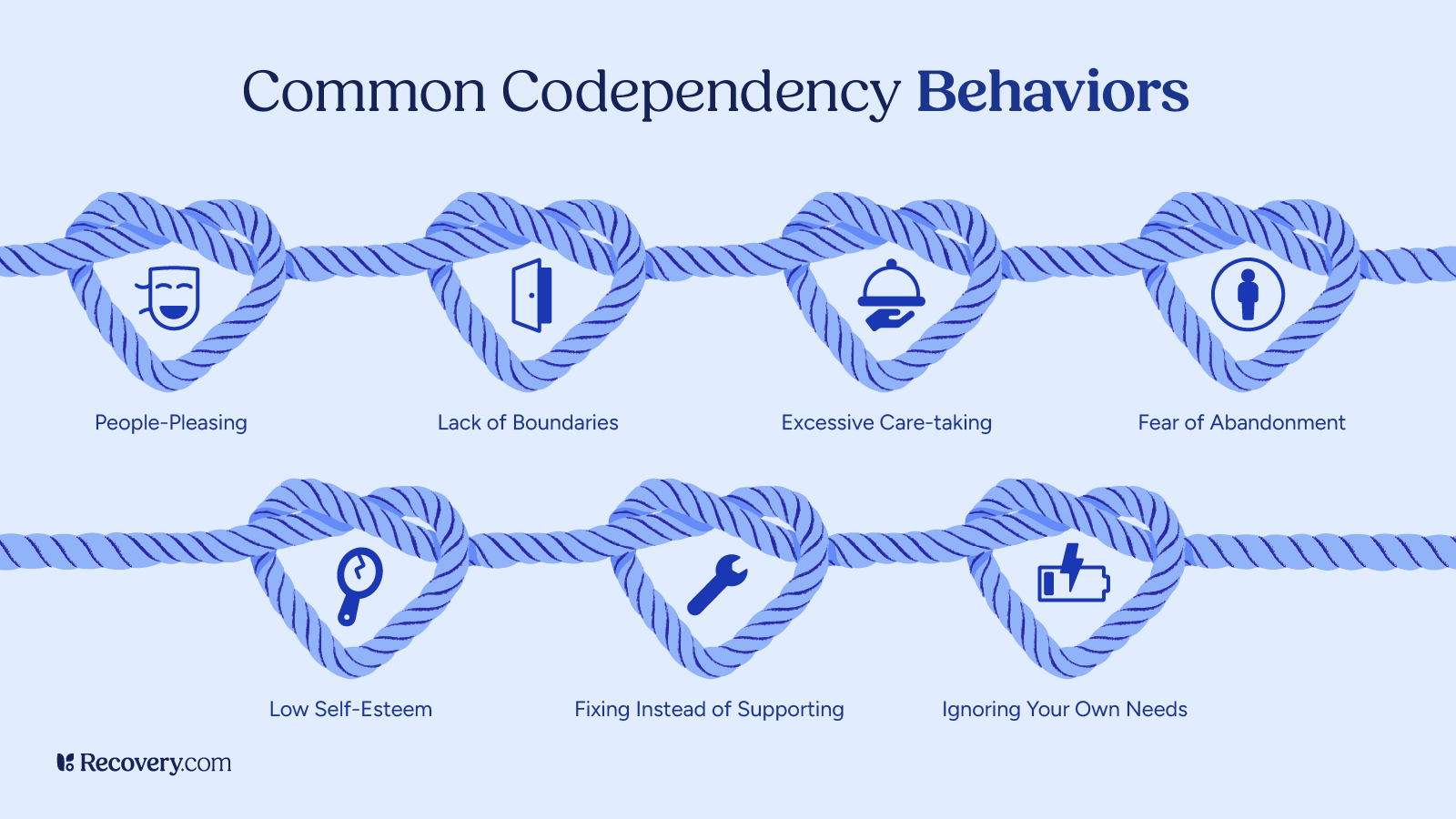
Excessive Caretaking
You almost always put other people’s needs ahead of your own, even when it hurts you. For example, you might stay up all night helping a friend with their project even though you have an important meeting tomorrow, cook fancy meals for your family while you just eat whatever’s left over, or say “yes” to additional tasks when you already feel overburdened.
Difficulty Setting Boundaries
You find it really hard to say “no” when people ask you for favors or your time. You may cancel plans you were looking forward to because a coworker asked for help at the last minute, or you let family members call you during your workday for things that aren’t emergencies.
People-Pleasing Tendencies
You make decisions based on what will make others happy, not what’s best for you. You might agree with someone’s opinion even when you actually think differently, just to avoid any conflict. Or you might take on extra tasks because you’re scared of letting someone down.

Fear of Abandonment
A codependent person will often work extra hard to keep relationships going because they’re scared people will leave them. This could mean putting up with someone treating you badly or staying in relationships that don’t make you happy because the idea of being alone feels too scary to face.
Controlling Behaviors
In an attempt to be helpful, you try to control situations or people out of anxiety. This can look like constantly offering unsolicited advice or getting frustrated when someone doesn’t follow your suggestions about how to handle their problems.
Difficulty Identifying Your Own Feelings
You’re tuned into others’ emotions but disconnected from your own. You might be able to sense when your partner is upset before they even realize it but struggle to answer when someone asks how you’re feeling.
Unhealthy Attachment to Drama or Crisis
You feel most purposeful when solving problems and might even unconsciously create or seek out chaotic situations where you can play the rescuer. When times are crisis-free, you may feel anxious, uncertain, or uncomfortable.
5. Seek Support and Professional Help
Overcoming codependency is challenging work, and you don’t have to do it alone. Professional support can make a huge difference in your healing journey.
Therapy, especially with someone who specializes in codependency, family systems, or trauma, can help you understand the roots of your codependent patterns and develop strategies to change them. Cognitive-behavioral therapy (CBT) and dialectical behavior therapy (DBT) are particularly effective approaches for addressing codependency.
Support groups like Codependents Anonymous (CoDA) offer connection with others facing similar challenges.6 Spending time around others who share your experiences can reduce shame and provide insights for your recovery.
Self-help books about codependency, boundaries, and self-esteem can supplement other forms of support. Look for resources by recognized mental health professionals that offer practical exercises alongside information.
Pro tip: Codependent No More and its accompanying workbook by codependency expert Melody Beattie are classics on the topic, and a great place to start.2 There are also treatment resources available.
Life Beyond Codependency
Breaking free from codependent patterns opens the door to relationships where you can truly be yourself. Working with a professional can accelerate your progress, giving you tools that fit your specific situation and background. Whether you choose one-on-one therapy or a structured program, having expert support gives you the guidance and follow-through that helps make real, lasting change possible.
Discover a Path to Healing
From intensive individual therapy programs to 24/7 structured support, the right solution is out there. Explore options for wellness-focused mental health treatment, trauma treatment centers, and more to find a safe space to heal. Find a mental health facility today and begin your journey toward stability and peace.
FAQs
A: Yes, codependency is a learned behavior that can be unlearned with self-awareness, therapy, and personal growth. Addressing underlying self-esteem issues, setting boundaries, and seeking support are key steps toward breaking free from codependency.
A: Breaking the cycle of codependency involves recognizing unhealthy relationship patterns, developing self-worth, and learning to set and maintain boundaries. Some people experience success with the 12-Step recovery process recommended by Codependents Anonymous, while therapy and support groups can also be helpful in fostering independence and healthier relationships.
A: Codependency often stems from childhood experiences, such as growing up in an environment where emotional needs were not met or where a caregiver had addiction or mental health struggles. Other triggers include fear of abandonment, low self-esteem, and seeking validation through others
A: Healing from codependency involves building self-esteem, practicing self-care, and learning healthy communication. Cognitive behavioral interventions can support the development of healthier thought patterns and coping strategies.
A: Preventing codependency starts with self-awareness and setting clear boundaries. Maintaining individual interests, fostering self-worth, and communicating openly with partners or loved ones supports the establishment of interdependent, rather than codependent, relationships.
A: A codependent person may feel anxious, responsible for others’ happiness, or emotionally drained. They often struggle with low self-esteem and fear abandonment, leading them to prioritize others’ needs over their own.
A: Signs of codependency in a loved one may include excessive caretaking, difficulty setting boundaries, fear of being alone, and reliance on others for self-worth. Codependency can occur in romantic relationships, friendships, or family dynamics.
A: Codependent tendencies often develop from early childhood experiences, such as growing up in a family where emotional neglect, addiction, or controlling behaviors were present. Research indicates that past trauma and adverse childhood experiences significantly contribute to codependency.
A: Overcoming codependency requires self-awareness, boundary-setting, and shifting focus to personal well-being. Therapy, support groups, and mindfulness practices have been found to be effective in fostering emotional independence.
A: Narcissistic traits include a lack of empathy, an inflated sense of self-importance, manipulation, and a need for excessive admiration. Codependents often find themselves in relationships with narcissistic individuals due to their caretaking tendencies.
A: Steps to stop being codependent include recognizing unhealthy patterns, building self-esteem, practicing self-care, and seeking therapy or support groups. Developing hobbies and interests outside of relationships can also help foster independence.
A: Effective strategies to stop being codependent include therapy (such as cognitive-behavioral therapy), practicing mindfulness, learning assertiveness skills, and setting firm boundaries. Research suggests that increasing self-awareness and engaging in self-affirmation exercises can aid in breaking codependent habits.



















Our Promise
How Is Recovery.com Different?
We believe everyone deserves access to accurate, unbiased information about mental health and recovery. That's why we have a comprehensive set of treatment providers and don't charge for inclusion. Any center that meets our criteria can list for free. We do not and have never accepted fees for referring someone to a particular center. Providers who advertise with us must be verified by our Research Team and we clearly mark their status as advertisers.
Our goal is to help you choose the best path for your recovery. That begins with information you can trust.