Find Treatment By
Rehabs by Location


Learn
About Us
Recovery.com combines independent research with expert guidance on addiction and mental health treatment. Our mission is to help everyone find the best path to recovery through the most comprehensive, helpful network of treatment providers worldwide.
Advisory Council
Our advisory council brings together leaders in behavioral health, technology, and business. Their diverse expertise ensures our resources and product are innovative, evidence-based, and effective. They guide our mission as accomplished individuals dedicated to improving the landscape of addiction recovery and mental wellness.
Dating Someone in Recovery: Common Challenges and 4 Ways to Build a Healthy Relationship



Dating someone in recovery can be one of the most meaningful relationships you'll ever have. People who have done the hard work of facing their addiction often bring real self-awareness, depth, and commitment to their relationships. At the same time, recovery is an ongoing process—and that comes with unique challenges that are worth understanding before you get in too deep.
Here’s what you need to know about what recovery actually looks like, what to expect in a relationship, how to show up for your partner, and how to take care of yourself along the way.
What Recovery Actually Looks Like
Recovery is more than just not using substances. It's an ongoing process of healing: From the addiction itself, from the underlying causes that drove it, and from the ways it affected someone's sense of self and relationships. For most people, it involves therapy, support groups, lifestyle changes, and a lot of ongoing self-reflection. It's one of the hardest things a person can do, and it doesn't have a finish line.
What this means for a relationship is that your partner is likely doing significant inner work—and that work can affect how they show up day to day. They may be processing past trauma, developing new coping skills, or working through emotions they previously numbed with substances. Understanding this context doesn't mean making excuses for harmful behavior, but it does help explain why recovery can make relationships feel more complex than usual.
Early recovery (generally considered the first year of sobriety) is an especially vulnerable time. Many addiction specialists advise against starting new relationships during this period, because the emotional and psychological demands of early recovery can make it difficult to invest fully in a new relationship at the same time.1 If you're dating someone in early recovery, it's worth having an honest conversation about where they are in their journey and what they need right now.
Find The Perfect Treatment For You
Answer a few questions and we'll match you with the best options.
What Are You Struggling With?
What Kind of Care Do You Need?
What Insurance Do You Have?
Should You Date Someone in Recovery?
There's no universal answer to this question—it depends on the person, where they are in their recovery, and what you're both looking for. Recovery doesn't make someone undatable. Many people in recovery are in healthy, committed, fulfilling relationships. But it does add a layer of complexity that's worth being honest with yourself about before moving forward.
Some questions worth considering:
- Are you going into this with a clear understanding of what recovery involves?
- Are you prepared for the possibility of difficult periods, including relapse?
- Do you have your own support system in place?
None of these are reasons to walk away, but they're worth thinking through. Going in with realistic expectations is the kindest thing you can do for both of you.
Explore Couples Counseling Treatment Centers
How Long Should Someone Be Sober Before Dating?
The most commonly cited guideline is one year of sobriety before entering a new relationship.2 The reasoning is straightforward: Early recovery requires a level of focus and emotional energy that can be hard to sustain alongside the demands of a new relationship. It's also a time when people are still learning who they are without substances, which makes it difficult to show up fully for someone else.
That said, this is a guideline, not a rule—and it doesn't apply the same way to everyone. Someone with several years of sobriety who has done significant therapeutic work is in a very different place than someone who recently completed their first treatment program. What matters most is honesty about where your partner is in their recovery, and whether the timing works for both of you.
When one partner is significantly further along in recovery than the other, the dynamic can become complicated in ways that aren't always obvious. Our article on 13th stepping explores why.














Can a Sober Person Date a Non-Sober Person?
Yes, but it requires honest conversation and thoughtful consideration on both sides.
For someone in recovery, being around alcohol or other substances can be a genuine trigger, depending on where they are in their journey and what they're in recovery from. That doesn't mean their partner can never drink, but it does mean both people need to talk openly about what feels safe and sustainable.
Practically, this might mean avoiding certain social situations, being mindful about keeping substances in a shared home, or checking in before events where alcohol will be present. These aren't unreasonable accommodations, but they do require a partner who takes the conversation seriously. If you're not sober yourself, the key question is whether you're willing to be flexible and communicative about how your choices might affect your partner's recovery.
What to Expect: Common Challenges When Dating Someone in Recovery
Every relationship has its challenges. Here are some of the ones that come up most often when dating someone in recovery.
Emotional Intensity
Recovery involves processing difficult emotions that substances may have previously masked.3 Your partner may experience mood swings, moments of grief, or unexpected emotional reactions as part of their healing process. This isn't a reflection of how they feel about you, it's part of the work.

Triggers and Relapse Concerns
Triggers can be environmental, emotional, or social, and they're not always predictable. A song, a place, or a stressful situation can unexpectedly activate cravings. Learning your partner's triggers and being thoughtful about them is part of being a supportive partner. Signs that relapse may be a concern include:4
- Sudden behavioral changes
- Secrecy
- Social withdrawal
- Mood swings
If you notice these signs, address them with compassion and encourage your partner to reach out to their support network or treatment provider.
Trust and Communication
Addiction often involves secrecy and broken trust, both of which can take time to heal.5 Your partner may carry shame about their past, and you may find yourself navigating your own fears about whether you can rely on them. Honest, non-judgmental communication is the foundation here. Creating space for your partner to be open about their struggles without fear of criticism makes a significant difference.
Codependency
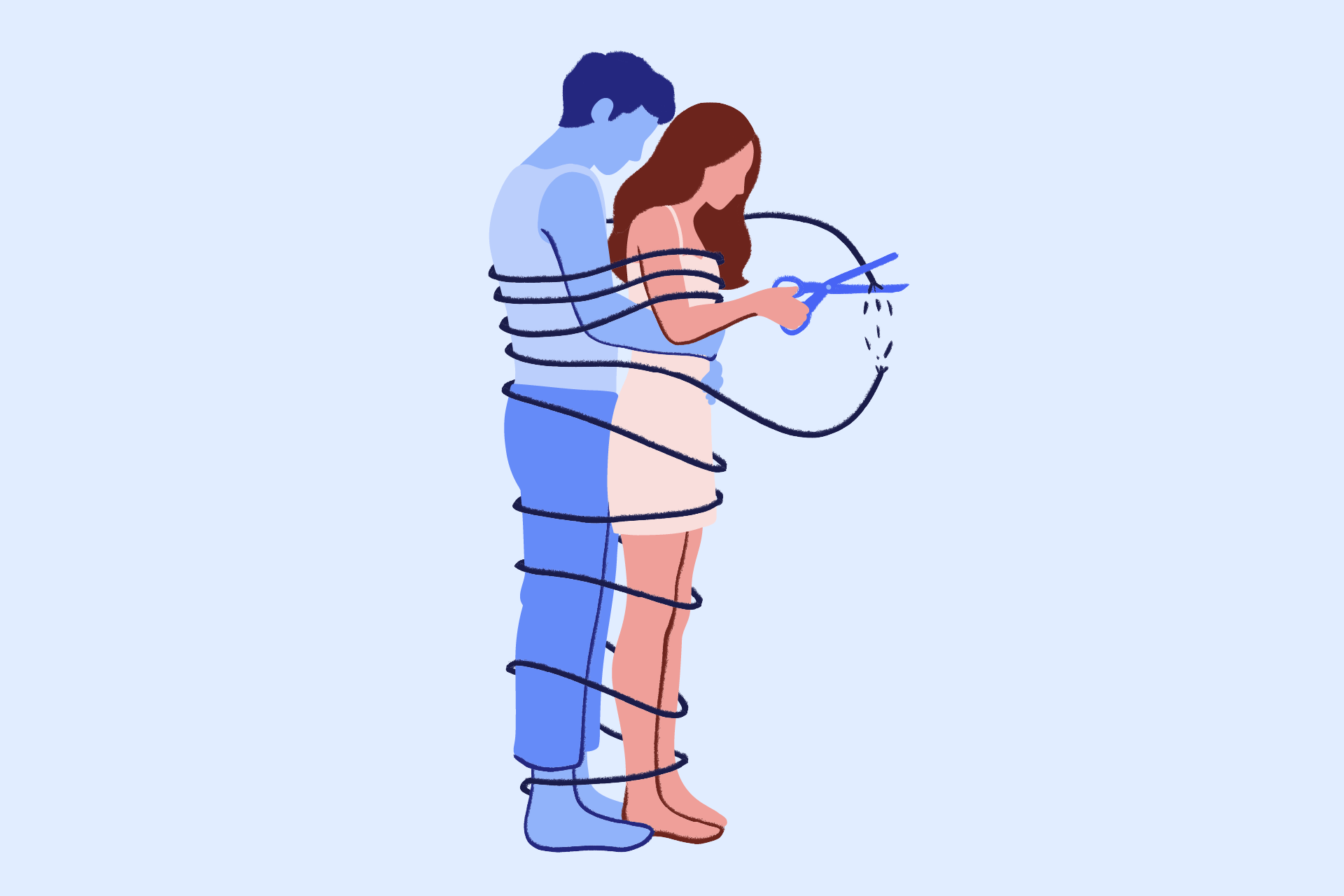
It's easy for the dynamic in a relationship with someone in recovery to shift toward caretaking. While support is healthy, taking on responsibility for your partner's recovery isn't, and it can create an unhealthy dynamic for both of you. Your partner’s recovery belongs to them. Your role is to be supportive, not to manage the process.
If you're finding yourself taking on more and more responsibility for your partner's recovery, our article on codependency and addiction can help you recognize the signs and find a healthier balance.
How to Support a Partner in Recovery
Supporting a partner in recovery means showing up consistently without taking over. Here's what that can look like in practice:
1.) Learn About Addiction and Recovery
Understanding what your partner is going through, including how addiction works, what treatment involves, and what triggers look like, makes you a more informed and empathetic partner. It also helps you avoid unintentional missteps.
2.) Know the Difference Between Support and Enabling
Support means being present, encouraging healthy choices, and helping your partner access professional help when they need it. Enabling means covering for their behavior, minimizing problems, or absorbing consequences in ways that delay them getting the help they need. The line isn't always obvious, but it's worth paying attention to.
Knowing where that line is isn't always intuitive. Our article on helping vs. enabling can help you figure out which side of it you're on.
3.) Consider Therapy Together
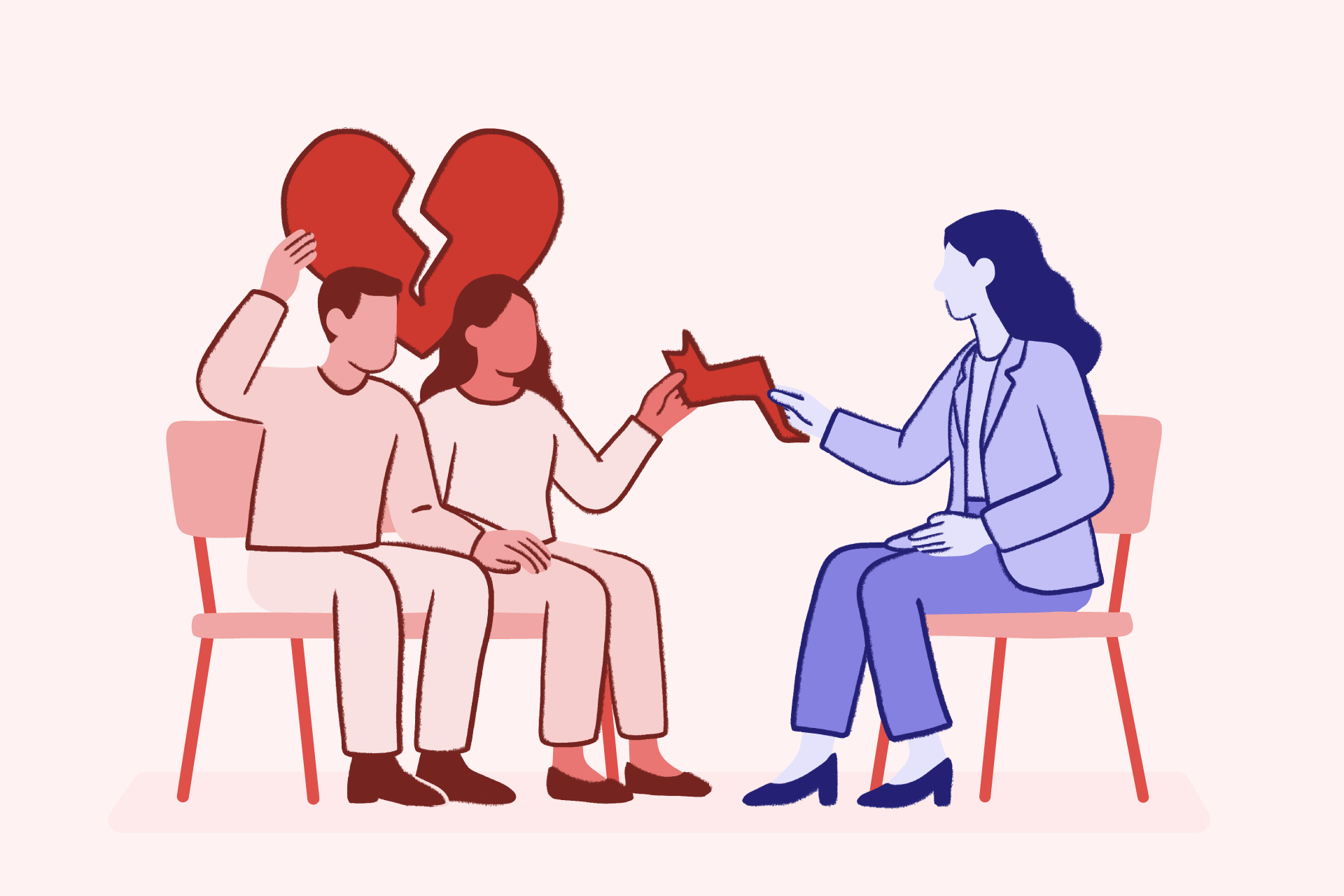
Couples therapy can be a valuable space to work through the unique challenges of this relationship dynamic. It gives both partners tools for communication and helps address issues before they escalate. Many people in recovery also have individual therapists. Attending some sessions together, if your partner and their therapist are open to it, can strengthen your understanding of their journey.
4.) Create a Substance-Free Home Environment
If you live together or spend significant time in shared spaces, keeping those spaces free of substances is a meaningful form of support. It's a practical way to reduce risk and signal that you take your partner's recovery seriously.
What to Do When Your Partner Is in Rehab
If your partner is currently in a residential treatment program, the most important thing you can do is respect the process. Many programs have specific guidelines about outside contact during treatment. These boundaries exist for good reasons and are worth honoring, even when it's hard.
Use this time to educate yourself about addiction and recovery, connect with support resources for loved ones like Al-Anon or Nar-Anon, and take care of your own emotional needs. Treatment is a significant commitment, and your partner returning from rehab will likely be in a different emotional place than when they left. Being prepared for that transition—and approaching it with patience—sets both of you up for a stronger re-entry into the relationship.
Taking Care of Yourself
Being in a relationship with someone in recovery can be emotionally demanding, and your own well-being matters just as much as your partner's. Self-care isn't selfish. It's what allows you to show up for someone else without burning out.
Stay connected to your own support network of friends, family, and people who understand your situation. Set boundaries that protect your emotional health, and be willing to revisit them as the relationship evolves. If you find yourself feeling anxious, overwhelmed, or like your own needs are consistently going unmet, that's worth paying attention to.
Al-Anon and Nar-Anon are free support groups specifically for loved ones of people with alcohol or drug use disorders. Many partners find them invaluable not just for practical guidance, but for the community of people who genuinely understand what you're navigating.
Individual therapy is also worth considering. A therapist can help you process the unique challenges of this relationship, work through any codependency patterns that may be developing, and maintain a clear sense of your own needs and limits.
When to Seek Professional Support
If you're finding the relationship increasingly difficult to navigate, or if your partner's recovery is showing signs of strain, professional support is available for both of you. Couples therapy can help you build communication skills and address challenges before they become crises. Individual therapy supports your own emotional health. And if your partner is struggling with their recovery, encouraging them to reconnect with their treatment provider or support network is one of the most helpful things you can do.
Finding the right treatment program is one of the most important steps in recovery, and the right fit looks different for everyone. Browse addiction treatment centers by location, insurance, level of care, and more to find care that works for your partner, and for your family.
FAQs
A: Yes, but timing and boundaries matter. Many people recommend avoiding new romantic relationships during the first year of recovery, when the main focus is on healing and building stability. If someone does choose to date in the first year of recovery, it is important for recovery to remain a top priority.
A: Dating in early recovery can be challenging. The first year of sobriety is often a time of emotional ups and downs, and relationships can add stress or distraction. Many people choose to wait so they can focus fully on their own healing.
A: You can support your partner’s recovery by encouraging healthy routines, respecting boundaries, and communicating openly. Support doesn’t mean controlling their choices or managing their sobriety—that responsibility belongs to them. Taking care of yourself is just as important.
A: Common challenges include emotional swings, trust issues, fear of relapse, and adjusting to new boundaries. These challenges don’t mean the relationship can’t work, but they do require patience, honesty, and often outside support like therapy.
A: Relapse doesn’t mean failure, but it is a sign that more support is needed. Encourage your partner to reconnect with treatment or support groups, and protect your own boundaries. You’re allowed to seek help for yourself, too.


Our Promise
How Is Recovery.com Different?
We believe everyone deserves access to accurate, unbiased information about mental health and recovery. That's why we have a comprehensive set of treatment providers and don't charge for inclusion. Any center that meets our criteria can list for free. We do not and have never accepted fees for referring someone to a particular center. Providers who advertise with us must be verified by our Research Team and we clearly mark their status as advertisers.
Our goal is to help you choose the best path for your recovery. That begins with information you can trust.