Find Treatment By
Rehabs by Location


Learn
About Us
Recovery.com combines independent research with expert guidance on addiction and mental health treatment. Our mission is to help everyone find the best path to recovery through the most comprehensive, helpful network of treatment providers worldwide.
Advisory Council
Our advisory council brings together leaders in behavioral health, technology, and business. Their diverse expertise ensures our resources and product are innovative, evidence-based, and effective. They guide our mission as accomplished individuals dedicated to improving the landscape of addiction recovery and mental wellness.
Bulimia Nervosa: Symptoms, Causes & Treatment



Bulimia nervosa is an eating disorder marked by repeated episodes of binge eating followed by behaviors intended to prevent weight gain, such as self-induced vomiting, misuse of laxatives, or excessive exercise.1 Bulimia can affect people across a range of body weights and is associated with an increased risk of death compared to people without an eating disorder.2 The good news is that bulimia nervosa is treatable, and most people who receive treatment are able to substantially reduce their symptoms and achieve lasting recovery.1
What Is Bulimia Nervosa?
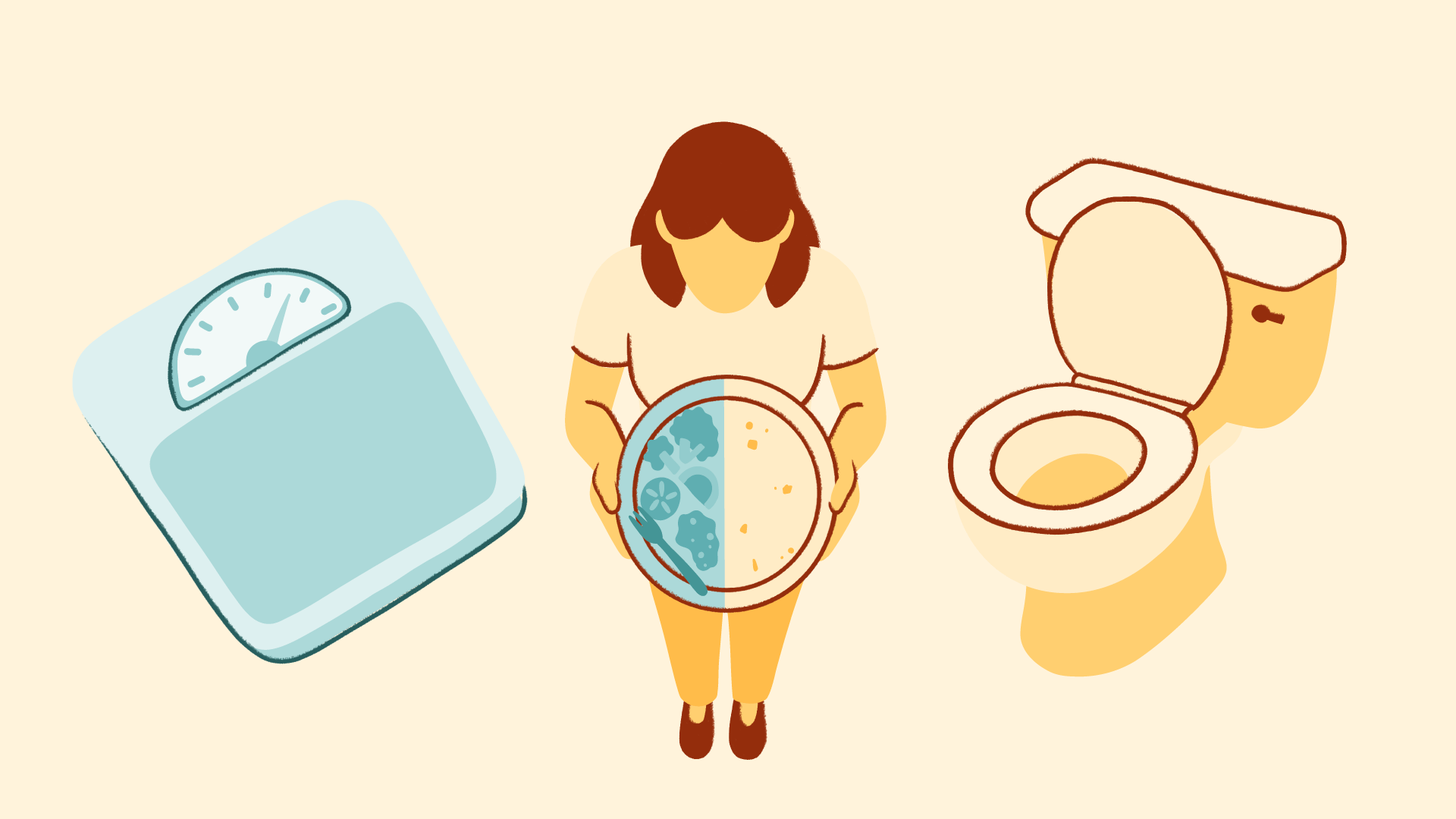
Bulimia nervosa is one of several types of eating disorders or conditions marked by maladaptive patterns in eating behavior and body image.3 The disorder involves a repeating cycle: episodes of binge eating—consuming an unusually large amount of food while feeling unable to control the eating—followed by behaviors meant to compensate for the binge, such as self-induced vomiting, laxative or diuretic misuse, fasting, or excessive exercise.1 People with bulimia nervosa can be underweight, an average weight, or above average weight, since the disorder isn't defined by body size.1
According to the Diagnostic and Statistical Manual of Mental Disorders, 5th Edition (DSM-5), a diagnosis of bulimia nervosa requires all of the following:4
- Recurrent episodes of binge eating, involving eating an amount of food that is clearly larger than most people would eat in a similar period of time, along with a sense of losing control overeating during the episode.
- Recurrent inappropriate compensatory behaviors to prevent weight gain, such as self-induced vomiting, misuse of laxatives or diuretics, fasting, or excessive exercise.
- Binge eating and compensatory behaviors that both occur, on average, at least once a week for three months.
- Self-evaluation that is unduly influenced by body shape and weight.
- The binge eating and compensatory behaviors do not occur exclusively during episodes of anorexia nervosa.
Bulimia nervosa is sometimes confused with other eating disorders since some symptoms overlap. For instance, people with either anorexia nervosa or bulimia nervosa may engage in binge eating or compensatory behaviors such as self-induced vomiting. However, one important distinction regarding anorexia vs. bulimia is body weight: anorexia nervosa involves restricting food intake to the point of significantly low body weight, while significantly low body weight is not a diagnostic feature of bulimia nervosa.1
It's also distinct from binge eating disorder, which involves episodes of binge eating without the regular compensatory behaviors that define bulimia nervosa.1
Find The Perfect Treatment For You
Answer a few questions and we'll match you with the best options.
What Are You Struggling With?
What Kind of Care Do You Need?
What Insurance Do You Have?
Signs and Symptoms of Bulimia Nervosa
Bulimia nervosa shows up differently from person to person, but it typically involves a mix of behavioral, emotional, and physical signs. Some of the signs and symptoms include:5
- Recurrent episodes of binge eating, often in secret, involving unusually large amounts of food eaten in a short period of time while feeling a lack of control overeating.
- Frequent trips to the bathroom after meals, along with signs or smells of vomiting.
- Misuse of laxatives, diuretics, or other medications in an attempt to prevent weight gain.
- Rigid or excessive exercise routines maintained despite bad weather, illness, or injury.
- Fasting or severely restricting food between binge episodes.
- Preoccupation with weight, body shape, and appearance that drives dieting behavior.
- Withdrawal from friends and previously enjoyed activities, along with increased secrecy.
- Extreme mood swings.
- Feelings of shame, guilt, or despair after binge eating or purging.
- Low self-esteem closely tied to weight and appearance.
- Noticeable fluctuations in weight, both up and down.
- A chronically sore or inflamed throat and swollen salivary glands near the jaw and neck.1
- Worn tooth enamel and teeth that become increasingly sensitive or start to decay.
- Acid reflux and other gastrointestinal problems.
- Dehydration and electrolyte imbalances.
- Dizziness or fainting.5
- Calluses or scrapes across the top of the finger joints from self-induced vomiting.
Explore Eating Disorders Treatment Centers
What Causes Bulimia Nervosa?
The exact causes of bulimia nervosa aren’t fully understood. Researchers believe a combination of biological, psychological, and social factors work together to raise a person's risk.3
Research has linked bulimia nervosa to differences in serotonin signaling. Serotonin is a brain chemical that helps regulate processes including mood, appetite, and self-control.6 Studies have also found associations between altered serotonin functioning and symptoms of bulimia nervosa. Reduced serotonin activity may be associated with increased food intake, suggesting one possible way this system could contribute to bulimia-related binge eating episodes.6
Animal studies also suggest that brain reward systems involving dopamine may play a role in binge eating behaviors.7 In these studies, binge eating highly palatable food increases dopamine release in parts of the brain involved in motivation and reward. But purging afterward seems to decrease the signal that would normally tell the body it's full (via another brain chemical called acetylcholine).7 Scientists haven't confirmed this happens the same way in people, but findings such as these regarding altered reward and satiety signaling may help explain why the binge-purge cycle can feel so hard to break.
Psychological and behavioral traits like low self-esteem, a distorted body image, and impulsivity are common among people with bulimia nervosa, alongside an intense focus on body shape and weight.5
Several other conditions often occur alongside bulimia nervosa, and treating them together tends to improve outcomes.3 Anxiety disorders are especially common among people with bulimia nervosa.5 Substance use disorders, impulse control difficulties, and self-harm behaviors also appear more often in this group than in the general population.5 Depression is another condition that frequently occurs alongside bulimia nervosa, along with other mood disorders. Bulimia nervosa can sometimes overlap with personality disorders as well. Borderline personality disorder in particular is sometimes diagnosed alongside bulimia nervosa, though the two conditions are assessed separately.1














Who Is at Risk for Bulimia Nervosa?
Bulimia nervosa can affect anyone, but it disproportionately affects women.1 In older U.S. population studies, an estimated 1.5% of women and 0.5% of men experience bulimia nervosa at some point in their lifetime, and about 0.9% of adolescents are affected. Genetic, biological, behavioral, psychological, and social factors can all raise a person's risk of developing an eating disorder like bulimia nervosa.3
Health Effects of Bulimia Nervosa
Repeated binge eating and compensatory behaviors—particularly purging—can place real strain on the body, and the effects can become serious over time.5
- Electrolyte imbalances, including potentially dangerous changes in potassium levels, which can contribute to fatigue, muscle cramps, and irregular heartbeat.
- Anemia and other blood abnormalities.
- Erosion of tooth enamel and other dental damage from repeated exposure to stomach acid during vomiting.
- Inflammation or damage to the esophagus from frequent vomiting.
- Constipation, bloating, and other digestive issues.1
- Dehydration, which can strain the kidneys over time.5
- Menstrual irregularities, fertility problems, and loss of bone density that can result from changes in hormonal balance and nutritional status.
- Swelling of the salivary glands near the jaw and ears, which can change the shape of the face.
- Severe electrolyte imbalances can cause dangerous heart-rhythm abnormalities and, in some cases, may be life-threatening.1
Bulimia nervosa is also associated with a significantly increased risk of death. One large analysis found that people with bulimia nervosa have a standardized mortality ratio of 1.93, meaning the observed number of deaths among people with bulimia nervosa was nearly twice the expected number among people in the general population.2
However, it is important to remember that many of these health effects improve once binge eating and purging stop and the body has time to heal, especially when treatment begins early.1
How Is Bulimia Nervosa Treated?
Treatment for bulimia nervosa typically addresses the physical health, eating behaviors, and psychological symptoms together.3 A treatment team often includes a therapist, physician, and registered dietitian working in tandem.3
Nutritional counseling is a foundational part of treatment. Working with a registered dietitian helps a person rebuild regular eating patterns and develop a healthier relationship with food.3
Psychotherapy is central to treatment as well. Cognitive behavioral therapy (CBT) is generally considered the first-line psychotherapy for bulimia nervosa, with strong evidence supporting its effectiveness, and working with a provider who specializes in CBT for eating disorders can help apply this approach specifically to eating disorder recovery.8
Interpersonal psychotherapy (IPT) is another effective option that focuses on relationship patterns and communication rather than targeting thoughts about food and body image. IPT may produce improvement more slowly than CBT, though longer-term outcomes may be similar.1,8 Both approaches offer a legitimate path to recovery, and a provider can help determine which one fits a person's needs best.
Antidepressant medication can also help reduce binge eating and purging episodes. Fluoxetine is currently the only medication approved by the U.S. Food and Drug Administration specifically for bulimia nervosa and has been shown to reduce the frequency of binge and vomiting episodes.1
Group therapy and support groups, where people work through recovery alongside others facing similar challenges, are often part of a comprehensive treatment plan and can complement individual psychotherapy.3
Find Treatment for Bulimia Nervosa
Recovering from bulimia nervosa is possible, and treatment can help at any stage of the disorder.1 A healthcare provider, therapist, or registered dietitian who specializes in eating disorder treatment can help build a treatment plan suited to your needs and circumstances.
You can find bulimia treatment centers that offer specialized care for eating disorders, many of which combine nutritional support, therapy, and medical monitoring in one place.
Reaching out for support is one of the most important steps toward recovery, and it's a step worth taking as soon as you're ready.
FAQs
The main difference is the regular use of compensatory behavior. People with bulimia nervosa binge eat and then use behaviors like vomiting, laxative misuse, or excessive exercise to prevent weight gain, while people with binge eating disorder do not regularly use these compensatory behaviors after a binge.1
Anorexia nervosa involves restricting food intake to the point of significantly low body weight, while bulimia nervosa involves cycles of binge eating and compensatory behavior, but does not require significantly low body weight for diagnosis.1 Learn more about anorexia vs. bulimia to understand how the two conditions compare.
Many people fully recover from bulimia nervosa with treatment. One study using current diagnostic criteria found a five-year recovery rate of around 55%, and outcomes tend to improve the longer someone stays engaged in treatment.1
Early signs can include disappearing to the bathroom after meals, evidence of large amounts of food going missing, and a growing preoccupation with weight or body shape.5 Learning how to help someone with an eating disorder can help you support them if you're noticing these signs.
Most people with bulimia nervosa are treated outside of a hospital, but an initial medical evaluation helps determine whether more intensive care is needed for someone's physical safety.1



Our Promise
How Is Recovery.com Different?
We believe everyone deserves access to accurate, unbiased information about mental health and recovery. That's why we have a comprehensive set of treatment providers and don't charge for inclusion. Any center that meets our criteria can list for free. We do not and have never accepted fees for referring someone to a particular center. Providers who advertise with us must be verified by our Research Team and we clearly mark their status as advertisers.
Our goal is to help you choose the best path for your recovery. That begins with information you can trust.