Find Treatment By
Rehabs by Location


Learn
About Us
Recovery.com combines independent research with expert guidance on addiction and mental health treatment. Our mission is to help everyone find the best path to recovery through the most comprehensive, helpful network of treatment providers worldwide.
Advisory Council
Our advisory council brings together leaders in behavioral health, technology, and business. Their diverse expertise ensures our resources and product are innovative, evidence-based, and effective. They guide our mission as accomplished individuals dedicated to improving the landscape of addiction recovery and mental wellness.
Why Alcohol Makes Social Anxiety Worse (And What Actually Helps)



Key Takeaways
- Approximately 20% of people with social anxiety disorder also have an alcohol use disorder1
- While alcohol temporarily reduces anxiety as an anxiolytic, it may increase anxiety as it wears off, which can create a cycle of drinking to cope2,3
- Integrated treatment that addresses both social anxiety and alcohol use together is often considered the clinical gold standard4
- Effective alternatives to alcohol include cognitive behavioral therapy, medication, mindfulness-based interventions, and support groups
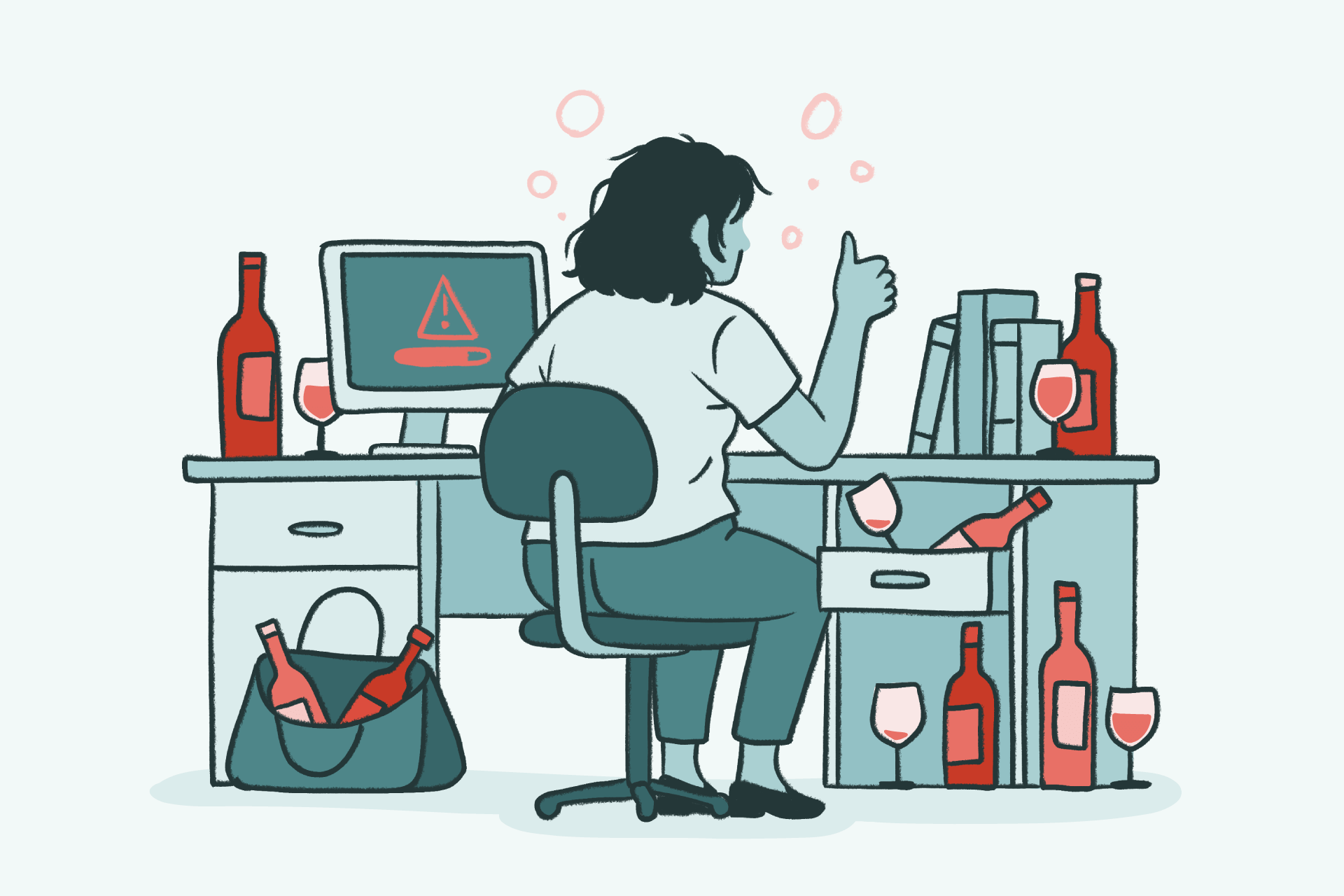
Alcohol and anxiety are closely related. Many people with social anxiety disorder (SAD) feel like drinking relieves their symptoms. In the short term, that might be true. Over time, drinking may make anxiety worse. Heavy drinking may also lead to alcohol use disorder (AUD), which is the medical term for alcohol addiction.
If you have either of these concerns, treatment can help. You can attend inpatient rehab to treat a drinking problem, social anxiety, or both at the same time. During recovery, you'll learn healthier ways to cope with your symptoms. With those skills in hand, you may feel less pressure to self-medicate with alcohol.
"Getting to the Root of My Anxiety"
If you're using alcohol to cope with social anxiety, you might feel stuck in a cycle. But according to one anonymous Reddit user, change can feel possible:
"[Alcohol] was like a miracle cure. Super confident, I'd walk up and talk to anyone. And embarrass myself obviously. I'd blackout drunk every single time because I never wanted the feeling to end. I didn't want to go back to being scared."5
Over time, this person's symptoms got worse, but "the increasing anxiety made me drink more." They experienced withdrawal symptoms when they were sober. It turned into a painful cycle. When drinking got in the way of their parenting, they knew something had to change.
"Getting to the root of my anxiety and feelings of self-hatred was an important step. It's been four years now and I haven't had a drop."
It may feel like you need alcohol to function, but drinking can add to the problem over time.
When Social Drinking Becomes a Problem
Many people feel like they need alcohol to be social. It can also be hard to spend time around people who are drinking without joining in. But anxiety disorders and alcohol addiction often occur together.6 If you have SAD, you may have a higher risk of developing AUD.
Defining Alcohol Use Disorder
The National Institute on Alcohol Abuse and Alcoholism (NIAAA) defines heavy drinking as follows:7
- For men: More than 4 drinks in 1 day, or more than 14 drinks in 1 week
- For women: More than 3 drinks in 1 day, or more than 7 drinks in 1 week
(These definitions are based on biological differences between cisgender men and cisgender women. They may not fit everyone.)
These numbers may help you spot patterns that raise your risk for AUD. Alcohol may also affect anxiety at many drinking levels.8 According to the Anxiety and Depression Association of America, "Even moderate amounts of alcohol can affect one's mood and anxiety level."8
Because alcohol use is socially accepted in many settings, it can take time to notice it has become a problem. AUD is also common in people with anxiety. A study found that about one-fifth of patients with social anxiety disorder also have an alcohol use disorder.1
How Alcohol Impacts Anxiety
Drinking can affect mental health in more than one way. Alcohol is an anxiolytic, which means it can reduce anxiety in the short term.2 However, alcohol misuse can also lead to increased anxiety.3 When the same behavior makes symptoms feel both better and worse, it can be hard to picture recovery. With expert support, you can break out of this cycle.
Explore Anxiety Treatment Centers
Treatment for Co-Occurring Social Anxiety and Alcohol Use Disorder
It may feel like drinking is the best way to manage your symptoms, but in rehab, you'll find healthy alternatives. If you've been drinking to self-medicate your anxiety, you can treat both concerns at the same time.9 Experts describe treating them together as the current "gold standard" model of care.4 There are several ways you can approach treatment.
Detox
When you first quit drinking, medical detox is often needed. This process can include serious side effects, and some people need 24-hour care. Your specific needs will depend on how much you've been drinking and your physical health.
Anxiety is a common symptom of alcohol withdrawal, which is the set of symptoms that can happen when you stop or cut back after heavy drinking.10 If you have SAD, your symptoms may feel worse during detox. In an inpatient program, a clinician may prescribe medication to help manage these symptoms.
Medications for Social Anxiety Disorder
Evidence supports treating social anxiety disorder with medication for some people.11 You might take SNRIs (serotonin-norepinephrine reuptake inhibitors, like Cymbalta or Effexor) or SSRIs (selective serotonin reuptake inhibitors, like Prozac or Zoloft). A doctor or psychiatrist can help you decide whether medication is a good fit for you.
Your physical and mental health may stabilize during rehab. As that happens, your needs can change, too. Some people keep taking medication long after they start recovery, while others stop after a shorter time. No matter how long you take medication, staying in close contact with your doctor can help you adjust your plan safely. This can also help you reduce your risk of relapse.
Cognitive Behavioral Therapy (CBT)
CBT (cognitive behavioral therapy) is a structured therapy that helps you notice unhelpful thoughts and behaviors, and then practice new skills. It can help with social anxiety disorder,12 and research also supports CBT-based approaches for alcohol use concerns.13 If you're healing from both, this combination may help.
During CBT, you'll meet with a therapist in one-on-one sessions. They'll teach you practical skills that can help you live with anxiety. You'll learn to reframe your thoughts and respond to triggers in healthier ways.
CBT may work best when you combine it with other therapies. Because CBT often focuses on what you're dealing with now, some people also want space to talk through past experiences in more depth. Many programs offer CBT along with other types of therapy.
Exposure Therapy
In exposure therapy, patients face situations that would normally trigger anxiety. This often includes building a list of situations that feel scary, starting with easier ones and working up over time. You may also talk through an upsetting memory in a structured way with your therapist. Some early research suggests virtual reality exposure therapy may reduce social anxiety.14
Some research suggests a version of this treatment called cue exposure therapy (CET) may help treat alcohol use disorder. However, experts continue to study how well it works and who it helps most.15
Mindfulness
Mindfulness strategies may support recovery from anxiety and addiction. One review looked at mindfulness-based interventions (MBIs) for social anxiety disorder.16 Researchers found a dose-response relationship between MBI duration and effect size. In other words, more time practicing mindfulness related to larger benefits in the study.
For people recovering from AUD, mindfulness may also help prevent relapse.17 Learning mindfulness techniques early in recovery may support long-term progress.
Support Groups
If you have social anxiety, going to a meeting might feel triggering. Still, for people with AUD, peer support groups can support recovery.18 Talking with your primary therapist can help you decide whether a support group fits your needs.
If you decide to try a group, you have many options. Most peer-led support groups offer free meetings in many locations. You can also connect online from anywhere. In these groups, you can meet people who share parts of your experience. If you feel anxious around them, that's okay. They might feel that way, too. Talking about it can help you build supportive relationships, and connection can be part of healing.
Specialized Care in a Protected Space
It can feel hard to treat only one concern at a time. Experts often recommend integrated treatment for addiction and anxiety, which means your care team treats both conditions in a coordinated way.4
Many rehabs offer this kind of specialized care. A team of providers can design a treatment plan around your needs. In an inpatient program, you can focus on your recovery in a private, structured setting.
In the right program, you'll get coordinated care that matches your goals.
Start Your Recovery Journey
If you’re ready to find addiction treatment for yourself or a loved one, we’re here to help. Browse top medical detox centers in the US, inpatient addiction treatment facilities, aftercare options, and more to start on the path to recovery. You can search for rehab by insurance carrier, location, amenities, and more for free. Don’t wait. Get help today.
FAQs
Alcohol can slow activity in your central nervous system. That may lower fear and self-consciousness for a short time. The effect often fades and may lead to worse anxiety later.2,3
As alcohol wears off, some people feel more anxiety, irritability, and physical stress. Over time, using alcohol to cope may make it harder to manage anxiety without drinking.3,9
Yes. Even moderate alcohol use can affect mood and anxiety.8 For people with social anxiety, small amounts of alcohol may still raise anxiety, including the next day.
Yes. People with social anxiety disorder have a higher risk of developing alcohol use disorder.1,6 Alcohol may feel like self-medication, which can increase the risk of dependence over time.9
Options that may help include therapy, medication when appropriate, mindfulness practices, gradual exposure with professional support, and peer support groups.11,12,16,18
Yes. Integrated treatment that addresses both conditions at once is often considered best practice.4 Treating them together may lower relapse risk and help you build long-term coping skills.4,9
Professional support may help when drinking increases anxiety, affects relationships or work, or starts to feel necessary for social situations. Early treatment may help keep symptoms from getting more severe.















Our Promise
How Is Recovery.com Different?
We believe everyone deserves access to accurate, unbiased information about mental health and recovery. That's why we have a comprehensive set of treatment providers and don't charge for inclusion. Any center that meets our criteria can list for free. We do not and have never accepted fees for referring someone to a particular center. Providers who advertise with us must be verified by our Research Team and we clearly mark their status as advertisers.
Our goal is to help you choose the best path for your recovery. That begins with information you can trust.