Find Treatment By
Rehabs by Location


Find Treatment By
Learn
About Us
Recovery.com combines independent research with expert guidance on addiction and mental health treatment. Our mission is to help everyone find the best path to recovery through the most comprehensive, helpful network of treatment providers worldwide.
Advisory Council
Our advisory council brings together leaders in behavioral health, technology, and business. Their diverse expertise ensures our resources and product are innovative, evidence-based, and effective. They guide our mission as accomplished individuals dedicated to improving the landscape of addiction recovery and mental wellness.
Velocity Health Group
Treatment Focus
At this center, you receive personalized care for mental health conditions. They provide therapy and tailor treatment to your unique needs, diagnoses, and preferences.
Primary Level of Care
Offering intensive care with 24/7 monitoring, residential treatment is typically 30 days and can cover multiple levels of care. Length can range from 14 to 90 days typically.
Claimed
Recovery.com has connected directly with this treatment provider to validate the information in their profile.
Treatment Focus
At this center, you receive personalized care for mental health conditions. They provide therapy and tailor treatment to your unique needs, diagnoses, and preferences.
Primary Level of Care
Offering intensive care with 24/7 monitoring, residential treatment is typically 30 days and can cover multiple levels of care. Length can range from 14 to 90 days typically.
Private Pay
You pay directly for treatment out of pocket. This approach can offer enhanced privacy and flexibility, without involving insurance. Exact costs vary based on program and length of stay. Contact the center for specific details.
About Velocity Health Group
Velocity Health Group provides residential mental health treatment for adolescent males ages 13 to 17 with emotional, behavioral, and psychiatric concerns. They work with teens experiencing depression, anxiety, suicidality, trauma-related symptoms, mood concerns, attachment challenges, impulse control issues, and diagnostic complexity. Their residential setting supports stabilization, observation, and more individualized treatment planning.
Relationship-Focused, Structured Treatment
Velocity uses a structured, milestone-driven model with an average residential stay of 4 to 6 months, based on each teen’s clinical needs and readiness for reintegration. Treatment includes individual therapy, family therapy, group therapy, and psychiatric oversight. Care focuses on emotional regulation, identity development, accountability, and healthier relationships with self, peers, and family.
Rural Setting with Academic and Daily-Life Support
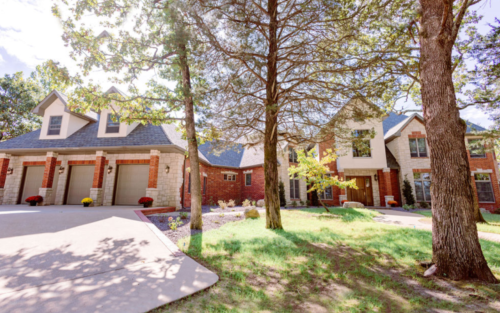
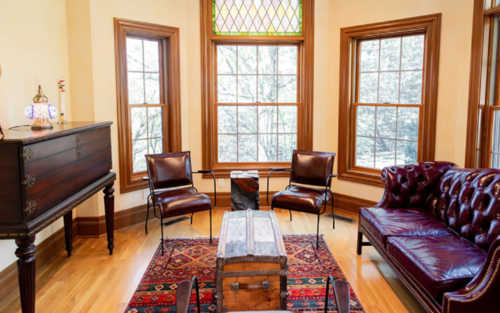
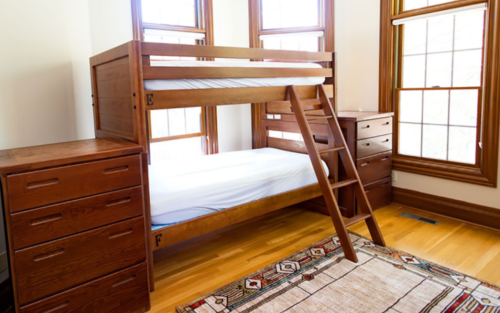
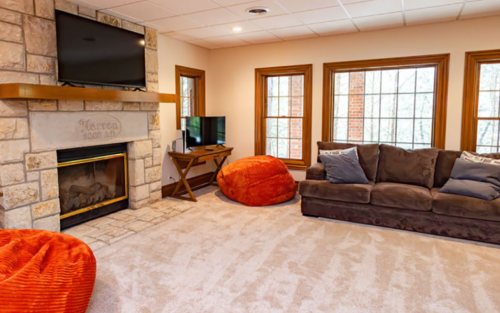
Located in Marshfield, Missouri, just outside Springfield, Velocity operates from an 11,000-square-foot home on 36 private acres. The small-cohort setting is designed to reduce overstimulation while maintaining structure and supervision. Adolescents also receive on-site academic support through a hybrid model, alongside guidance in sleep, nutrition, stress management, and daily responsibility.
Family Coaching and Reintegration Support
Velocity includes family involvement throughout treatment and offers up to 6 months of post-discharge family coaching for residents who complete at least 90 days of care. This support helps families build structure at home, strengthen communication, plan for school and community transitions, and respond to challenges after discharge. For qualifying teens, the center also offers a limited readmission commitment within 6 months of discharge.
Center Overview
Treatment Focus
At this center, you receive personalized care for mental health conditions. They provide therapy and tailor treatment to your unique needs, diagnoses, and preferences.

Pricing and Program Length
Estimated Center Costs
Center pricing can vary based on program and length of stay. Contact the center for more information. Recovery.com strives for price transparency so you can make an informed decision.
Levels of Care


Your Care Options
Specializations
Adolescents
Teens receive the treatment they need for mental health disorders and addiction, with the added support of educational and vocational services.
Anxiety
Anxiety is a common mental health condition that can include excessive worry, panic attacks, physical tension, and increased blood pressure.
Depression
Symptoms of depression may include fatigue, a sense of numbness, and loss of interest in activities. This condition can range from mild to severe.
Trauma
Some traumatic events are so disturbing that they cause long-term mental health problems. Those ongoing issues can also be referred to as "trauma."
Who We Treat
Adolescents
Teens receive the treatment they need for mental health disorders and addiction, with the added support of educational and vocational services.
Approaches
Experiential
Expressive tools and therapies help patients process past situations, learn more about themselves, and find healing through action.
Family Involvement
Providers involve family in the treatment of their loved one through family therapy, visits, or both–because addiction is a family disease.
Holistic
A non-medicinal, wellness-focused approach that aims to align the mind, body, and spirit for deep and lasting healing.
Personalized Treatment
The specific needs, histories, and conditions of individual patients receive personalized, highly relevant care throughout their recovery journey.
Therapies
1-on-1 Counseling
Patient and therapist meet 1-on-1 to work through difficult emotions and behavioral challenges in a personal, private setting.
Experiential Therapy
With this approach, patients heal by doing. Therapists help patients process difficult emotions to speak, using guided activities like art or dance.
Family Therapy
Family therapy addresses group dynamics within a family system, with a focus on improving communication and interrupting unhealthy relationship patterns.
Narrative Therapy
Through narrative therapy, patients rewrite past events with a positive focus. They separate themselves from the problem to see their purpose and capabilities.
Recreation Therapy
In recreation therapy, recovery can be joyful. Patients practice social skills and work through emotional triggers by engaging in fun activities.
Solution Focused, Goal-Oriented Therapy
A quick goal-oriented therapy that helps patients identify their current and future goals, find out how to achieve them, and empower future problem-solving.
Languages
Conditions We Treat
Anxiety
Anxiety is a common mental health condition that can include excessive worry, panic attacks, physical tension, and increased blood pressure.
Depression
Symptoms of depression may include fatigue, a sense of numbness, and loss of interest in activities. This condition can range from mild to severe.
Trauma
Some traumatic events are so disturbing that they cause long-term mental health problems. Those ongoing issues can also be referred to as "trauma."