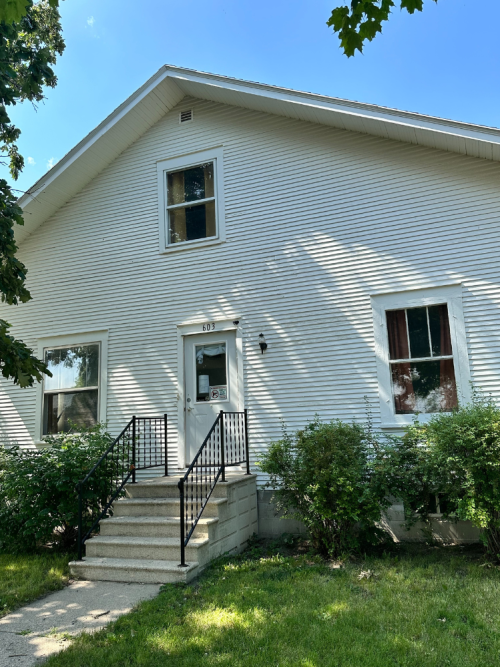
All CentersMidwest Wellness & Recovery

Midwest Wellness & Recovery

Substance Use

Treatment Focus

This center treats substance use disorders and co-occurring mental health conditions. Your treatment plan addresses each condition at once with personalized, compassionate care for comprehensive healing.

Residential

Primary Level of Care

Offering intensive care with 24/7 monitoring, residential treatment is typically 30 days and can cover multiple levels of care. Length can range from 14 to 90 days typically.

5.0
(15)
Claimed

Claimed

Recovery.com has connected directly with this treatment provider to validate the information in their profile.

Insurance

Provider's Policy

Midwest Recovery accepts Medicaid and a variety of private health insurance plans, including United Healthcare and BlueCross BlueShield. For those without insurance, they offer flexible self-payment and financing options to ensure that cost is not a barrier.

Located in historic downtown Jefferson, IA, this women-owned center provides faith-based care in a safe and warm community for those seeking freedom from addiction. The team heals the mind, body, and spirit by combining evidence-based methods with deep personal support. This holistic approach of Midwest Wellness & Recovery guides participants toward long-term sobriety and helps them reclaim a life of lasting hope.

Healing Through Faith

Faith serves as the cornerstone of the recovery journey here. Through the Christ-centered Celebrate Recovery program, individuals apply biblical principles to the traditional 12-Step model. Participants join supportive groups to share struggles and victories, fostering a deep relationship with God while addressing the root causes of their addiction.

Clinical Services and Continuity

Expert care is available through a full range of services, including residential stay and flexible outpatient schedules. Thorough assessments lead to personalized treatment plans that include individual counseling and life skills training. From intensive daily support to long-term aftercare and alumni programs.

AT A GLANCE

Center Overview

Location
102 N Wilson Ave., Jefferson, IA 50129 View Map
Primary Focus
This center treats substance use disorders and co-occurring mental healt...

Treatment Focus

This center treats substance use disorders and co-occurring mental health conditions. Your treatment plan addresses each condition at once with personalized, compassionate care for comprehensive healing.

Substance Use We Treat
Alcohol, Co-Occurring Disorders, Drug Addiction
How to pay

Insurance Accepted

BlueCross BlueShield
All Centers in Iowa
United Healthcare
United Healthcare
All Centers in Iowa
Provider's Policy: Midwest Recovery accepts Medicaid and a variety of private health insurance plans, including United Healthcare and BlueCross BlueShield. For those without insurance, they offer flexible self-payment and financing options to ensure that cost is not a barrier.
(515) 900-8661
Private Pay Option

Cash Pay Rates

Estimated Cash Pay Rate

Center pricing can vary based on program and length of stay. Contact the center for more information. Recovery.com strives for price transparency so you can make an informed decision.

We don't have pricing information for this center. Please contact the center for more information.
Care Options

Levels of Care

Everyone's recovery journey is unique. Whether it looks like residential rehab for 30 days, an outpatient program, or virtual therapy, you can find a level of care that fits your needs.
Residential Rehab
Offering intensive care with 24/7 monitoring, residential substance use treatment is typically 30 days. Length can range from 14 to 90 days.
Sober Living
Not Offered at This Center
Transitional housing designed to support individuals recovering from substance use disorders offering a safe, supportive and structured environment for practicing long-term sobriety, while reintegrating back into daily living.
Day Treatment
In a PHP, patients live at home but follow an intensive schedule of treatment. Most programs require you to be on-site for about 40 hours per week.
Intensive Outpatient Program
An intensive outpatient program (IOP) falls between inpatient care and traditional outpatient services, with therapy and skills-building activities designed to support recovery and provide flexibility. IOP is ideal for those needing support but not the 24/7 care of a residential facility.
Outpatient
Outpatient treatment offers flexible therapeutic and medical care without the need to stay overnight in a hospital or inpatient facility. Outpatient care typically offers a range of therapies and medical interventions individuals can attend alongside daily life.
Virtual & In-Home Care
Not Offered at This Center
The delivery of therapeutic services utilizing technology such as video conferencing, online messaging or phone calls, allowing for flexibility, comfort and increased access to care.
Co-Occurring Mental Health
Treatment for co-occurring mental health disorders, which affect the majority of individuals diagnosed, integrates care for mental health conditions with primary substance use. Personalized care plans are crafted to effectively address each condition simultaneously, optimizing the healing process.
Treatment

Your Care Options

Specializations

Alcohol

Alcohol

Using alcohol as a coping mechanism, or drinking excessively throughout the week, signals an alcohol use disorder.

Drug Addiction

Drug Addiction

Drug addiction is the excessive and repetitive use of substances, despite harmful consequences to a person's life, health, and relationships.

Christian

Christian

Through surrender and commitment to Christ, patients refocus the efforts and source of their recovery with clinical and spiritual care.

Who We Treat

Men
Women
Men and Women

Men and Women

Men and women attend treatment for addiction in a co-ed setting, going to therapy groups together to share experiences, struggles, and successes.

Approaches

Christian

Christian

Through surrender and commitment to Christ, patients refocus the efforts and source of their recovery with clinical and spiritual care.

Evidence-Based

Evidence-Based

A combination of scientifically rooted therapies and treatments make up evidence-based care, defined by their measured and proven results.

Family Involvement

Family Involvement

Providers involve family in the treatment of their loved one through family therapy, visits, or both–because addiction is a family disease.

Individual Treatment

Individual Treatment

Individual care meets the needs of each patient, using personalized treatment to provide them the most relevant care and greatest chance of success.

Spiritual Emphasis

Spiritual Emphasis

Spirituality connects patients to a higher power and helps strengthen their recovery, hope, and compliance with other treatment modalities.

Twelve Step

Twelve Step

Incorporating spirituality, community, and responsibility, 12-Step philosophies prioritize the guidance of a Higher Power and a continuation of 12-Step practices.

Therapies

1-on-1 Counseling

1-on-1 Counseling

Patient and therapist meet 1-on-1 to work through difficult emotions and behavioral challenges in a personal, private setting.

Family Therapy

Family Therapy

Family therapy addresses group dynamics within a family system, with a focus on improving communication and interrupting unhealthy relationship patterns.

Group Therapy
Life Skills

Life Skills

Teaching life skills like cooking, cleaning, clear communication, and even basic math provides a strong foundation for continued recovery.

Motivational Interviewing

Motivational Interviewing

Based on the idea that motivation to change comes from within, providers use a conversational framework to discover personalized methods for change.

Relapse Prevention Counseling

Relapse Prevention Counseling

Relapse prevention counselors teach patients to recognize the signs of relapse and reduce their risk.

Spiritual Care

Spiritual Care

Tending to spiritual health helps treatment become more effective, allowing patients to better cope with their emotions and rebuild their spiritual wellbeing.

Twelve Step Facilitation

Twelve Step Facilitation

12-Step groups offer a framework for addiction recovery. Members commit to a higher power, recognize their issues, and support each other in the healing process.

Languages

English

Substances We Treat

Alcohol

Alcohol

Using alcohol as a coping mechanism, or drinking excessively throughout the week, signals an alcohol use disorder.

Co-Occurring Disorders

Co-Occurring Disorders

A person with multiple mental health diagnoses, such as addiction and depression, has co-occurring disorders also called dual diagnosis.

Drug Addiction

Drug Addiction

Drug addiction is the excessive and repetitive use of substances, despite harmful consequences to a person's life, health, and relationships.

Aftercare

Support Meetings
Relapse Prevention Planning
Experience

Care Designed for Your Needs

Amenities

Air-Conditioned Rooms
Armchair or Sofa
Coffee Maker and Tea
Kitchenette
Outdoor Space
Shared Bathroom
Shared Rooms

Special Considerations

Wheelchair Accessible

Smoking Policy

Smoking Allowed
Frequently Asked Questions

Further Research

The following therapies are included: spiritual care, group therapy and more.
Jefferson, Iowa, United States.
Midwest Recovery accepts Medicaid and a variety of private health insurance plans, including United Healthcare and BlueCross BlueShield. For those without insurance, they offer flexible self-payment and financing options to ensure that cost is not a barrier.
Midwest Wellness & Recovery provides day treatment, intensive outpatient program and more.

Explore More

Easily search by condition, location, and other programs tailored to meet your needs.

Specializations