All CentersHonor Behavioral Health

Honor Behavioral Health

Verified Center

This provider's information has been quality-checked by Recovery.com's Research Team for accuracy and completeness, including center verification through appropriate third-party organizations.

Mental Health

Treatment Focus

This center treats mental health conditions and co-occurring substance use. You receive collaborative, individualized treatment that addresses both issues for whole-person healing.

Treatment and Housing

Primary Level of Care

Insurance

Provider's Policy

If you don't see your insurance listed, please reach out so we can help take care of you.

Honor Behavioral Health provides accessible, compassionate outpatient care and supportive housing for adults navigating mental health challenges, substance use concerns, or both. Whether in Honor’s day treatment (PHP) or intensive outpatient program (IOP), each client receives the evidence-based support they need to regain stability, clarity, and control of their lives.

Engage in Therapies Built for Real Life

Serving Boise and the surrounding Treasure Valley, Honor focuses on practical, proven methods for long-term behavior change, not short-term fixes. Treatment is individualized based on each person’s needs and may include:

  • Weekly one-on-one sessions focused on identifying triggers, patterns, and underlying causes.
  • Group therapy that builds accountability and real-world coping strategies.
  • Tools and strategies to manage cravings, high-risk situations, and setbacks.
  • Referrals and collaboration with detox providers or other medical services when needed.

Receive Full-Day Treatment in PHP

Honor Behavioral Health’s PHP provides a higher level of outpatient care 4–6 hours per day, 5 days per week, while allowing individuals to return home or to supportive housing each evening. The PHP creates routine and stability that lays the foundation for continued progress. In addition to individual and group therapy, the PHP offers medication management when needed, skill-building to improve daily functioning, and psychoeducation to help clients better understand and manage symptoms and recovery.

Maintain Daily Responsibilities While in IOP

Whether stepping down from Honor’s PHP or residential care elsewhere, Honor’s IOP is designed for clients who want to continue structured treatment while maintaining work or family responsibilities. The IOP includes many of the same components as the PHP, but with a more flexible schedule of 9–15 hours per week.

Highlights from the Center

Highlights

These highlights are provided by and paid for by the center.

  • Trauma-Informed Care

  • Tech Friendly

  • Gender Separate Housing

AT A GLANCE

Center Overview

Location
7091 Emerald St, Boise, ID 83704 View Map
Primary Focus
This center treats mental health conditions and co-occurring substance u...

Treatment Focus

This center treats mental health conditions and co-occurring substance use. You receive collaborative, individualized treatment that addresses both issues for whole-person healing.

Accreditation
Joint Commission

Joint Commission Accredited

The Joint Commission accreditation is a voluntary, objective process that evaluates and accredits healthcare organizations (like treatment centers) based on performance standards designed to improve quality and safety for patients. To be accredited means the treatment center has been found to meet the Commission's standards for quality and safety in patient care.

Conditions We Treat
Anxiety, Bipolar, Depression, Post Traumatic Stress Disorder +1 More
Substance Use We Treat
Co-Occurring Disorders
How to pay

Insurance Accepted

BlueCross BlueShield
United Healthcare
Aetna
Cigna
Molina Healthcare
GEHA
Provider's Policy: If you don't see your insurance listed, please reach out so we can help take care of you.
Verify Insurance
Live in a Supportive Environment
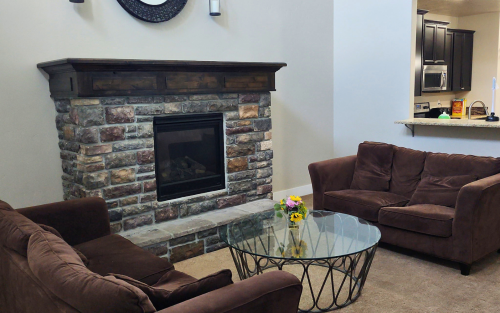
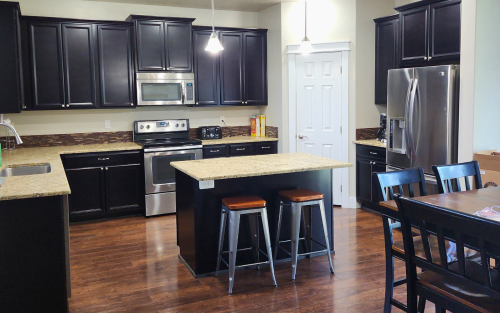
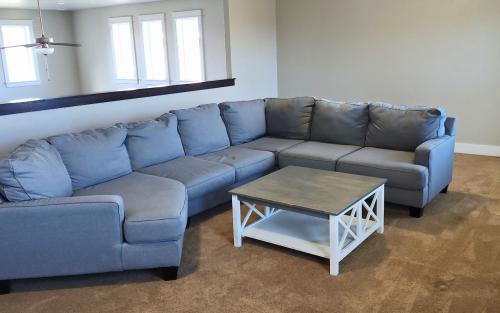
Clients can choose to live alongside others committed to recovery in Honor’s supportive living program. Particularly helpful during PHP, residents live in a shared home in Boise with expectations such as maintaining sobriety, following house guidelines, and contributing to daily responsibilities. This stable, substance-free environment helps clients maintain accountability, build routine, and strengthen recovery.
Treat Substance Use and Mental Health Together
Co-occurring disorders require coordinated care. Honor Behavioral Health provides integrated co-occurring disorders treatment that helps clients manage overlapping conditions. Within one treatment plan, clients identify how symptoms of multiple conditions interact and impact daily life, addressing both simultaneously to improve outcomes and reduce the risk of returning to use.
Navigate Recovery as a Family
Honor Behavioral Health provides education and support for families navigating a loved one’s recovery, including resources for parents and grandparents. By encouraging healthy boundaries and collaborative support, they help create a more stable home environment for continued progress after clients return home.
Gain Momentum Toward Independence
Honor Behavioral Health helps clients build structure, confidence, and independence through practical coaching and accountability. Especially beneficial for young adults navigating early adulthood, this support includes employment guidance, stress management, healthy routines, substance-free living, and essential life skills that strengthen long-term stability.

Recovery.com Verified Listing

Recovery.com verified that the name, location, contact information and license to operate for this treatment provider are valid and up-to-date.
Joint Commission Accredited

Joint Commission Accredited

Licensed by Idaho

Licensed by Idaho

Recovery.com is an independent, third-party mental health resource. Verification does not imply endorsement and does not guarantee the quality of treatment services.

Staff

Meet Your Care Team

Danny Diederich

Danny Diederich

Co-Founder

Peter Gifford

Peter Gifford

CEO

Treatment

Your Care Options

Specializations

Alcohol

Alcohol

Using alcohol as a coping mechanism, or drinking excessively throughout the week, signals an alcohol use disorder.

Anxiety

Anxiety

Anxiety is a common mental health condition that can include excessive worry, panic attacks, physical tension, and increased blood pressure.

Chronic Relapse

Chronic Relapse

Consistent relapse occurs repeatedly, after partial recovery from addiction. This condition requires long-term treatment.

Depression

Depression

Symptoms of depression may include fatigue, a sense of numbness, and loss of interest in activities. This condition can range from mild to severe.

Methamphetamine

Methamphetamine

Methamphetamine, or meth, increases energy, agitation, and paranoia. Long-term use can result in severe physical and mental health issues.

Post Traumatic Stress Disorder

Post Traumatic Stress Disorder

PTSD is a long-term mental health issue caused by a disturbing event or events. Symptoms include anxiety, dissociation, flashbacks, and intrusive thoughts.

Trauma

Trauma

Some traumatic events are so disturbing that they cause long-term mental health problems. Those ongoing issues can also be referred to as "trauma."

Who We Treat

Men
Women
Men and Women

Men and Women

Men and women attend treatment for addiction in a co-ed setting, going to therapy groups together to share experiences, struggles, and successes.

Treatment Services

Day Treatment

Day Treatment

Also commonly called PHP, patients may live at home or in a recovery residence while following an intensive treatment program. Most have a weekly schedule of M–F and 4 to 6 hours per day.

Intensive Outpatient Program

Intensive Outpatient Program

In an IOP, patients live at home or a sober living, but attend treatment typically 9-15 hours a week. Most programs include talk therapy, support groups, and other methods.

Outpatient

Outpatient

During outpatient rehab, patients attend a structured treatment program while continuing to live at home.

Outpatient Therapy

Approaches

Evidence-Based

Evidence-Based

A combination of scientifically rooted therapies and treatments make up evidence-based care, defined by their measured and proven results.

Family Involvement

Family Involvement

Providers involve family in the treatment of their loved one through family therapy, visits, or both–because addiction is a family disease.

Personalized Treatment

Personalized Treatment

The specific needs, histories, and conditions of individual patients receive personalized, highly relevant care throughout their recovery journey.

Trauma Informed

Therapies

1-on-1 Counseling

1-on-1 Counseling

Patient and therapist meet 1-on-1 to work through difficult emotions and behavioral challenges in a personal, private setting.

Group Therapy
Life Skills

Life Skills

Teaching life skills like cooking, cleaning, clear communication, and even basic math provides a strong foundation for continued recovery.

Trauma-Specific Therapy

Trauma-Specific Therapy

This form of talk therapy addresses any childhood trauma at the root of a patient's current diagnosis.

Languages

English

Conditions We Treat

Anxiety

Anxiety

Anxiety is a common mental health condition that can include excessive worry, panic attacks, physical tension, and increased blood pressure.

Bipolar

Bipolar

This mental health condition is characterized by extreme mood swings between depression, mania, and remission.

Depression

Depression

Symptoms of depression may include fatigue, a sense of numbness, and loss of interest in activities. This condition can range from mild to severe.

Post Traumatic Stress Disorder

Post Traumatic Stress Disorder

PTSD is a long-term mental health issue caused by a disturbing event or events. Symptoms include anxiety, dissociation, flashbacks, and intrusive thoughts.

Trauma

Trauma

Some traumatic events are so disturbing that they cause long-term mental health problems. Those ongoing issues can also be referred to as "trauma."

Substances We Treat

Co-Occurring Disorders

Co-Occurring Disorders

A person with multiple mental health diagnoses, such as addiction and depression, has co-occurring disorders also called dual diagnosis.

Frequently Asked Questions

Further Research

The following therapies are included: group therapy, 1-on-1 counseling and more.
Boise, Idaho, United States.
If you don't see your insurance listed, please reach out so we can help take care of you.
Honor Behavioral Health provides day treatment, intensive outpatient program and more.