Find Treatment By
Rehabs by Location


Learn
About Us
Recovery.com combines independent research with expert guidance on addiction and mental health treatment. Our mission is to help everyone find the best path to recovery through the most comprehensive, helpful network of treatment providers worldwide.
Advisory Council
Our advisory council brings together leaders in behavioral health, technology, and business. Their diverse expertise ensures our resources and product are innovative, evidence-based, and effective. They guide our mission as accomplished individuals dedicated to improving the landscape of addiction recovery and mental wellness.
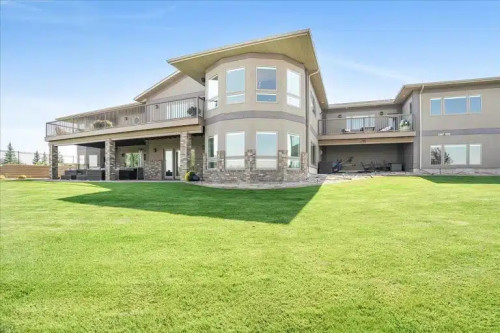


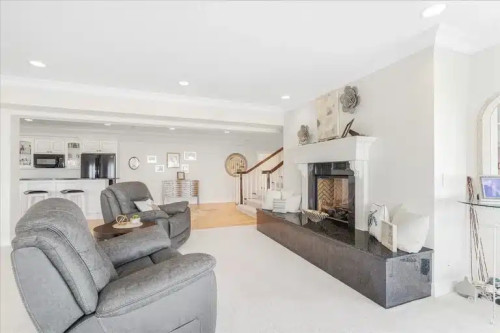
Elk Ridge Recovery
About Elk Ridge Recovery
Believing healing happens not only through clinical care, but through the strength of community and the resilience of the Montana way of life, Elk Ridge Recovery provides residential addiction treatment for adults with substance use disorders and co-occurring conditions such as depression, anxiety, post-traumatic stress disorder (PTSD), bipolar disorder, and attention-deficit/hyperactivity disorder (ADHD). Residential stays typically last 30–45 days, with residents having private rooms and access to fitness centers, outdoor lounges, a kitchen, and a laundry area.
Structure, Support, and Skills for Change
Treatment combines individual and group therapy, cognitive behavioral therapy (CBT), dialectical behavior therapy (DBT) skills, trauma-informed care, medication management, and medication-assisted treatment (MAT) when appropriate. Residents follow a structured schedule with individual therapy 1–2 times per week, therapeutic groups, psychoeducation, guided hikes or breathwork, and life-skills or vocational sessions. Family therapy and education are also available, including secure telehealth sessions.
Taking the Next Step
Elk Ridge Recovery offers step-down care through its partial hospitalization program (PHP), intensive outpatient program (IOP), and outpatient care (OP). PHP is 5–6 days per week, typically for 4–6 weeks. IOP meets 3–5 days per week for about 3 hours per day, often for 6–10 weeks. OP typically involves 1–2 sessions per week. Sober coaching adds goal-setting, trigger management, relapse-prevention planning, and practical support.
Center Overview
Supportive Medication for Recovery
Medication-Assisted Treatment (MAT) is an evidence-based approach that pairs FDA-approved medications with counseling to treat addiction. The medications are used to reduce cravings, ease withdrawal symptoms, or block the effects of substances. More about MAT
Methadone

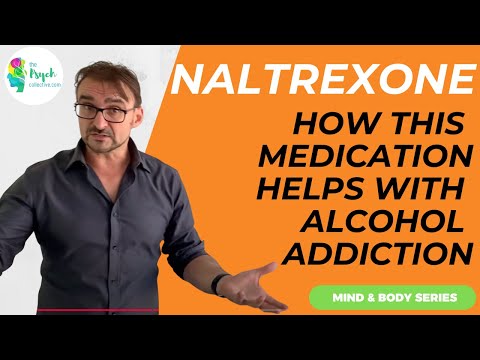
Naltrexone
Buprenorphine



Note: Treatment centers offer different forms of MAT—such as oral tablets, dissolvable films, or monthly injections—and their policies can vary based on state regulations, provider preferences, and insurance coverage. Because of these differences, it's best to contact the center directly to learn what options are available and what might be right for your situation.
Pricing and Program Length
Levels of Care

