Find Treatment By
Rehabs by Location


Learn
About Us
Recovery.com combines independent research with expert guidance on addiction and mental health treatment. Our mission is to help everyone find the best path to recovery through the most comprehensive, helpful network of treatment providers worldwide.
Advisory Council
Our advisory council brings together leaders in behavioral health, technology, and business. Their diverse expertise ensures our resources and product are innovative, evidence-based, and effective. They guide our mission as accomplished individuals dedicated to improving the landscape of addiction recovery and mental wellness.
Columbus Behavioral Center
Columbus Behavioral Center
Columbus Behavioral Center
About Columbus Behavioral Center
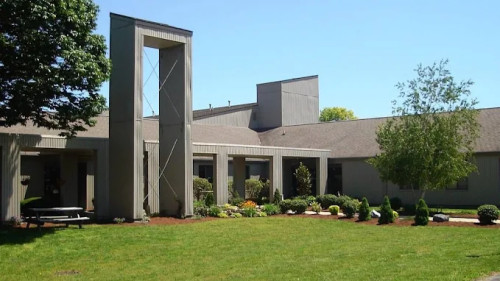
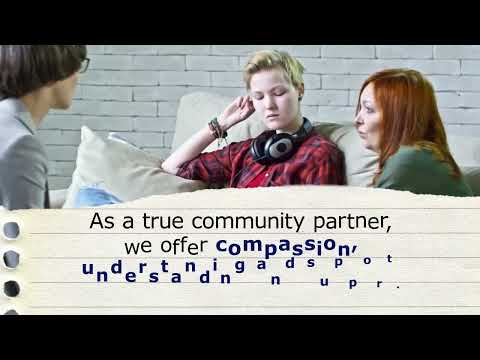
Serving the greater Columbus, Indiana area, Columbus Behavioral Center for Children and Adolescents provides residential and outpatient mental health treatment for males and females ages 8 to 17. Residential care serves children ages 8 to 12 and adolescents ages 13 to 17, and an outpatient program supports ages 12 to 17. The center treats conditions like depression, bipolar disorder, ADHD, oppositional defiant disorder, borderline personality disorder, and PTSD, and partners with the National Action Alliance for Suicide Prevention.
Heal Through Evidence-Based Therapies
A physician-led, multidisciplinary team of psychiatrists, therapists, nurses, and teachers delivers individualized, evidence-based care. Core therapies include dialectical behavior therapy (DBT), which builds interpersonal effectiveness, emotion regulation, mindfulness, and distress tolerance, and trauma-focused cognitive behavioral therapy, which pairs trauma interventions with coping and relaxation skills. A specialized 90-day DBT residential program also serves females ages 14 to 17 (with special consideration for ages 12 to 13) who have self-harming behaviors, borderline features, or intense emotional swings.
Learn and Grow in a Structured Setting
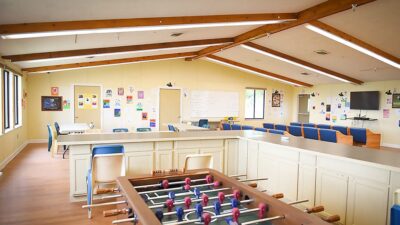
At the 57-bed facility, residents follow a structured daily schedule of school, psychoeducational groups, therapy, and art and leisure activities, with male and female patients in separate licensed units to minimize distractions. Care includes 24-hour licensed staff supervision with registered nurses, weekly psychiatrist visits, and a reward system that lets each child track weekly progress. An accredited on-site school, part of the Bartholomew County school corporation, keeps residents on pace academically, and the average stay is 3 to 6 months.
Stay Involved as a Family
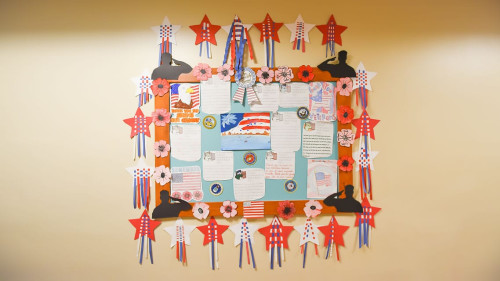
Families are treated as key partners in each child's recovery. Parents attend family therapy twice per month and a Parent Day one Saturday each month, while residents take weekly therapeutic trial visits (TTVs) to practice relationships at home. The center also supports military families, working with families and community partners to develop a collaborative aftercare plan for a smooth transition home or to an appropriate next level of care.
Center Overview
Insurance Accepted


Cash Pay Rates
Levels of Care

