Find Treatment By
Rehabs by Location


Learn
About Us
Recovery.com combines independent research with expert guidance on addiction and mental health treatment. Our mission is to help everyone find the best path to recovery through the most comprehensive, helpful network of treatment providers worldwide.
Advisory Council
Our advisory council brings together leaders in behavioral health, technology, and business. Their diverse expertise ensures our resources and product are innovative, evidence-based, and effective. They guide our mission as accomplished individuals dedicated to improving the landscape of addiction recovery and mental wellness.
Catholic Charities of Cortland County Supportive Living
Catholic Charities of Cortland County Supportive Living
Catholic Charities of Cortland County Supportive Living
About Catholic Charities of Cortland County Supportive Living
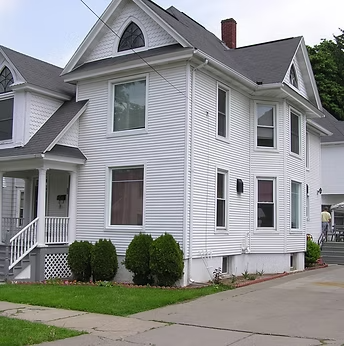
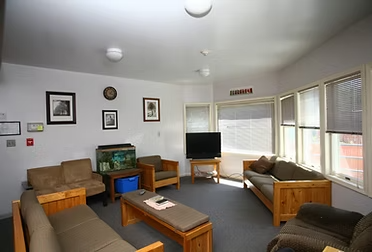
Catholic Charities of Cortland County operates the Charles Street Residence in Cortland, NY, a supportive housing program for adults recovering from substance use disorders. This supervised halfway house assists individuals in transitioning from more intensive treatment to independent community living. The residence accommodates 14 individuals, providing a safe and respectful environment that emphasizes recovery.
Create a Personalized Path to Wellness
Residents collaborate with a residential advisor to develop a personalized treatment plan. Requirements for residents include abstaining from alcohol and non-prescribed drugs, actively participating in treatment, and living cooperatively and respectfully with others. While the typical stay ranges from 6 to 12 months, the duration may be adjusted based on individual needs.
Embrace a Dignified, Stable Future
Beyond the residence, Catholic Charities offers a range of services in Cortland and surrounding counties, including care coordination, peer support, and emergency assistance. These resources help individuals sustain their progress after leaving the residence. The agency is dedicated to fostering long-term recovery by promoting personal growth, stability, and dignity through respectful and compassionate care.
Center Overview
Supportive Medication for Recovery
Medication-Assisted Treatment (MAT) is an evidence-based approach that pairs FDA-approved medications with counseling to treat addiction. The medications are used to reduce cravings, ease withdrawal symptoms, or block the effects of substances. More about MAT
This center accepts patients receiving MAT prescribed elsewhere for opioid use disorder, but does not prescribe it.
This center accepts patients receiving MAT prescribed elsewhere for alcohol use disorder, but does not prescribe it.
Note: Treatment centers offer different forms of MAT—such as oral tablets, dissolvable films, or monthly injections—and their policies can vary based on state regulations, provider preferences, and insurance coverage. Because of these differences, it's best to contact the center directly to learn what options are available and what might be right for your situation.
Pricing and Program Length
Levels of Care

