Find Treatment By
Rehabs by Location


Find Treatment By
Learn
About Us
Recovery.com combines independent research with expert guidance on addiction and mental health treatment. Our mission is to help everyone find the best path to recovery through the most comprehensive, helpful network of treatment providers worldwide.
Advisory Council
Our advisory council brings together leaders in behavioral health, technology, and business. Their diverse expertise ensures our resources and product are innovative, evidence-based, and effective. They guide our mission as accomplished individuals dedicated to improving the landscape of addiction recovery and mental wellness.


Asana Recovery Drug and Alcohol Rehab Centers Orange County CA
Verified Center
This provider's information has been quality-checked by Recovery.com's Research Team for accuracy and completeness, including center verification through appropriate third-party organizations.
Treatment Focus
Primary Level of Care
Offering intensive care with 24/7 monitoring, residential treatment is typically 30 days and can cover multiple levels of care. Length can range from 14 to 90 days typically.
Treatment Focus
Primary Level of Care
Offering intensive care with 24/7 monitoring, residential treatment is typically 30 days and can cover multiple levels of care. Length can range from 14 to 90 days typically.
Insurance Accepted
This center accepts insurance, exact cost can vary depending on your plan and deductible.
Asana Recovery Drug and Alcohol Rehab Centers Orange County CA
Asana Recovery Drug and Alcohol Rehab Centers Orange County CA
About Asana Recovery Drug and Alcohol Rehab Centers Orange County CA
Asana Recovery is a family-owned and operated alcohol and drug treatment center in Costa Mesa, California, just minutes from the stunning Orange County coastline. Our state-licensed and nationally accredited program provides a full continuum of care, including medical detoxification, residential treatment, PHP in Orange County, IOP in Orange County, and outpatient rehab in Orange County. Our mission is simple yet profound: to empower individuals in their recovery journey by offering a compassionate, structured, and evidence-based approach to treatment. At Asana Recovery, we believe in meeting clients where they are, whether it's their first step toward sobriety or another chance at lasting recovery. We specialize in providing alcohol treatment in Orange County and drug and alcohol rehab in Orange County, helping individuals break free from addiction and reclaim their lives. The “Asana Way” is our distinctive philosophy—one that pairs traditional and alternative therapies to create personalized treatment plans for men and women seeking recovery. We integrate evidence-based practices, harm reduction techniques, and holistic healing to foster deep, meaningful, and lasting change. Treatment planning begins immediately upon admission, even during medically supervised detox, ensuring a smooth transition into comprehensive care. Our onsite medical team closely monitors medication-assisted detoxification for opioids, alcohol, benzodiazepines, and other substances, utilizing individualized protocols to enhance comfort and safety. Our clinical team consists of some of the most experienced addiction professionals in the industry, bringing together expertise in Cognitive Behavioral Therapy (CBT), Dialectical Behavioral Therapy (DBT), and Eye Movement Desensitization and Reprocessing (EMDR). Clients engage in daily therapy—a combination of individual, group, and family counseling—to uncover the root causes of addiction while developing strong coping mechanisms and relapse prevention strategies. Recovery is about more than just stopping substance use—it’s about building a new way of life. At Asana Recovery, we integrate mindfulness practices, physical fitness, and nutrition-focused care into daily programming to promote total-body healing. Our on-site chef-prepared meals emphasize proper nutrition, replenishing essential vitamins and minerals often depleted by addiction. Our nutritionist provides dietary analysis, meal consulting, and hands-on cooking training to teach clients sustainable, healthy eating habits. Daily movement and exercise range from beach walks and CrossFit training to one-on-one boxing sessions with our personal trainers, encouraging both mental and physical resilience. Beyond therapy, Asana Recovery fosters a tight-knit, supportive environment that encourages accountability and connection. Clients participate in 12-Step programs, Self-Management and Recovery Training (SMART), and other peer-based support groups to build a strong foundation for lifelong sobriety. With comprehensive treatment options including PHP in Orange County, IOP in Orange County, and outpatient rehab in Orange County, we offer a structured and supportive path to recovery. Our treatment approach is designed to be transformative, empowering, and deeply personalized, helping clients rediscover their sense of purpose, resilience, and joy in recovery. Whether you're looking for alcohol treatment in Orange County or seeking a drug and alcohol rehab in Orange County that prioritizes holistic healing and long-term success, Asana Recovery provides the guidance and support needed to make lasting change.
Center Overview
Treatment Focus
CARF Accredited
CARF stands for the Commission on Accreditation of Rehabilitation Facilities. It's an independent, non-profit organization that provides accreditation services for a variety of healthcare services. To be accredited means that the program meets their standards for quality, effectiveness, and person-centered care.
Insurance Accepted






Pricing and Program Length
Estimated Center Costs
Center pricing can vary based on program and length of stay. Contact the center for more information. Recovery.com strives for price transparency so you can make an informed decision.
Meet Your Care Team

Sheida Shavalian
Therapist
AMFT

Sandra Pohan
Admissions Counselor

Emily Saado
Admissions Counselor
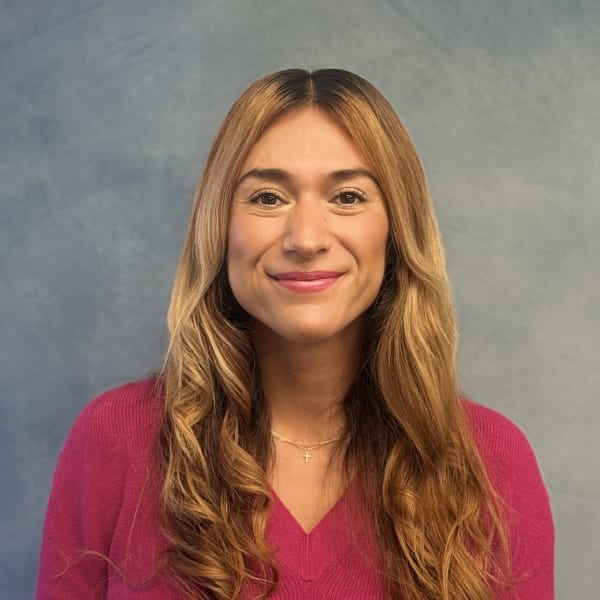
Karla Gonzalez
Case Manager
AMFT
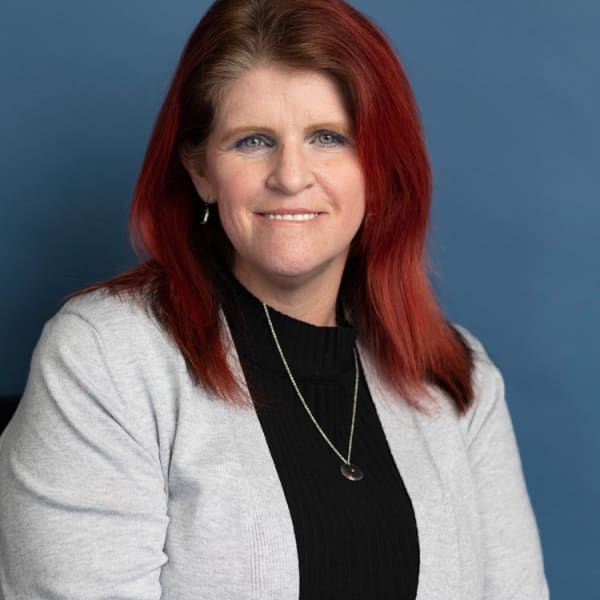
Misty Ashby
Senior Case Manager
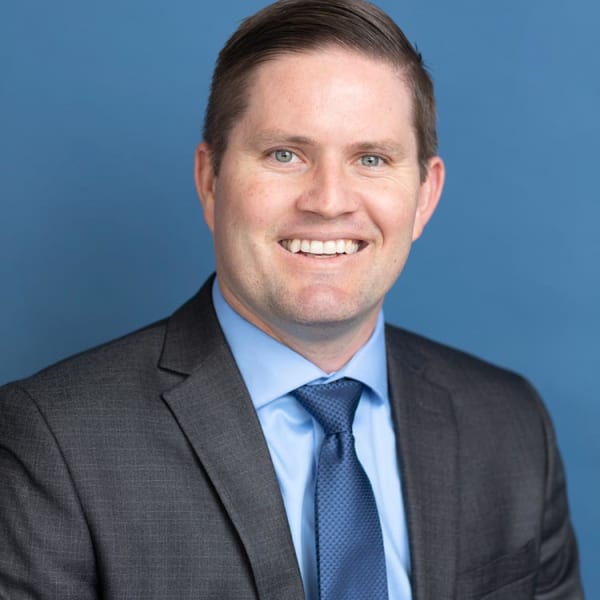
Jonathon Hagen
Executive Director
CADC-II
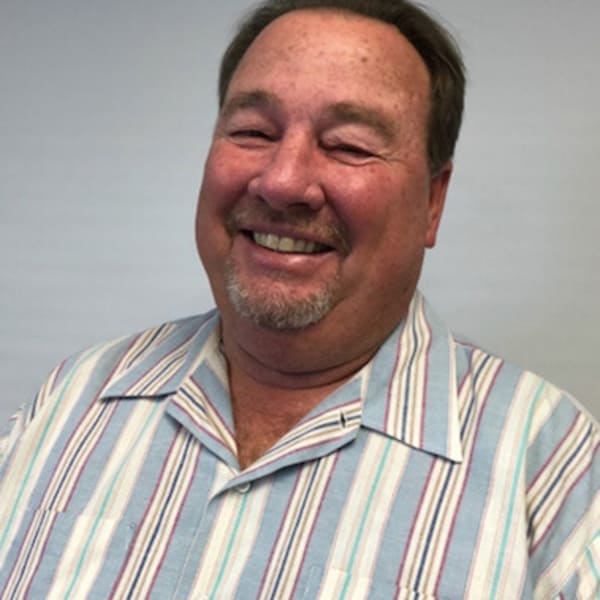
Grant Clarke
Clinical Director
LCSW
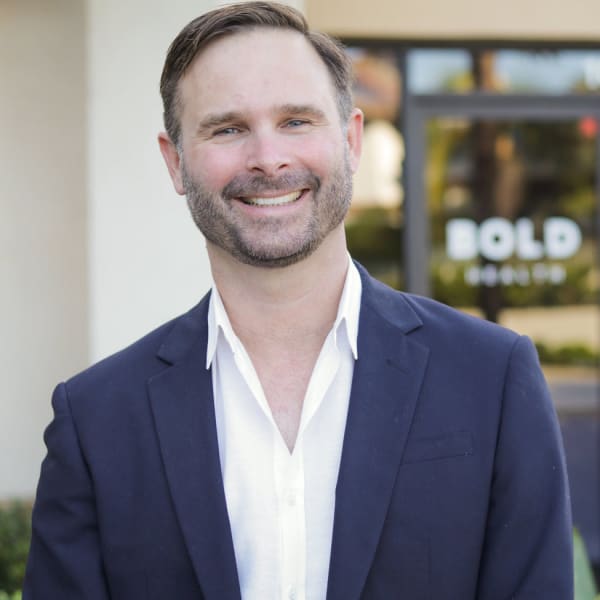
Chris Small
MD
Levels of Care
Your Care Options
Who We Treat
Older Adults
Addiction and mental health treatment caters to adults 55+ and the age-specific challenges that can come with recovery, wellness, and overall happiness.
Young Adults
Emerging adults ages 18-25 receive treatment catered to the unique challenges of early adulthood, like college, risky behaviors, and vocational struggles.
LGBTQ+
Addiction and mental illnesses in the LGBTQ+ community must be treated with an affirming, safe, and relevant approach, which many centers provide.
Men and Women
Men and women attend treatment for addiction in a co-ed setting, going to therapy groups together to share experiences, struggles, and successes.
Veterans
Patients who completed active military duty receive specialized treatment focused on trauma, grief, loss, and finding a new work-life balance.
Approaches
Evidence-Based
A combination of scientifically rooted therapies and treatments make up evidence-based care, defined by their measured and proven results.
Medical
Medical addiction treatment uses approved medications to manage withdrawals and cravings, and to treat contributing mental health conditions.
Twelve Step
Incorporating spirituality, community, and responsibility, 12-Step philosophies prioritize the guidance of a Higher Power and a continuation of 12-Step practices.
Therapies
1-on-1 Counseling
Patient and therapist meet 1-on-1 to work through difficult emotions and behavioral challenges in a personal, private setting.
Animal Therapy
Animals can inspire trust and self-worth. In this experiential therapy, guided interactions are used to improve social skills and emotion regulation.
Couples Counseling
Partners work to improve their communication patterns, using advice from their therapist to better their relationship and make healthy changes.
Family Therapy
Family therapy addresses group dynamics within a family system, with a focus on improving communication and interrupting unhealthy relationship patterns.
Medication-Assisted Treatment
Combined with behavioral therapy, prescribed medications can enhance treatment by relieving withdrawal symptoms and focus patients on their recovery.
Meditation & Mindfulness
A practiced state of mind that brings patients to the present. It allows them to become fully aware of themselves, their feelings, and the present moment.
Motivational Interviewing
Based on the idea that motivation to change comes from within, providers use a conversational framework to discover personalized methods for change.
Languages
Conditions We Treat
ADHD, ADD
ADHD is a common mental health condition caused by dopamine imbalance. Common symptoms include inattention, hyperactivitiy, and impulsivity.
Anger
Although anger itself isn't a disorder, it can get out of hand. If this feeling interferes with your relationships and daily functioning, treatment can help.
Anxiety
Anxiety is a common mental health condition that can include excessive worry, panic attacks, physical tension, and increased blood pressure.
Bipolar
This mental health condition is characterized by extreme mood swings between depression, mania, and remission.
Depression
Symptoms of depression may include fatigue, a sense of numbness, and loss of interest in activities. This condition can range from mild to severe.
Eating Disorders
An eating disorder is a long-term pattern of unhealthy behavior relating to food. Most people with eating disorders have a distorted self-image.
Post Traumatic Stress Disorder
PTSD is a long-term mental health issue caused by a disturbing event or events. Symptoms include anxiety, dissociation, flashbacks, and intrusive thoughts.
Trauma
Some traumatic events are so disturbing that they cause long-term mental health problems. Those ongoing issues can also be referred to as "trauma."
Substances We Treat
Alcohol
Using alcohol as a coping mechanism, or drinking excessively throughout the week, signals an alcohol use disorder.
Benzodiazepines
Benzodiazepines are prescribed to treat anxiety and sleep issues. They are highly habit forming, and their abuse can cause mood changes and poor judgement.
Co-Occurring Disorders
A person with multiple mental health diagnoses, such as addiction and depression, has co-occurring disorders also called dual diagnosis.
Cocaine
Cocaine is a stimulant with euphoric effects. Agitation, muscle ticks, psychosis, and heart issues are common symptoms of cocaine abuse.
Drug Addiction
Drug addiction is the excessive and repetitive use of substances, despite harmful consequences to a person's life, health, and relationships.
Methamphetamine
Methamphetamine, or meth, increases energy, agitation, and paranoia. Long-term use can result in severe physical and mental health issues.
Opioids
Opioids produce pain-relief and euphoria, which can lead to addiction. This class of drugs includes prescribed medication and the illegal drug heroin.
Smoking Cessation
Quitting smoking—i.e., ceasing to smoke—means giving up smoking nicotine and tobacco products. This process has very important health benefits.
Care Designed for Your Needs
Personal Amenities
Amenities
Special Considerations
Pet Friendly
For greater comfort and healing, pet-friendly treatment centers welcome dogs and animal companions to stay with their owners while they attend treatment.