Find Treatment By
Rehabs by Location


Learn
About Us
Recovery.com combines independent research with expert guidance on addiction and mental health treatment. Our mission is to help everyone find the best path to recovery through the most comprehensive, helpful network of treatment providers worldwide.
Advisory Council
Our advisory council brings together leaders in behavioral health, technology, and business. Their diverse expertise ensures our resources and product are innovative, evidence-based, and effective. They guide our mission as accomplished individuals dedicated to improving the landscape of addiction recovery and mental wellness.
Why Is Gambling So Addictive? 10 Expert Answers to the Internet's Most Searched Gambling Questions


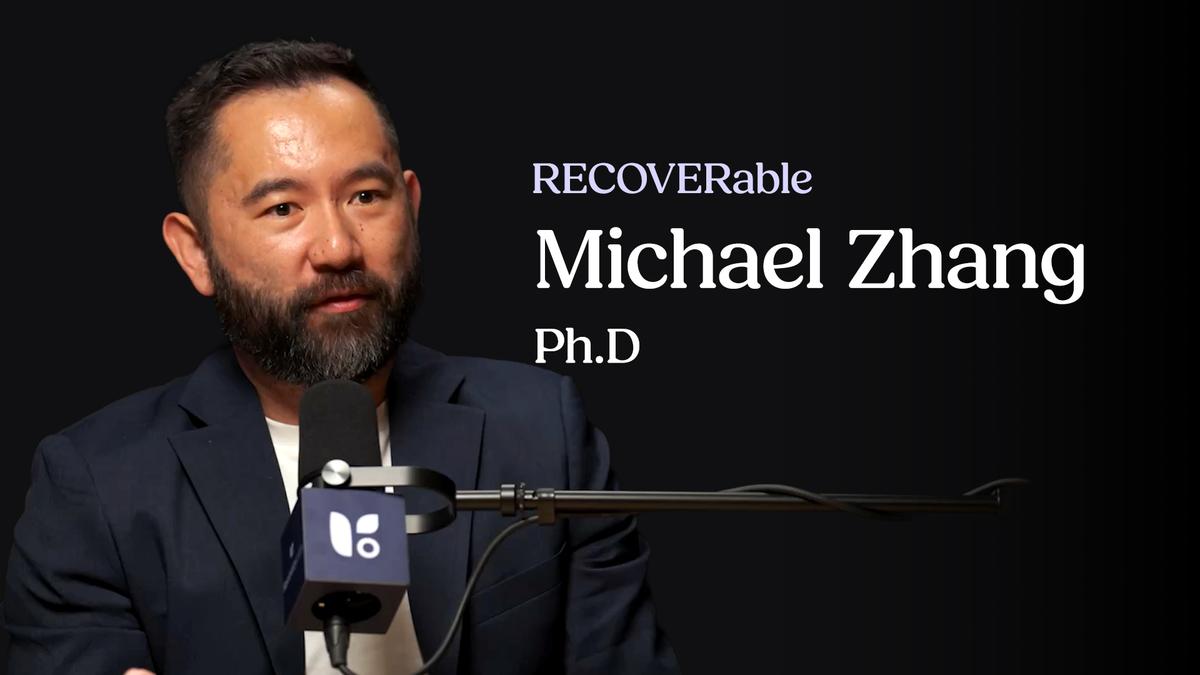
Unlike many addictions, gambling addiction can remain hidden for years. There are no physical signs that someone is struggling, and many people continue working, maintaining relationships, and appearing successful while quietly accumulating debt. According to psychologist Dr. Michael Zhang, this hidden nature is one of the reasons gambling addiction often goes untreated for far too long.
In this episode of Recoverable, Dr. Zhang explains why gambling addiction isn't simply about money or poor self control. He also answers some of the internet's most common questions about gambling disorder, recovery, and how to recognize when someone needs help.
1. Gambling Isn't Just About Money
The biggest warning sign isn't how much you gamble, it's why you keep gambling.
Many people assume gambling addiction is simply gambling too often or losing too much money. Dr. Zhang says the distinction is much more psychological than financial.
Gambling often gradually changes from a fun activity into something that feels like the solution to life's problems. A person begins believing they can fix financial losses by gambling more, even when gambling created those losses in the first place.
Many people feel trapped, yet still believe another bet will solve everything. This cycle often develops over months or years as gambling slowly becomes intertwined with finances, relationships, self esteem, and emotional wellbeing.
Dr. Zhang says he once believed gambling was an isolated problem, but after treating hundreds of people, he now describes it as an addiction capable of touching nearly every aspect of someone's life.
2. Why Is Gambling So Addictive?
The trap feels like the escape.
One of the internet's most searched gambling questions is surprisingly simple:
"Why don't people just stop?"
The answer lies in how gambling changes the way people think.
When someone loses money, logic would suggest they should walk away. Instead, many people begin believing they already know how to recover everything they've lost. Because they've experienced wins in the past, they convince themselves another win is just around the corner.
Dr. Zhang explains that chasing losses isn't unusual, but instead it's one of the hallmark symptoms of gambling disorder.
Even if someone wins back a significant amount of money, they often continue gambling. The goalpost keeps moving. Instead of solving the problem, gambling deepens it.
Explore Gambling Treatment Centers
What Happens in the Brain Before a Bet?
Many people assume gambling is addictive because winning feels good.
According to Dr. Zhang, that's only part of the story.
The strongest psychological reward often occurs before the outcome is even known. During the anticipation period, after placing a bet but before learning the result, the brain becomes flooded with excitement, possibility, and expectation. This anticipation activates reward pathways associated with dopamine and reinforcement.
Dr. Zhang believes the deeper issue is the personal meaning gambling begins to hold. For some people, gambling represents freedom. For others, it symbolizes hope, competence, validation, or the possibility of completely changing their lives.
That possibility becomes incredibly powerful when someone feels stuck, overwhelmed, or dissatisfied with other areas of life. Gambling starts filling emotional needs that have little to do with money itself. Over time, it becomes less about winning and more about what winning represents.
3. What Are the Signs of Gambling Addiction?
It's not just about losing money, it's about losing control.
Clinically, gambling disorder is diagnosed using several criteria outlined in the Diagnostic and Statistical Manual of Mental Disorders (DSM-5). Dr. Zhang highlights some of the most common warning signs, including constantly thinking about gambling, chasing losses, needing to gamble with increasing amounts of money to feel the same excitement, and continuing to gamble despite serious consequences.
Perhaps the biggest misconception is that gambling addiction looks obvious. Unlike alcohol or drug misuse, many people continue functioning normally while hiding mounting debts, secret accounts, and repeated gambling episodes.
How Can Family Members Recognize a Problem?
Dr. Zhang says family members should pay attention to unexplained absences, inconsistent stories about where money has gone, missing savings, secretive behavior, or frequent financial emergencies that don't quite make sense. While any one of these signs doesn't necessarily indicate gambling addiction, a pattern of secrecy deserves attention.
4. Why Has Online Gambling Become So Dangerous?
The faster you can bet, the greater the risk.
Gambling has changed dramatically over the past decade. What once required a trip to a casino can now happen instantly on a smartphone or laptop.
Dr. Zhang explains that today's gambling environment removes nearly every obstacle that once slowed people down. Instead of driving somewhere, waiting in line, or carrying cash, anyone can place multiple bets within seconds from almost anywhere. That constant accessibility makes it easier for recreational gambling to become habitual.
According to Dr. Zhang, some of the highest-risk forms of gambling today include online slot machines, live sports betting, in-game wagering, and other fast-paced betting platforms that allow continuous play with very little interruption. The speed matters because there is almost no time between one decision and the next, making it easier for impulsive behavior to take over.
He also points to the rapid growth of prediction markets and other financial-style betting platforms, noting that many people don't even recognize them as gambling because they're marketed as investing or trading.
Why Are Betting Apps Designed to Keep You Playing?
One of Dr. Zhang's strongest criticisms is that today's gambling products are intentionally engineered to maximize engagement.
Algorithms personalize promotions, remove friction, encourage rapid betting, and make placing another wager almost effortless. Instead of people actively seeking out gambling opportunities, those opportunities now appear throughout daily life via sports broadcasts, notifications, advertisements, and mobile apps.
That observation captures why online gambling has become such a growing public health concern. The technology has evolved much faster than awareness, treatment resources, or public education, leaving many people vulnerable before they even recognize the risks.
5. Can You Recover From Gambling Addiction?
Yes, but stopping gambling isn't the same as recovery.
Dr. Zhang explains that there's an important difference between taking someone out of gambling and taking gambling out of the person.
Blocking access to gambling apps or casinos can create valuable friction, making it harder to place impulsive bets. But, unless someone also changes the psychological meaning they've attached to gambling, those barriers are often temporary. The urge remains, and determined individuals can usually find another way to gamble.
Dr. Zhang describes recovery as learning to no longer view gambling as a rescue plan. Rather than seeing gambling as hope, freedom, or validation, they begin building those things elsewhere in their lives. That shift doesn't happen overnight. Just as gambling addiction develops over years, recovery is also a long-term process that requires patience, commitment, and support.
Perhaps the most hopeful message in the episode is that people can rebuild. Dr. Zhang has worked with countless individuals who transformed their lives after gambling addiction, using the resilience and insight they gained through recovery to create something stronger than what existed before.
What Treatment Options Can Help?
Dr. Zhang discusses several evidence based options, including Gamblers Anonymous, traditional psychotherapy, gambling-specific counseling, telehealth programs, digital recovery tools, and coaching. Each offers different benefits depending on the individual's needs, beliefs, and stage of recovery.
He also encourages people to think critically about any recovery program they're considering. One question he recommends asking is surprisingly simple: "How is this program funded?"
His point isn't that every organization has bad intentions. Rather, it's that people deserve treatment focused on helping them fully recover, not simply reducing gambling enough to keep the system functioning. He encourages individuals to look for programs that prioritizelong-term healing and meaningful change rather than temporary behavior management.
6. What Is Self-Exclusion, And Does It Actually Work?
You can self-exclude from gambling apps.
Many online sportsbooks and casinos offer self-exclusion programs, and third-party software can also block gambling websites and apps.
Dr. Zhang explains that self-exclusion is a voluntary agreement that allows someone to ban themselves from a casino or online gambling platform. The goal isn't to cure gambling addiction overnight, it's to create friction that makes acting on urges more difficult.
However, Dr. Zhang encourages people to look closely at who funds these tools. Programs connected to the gambling industry may not always prioritize long-term recovery in the same way independent organizations do.
Blocking access helps reduce temptation, but unless someone addresses the thoughts, emotions, and behaviors driving the addiction, those urges often find another outlet.
7. What Should You Do After Losing A Large Amount Of Money Gambling?
Chasing losses keeps the gambling cycle going.
Dr. Zhang says the natural instinct is to chase losses by borrowing more money and trying to win everything back. Unfortunately, that's exactly what keeps people trapped.
Instead of trying to recover financially through more gambling, he encourages people to do something much harder but far more effective— tell someone.
Opening up to a trusted family member, friend, therapist, or recovery professional interrupts the secrecy that gambling addiction depends on. While it may feel terrifying, honesty often becomes the first real step toward recovery.
Is There Really A Rock Bottom?
Many people assume there's one defining moment when someone finally decides to quit gambling, but Dr. Zhang sees it differently.
He describes recovery as a series of "chapters of rock bottom." Someone may believe they've reached their lowest point, only to discover the addiction can still become worse if nothing changes.
That perspective shifts the goal. Rather than waiting for the worst possible outcome, recovery can begin today, before another chapter is written.
8. How Do You Tell Your Partner Or Family You Gambled Away The Money?
Honesty is difficult, but it opens the door to recovery.
For many people, admitting the truth feels even scarier than the financial losses themselves.
His advice is to begin taking recovery steps before having the conversation whenever possible. Connecting with support, researchingtreatment, or starting counseling demonstrates accountability rather than waiting until someone discovers the problem.
He also prepares people for what comes next.
Loved ones are likely to experience shock, anger, grief, and confusion all at once because they're learning about months or years of hidden struggles in a single conversation.
At the same time, Dr. Zhang encourages family members to separate the person from the addiction. Most people aren't gambling because they want to hurt those they love. They're caught in an illness that's become incredibly difficult to control.
Viewing gambling addiction through that lens doesn't remove responsibility, but it can create space for empathy and healing.
9. Is Sports Betting Really Gambling?
High-risk trading can mirror gambling behavior.
As sports betting continues to grow across the United States, many people wonder whether it's fundamentally different from casino gambling.
Sports betting is gambling. Even if knowledge and strategy play a role, money is still being risked on uncertain outcomes.
He extends that idea to some forms of high-risk trading, prediction markets, and cryptocurrency speculation. When someone continually risks money hoping to recover losses, the psychological patterns often resemble gambling.
Isn't Skill Part Of Sports Betting?
Dr. Zhang acknowledges that a very small number of professional bettors consistently make money. The difference is that they operate like businesses.
They treat betting as mathematics, carefully managing bankrolls and probabilities instead of chasing emotional highs. For nearly everyone else, gambling produces more losses than wins over time because that's how the system is designed.
Unlike most businesses, the gambling industry profits when customers lose repeatedly.
10. What Does Recovery From Gambling Addiction Actually Look Like?
Real wins replace the false hope of gambling.
Recovery isn't simply about stopping gambling. It's about building a life that's richer, healthier, and more meaningful than the one gambling promised.
He describes watching former clients rebuild relationships, pay off debt, start businesses, raise families, and even begin helping others recover. While financial recovery often takes years, emotional recovery begins much sooner.
Gambling offers what he calls fake wins, moments of excitement built on false hope that eventually lead back to loss.
Recovery creates real wins, genuine accomplishments that strengthen relationships, restore confidence, and reconnect people with purpose.
Final Thoughts
Gambling addiction isn't simply a problem of willpower or poor decision-making. It's a behavioral addiction that can quietly affect finances, relationships, mental health, and nearly every part of a person's life.
Dr. Michael Zhang's biggest message is that recovery starts with honesty, support, and taking small steps before the addiction creates another "rock bottom." Whether that means self-excluding from gambling platforms, reaching out to a loved one, or connecting with treatment resources, every step moves someone closer to a life built on real wins instead of false hope.
Our Promise
How Is Recovery.com Different?
We believe everyone deserves access to accurate, unbiased information about mental health and recovery. That's why we have a comprehensive set of treatment providers and don't charge for inclusion. Any center that meets our criteria can list for free. We do not and have never accepted fees for referring someone to a particular center. Providers who advertise with us must be verified by our Research Team and we clearly mark their status as advertisers.
Our goal is to help you choose the best path for your recovery. That begins with information you can trust.