Find Treatment By
Rehabs by Location


Learn
About Us
Recovery.com combines independent research with expert guidance on addiction and mental health treatment. Our mission is to help everyone find the best path to recovery through the most comprehensive, helpful network of treatment providers worldwide.
Advisory Council
Our advisory council brings together leaders in behavioral health, technology, and business. Their diverse expertise ensures our resources and product are innovative, evidence-based, and effective. They guide our mission as accomplished individuals dedicated to improving the landscape of addiction recovery and mental wellness.
Do I Drink Too Much? 10 Expert Answers On The Internet’s Most Searched Questions About Grey Area Drinking


Problematic drinking doesn’t always fit the stereotype most people imagine. It can actually look nothing like it.
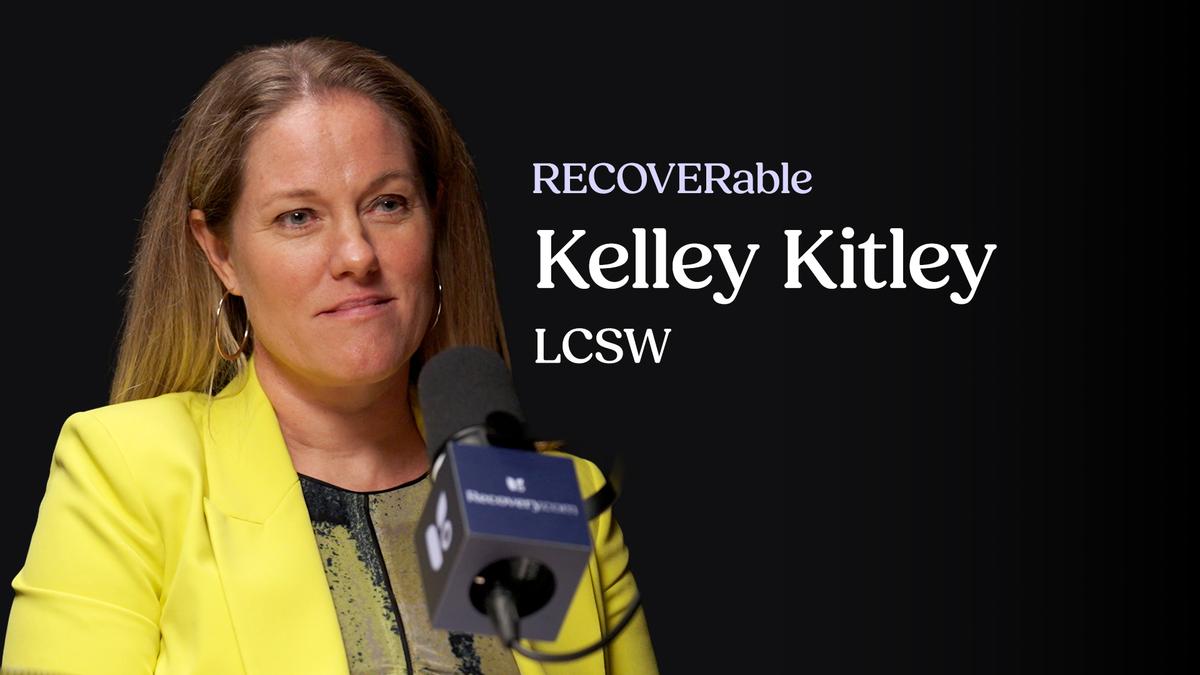
That is exactly what national mental health expert and licensed clinical social worker Kelley Kitley explores in this episode of RECOVERable. Drawing from more than 20 years of clinical experience and her own recovery journey, Kitley breaks down the realities of alcohol use disorder, gray area drinking, and the emotional reasons people drink in the first place.
What makes this conversation powerful is how relatable it feels. Kitley doesn’t talk in extremes. Instead, she addresses the questions many people don’t want to say out loud, like: Am I drinking too much? Why can’t I stop after one drink? What if my whole social life revolves around alcohol?
Here are the biggest questions this episode answers, and the insights that could completely change the way you think about alcohol.
1. Am I An Alcoholic Or Do I Just Drink Too Much?
The Biggest Misconception About Problem Drinking
One of the most searched questions online is also the hardest to answer honestly: Am I an alcoholic?
Kelley Kitley explains that many people dismiss their drinking because they don’t fit the stereotype they have in their heads. They may still have a career, a family, and an outwardly successful life. They may even go days without drinking.
But alcohol use disorder is not defined only by dramatic consequences. According to Kitley, it becomes a problem when alcohol starts disrupting daily life, relationships, emotions, or physical health.
She also highlights how denial and normalization make it difficult to recognize a problem. Many people surround themselves with others who drink similarly, which reinforces the idea that everything is “fine.”
What Are The Signs of Alcohol Use Disorder?
Kitley references the DSM criteria for alcohol use disorder and explains that someone only needs to meet two symptoms over a year to qualify.
Some of the warning signs include:
- Drinking more or longer than intended
- Trying unsuccessfully to cut back
- Increased cravings or tolerance
- Withdrawal symptoms
- Spending large amounts of time thinking about drinking or recovering from it
- Alcohol interfering with relationships or responsibilities
What stands out most is how common these behaviors are. Even the host, Terry, admits she quickly recognized several of them in herself.
Kitley encourages listeners to stop focusing only on labels and start asking a more important question: How does alcohol actually make me feel internally?
“If anybody’s questioning their relationship with alcohol,” she says, “that’s a good diagnostic tool.”
Explore Alcohol Treatment Centers
2. Can You Have a Drinking Problem If You Only Drink on Weekends?
Gray Area Drinking Is More Common Than People Realize
Many people assume alcohol addiction only applies to daily drinkers. Kitley pushes back on that idea immediately.
She explains that someone can absolutely have alcohol use disorder even if they only drink on weekends, especially if drinking creates emotional, physical, or relational consequences.
This is where the concept of gray area drinking becomes important.
Gray area drinking exists in the space between casual social drinking and severe addiction. These are often high functioning people who maintain careers, relationships, and responsibilities while privately struggling with their relationship to alcohol.
Kitley’s perspective is refreshing because she avoids rigid definitions. Instead, she asks people to look honestly at patterns.
Are you constantly negotiating rules with yourself about drinking?
Do you spend all week waiting for the weekend?
Do you dislike who you become after drinking, even if nobody else notices?
Those internal experiences matter.
Why Do People Use Alcohol to Cope?
Kitley also points out that many people are using alcohol to self medicate anxiety, depression, trauma, or chronic stress.
For some, alcohol becomes a shortcut to confidence or relaxation. For others, it numbs painful emotions.
That is why simply removing alcohol without addressing the underlying emotional struggles can feel so difficult. As Kitley explains, many people never learned healthy coping skills because alcohol became the coping skill early on.
3. Why Can’t I Stop After One Drink?
Alcohol Use Disorder Is About The Thinking
One of the most relatable moments in the episode comes when Kitley describes the constant mental negotiation around drinking.
“I’ll only drink beer.”
“I’ll only drink on weekends.”
“I’ll only have three drinks.”
For many people, the exhausting part is not just the drinking itself, it’s the obsessive thinking surrounding it.
Kitley describes alcohol use disorder as a “brain disorder” that often involves preoccupation and loss of control. Some people can moderate successfully. Others find that once they start drinking, stopping becomes incredibly difficult.
Is Moderation Possible?
This is one of the most nuanced parts of the conversation.
Kitley does not shame moderation attempts. In fact, she views them as information gathering. Programs like moderation management encourage mindfulness around drinking habits, including emotional check ins before drinking and structured limits.
But she also acknowledges a hard truth many people eventually discover: moderation often becomes exhausting.
Some people spend years trying to “manage” alcohol before realizing life feels easier without it altogether.
One of the most memorable lines from the episode captures this perfectly:
“If I can give it up, I don’t have a problem. That is a misconception.”
Kitley explains that alcohol use disorder is often less about whether someone can temporarily stop, and more about what happens once they start drinking again.
4. What Happens to Your Brain And Body When You Stop Drinking?
Recovery Is More Than Just Sobriety
Kitley makes an important distinction between simply being sober and truly being in recovery.
Someone can stop drinking while still feeling emotionally disconnected, angry, isolated, or overwhelmed. She describes this as “white knuckling,” where people are technically abstinent but still struggling internally.
Recovery, on the other hand, involves rebuilding a connected life.
For Kitley, recovery meant finding clarity, emotional stability, community, and healthier coping mechanisms.
How Long Does It Take to Feel Better After Quitting Alcohol?
Many people notice benefits surprisingly quickly.
Kitley says moderate or gray area drinkers often experience better sleep, improved energy, reduced anxiety, and more mental clarity within the first 30 days.
Longer term healing depends on factors like:
- How long someone has been drinking
- How heavily they drank
- Whether underlying mental health issues are addressed
Importantly, recovery is not just about removing alcohol. It is about building a life that no longer depends on alcohol to feel manageable.
5. How Do You Stay Social Without Drinking?
The Fear of Being Boring Is Real
One of the most honest parts of the conversation centers around identity.
Many people worry that sobriety means becoming boring, isolated, or disconnected from friends. Kitley openly admits she used to sneak seltzer water into a glass at parties so nobody would ask why she was not drinking.
“There’s a fear, right?” Kitley says. “It’s like, well, if I stop drinking, I can’t go to a party anymore.”
Alcohol is deeply woven into modern social life, from networking events to weddings to casual dinners. Changing your relationship with alcohol can feel like changing your entire social identity.
What Helps In Social Situations?
Kitley recommends preparing ahead of time instead of relying on willpower in the moment.
Some of her practical strategies include:
- Bringing a supportive friend
- Having a practiced response ready when people ask why you aren’t drinking
- Ordering mocktails or sparkling water in a cocktail glass
- Arriving late or leaving early if needed
- Avoiding highly triggering situations early in sobriety
She also encourages people to give themselves permission to grieve changes in friendships or routines.
But over time, many people discover something unexpected: life without alcohol is not smaller, it is fuller.
Kitley explains that recovery communities often help people rediscover hobbies, relationships, movement, creativity, and connection. Some people take up yoga. Others join sports leagues or hiking groups.
Avoiding alcohol is part of the equation, but the true goal is building a life you enjoy again.
6. What Are the Benefits of Quitting Alcohol?
Recovery Delivers More Than Sobriety
One of the most powerful moments in the conversation came when Kitley reflected on the changes she has experienced during more than a decade in recovery.
The benefits go far beyond simply avoiding alcohol.
She describes experiencing:
- Better sleep
- Improved mood stability
- Greater mental clarity
- Stronger relationships
- Better physical health
- Increased accountability
- Greater consistency in daily life
Her perspective is especially powerful because she speaks from both professional expertise and personal experience.
"I have never been more consistent in my life than I have in the last 13 years of not drinking alcohol," she shared.
Why Does Recovery Improve Relationships?
Alcohol often creates a hidden burden that many people don't recognize until it is gone. Think of canceled plans, important but forgotten conversations, broken promises, and secrets that erode even the strongest relationships.
Kitley describes recovery as freeing because it eliminates the constant need to hide behavior, explain actions, or carry shame.
Instead, people gain the ability to show up consistently for their partners, children, friends, and themselves.
For many, that's one of the most meaningful parts of recovery.
7. How Can I Help Someone Who Has a Drinking Problem?
Lead With Curiosity, Not Accusation
Supporting a loved one who may be struggling with alcohol can feel overwhelming. A lot of people worry they'll say the wrong thing.
According to Kitley, one of the biggest mistakes people make is leading with blame.
Statements that begin with "you always" or "you never" often trigger defensiveness and shut down meaningful conversations.
Instead, she recommends approaching the person with curiosity.
A simple statement such as:
"I've noticed you've been drinking more lately, and I'm wondering how you're doing."
can open a much more productive conversation.
The goal is not to diagnose someone or force them into treatment; rather, to create space for a safe, honest conversation.
What If They Deny There's a Problem?
This ends up being a pretty common experience. Kitley emphasizes the importance of "detaching with love."
You can express concern, support, and provide information. What you can’t control is what they do with it.
Focusing on your own well-being and mental health is crucial, so seek support if you feel you need it. Organizations like Al-Anon and Alateen can provide guidance for family members navigating these difficult relationships.
Kitley captured this simply: "I am taking care of myself so I don't resent you later."
8. What's the Difference Between Supporting and Enabling?
Support Helps Someone Grow, Enabling Protects the Problem
One of the most misunderstood topics in addiction recovery is the distinction between support and enabling.
Support means helping someone access resources.
That might include:
- Driving them to treatment
- Helping them find a therapist
- Celebrating recovery milestones
- Encouraging healthy choices
Enabling looks different.
It often involves shielding someone from the natural consequences of their drinking, like lying to cover up their behaviors or covering their expenses.
What Does Enabling Actually Look Like?
Kitley shared several examples.
A spouse calling work to explain why their husband or wife isn’t coming to work.
A partner making excuses for missed family events.
A parent covering financial responsibilities while alcohol use continues unchecked.
These actions usually come from love. But they can unintentionally allow problematic drinking to continue.
As Kitley explains, healthy boundaries help protect relationships while preserving personal well-being.
9. What Treatment Options Are Available for Alcohol Use Disorder?
There Is No One-Size-Fits-All Recovery Path
Recovery looks different for everyone.
Kitley stresses that treatment should be individualized based on a person's needs, history, and level of alcohol dependence.
Available options may include:
- Individual therapy
- Alcoholics Anonymous (AA)
- Intensive outpatient programs (IOP)
- Inpatient treatment programs
- Medical detox
- Medication-assisted treatment
The right starting point often depends on the severity of alcohol use and the presence of withdrawal symptoms.
What Happens During Alcohol Treatment?
Many people feel intimidated by the idea of treatment.
Kitley acknowledges that fear is normal.
Treatment programs typically focus on:
- Education about alcohol use disorder
- Understanding triggers
- Building coping skills
- Group support
- Cognitive behavioral therapy
- Relapse prevention strategies
Most importantly, treatment helps people realize they are not alone.
That sense of connection can be transformational.
10. Can Medication Help Reduce Alcohol Cravings?
Yes.
Kitley highlights naltrexone as one FDA-approved medication that can help reduce cravings and support recovery efforts.
While stigma still exists around medication-assisted treatment, she views it as another valuable tool.
Final Thoughts
One of the most powerful takeaways from this conversation is that you do not need to hit “rock bottom” to reevaluate your relationship with alcohol.
You can question your drinking simply because it no longer feels good.
You can get curious before things fall apart.
You can choose recovery because you want more clarity, peace, and connection in your life.
As Kelley Kitley reminds listeners throughout the episode, recovery is not about perfection. It is about honesty, support, and learning healthier ways to cope with being human.
Our Promise
How Is Recovery.com Different?
We believe everyone deserves access to accurate, unbiased information about mental health and recovery. That's why we have a comprehensive set of treatment providers and don't charge for inclusion. Any center that meets our criteria can list for free. We do not and have never accepted fees for referring someone to a particular center. Providers who advertise with us must be verified by our Research Team and we clearly mark their status as advertisers.
Our goal is to help you choose the best path for your recovery. That begins with information you can trust.