Find Treatment By
Rehabs by Location


Find Treatment By
Learn
About Us
Recovery.com combines independent research with expert guidance on addiction and mental health treatment. Our mission is to help everyone find the best path to recovery through the most comprehensive, helpful network of treatment providers worldwide.
Advisory Council
Our advisory council brings together leaders in behavioral health, technology, and business. Their diverse expertise ensures our resources and product are innovative, evidence-based, and effective. They guide our mission as accomplished individuals dedicated to improving the landscape of addiction recovery and mental wellness.
What Is Emotion Regulation? 10 Expert Answers On The Internet’s Most Searched Emotion Regulation Questions


Michelle Rosenker is a Senior Web Editor at Recovery.com. She has an extensive background in content production and editing and serves as a subject matter expert in the field of addiction and recovery.
Michelle Rosenker is a Senior Web Editor at Recovery.com. She has an extensive background in content production and editing and serves as a subject matter expert in the field of addiction and recovery.
Table of Contents
- 1. What Is Emotion Regulation, Really?
- 2. How Does the Nervous System Shape Our Stress Responses?
- 3. How Do You Know If You Are Dysregulated?
- 4. Does Nervous System Reset Actually Work?
- 5. What Is the Fastest Way to Calm Yourself Down?
- 6. What Are Grounding Techniques That Actually Work?
- 7. What Should You Avoid Doing When You Are Dysregulated?
- 8. How Do You Calm Panic or Anxiety in Public or at Work?
- 9. What Is the Vagus Nerve and Why Does Everyone Talk About It?
Everyone wants to “stay calm,” but very few of us were ever taught how. Instead, we were told to control ourselves, calm down, or stop overreacting, without any tools to actually do that.
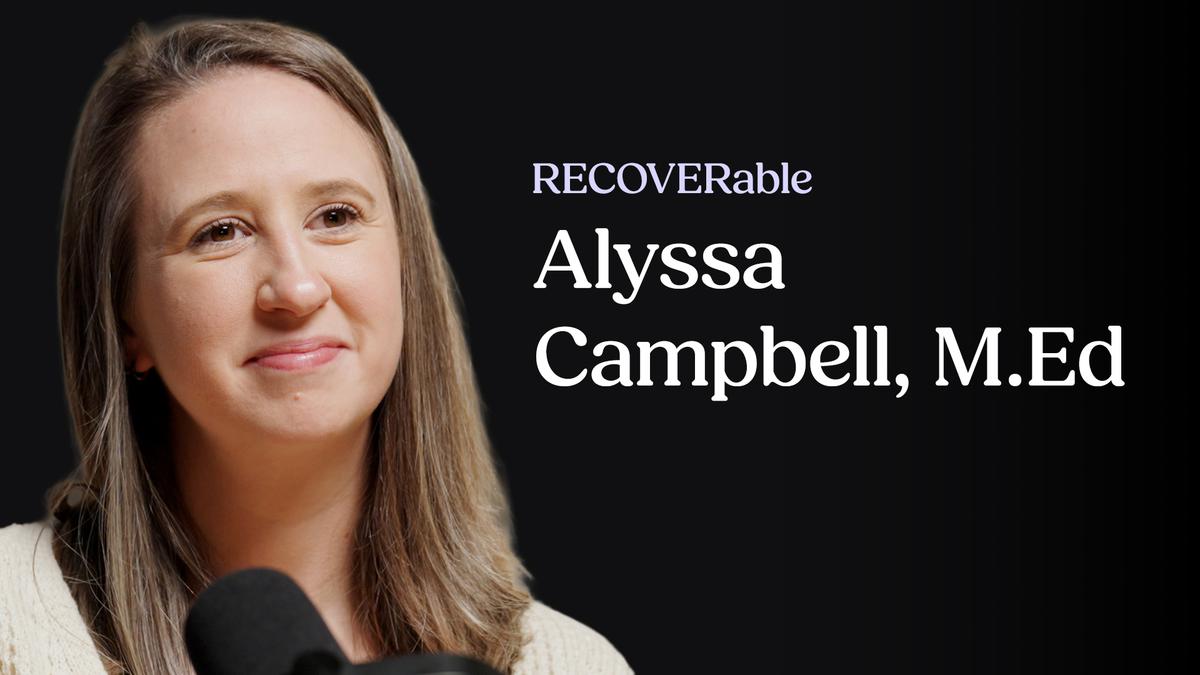
In this episode of Recoverable, emotion regulation expert Alyssa Campbell breaks down what’s really happening inside our nervous systems when we feel overwhelmed, reactive, or completely shut down. She explains why emotional regulation is not about perfection or self-control, why nervous system reset is not just a wellness buzzword, and why the only way out of emotional overwhelm is often straight through it.
This conversation is both validating and practical. Whether you are parenting, navigating relationships, recovering from trauma, or just trying to get through a stressful day without snapping at the people you love, this episode offers tools you can actually use. Below, we break down the five biggest questions the episode answers, using Alyssa’s real-world stories, science-backed explanations, and refreshingly honest insights.
1. What Is Emotion Regulation, Really?
Emotion regulation is the pause between feeling and reacting.
Emotion regulation is not about suppressing emotions or pretending you are fine when you are not. According to Alyssa, it is the ability to notice what is happening inside your body, find a pause, and then choose how you want to respond instead of reacting on autopilot.
Most of us live in reaction mode. Someone says something in the wrong tone, a child melts down, a partner asks the wrong question at the wrong time, and suddenly we are sarcastic, snippy, shut down, or explosive. That reaction is not a character flaw. It is a nervous system doing its job a little too well.
Emotion regulation creates space. That space allows you to ask, “What will bring me the most peace right now?” instead of defaulting to defensiveness or escalation. It does not mean you always get it right. Even experts do not. As Alyssa says, no one ends the day thinking, “I nailed it 100 percent.” And you are not supposed to.
How Is Emotion Regulation Different From Self-Control?
You cannot access self-control without regulation first.
Self-control is often framed as willpower. But, Alyssa explains that self-control is only available when your nervous system is already regulated.
When you are dysregulated, your rational brain goes offline. You cannot choose your tone, words, or actions effectively because your body is in survival mode.
Emotion regulation includes three pieces working together: self-awareness, self-regulation, and self-control. First, you notice what is happening in your body. Then, you use tools to calm your nervous system. Only after that can you access true self-control.
Explore Anxiety Treatment Centers
2. How Does the Nervous System Shape Our Stress Responses?
Your nervous system decides whether you feel safe, not your thoughts.
Stress is not just big life events. Stress can be clutter, noise, bright lights, competing demands, or a toy train repeatedly banging into a wall. Your nervous system is constantly scanning your environment, asking one question: “Am I safe?”.
When your nervous system detects threat, whether real or perceived, it shifts you into fight, flight, freeze, or shutdown. That is why logical thinking disappears when emotions run high. Your body is trying to protect you, even when the “threat” is just a stressful conversation or a busy evening at home.
A key takeaway from the episode is that regulation is not one size fits all. Alyssa explains how some people are sound sensitive, others are visually sensitive, and others are sensitive to movement or physical touch. What drains one person may not affect another at all. Understanding your unique nervous system is foundational to regulation.
3. How Do You Know If You Are Dysregulated?
Dysregulation does not always look like yelling.
Many people assume dysregulation only looks like anger or outbursts. In reality, it shows up in many forms. Anxiety, racing thoughts, fidgeting, sarcasm, people pleasing, shutdown, silence, and even inappropriate laughter can all be signs of a dysregulated nervous system.
Some people get bigger when dysregulated. Their voice gets louder, their body feels restless, and they feel an urgency to say something right away. Others get smaller. They struggle to speak, feel frozen, or want to disappear entirely.
Alyssa shares a powerful example from her own relationship. When she feels overwhelmed, she gets louder and more activated. Her husband, on the other hand, shuts down and goes quiet. Both are forms of dysregulation, shaped by what each person learned earlier in life about how to stay safe.
One of the hardest shifts is learning to reinterpret behavior. What looks like defiance, rudeness, withdrawal, or people pleasing is often a nervous system asking for safety. When you can recognize dysregulation for what it is, you can respond with regulation instead of escalation.
4. Does Nervous System Reset Actually Work?
Nervous system reset is not hype, it is biology.
A nervous system reset simply means returning to a regulated state where your brain is back online. Alyssa explains that much of daily life runs on habit and autopilot. Your brain loves efficiency. It will default to old patterns because they require less energy.
Resetting your nervous system brings your rational brain back into the picture. This allows you to make choices instead of reacting automatically. That is why regulation feels harder at night or when you are depleted. Regulation requires energy, and exhaustion lowers your capacity.
Far from being a trend, nervous system reset is essential for accessing self-control, healthy communication, and emotional resilience. Without it, we are stuck repeating patterns we wish we could change.
5. What Is the Fastest Way to Calm Yourself Down?
The most effective tool is also the most annoying: your breath.
Breathing is often dismissed because it sounds too simple. Alyssa admits she used to feel annoyed when people suggested it. But research and lived experience confirm that breath is the fastest way to regulate the nervous system.
Slow, intentional breathing pumps the brakes on stress hormones and brings the body out of urgency. It is accessible anywhere. You do not need equipment, privacy, or a special environment. Even a subtle exhale, like blowing out candles, can signal your body to slow down.
The key is not perfection but practice. Alyssa recommends building self-awareness outside of intense moments, using brief check-ins throughout the day. These micro-moments of regulation strengthen your brain’s ability to pause when it matters most.
How Does This Apply to Children?
A dysregulated adult cannot calm a dysregulated child.
One of the most important insights from the episode is that children borrow regulation from the adults around them. When an adult enters a situation calm and grounded, it signals safety. When an adult enters dysregulated, it signals threat, even if the adult is trying to “fix” the behavior.
Calming a child starts with calming yourself. That does not mean you always succeed. Alyssa emphasizes grace. Even responding with regulation 20 to 50 percent of the time can have a meaningful impact on a child’s emotional development.
Her parenting mantra says it all: the only way out is through it. Emotions move when they are allowed. Suppressing or rushing them only prolongs the struggle.
6. What Are Grounding Techniques That Actually Work?
The fastest way to calm the nervous system is to come back to the present moment.
When we are anxious or overwhelmed, our brain is almost always stuck in the past or racing into the future. Grounding techniques work because they interrupt that spiral and anchor us in what is real right now.
Alyssa recommends using your five senses. For example, naming five things you can see, four things you can feel, or one sound you can hear. This works because it gives your brain something concrete to focus on, pulling it out of rumination.
Breathing can also be powerful, but for many people, breathing alone does not stop the mental spiral. Pairing breath with sensory grounding engages the brain just enough to calm the body without overwhelming it.
The goal is not distraction. It is regulation. These tools help your nervous system realize you are safe in the present moment.
7. What Should You Avoid Doing When You Are Dysregulated?
Talking too soon often makes things worse, not better.
One of the most common mistakes people make when dysregulated is trying to talk their way through it immediately. Unless you are clearly naming that you are dysregulated and asking for support, talking often escalates the situation.
Another common trap is control seeking. When emotions feel overwhelming, many people clean, organize, or hyper focus on tasks. While this can feel soothing in the moment, it is usually a temporary coping mechanism rather than a long term strategy.
Alyssa encourages curiosity instead. If you notice the urge to control something external, pause and ask yourself what actually feels out of control internally. Journaling, voice notes, or writing things down can help you access the root emotion rather than avoiding it.
Regulation comes from addressing what is underneath the behavior, not just managing the behavior itself.
8. How Do You Calm Panic or Anxiety in Public or at Work?
The goal is not hiding anxiety, it is acknowledging it.
Many of the internet’s most searched questions focus on how to stop panic attacks discreetly or hide anxiety symptoms. Alyssa gently challenges that premise.
Trying to avoid or suppress panic often makes it worse, like quicksand pulling you deeper. One of the most effective tools is naming what is happening. Saying to yourself, “I am feeling anxious right now,” reminds the brain that this feeling is temporary.
From there, grounding techniques become essential. Noticing your feet on the floor, slowing your breath, dropping your shoulders, and opening your hands all send signals of safety to the nervous system.
Cold exposure can also be incredibly effective. Splashing cold water on your face or holding something cold stimulates the vagus nerve and helps the body calm more quickly.
Most importantly, Alyssa emphasizes that emotions are not meant to be processed in isolation. Regulation happens faster and more sustainably when we allow safe people to know what we are experiencing.
9. What Is the Vagus Nerve and Why Does Everyone Talk About It?
The vagus nerve is like a muscle, it works best when practiced regularly.
The vagus nerve plays a major role in calming the nervous system and shifting us out of fight or flight. But it is not a magic switch you flip only in crisis.
Alyssa compares it to strength training. If you never work a muscle, it will not perform when you need it most. The same is true for nervous system regulation.
Simple practices like humming, gentle cold exposure, and slow breathing help strengthen the vagus nerve over time. These small moments matter more than long, infrequent practices.
Ten seconds of regulation practiced consistently builds resilience. Without those small investments, we often pay for it later through reactivity, burnout, and repair work in relationships.
10. How Do You Calm Down Without Shutting Down After Conflict?
Sometimes shutting down is not avoidance, it is recovery.
Many people worry that taking space after conflict means they are failing or avoiding the issue. In reality, temporary shutdown can be the nervous system asking for a recharge.
Alyssa shares that what matters most is naming the pause and committing to returning. Saying, “I need a break so I can show up better for this conversation,” creates safety rather than abandonment.
Different people process differently. Some need to talk things through immediately. Others need quiet, movement, or time alone. Learning your own regulation style and respecting others’ styles prevents unnecessary power struggles.
The key is resourcing yourself during the pause so you can re engage with clarity and intention rather than defensiveness.
Conclusion
The biggest takeaway from this episode is simple but powerful. Behavior is not the problem, it is the signal.
When we stop reacting to surface behaviors and start getting curious about what is underneath, everything shifts. Our relationships soften. Conflict becomes navigable. And emotional regulation stops feeling like a personal failure and starts feeling like a learnable skill.
As Alyssa reminds us, it is not our job to get others calm for us. It is our job to regulate ourselves so we can show up as a steady presence in a dysregulated world.
And that skill is one of the most valuable investments we can make in our mental health and our relationships.
Our Promise
How Is Recovery.com Different?
We believe everyone deserves access to accurate, unbiased information about mental health and recovery. That's why we have a comprehensive set of treatment providers and don't charge for inclusion. Any center that meets our criteria can list for free. We do not and have never accepted fees for referring someone to a particular center. Providers who advertise with us must be verified by our Research Team and we clearly mark their status as advertisers.
Our goal is to help you choose the best path for your recovery. That begins with information you can trust.