Find Treatment By
Rehabs by Location


Learn
About Us
Recovery.com combines independent research with expert guidance on addiction and mental health treatment. Our mission is to help everyone find the best path to recovery through the most comprehensive, helpful network of treatment providers worldwide.
Advisory Council
Our advisory council brings together leaders in behavioral health, technology, and business. Their diverse expertise ensures our resources and product are innovative, evidence-based, and effective. They guide our mission as accomplished individuals dedicated to improving the landscape of addiction recovery and mental wellness.
What Is Complex PTSD? 10 Expert Answers On The Internet's Most Searched Complex PTSD Questions


Many people spend years believing something is fundamentally wrong with them.
Maybe they constantly overthink relationships. Maybe they're always scanning for danger, even in safe situations. Maybe depression, anxiety, burnout, or people pleasing seem to follow them everywhere they go.
According to licensed therapist Amanda Stretcher Lewis, these struggles aren't always personality traits or character flaws. Sometimes they're the lasting effects of Complex Post-Traumatic Stress Disorder (CPTSD).
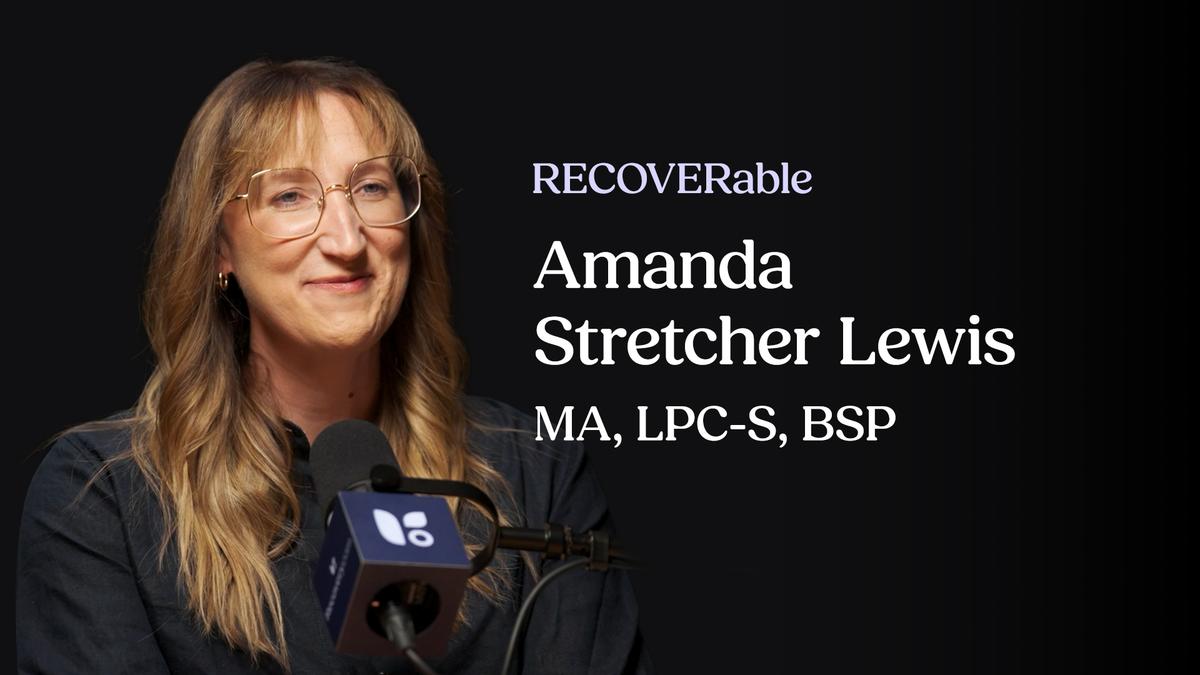
In this episode of Recoverable, Amanda joins host Terry McGuire to answer the internet's most searched questions about Complex PTSD, separating myths from facts while explaining how early relational trauma shapes the brain, nervous system, and sense of self. Most importantly, she offers hope that healing is possible.
If you've ever wondered why you feel stuck in survival mode long after the danger has passed, this conversation may help connect the dots.
1. What Is Complex PTSD?
CPTSD doesn't just change how someone feels.
CPTSD develops after repeated, prolonged exposure to trauma, most often within relationships rather than from a single event.
Unlike post-traumatic stress disorder, or PTSD, which commonly follows one life-threatening experience, CPTSD typically grows out of environments where someone couldn't escape. This often happens during childhood while the brain is still developing, although it can occur later in life as well.
Amanda explains that the nervous system learns how to survive in an unsafe environment. The problem is that those survival strategies continue running long after the danger is gone.
As she puts it, CPTSD doesn't just change how someone feels. It changes how they experience the world. Safe relationships can feel threatening. The world can seem dangerous. Even being yourself may feel unsafe.
Is Complex PTSD Different From PTSD?
One of the biggest myths Amanda addresses is that Complex PTSD is simply "PTSD with worse symptoms."
Instead, the two conditions have different origins.
PTSD is usually connected to a single traumatic event. Complex PTSD stems from repeated relational trauma, ongoing abuse, neglect, or unsafe environments that create lasting changes in emotional regulation, identity, and relationships.
The word "complex" refers not only to the trauma itself but also to the wide-ranging impact it has across nearly every area of life.
Explore Post Traumatic Stress Disorder Treatment Centers
2. What Causes Complex PTSD?
The common thread behind Complex PTSD isn't one specific event, but instead, many.
Amanda identifies several common causes of CPTSD, including:
- Emotional abuse.
- Physical abuse.
- Sexual abuse.
- Emotional neglect.
- Domestic violence.
- Growing up with caregivers struggling with addiction or untreated mental illness.
- Attachment injuries.
- Bullying without supportive adults.
- Parentification, when children are forced into adult caregiving roles.
Perhaps the most surprising insight is that trauma isn't only about what happened.
Sometimes it's about what never happened.
A child may never have experienced physical violence, but if no safe adult consistently offered comfort, protection, validation, or emotional support, their nervous system may still learn that the world isn't safe.
Does Emotional Neglect Count As Trauma?
Many people minimize their own experiences because they compare them to more obvious forms of abuse.
Amanda encourages listeners to stop measuring trauma by its appearance and instead look at its impact.
Two people may experience the same situation differently. What matters is how the nervous system processed it and whether that experience shaped survival patterns that continue today.
3. What Are the Signs and Symptoms of Complex PTSD?
Complex PTSD often hides behind diagnoses like anxiety or depression.
Amanda explains that symptoms fall into two broad categories.
The first overlaps with PTSD, including nightmares, flashbacks, avoidance, and living in a constant state of hypervigilance.
The second layer is what makes CPTSD unique.
People often experience intense shame, chronic self-blame, emotional numbness or overwhelming emotions, difficulty trusting others, and persistent struggles with relationships.
One of the most relatable examples Amanda shares is the experience of walking into a room and immediately scanning everyone else's emotions before noticing your own.
Many people become experts at managing everyone else's feelings while having almost no idea what they themselves need.
Why Does Complex PTSD Affect Relationships So Much?
When early relationships taught someone that closeness wasn't safe, those lessons don't automatically disappear in adulthood.
Amanda explains that current relationships are often filtered through old survival programming.
Someone may intellectually know they're safe while emotionally reacting as if danger is still present.
This can look like:
- Constantly reading facial expressions.
- Overanalyzing tone of voice.
- Assuming others are upset.
- People pleasing.
- Difficulty trusting.
- Fear of vulnerability.
- Feeling lonely while simultaneously fearing closeness.
These aren't personality flaws, but instead learned survival strategies.
4. Can Complex PTSD Be Mistaken for Depression or Anxiety?
Absolutely.
Amanda believes many people are walking around with undiagnosed Complex PTSD because its symptoms overlap with depression, anxiety, burnout, and even personality traits.
That distinction matters.
When someone believes they themselves are broken, they often spend years trying to fix the wrong problem.
Amanda explains that some individuals diagnosed with treatment-resistant depression may actually have underlying trauma that hasn't yet been recognized.
That doesn't mean depression isn't real. It means trauma may be the larger framework helping explain why traditional treatments haven't fully worked.
Why Don't Many People Realize They Have Complex PTSD?
Several reasons make CPTSD difficult to recognize.
Many childhood environments actively minimized what happened. Children were told they were too sensitive, or they were told everything was fine. Or, they were reminded they had food, shelter, and clothing, so nothing could have been wrong.
Over time, those messages become internalized.
Instead of questioning the environment, people question themselves.
Amanda says many clients carry years of self-doubt before finally realizing their nervous system adapted exactly as it needed to survive.
5. Can You Heal From Complex PTSD?
Diagnosis is not a life sentence.
Healing doesn't require reliving every traumatic memory. In fact, Amanda explains that forcing someone to revisit trauma in detail can sometimes be re-traumatizing.
Instead, recovery often begins with curiosity.
Amanda encourages clients to gently ask questions like:
- Why does this situation feel familiar?
- When have I felt this before?
- What did I need that I didn't receive?
- What survival strategy am I still using today?
Over time, therapy shifts people away from self-blame and toward self-compassion.
One of Amanda's favorite observations is that healing creates more choice. Rather than automatically reacting from old survival patterns, people begin slowing down, recognizing what's happening, and intentionally choosing different responses.
What Does Healing Actually Look Like?
Amanda says the biggest transformation isn't perfection— it's possibility.
Clients often leave therapy describing:
- Greater self-compassion.
- More emotional safety.
- Stronger boundaries.
- Healthier relationships.
- Less shame.
- More confidence.
- More agency.
- A belief that life doesn't have to stay the way it's always been.
As Amanda tells clients, the nervous system wasn't broken. It was incredibly wise, and it learned how to survive.
Now it can learn something new.
6. Why Do People With Complex PTSD Feel Shame and Blame Themselves?
Self-blame can create a sense of control when the truth feels too frightening.
Shame is a major part of complex PTSD, but Amanda offers a surprising explanation for why it develops: self-blame can begin as a form of self-protection.
For a child, recognizing that the people responsible for providing safety are themselves unsafe can be overwhelming. Believing, “There must be something wrong with me,” can feel more manageable than accepting that a caregiver, or the world around them, may not be safe.
As Amanda explains, “If I’m to blame, then I might be able to control it.” If the child is the problem, maybe they can behave differently, make themselves smaller, or somehow prevent the frightening experience from happening again.
Why Do Trauma Survivors Think Something Is Wrong With Them?
That belief can be reinforced by what a child repeatedly hears.
Amanda says her clients often remember being told, “You’re too sensitive,” “stop being so dramatic,” or “it wasn’t that bad.” Eventually, those external messages can become an internal critic.
Instead of recognizing that an environment or relationship is unhealthy, someone may question their own judgment.
“You question your own reality and your own judgment,” Amanda says. The conclusion becomes: there must be something wrong with me, not the environment.
7. What Is Dissociation, and Why Does It Happen After Trauma?
Dissociation creates distance from an experience the nervous system believes is too much to handle.
Dissociation doesn’t always look dramatic.
Amanda describes it as a spectrum. At one end, it might look like doomscrolling, mentally checking out, or driving home from work and barely remembering the drive.
More significant dissociation can involve depersonalization or derealization. Someone may feel as though they’re watching themselves from outside their body, or the world may feel unreal, dreamlike, or like a movie.
What these experiences have in common is distance. When the nervous system identifies an experience as too difficult to tolerate, dissociation can become a way of protecting itself.
The problem comes when the same response continues in situations that are actually safe.
Can Dissociation Ever Look Like a Strength?
Interestingly, it can.
Amanda says some people who dissociate can be extremely calm during a crisis. She sees this among healthcare professionals, including nurses and surgeons, whose ability to remain composed may even help them professionally.
But staying calm doesn’t necessarily mean the nervous system wasn’t affected. The experience still needs to be processed.
Understanding dissociation this way changes the question from “What’s wrong with me?” to “What was my nervous system trying to protect me from?”
8. Why Can You Know You’re Safe but Still Feel Unsafe?
Your body can recognize a familiar pattern before your conscious mind understands what’s happening.
One of the most frustrating experiences after trauma is the disconnect between what you know and what you feel.
Logically, you may know a difficult conversation isn’t dangerous. You may know someone isn’t abandoning you. You may know you’re no longer living in the environment where the original trauma occurred.
Your body may still react as though danger is imminent.
Amanda connects this to implicit memory, a type of memory that doesn’t necessarily have a conscious story attached to it.
Instead, it’s more like the brain and body recognizing: “I’ve been here before. I know what happens next, and I know what I need to do.”
That reaction can happen before the thinking part of the brain is even aware of it.
Why Can Tiny Changes Feel So Threatening?
This helps explain why something seemingly insignificant can provoke such a strong response.
Someone gets quieter than usual. Their tone changes. They take longer to respond.
Instead of wondering what happened, the nervous system may immediately assume, “They’re mad at me. They hate me. They’re going to leave.”
Amanda explains that CPTSD triggers can be as subtle as silence or someone behaving slightly differently than expected.
Constantly monitoring for these small signs of danger can be exhausting. By the time many of Amanda’s clients seek help, they’re simply tired of living this way.
9. Can Trauma Be Passed Down Through Generations?
The effects of trauma may extend beyond the person who originally experienced it.
Not every trauma-related pattern comes with an obvious personal memory.
Amanda discusses how trauma can have a generational component. Experiences affecting one generation can influence the next through stress, relationships, caregiving environments, and biological processes.
She gives the example of experiences affecting a mother also influencing her child during pregnancy. She then points out that the egg cells that may eventually become grandchildren are already present during fetal development, illustrating a potential biological connection among multiple generations that is still being studied.
This can add another layer for someone asking, “Why do I react this way?”
There may not always be one obvious event or memory that explains everything.
Is Generational Trauma Genetic?
Amanda doesn’t describe generational trauma as simply genetic.
Instead, she talks about the ways stressful or traumatic environments can have effects that carry forward. That makes generational trauma more complicated than a simple nature-versus-nurture question.
Understanding this possibility can also offer a new framework for patterns someone has struggled to explain. An automatic response doesn’t necessarily reflect an inherent flaw in who you are.
10. Why Isn’t Complex PTSD in the DSM-5?
CPTSD is recognized internationally, but not as a separate diagnosis in the primary diagnostic manual used in the United States.
One of the most practical questions Amanda addresses is why complex PTSD can be difficult to diagnose.
CPTSD is included in the ICD-11, the international diagnostic classification system. But it isn’t listed as a separate diagnosis in the DSM-5, the manual commonly used by mental health professionals in the United States.
That difference matters.
If clinicians rely on assessments designed to identify other conditions, CPTSD may not be caught. Some providers may also be looking for a more stereotypical trauma history involving one major life-threatening event.
If that event isn’t there, trauma may not immediately become part of the conversation.
Amanda says identifying CPTSD requires looking beyond trauma history alone and considering the full impact of someone’s experiences and how they affect daily life.
Can You Still Get Treatment for CPTSD?
Yes.
Amanda emphasizes that CPTSD not having its own DSM-5 diagnosis doesn’t mean someone can’t access mental health care.
“There’s always another way,” she says. Finding a trauma-informed therapist who understands complex PTSD can help someone navigate the available system and find appropriate care.
Awareness itself can also be an important first step.
Many of Amanda’s clients have been in therapy before, but hear the language of CPTSD for the first time when working with her. For some people, encountering the term through a podcast or article may finally provide language for experiences they’ve struggled to understand for years.
Final Thoughts
Complex PTSD can shape how someone sees themselves, responds to stress, and experiences safety long after the original trauma has passed. But as Amanda Stretcher Lewis explains across both conversations, many of these patterns began as ways to survive. Understanding that can help shift the question from “What’s wrong with me?” to “What happened, and what did I learn to do to survive?”
Most importantly, those learned patterns aren’t necessarily permanent. Healing can mean having more choice, more self-compassion, and more capacity to respond instead of react. The changes may be subtle, but they matter. As Amanda reminds us, “Your system can learn something different.”
Our Promise
How Is Recovery.com Different?
We believe everyone deserves access to accurate, unbiased information about mental health and recovery. That's why we have a comprehensive set of treatment providers and don't charge for inclusion. Any center that meets our criteria can list for free. We do not and have never accepted fees for referring someone to a particular center. Providers who advertise with us must be verified by our Research Team and we clearly mark their status as advertisers.
Our goal is to help you choose the best path for your recovery. That begins with information you can trust.