Find Treatment By
Rehabs by Location


Find Treatment By
Learn
About Us
Recovery.com combines independent research with expert guidance on addiction and mental health treatment. Our mission is to help everyone find the best path to recovery through the most comprehensive, helpful network of treatment providers worldwide.
Advisory Council
Our advisory council brings together leaders in behavioral health, technology, and business. Their diverse expertise ensures our resources and product are innovative, evidence-based, and effective. They guide our mission as accomplished individuals dedicated to improving the landscape of addiction recovery and mental wellness.
What Is Addiction? 10 Expert Answers On The Internet’s Most Searched Addiction Questions


Michelle Rosenker is a Senior Web Editor at Recovery.com. She has an extensive background in content production and editing and serves as a subject matter expert in the field of addiction and recovery.
Michelle Rosenker is a Senior Web Editor at Recovery.com. She has an extensive background in content production and editing and serves as a subject matter expert in the field of addiction and recovery.
Table of Contents
- 1. What Is Addiction, Really?
- 2. Is Addiction Genetic or Caused by Trauma?
- 3. What Are the Biggest Myths About Addiction?
- 4. Do You Have to Hit Rock Bottom to Recover?
- 5. Why Can’t People With Addiction Just Quit?
- 6. Is Relapse a Normal Part of Addiction Recovery?
- 7. Does Addiction Recovery Ever Really End?
- 8. What’s the Difference Between Sobriety and Recovery?
- 9. Can Someone Be Functional in Their Addiction and How Can You Tell?
- 10. Can You Stop Addiction With Willpower Alone?
- Conclusion
Addiction is one of the most searched health topics on the internet, yet it remains one of the most misunderstood. People want to know why it happens, who it affects, and whether recovery is actually possible. They also want answers that go beyond judgment, fear, and outdated stereotypes.
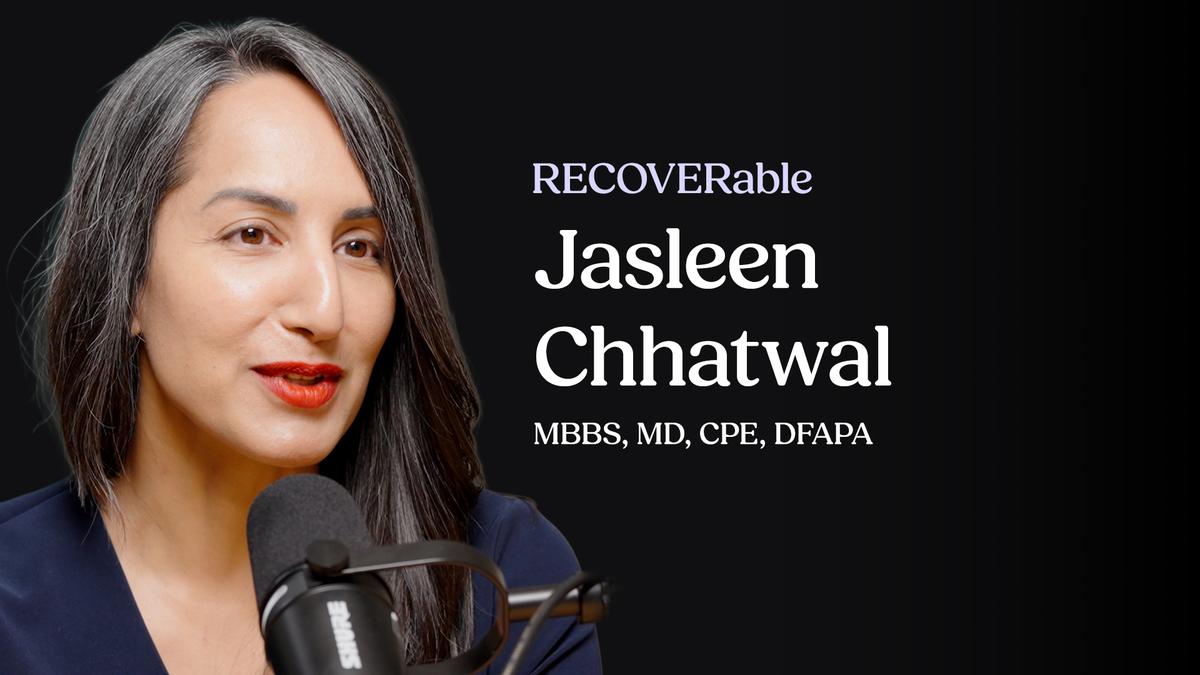
In this episode of Recoverable, board-certified psychiatrist and addiction medicine physician Dr. Jasleen Chhatwal sits down to answer the internet’s most searched questions about addiction. What emerges is a compassionate, science-backed conversation that reframes addiction as a brain-based health condition, not a moral failure.
Below are the five biggest questions this episode answers, broken down into clear, practical insights you can actually use.
1. What Is Addiction, Really?
Addiction is not a lack of willpower, it is a brain-based survival loop.
Addiction is best understood as a chronic, relapsing condition of the brain. According to Dr. Chhatwal, it occurs when the brain’s reward system becomes hijacked by a substance or behavior. Dopamine, the neurotransmitter associated with motivation and reward, starts driving the system instead of supporting it.
In the beginning, addiction often starts as self-medication. Many people are not chasing a high. They are trying to feel normal. Trauma, stress, anxiety, and depression can leave someone feeling disconnected from themselves and others. Substances or behaviors temporarily close that gap.
Over time, the brain adapts. What once helped now creates more pain. Dopamine levels drop when the substance or behavior is absent, making the person feel worse than before. The cycle becomes less about pleasure and more about avoiding discomfort.
Why addiction can feel like the solution
From the outside, addiction looks destructive. From the inside, it can feel like the only thing that works. Dr. Chhatwal explains that people in addiction are not seeing their lives from a wide-angle view. They are focused on surviving their internal experience.
This helps explain why people often say things like “it’s my friend” or “I didn’t want to stop.” If something helps you function in the world, even temporarily, why would you give it up?
Explore Drug Addiction Treatment Centers
2. Is Addiction Genetic or Caused by Trauma?
Addiction risk is shaped by both biology and life experience.
Research shows that roughly 40 to 60 percent of addiction risk is genetic. That does not mean addiction is inevitable. It means the brain may be more vulnerable to being pulled into addictive patterns once exposure occurs.
Dr. Chhatwal compares addiction risk to cancer risk. If a disease runs in your family, you are not blamed. You are screened earlier and educated so you can make informed health decisions. Addiction deserves the same approach.
How trauma increases addiction risk
Trauma is one of the strongest environmental risk factors for addiction. Early life trauma, in particular, can impact how the brain develops. Emotional regulation, stress response, impulse control, and decision-making can all be affected.
When trauma disrupts these systems, substances or behaviors can become a way to self-soothe and regulate emotions. Addiction, in this sense, is not random. It is adaptive at first, even if it becomes harmful later.
Dr. Chhatwal emphasizes that trauma is not just personal. It is also shaped by systemic factors like poverty, lack of access to care, and chronic stress.
3. What Are the Biggest Myths About Addiction?
The biggest myth is that addiction is a moral failure.
One of the most damaging misconceptions about addiction is that it reflects a character flaw. Dr. Chhatwal is clear, addiction is a health condition, not a personal failing.
Another myth is that addiction only affects certain kinds of people. The stereotype often focuses on extreme cases, but addiction affects people across every demographic. CEOs, parents, students, and professionals can all struggle with substance use or behavioral addictions.
Why stigma keeps people stuck
Stigma delays treatment. Many people do not seek help because they believe they do not “look like an addict.” Others fear judgment from family, employers, or healthcare providers.
Dr. Chhatwal notes that even people in treatment sometimes say, “I’m not like those people, I still have a job.” Addiction does not discriminate, and comparing suffering only keeps people from getting help.
4. Do You Have to Hit Rock Bottom to Recover?
Rock bottom is not required, and waiting for it can be dangerous.
The idea of rock bottom is one of the most searched and misunderstood concepts in addiction. Dr. Chhatwal explains that rock bottom looks different for everyone. For some, it is losing a job. For others, it is simply realizing the substance no longer feels good.
Recovery often begins when the balance between the positives and negatives shifts. Either the consequences become too painful, or the substance stops providing relief. That moment does not have to involve total collapse.
Why support matters more than punishment
Withdrawing support in hopes that someone will “wake up” often backfires. Addiction thrives in isolation. Dr. Chhatwal emphasizes that keeping the door open to connection keeps hope alive.
Relapse is also not failure. Each attempt at recovery teaches the brain something new. Progress is rarely linear, and compassion increases the odds of long-term change.
5. Why Can’t People With Addiction Just Quit?
Because the brain is no longer in the driver’s seat.
One of the most common questions about addiction is also one of the most judgment-laced. Dr. Chhatwal explains that addiction shifts control from the prefrontal cortex, the part of the brain responsible for reasoning and decision-making, to the reward and emotional centers.
Cravings are not just psychological. They are physiological signals driven by dopamine systems that have adapted to expect intense stimulation. When those signals are active, logic alone is not enough to override them.
Can you get control back?
Yes, but it usually requires support and change. Treatment helps calm the reward system and strengthen executive control. For some people, this happens through therapy, medication, trauma work, or environmental changes.
Recovery often involves changing not just the substance use, but the context around it. Sometimes that means new routines, new relationships, or even a new location.
In Part One of this conversation, we explored what addiction really is, how it affects the brain, and how stigma can keep people from getting the treatment they need.
Part Two shifts the focus to what happens next.
Dr. Jasleen Chhatwal goes deeper into how recovery actually works in real life. She explains how treatment is structured, why mental health and addiction must be addressed together, and how families can support healing without making things worse.
This conversation answers the questions people search when they are ready to take action, whether they are considering treatment for themselves, navigating relapse, or trying to help someone they love in a meaningful way.
6. Is Relapse a Normal Part of Addiction Recovery?
Relapse is one of the most feared outcomes in addiction, but it is also one of the most misunderstood. Many people assume relapse means treatment failed or the person did not try hard enough.
Dr. Chhatwal explains that relapse is more likely than not during the healing process. Rather than viewing it as failure, she reframes relapse as information. It reveals what stressors, emotions, or situations led someone back to using drugs or alcohol as a coping mechanism.
Each relapse provides data that can strengthen a relapse prevention plan. Over time, people often discover new triggers they did not recognize early on. Learning from relapse helps individuals build better structures, increase support, and reduce future risk.
Why does relapse feel so shameful?
Relapse is often treated as a moral failure instead of a learning opportunity. Dr. Chhatwal emphasizes the importance of removing shame, both for the person in recovery and their family. Shame makes people hide, while understanding helps them return to healing.
7. Does Addiction Recovery Ever Really End?
Many people ask whether addiction ever truly goes away. Dr. Chhatwal is clear that even after many years of sobriety, the risk of relapse remains.
This does not mean recovery is fragile or hopeless. It means recovery is ongoing. Addiction is a chronic condition, and staying well requires continued intention, awareness, and care.
She compares recovery to yoga. You do not fail because you stop practicing for a while. You simply return to the mat. In the same way, relapse does not erase progress. It shows that someone was able to achieve recovery before and can do it again.
How do people stay grounded long term?
Dr. Chhatwal emphasizes staying present. Recovery happens one day at a time, one decision at a time. Focusing too far into the future makes recovery feel overwhelming. The present moment is where change actually happens.
8. What’s the Difference Between Sobriety and Recovery?
Sobriety and recovery are often used interchangeably, but they are not the same.
Sobriety refers to not using substances.
Recovery is broader and more holistic.
Recovery asks deeper questions. Have the underlying issues been addressed? Are trauma, mental health, stress, and coping skills being supported? Is the person aligned with their values and sense of purpose?
Dr. Chhatwal explains that recovery applies beyond substance use. People recover from mental health conditions, trauma, and even from the chaos of life itself. Recovery is about becoming more whole, not just stopping a behavior.
Can someone be sober but not in recovery?
Yes. Someone may stop using substances while still struggling internally. Without addressing the drivers of addiction, sobriety alone may not feel stable or sustainable.
9. Can Someone Be Functional in Their Addiction and How Can You Tell?
Many people believe addiction only exists when life visibly falls apart. But functional addiction is common and often hidden.
A person who misuses drugs and alcohol but is still able to be functional may meet work obligations, show up for family, and appear successful on the outside. Internally, they may feel out of control, compulsive, or exhausted from holding everything together.
Dr. Chhatwal describes it like a duck gliding across water. Calm on the surface, working furiously underneath. Even without obvious consequences, substance use can still change the brain and require enormous effort to manage.
What are the subtle warning signs?
Not missing work or avoiding legal trouble does not mean there is no problem. Warning signs include internal distress, reliance on substances to cope, compulsive behavior, and the feeling that life is being held together through constant effort.
10. Can You Stop Addiction With Willpower Alone?
One of the most persistent myths about addiction is that people should be able to stop if they really want to. Dr. Chhatwal strongly challenges this belief.
Willpower is limited for everyone. Addiction affects brain circuits related to reward and stress, making willpower an unreliable solution. Even people without addiction struggle to resist behaviors that strongly activate dopamine.
Effective recovery reduces reliance on willpower by building structure, support, and healthier coping strategies. Treating addiction as a moral issue only increases shame and delays care.
Why does this myth cause harm?
Believing addiction is about willpower leads people to blame themselves or others. This discourages early intervention and keeps people from seeking help when they need it most.
Conclusion
Addiction recovery is not a straight line, and it is not about perfection. It is about learning, returning, and continuing to show up. Relapse is information, not failure. Sobriety is important, but recovery is bigger. Compassion matters more than control.
The biggest lesson from this conversation is simple. Start with curiosity. Start with care. Whether for yourself or someone you love, recovery grows when shame ends and understanding begins.
Our Promise
How Is Recovery.com Different?
We believe everyone deserves access to accurate, unbiased information about mental health and recovery. That's why we have a comprehensive set of treatment providers and don't charge for inclusion. Any center that meets our criteria can list for free. We do not and have never accepted fees for referring someone to a particular center. Providers who advertise with us must be verified by our Research Team and we clearly mark their status as advertisers.
Our goal is to help you choose the best path for your recovery. That begins with information you can trust.