Find Treatment By
Rehabs by Location


Find Treatment By
Learn
About Us
Recovery.com combines independent research with expert guidance on addiction and mental health treatment. Our mission is to help everyone find the best path to recovery through the most comprehensive, helpful network of treatment providers worldwide.
Advisory Council
Our advisory council brings together leaders in behavioral health, technology, and business. Their diverse expertise ensures our resources and product are innovative, evidence-based, and effective. They guide our mission as accomplished individuals dedicated to improving the landscape of addiction recovery and mental wellness.
What Are Levels of Care? 10 Expert Answers On The Internet’s Most Searched Addiction Treatment Questions


Michelle Rosenker is a Senior Web Editor at Recovery.com. She has an extensive background in content production and editing and serves as a subject matter expert in the field of addiction and recovery.
Michelle Rosenker is a Senior Web Editor at Recovery.com. She has an extensive background in content production and editing and serves as a subject matter expert in the field of addiction and recovery.
Table of Contents
- 1. What Are the Different Levels of Care?
- 2. Outpatient Therapy, The Foundation of Treatment
- 3. What Is IOP, and When Do You Need More Support?
- 4. What Is PHP, and Why Is It So Confusing?
- 5. What Happens in Residential Treatment, Inpatient Care, and Detox?
- 6. When Is It Actually Time to Get Treatment?
- 7. How Do You Know What Level of Care You Need?
- 8. Is Relapse Part of Recovery?
- 9. What Happens After Treatment Ends?
- 10. Why Do Support Groups and Daily Habits Matter?
If you’ve ever tried to understand addiction or mental health treatment, you’ve probably run into a wall of confusing terms. Outpatient, IOP, PHP, residential, inpatient, detox— it can feel like learning a new language at the very moment you need clarity the most.
That’s exactly why this conversation matters.
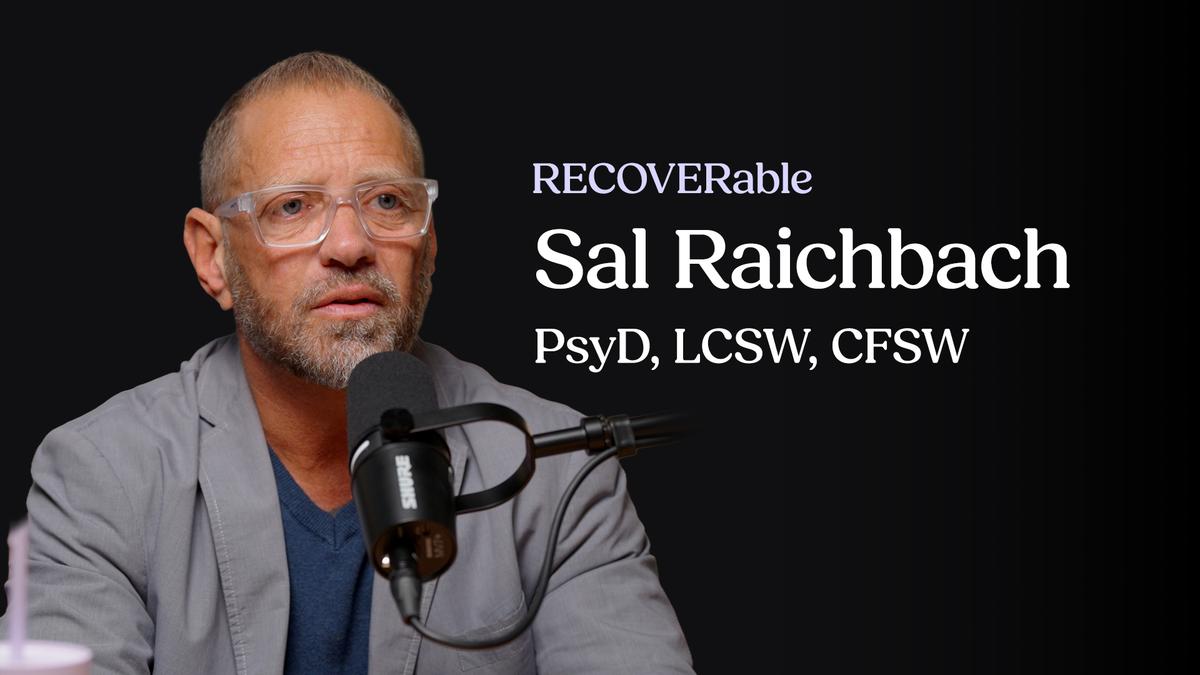
In this episode of RECOVERable, host Terry McGuire sits down with Dr. Sal Raichbach of The Haven Detox, a behavioral health expert with more than 33 years of experience, to break down levels of care in plain, practical language. His core message is simple, informed people make better treatment decisions.
Whether you’re seeking help for yourself or someone you love, understanding these levels can make the process feel far less overwhelming.
Explore Drug Addiction Treatment Centers
1. What Are the Different Levels of Care?
At its core, addiction and mental health treatment exists on a spectrum, from the least restrictive to the most intensive.
Dr. Raichbach outlines the specific levels of care clearly:
- Outpatient therapy
- Intensive outpatient (IOP)
- Partial hospitalization (PHP)
- Residential treatment
- Inpatient care
Alongside these is detox, which plays a unique role in substance use treatment.
Each level is designed to meet people where they are, based on symptom severity, safety needs, and ability to function independently. There is no one “right” path, only the right level of support at the right time.
Where does detox fit in?
Detox is often misunderstood. Many assume it is required for everyone entering treatment, but that is not the case.
“Not everyone needs detox level of care,” Dr. Raichbach explains.
Detox is specifically for medical stabilization during withdrawal. Substances like alcohol and benzodiazepines can cause dangerous and even life-threatening withdrawal symptoms, which is when detox becomes necessary. Other substances may not require that same level of medical oversight.
This is why professional assessment matters more than self-diagnosing online.
2. Outpatient Therapy, The Foundation of Treatment
Outpatient treatment is the least intensive level of care, but it is also one of the most important.
If you are seeing a therapist regularly, you are already in outpatient treatment. It is a structured, ongoing relationship focused on understanding challenges, setting goals, and building healthier patterns.
For substance use, outpatient therapy often focuses on maintaining sobriety and developing coping strategies. As Dr. Raichbach puts it, treatment is about “teaching new skills and also strengthening coping skills that the person may have had prior to substance dependency.”
That distinction matters. Therapy is not just about insight, it is about learning how to handle stress, emotions, and life without turning to substances.
3. What Is IOP, and When Do You Need More Support?
Intensive outpatient program, or an IOP, add structure and accountability without requiring a full-time stay.
Typically, IOP involves about three hours of treatment, three times a week, with a strong emphasis on group therapy and peer support. Individual sessions are often included as well.
The goal is real-world application. Dr. Raichbach describes IOP as the stage where “real life starts again.”
People in IOP are practicing what they’ve learned, managing triggers, rebuilding routines, and navigating daily life while still receiving consistent support.
Can you move up to IOP?
Yes. Treatment is not a straight line.
Dr. Raichbach points out that someone might step down into IOP after residential care, or step up from outpatient care if symptoms worsen or a relapse occurs. Increasing intensity is often necessary when weekly therapy alone is not enough.
Can IOP be virtual?
Yes. Telehealth IOP has been shown to be effective when clients are engaged and willing to apply what they learn. This has expanded access for many people who might not otherwise receive care.
4. What Is PHP, and Why Is It So Confusing?
Partial hospitalization program, or a PHP, is one of the most misunderstood levels of care.
Despite the name, it does not mean being partially hospitalized. Instead, it is a highly structured, intensive program that typically runs five to seven days a week for several hours each day.
PHP offers more clinical support than IOP, including therapy, medication management, and close monitoring, while still allowing clients to live outside the facility.
Who is PHP for?
PHP is ideal for individuals who need significant support but do not require 24/7 supervision.
According to Dr. Raichbach, this includes people who are stable enough to avoid immediate harm, can participate in treatment, and are capable of some level of independent functioning.
Some individuals combine PHP with supportive living environments if returning home is not yet safe or stable.
Is PHP covered by insurance?
Often, yes. However, coverage depends on several factors, including meeting medical necessity criteria, which is determined through professional assessment.
5. What Happens in Residential Treatment, Inpatient Care, and Detox?
Residential treatment is what most people think of when they hear “rehab.” It is a live-in program with 24/7 support, structure, and supervision.
It is designed for individuals who cannot safely function on their own due to the severity of their symptoms or behaviors.
Treatment in residential care is comprehensive. It includes:
- Individual therapy
- Group therapy
- Psychiatric support
- Case management
- Daily structured programming
The intake process is thorough, involving clinical assessments, medical evaluations, and a full understanding of a person’s biological, psychological, and social background.
From there, a clear treatment plan is created that is specific, measurable, and time-bound.
A typical day may include therapy sessions, educational groups, peer interaction, and sometimes experiential therapies like art or music. As Dr. Raichbach explains, “therapy is all day long.”
How long does residential treatment last?
Many people focus on the idea of a 30-day stay, but that number often comes from insurance standards, not clinical necessity.
Dr. Raichbach emphasizes, “It’s not so much the amount of time spent in treatment. It’s the quality of time spent in treatment.”
Most programs range from about three to five weeks, but the goal is meaningful progress, not simply completing a set number of days.
What if someone resists treatment?
Resistance is common and expected.
Many people enter treatment unsure, uncomfortable, or even unwilling. Group therapy, in particular, can feel intimidating. But Dr. Raichbach notes that even those who resist at first are often surprised by how impactful it becomes.
Sometimes the first step is simply showing up and listening.
When is inpatient care necessary?
Inpatient care is the highest and most acute level of treatment, usually provided in a hospital setting.
It is reserved for individuals who are:
- Actively suicidal or homicidal
- Severely disorganized or impaired
- Unable to function safely
The focus is immediate stabilization, not long-term therapy. Stays are typically short, often just a few days, and involve intensive psychiatric care, medication management, and safety monitoring.
Who needs detox?
Detox is specifically for managing withdrawal safely.
Substances like alcohol and benzodiazepines can cause severe withdrawal symptoms, including life-threatening complications. Detox provides medical supervision to reduce risk and increase comfort.
Dr. Raichbach makes an important distinction, “Detox is not rehab.” It is the first step for some, not the full treatment process.
6. When Is It Actually Time to Get Treatment?
One of the most common questions people ask is also one of the hardest to answer: how do you know when it is time to get help?
According to Dr. Raichbach, the answer is often hiding in plain sight.
Many people come into treatment after noticing a pattern. They keep doing the same things, expecting different results, and nothing changes. The consequences pile up, whether they are emotional, financial, or relational, and eventually it becomes harder to ignore.
He puts it bluntly, it is hard not to know when something is wrong when the same outcomes keep happening over and over again.
But here is where it gets complicated. Many people are not fully convinced they have a problem. They minimize. They compare themselves to others. They say, “I’m not as bad as that person.”
This is where outside voices often come in.
Friends, family, or even legal systems sometimes push someone toward treatment. And while that push may not feel gentle, it can be the moment that opens the door.
As Dr. Raichbach explains, sometimes you just need to get your foot in the door, and then let the process do its work.
7. How Do You Know What Level of Care You Need?
Here is a surprising answer from Dr. Raichbach, most people do not.
And that is actually okay.
While self-advocacy is important, treatment decisions should be collaborative. A person shares their experiences, symptoms, and concerns, and professionals help guide the recommendation.
Dr. Raichbach even admits he gets nervous when clients try to dictate their own level of care without professional input.
Why? Because it is easy to underestimate or misunderstand your own situation.
Honesty Is the Most Important Factor
If there is one thing that determines whether someone gets the right care, it is honesty.
Think of it like a doctor’s visit. If you are not truthful about your symptoms, you will not get the right diagnosis or treatment.
The same applies here.
Being open about substance use, mental health, and life circumstances allows providers to make accurate recommendations. Without that, people risk getting only part of the help they need.
8. Is Relapse Part of Recovery?
This is one of the most debated and misunderstood topics in addiction recovery.
Dr. Raichbach does not sugarcoat it.
Relapse does not have to happen, but it is a real possibility.
And more importantly, it is not failure.
He gives a powerful example. If someone spends months in treatment, builds sobriety, and then relapses, that does not erase their progress. It is a setback, not the end.
Failure, in his words, is giving up entirely and deciding recovery is not possible.
Why Talking About Relapse Matters
Avoiding the topic of relapse can actually make things worse.
If people believe relapse should never happen, then when it does, they feel defeated and ashamed. That shame can push them further away from recovery.
Instead, being aware of relapse as a possibility helps people prepare. It allows them to recognize triggers and respond instead of spiraling.
As Dr. Raichbach puts it, relapse may be part of the game, but it does not have to define the outcome.
9. What Happens After Treatment Ends?
One of the most powerful insights from this conversation is this: discharge begins at admission.
It sounds ironic, but it is true.
From the moment someone enters treatment, providers are already thinking about what happens next.
Recovery Does Not End When Treatment Does
Leaving a program is not the end of recovery, it is just the end of that treatment episode.
Aftercare planning includes:
- Continued therapy or outpatient programs
- Supportive living environments
- Psychiatric and medical follow-up
- Job or education support
- Community resources
This is often called “wraparound care,” and it is essential.
Because the real challenge begins when someone leaves the structured environment and returns to everyday life.
What If You Go Back to the Same Environment?
This is a reality for many people.
Not everyone has the option to leave a triggering or unhealthy environment. So what happens then?
Treatment focuses on building tools, coping strategies, and awareness.
Dr. Raichbach describes it like giving someone a tool belt. The tools are there, but it is up to the individual to use them.
At the same time, involving family or support systems can help shift the environment when possible. Even small changes can reduce triggers and support recovery.
10. Why Do Support Groups and Daily Habits Matter?
Aftercare is not just about formal treatment. It is also about daily life.
Support groups, peer communities, and group therapy play a huge role. They reduce shame, provide connection, and show people they are not alone.
Daily habits matter just as much:
- Self-reflection and mindfulness
- Healthy routines like exercise and nutrition
- Taking prescribed medications
- Surrounding yourself with positive influences
These small, consistent actions build long-term stability.
Conclusion
If there is one message to take away from this conversation, it is this: Recovery is not linear, but it is always possible.
People may enter treatment unsure, resistant, or even pushed into it. They may relapse. They may try more than once. But none of that means they cannot recover.
As Dr. Raichbach shares, he has seen countless people who seemed too far gone find their way back.
Sometimes it takes hearing the right message at the right time. Sometimes it takes trying again.
But it always takes one thing– a willingness to stay open.
Our Promise
How Is Recovery.com Different?
We believe everyone deserves access to accurate, unbiased information about mental health and recovery. That's why we have a comprehensive set of treatment providers and don't charge for inclusion. Any center that meets our criteria can list for free. We do not and have never accepted fees for referring someone to a particular center. Providers who advertise with us must be verified by our Research Team and we clearly mark their status as advertisers.
Our goal is to help you choose the best path for your recovery. That begins with information you can trust.