Find Treatment By
Rehabs by Location


Find Treatment By
Learn
About Us
Recovery.com combines independent research with expert guidance on addiction and mental health treatment. Our mission is to help everyone find the best path to recovery through the most comprehensive, helpful network of treatment providers worldwide.
Advisory Council
Our advisory council brings together leaders in behavioral health, technology, and business. Their diverse expertise ensures our resources and product are innovative, evidence-based, and effective. They guide our mission as accomplished individuals dedicated to improving the landscape of addiction recovery and mental wellness.
Virtual IOP Strategy: 5 Key Insights for Treatment Centers


Clint Mally is the Vice President of Content at Recovery.com, where he leads creative strategy rooted in one guiding belief: communication is a form of care. Drawing on his background in education, storytelling, and behavioral health marketing, he helps make recovery information accessible, empathetic, and empowering.
Clint Mally is the Vice President of Content at Recovery.com, where he leads creative strategy rooted in one guiding belief: communication is a form of care. Drawing on his background in education, storytelling, and behavioral health marketing, he helps make recovery information accessible, empathetic, and empowering.
Table of Contents
Virtual intensive outpatient programming is one of the most talked-about growth opportunities in behavioral health right now.
But most treatment centers are asking the wrong question.
They are asking, “Should we launch a VIOP?”
The better question is, “Are we ready to build this the right way?”
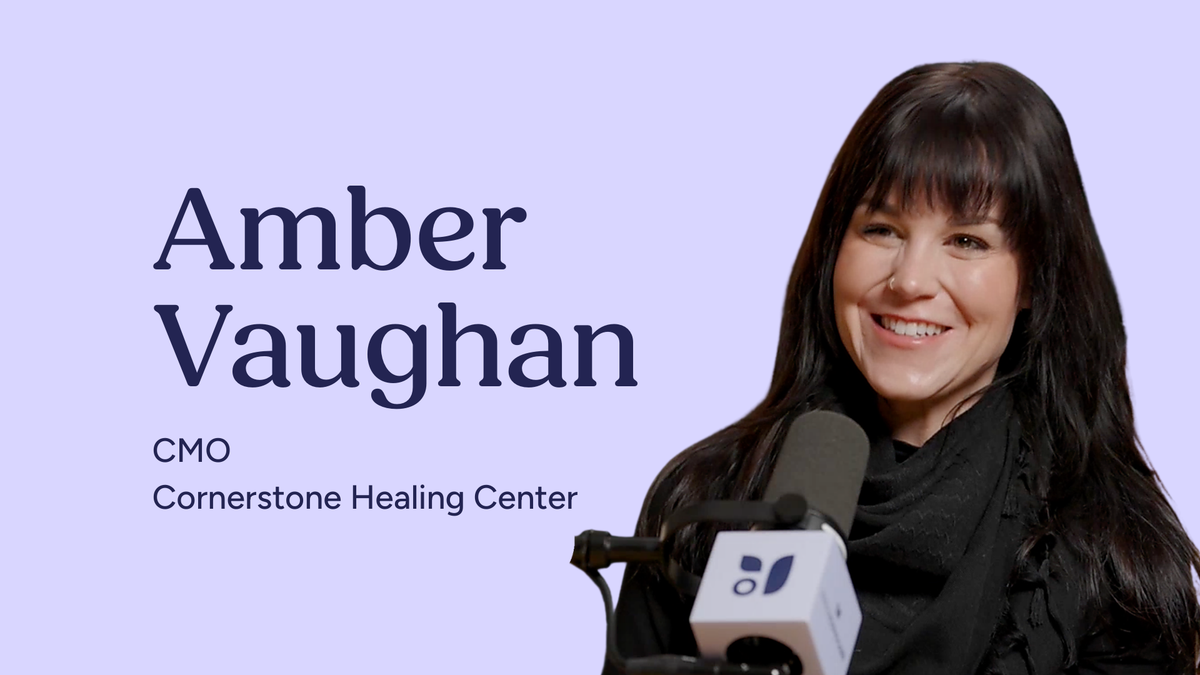
That distinction came into focus in a conversation with Amber Vaughan of Cornerstone Healing Center, a provider with four locations, over 250 beds, and a full continuum of care from residential through outpatient. Cornerstone has built one of the largest VIOP programs in Arizona through deep iteration across marketing, admissions, and clinical delivery.
Their experience highlights a simple truth.
VIOP is not a plug-and-play service line. It is a strategic shift that touches every part of your organization.
Here are the five things every treatment center should understand before building one.
1. VIOP is a different product, not a digital extension
The most common mistake is assuming VIOP is just IOP delivered over video.
It is not.
You cannot take your in-person program, move it onto Zoom, and expect the same results. As Amber Vaughan shared, virtual care requires a different level of intentionality across clinical delivery, engagement, and experience design.
Virtual programs require:
- Clinicians who can actively create engagement, not just deliver curriculum
- Programming designed specifically for digital environments
- A more intentional approach to building connection
Not every clinician is the right fit for virtual care. The ones who succeed are those who can create real rapport through a screen and keep patients engaged in a setting full of distractions.
Engagement is actually harder in virtual settings. Patients are at home. They can disengage easily. They can multitask or stop attending altogether.
This means your program must be something patients want to show up for.
It also means your curriculum may need to evolve. What works in person may not translate virtually. Treatment centers need to measure engagement and outcomes closely, then iterate quickly.
Technology also matters. Your platform must be HIPAA compliant, support both group and individual sessions, and enable a seamless experience.
This is not a delivery change. It is a product redesign.
2. Your “why” and your patient define success
Before building VIOP, treatment centers must align on one question.
Why are we doing this?
If the goal is:
- Increasing census quickly
- Adding a lower-cost revenue stream
The program will likely struggle.
If the goal is:
- Extending your continuum of care
- Supporting patients after discharge
- Improving long-term outcomes
- Expanding access to underserved populations
Then VIOP becomes a strategic advantage.
Cornerstone built their program to solve real problems. Patients leaving higher levels of care needed continued support. Others could not access in-person treatment due to geography, family responsibilities, or work constraints.
VIOP works best for:
- Step-down patients transitioning from residential or PHP
- Individuals who need more than weekly therapy
- First-time treatment seekers who are unsure about committing to higher levels of care
- People in rural or underserved areas
- Parents and caregivers who cannot leave daily responsibilities
- Individuals with transportation or health limitations
It is not appropriate for high-acuity crisis situations like detox.
At its best, VIOP meets people where they are instead of forcing them to fit into a rigid system.
This is not about adding a service. It is about solving access and continuity challenges.
3. VIOP marketing requires education, content, and patience
One of the biggest shifts happens in marketing.
Consumers are not searching for “VIOP.”
They are searching for help.
They search for:
- “therapy not working”
- “rehab options”
- “depression treatment near me”
This means your marketing must translate clinical offerings into real-world problems.
Instead of leading with levels of care, treatment centers need to address:
- When weekly therapy is not enough
- When full-time treatment is not realistic
- How care can fit into someone’s life
The sales cycle is also longer.
VIOP patients are often not in immediate crisis. They are exploring. They are ambivalent.
Cornerstone has seen:
- 7 to 10 touchpoints before a form submission
- Weeks or months of follow-up before admission
This is not a short-term conversion model. It is a relationship-driven funnel.
That is why content becomes critical.
In residential care, your facility builds trust. In virtual care, your content and clinicians do.
You need to show:
- Who your clinicians are
- What sessions actually look like
- How the program works
- Why it is effective
High-performing programs invest in:
- Video content
- Social media
- Blog articles
- Podcast clips
- FAQs and visual explainers
Content is how you replace the physical experience of touring a facility.
This also requires a higher level of digital sophistication. Treatment centers cannot rely solely on local reputation or referral relationships. Brand awareness and digital reach become critical.
This is a long-term brand investment, not a quick campaign.
4. Admissions must be redesigned for a modern consumer
Even the best marketing will fail if your intake process creates friction.
VIOP consumers expect:
- Fast responses
- Simple next steps
- Digital-first experiences
If your process includes multiple calls, delays, or complex workflows, you will lose them.
Treatment centers need to rethink the entire intake experience.
The goal is to reduce resistance and help patients start care faster.
Admissions conversations must also evolve.
VIOP prospects often:
- Do not understand levels of care
- Are unsure what they need
- Feel ambivalent about treatment
This requires a shift from transactional intake to consultative conversations.
Teams must:
- Educate patients
- Explore needs
- Build trust
- Guide decision-making
Amber Vaughan emphasized the importance of slowing down and having meaningful conversations.
This is where approaches like motivational interviewing become essential. Instead of pushing patients into care, the goal is to help them resolve their own ambivalence and choose change for themselves.
This requires training, empathy, and a higher level of sophistication from your admissions team.
5. VIOP is a long-term brand, access, and lifetime value play
The biggest upside of VIOP is not immediate admissions.
It is long-term impact.
VIOP allows treatment centers to:
- Extend patient relationships beyond 30 to 90 days
- Increase lifetime value
- Improve outcomes through longer engagement
- Expand beyond geographic limitations
Cornerstone approached VIOP as an extension of their mission to provide accessible, high-quality care across both commercial and Medicaid populations.
That perspective changes how success should be evaluated.
Instead of asking, “How many admissions will this generate next month?” treatment centers should ask:
- How does this improve the full continuum of care?
- How does this increase retention and outcomes?
- How does this expand access to people who otherwise would not receive care?
Virtual care also creates opportunities to serve populations that traditional models miss, including rural patients, working professionals, and caregivers.
It becomes both a clinical and brand differentiator.
Final takeaway
VIOP is not easier care. It is different care.
Amber Vaughan and the team at Cornerstone Healing Center have shown that success requires:
- Clear strategic intent
- Willingness to iterate
- Strong marketing infrastructure
- Thoughtful admissions processes
- Highly engaging clinical delivery
For treatment centers that approach it strategically, VIOP can expand access, strengthen outcomes, and elevate your brand.
For those looking for a quick win, it will likely fall short.
The opportunity is real.
Execution is what determines the outcome.
Our Promise
How Is Recovery.com Different?
We believe everyone deserves access to accurate, unbiased information about mental health and recovery. That's why we have a comprehensive set of treatment providers and don't charge for inclusion. Any center that meets our criteria can list for free. We do not and have never accepted fees for referring someone to a particular center. Providers who advertise with us must be verified by our Research Team and we clearly mark their status as advertisers.
Our goal is to help you choose the best path for your recovery. That begins with information you can trust.