Find Treatment By
Rehabs by Location


Learn
About Us
Recovery.com combines independent research with expert guidance on addiction and mental health treatment. Our mission is to help everyone find the best path to recovery through the most comprehensive, helpful network of treatment providers worldwide.
Advisory Council
Our advisory council brings together leaders in behavioral health, technology, and business. Their diverse expertise ensures our resources and product are innovative, evidence-based, and effective. They guide our mission as accomplished individuals dedicated to improving the landscape of addiction recovery and mental wellness.
Treatment Center Photography: 7 Steps to Getting Amazing Photos and Video for Your Center


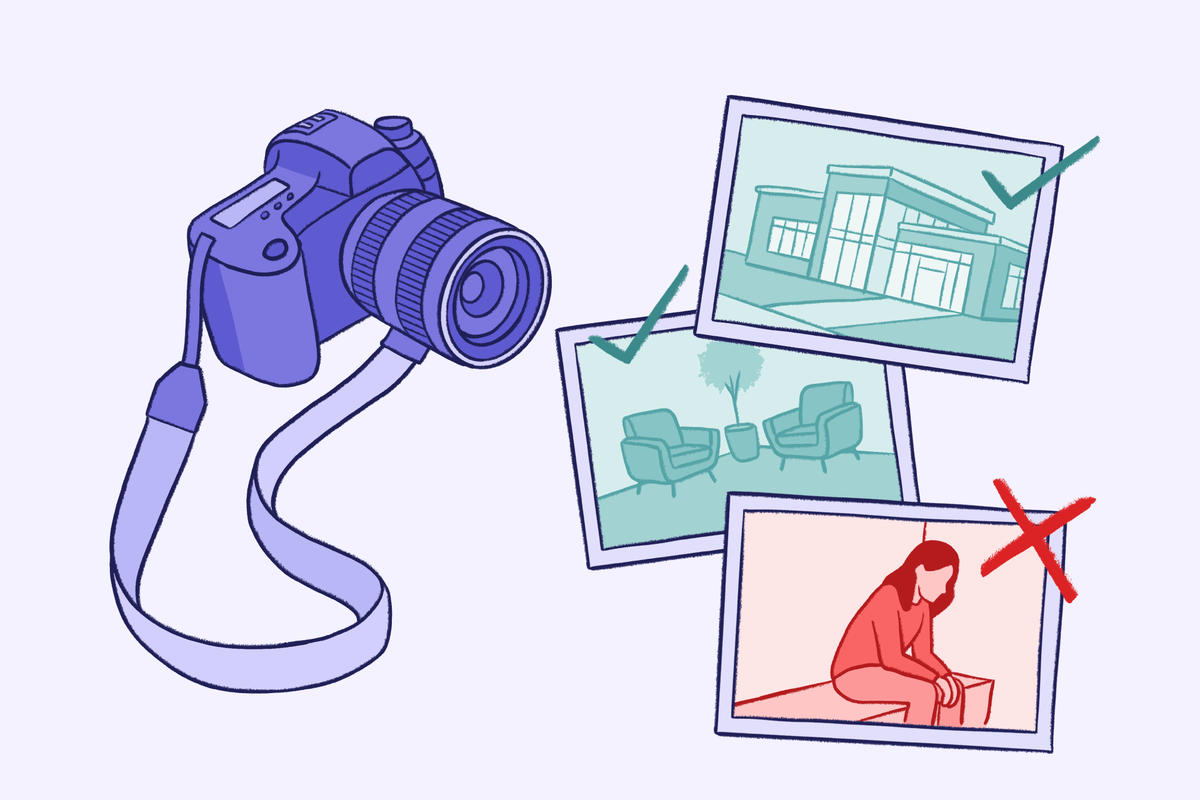
When someone searches for addiction or mental health treatment, your visuals often matter before your words do.
Before a prospective client reads about your therapies, clinical staff, or outcomes, they’re subconsciously asking themselves one question:
Can I picture myself here?
That’s why high-quality photography and video are no longer optional for treatment centers. Great visuals help build trust, reduce fear, and make your facility feel safe, professional, and welcoming before someone ever picks up the phone.
The good news is that creating incredible content does not require a massive Hollywood budget.
It just requires planning.
Here are the 7 steps every treatment center should follow to create professional photos and videos that can be used across your website, Recovery.com profile, social media, advertising, and marketing for years to come.
Step 1: Assign One Person to Own the Entire Project
Before hiring photographers or scheduling a shoot, you need a clear owner for the project.
Think of this person as the director or project manager of the entire production.
In most treatment centers, this responsibility typically lives within the marketing department, but it can also be assigned to operations or leadership depending on your organization.
This person is responsible for:
- Scheduling the shoot
- Hiring photographers and videographers
- Coordinating talent and staff
- Ensuring the facility is clean
- Managing timelines
- Collecting consent forms
- Organizing shot lists
- Keeping the day running smoothly
Without one central owner, photo shoots become chaotic quickly.
Someone needs to make sure:
- The extras arrive on time
- Staff know where they need to be
- Rooms are clean before filming
- Talent gets paid
- Scenes move efficiently
- The photographer and videographer stay on schedule
The smoother the production day runs, the better your final content will look.
Step 2: Schedule the Right Day and Time for the Shoot
The biggest mistake treatment centers make is trying to take photos during normal operations or choosing a day that creates unnecessary stress and chaos.
Clients are walking around. Sessions are being interrupted. Rooms aren’t staged. Staff are distracted.
Instead, schedule the shoot during a time when clients are not actively receiving care.
The day matters just as much as the time.
For example, Mondays are often difficult because staff are catching up from the weekend, handling admissions, and getting reorganized for the week. Fridays can also become rushed or inconsistent depending on staffing and schedules.
In many cases, the best days for a shoot are:
- Tuesday
- Wednesday
- Weekend hours outside of normal operations
The ideal setup is creating a temporary “closed set” environment where:
- Rooms stay consistently clean
- Staff are fully available
- Talent can move freely
- The photographer can work efficiently
- No client privacy concerns exist
Ideally, this happens before the center opens for the first time, when:
- Furniture is brand new
- Walls are freshly painted
- Rooms are spotless
- Everything looks untouched
But if your facility is already operational, a properly planned 2 to 3 hour production window is usually enough to capture excellent content without major operational disruption.
Step 3: Prepare and Stage the Facility
A professional photographer cannot fix a poorly prepared space.
Before the shoot, walk through the facility exactly like a prospective client would.
Ask yourself:
- Does this feel warm and welcoming?
- Does this look clean and safe?
- Would someone feel comfortable recovering here?
Pay attention to details like:
- Worn furniture
- Harsh lighting
- Empty walls
- Visible cords
- Cluttered desks
- Trash cans
- Outdated décor
Small changes can make a huge difference on camera.
Consider adding:
- Plants
- Artwork
- Blankets
- Pillows
- Lamps
- Books
- Warm lighting
- Branded materials
Your goal is not perfection.
Your goal is to create an environment that feels human, calm, and emotionally safe.
A Tip About Bedrooms
If your center has multiple bedrooms, you do not need to photograph or film every single room.
However, you should capture at least one strong bedroom setup that represents the experience well.
Choose the cleanest, most visually appealing room and prepare it carefully before the shoot.
Make sure:
● Beds are neatly made ● Surfaces are cleared ● Personal items are removed ● Lighting feels warm and inviting ● The room feels calm, spacious, and comfortable
Your goal is to showcase what it feels like to rest and recover in the space, not to document every room variation in the facility.
Step 4: Hire a Professional Real Estate Photographer and Videographer
Please do not shoot your treatment center photos or videos on a phone.
People can tell the difference immediately.
Phone footage often looks:
- Shaky
- Blurry
- Poorly lit
- Flat
- Unprofessional
This content will likely live on your:
- Website
- Recovery.com profile
- Social media
- YouTube
- Paid ads
- Print materials
- Sales collateral
…for years.
Spend the money once and do it correctly.
One of the best options for treatment centers is hiring a real estate photographer and videographer who specialize in spaces with people in them.
They already understand how to:
- Light interiors
- Make rooms feel warm
- Create depth and movement
- Capture hospitality-style environments
- Showcase architecture and emotions together
Places to find photographers and videographers include:
- Thumbtack
- Upwork
- Zillow photographer directories
- Local Facebook creator groups
- Google searches for “real estate videographer near me”
When reviewing portfolios, look for:
- Hospitality work
- Hotels
- Luxury rentals
- Wellness spaces
- Lifestyle photography
- Interior video walkthroughs
It’s also helpful to provide examples of the exact style you want your shoot to look like. Sharing reference photos and videos helps photographers and videographers better understand your expectations and creative direction.
And when it comes to video specifically, movement matters.
You do not want static shots where the camera stays still while people awkwardly move around the frame.
Professional treatment center video should feel immersive and dynamic.
Ideally, your videographer should be filming with:
- A gimbal or stabilizer
- Smooth walking shots
- Tracking movements through spaces
- Motion that makes viewers feel like they are inside the environment
Examples include:
- Walking through the front entrance
- Moving into group therapy
- Following someone through a hallway
- Capturing yoga or experiential therapies in motion
- Gliding through community spaces
This style of content feels dramatically more modern and emotionally engaging.
Step 5: Use Real People, But Never Real Clients
Empty rooms rarely connect emotionally with prospective clients.
People want to see:
- Human interaction
- Community
- Safety
- Warmth
- Representation
That means your photos should include people throughout the experience.
However, you should never use actual clients in your marketing photography.
Instead, use:
- Staff members
- Friends or family
- Paid extras or talent
Staff members can help create authentic scenes and often make excellent participants for therapy, admissions, or wellness setups.
Then supplement those scenes with paid talent to create diversity and realism.
One of the easiest places to find affordable talent is:
- BackstageCasting.com
Many treatment centers can hire local extras for around $100 for a few hours of work.
When casting talent, make sure the people in your photos reflect the demographics of the clients you serve.
This matters because prospective clients are subconsciously asking:
Can I see myself here?
Your photos should help people feel represented, welcomed, and understood.
That means intentionally including a diverse range of:
- Ages
- Ethnicities
- Body types
- Gender expressions
- Lifestyles
The more authentic and representative your content feels, the more emotionally effective it becomes.
Before the shoot, make sure everyone signs:
- Image consent forms
- Image and likeness waivers
This protects your organization and allows you to legally use the content across all marketing platforms.
Step 6: Build a Shot List Around the Real Client Experience
The best treatment center photography tells a story.
Instead of randomly photographing rooms, think through the actual journey a client experiences during treatment.
What does a normal day look like?
Start there.
Examples include:
- Walking into the facility
- Being greeted at reception
- Meeting with a therapist
- Participating in group therapy
- Relaxing in common areas
- Eating meals
- Journaling outdoors
- Practicing yoga
- Going on nature walks
- Participating in experiential therapies
- Having vitals checked in detox
The key is authenticity.
You want content that reflects what treatment actually feels like at your center, not generic stock photography.
This is also your opportunity to showcase what makes your program unique.
If your center offers:
- Equine therapy
- Surf therapy
- Art therapy
- Fitness programming
- Adventure outings
- Music studios
- Holistic wellness
- Gaming lounges
- Family therapy
…show those experiences visually.
The more visually unique your facility feels, the more memorable your brand becomes.
Step 7: Capture Photos and Video Simultaneously to Build a Long-Term Marketing Library
One organized shoot can create years worth of content.
That’s why your photographer and videographer should work together throughout the day.
The ideal workflow looks like this:
- Stage a scene
- Let the photographer capture still images
- Have the videographer immediately capture motion footage right afterward
This maximizes:
- Time
- Budget
- Staff coordination
- Talent availability
- Room staging
It also creates a massive content library you can repurpose later.
One single shoot can provide assets for:
- Your website
- Recovery.com
- Google Business Profile
- TikTok
- YouTube
- Blog posts
- Email campaigns
- Print brochures
- Paid advertising
- PR opportunities
Even simple b-roll footage becomes incredibly valuable over time.
You can later pair that footage with voiceovers explaining:
- Your treatment philosophy
- Levels of care
- The admissions process
- Insurance options
- What daily life looks like
Video helps potential clients emotionally connect with your center in a way photos alone often cannot.
Treatment Center Photo Shoot Checklist
Before the Shoot
Planning
- Assign a project owner/director
- Choose the shoot date and time
- Schedule during non-client hours
- Review photographer and videographer portfolios
- Hire photographer/videographer
- Provide visual examples of the style you want
- Book talent/extras
- Coordinate participating staff
- Prepare image consent forms
Create a Filming Day Schedule
- Set arrival time for staff and talent
- Schedule time for signing consent forms
- Create a scene-by-scene production timeline
- Schedule when specific rooms will be used
- Coordinate photo and video rotations
- Plan wardrobe changes if needed
- Schedule buffer time for setup and transitions
- Share the filming schedule with all participants before shoot day
Example:
- 9:00 AM to 9:30 AM — Staff and talent arrive, check in, sign consent forms
- 9:30 AM to 10:00 AM — Front entrance and reception shots
- 10:00 AM to 10:30 AM — Group therapy scenes
- 10:30 AM to 11:00 AM — Yoga and experiential therapy content
- 11:00 AM to 11:30 AM — Outdoor and lifestyle footage
Facility Prep
- Deep clean the facility
- Remove clutter and cords
- Stage furniture
- Add artwork/plants/decor
- Replace worn or damaged items
- Test all lighting
- Prepare branded materials
During the Shoot
- Ensure rooms stay clean between scenes
- Keep shoot running on schedule
- Direct talent and staff
- Confirm diverse representation in scenes
- Capture both photo and video for every setup
- Film moving shots, not static shots
- Review footage periodically
- Keep backup wardrobe options available
- Ensure all consent forms are signed
After the Shoot
- Collect and organize all files
- Back up content immediately
- Request edited photo selections
- Request video exports in multiple formats
- Upload content to website
- Update Recovery.com profile
- Create social media assets
- Build advertising creative
- Organize content into folders by usage
- Save all releases and agreements
- Plan future content repurposing
Final Thoughts
People searching for treatment are often overwhelmed, uncertain, and emotionally exhausted.
Your visuals can either increase anxiety or reduce it.
The right photography and video help people imagine hope, safety, connection, and healing before they ever contact your team.
And in behavioral healthcare, that emotional connection matters.
Our Promise
How Is Recovery.com Different?
We believe everyone deserves access to accurate, unbiased information about mental health and recovery. That's why we have a comprehensive set of treatment providers and don't charge for inclusion. Any center that meets our criteria can list for free. We do not and have never accepted fees for referring someone to a particular center. Providers who advertise with us must be verified by our Research Team and we clearly mark their status as advertisers.
Our goal is to help you choose the best path for your recovery. That begins with information you can trust.