- Addiction
- Mental Health
- About Us
Rehabs by Location


Learn
About Us
Recovery.com combines independent research with expert guidance on addiction and mental health treatment. Our mission is to help everyone find the best path to recovery through the most comprehensive, helpful network of treatment providers worldwide.
Advisory Council
Our advisory council brings together leaders in behavioral health, technology, and business. Their diverse expertise ensures our resources and product are innovative, evidence-based, and effective. They guide our mission as accomplished individuals dedicated to improving the landscape of addiction recovery and mental wellness.
Tiffany Jenkins’ 7 Honest Lessons on Addiction, Recovery, and Finding Humor in the Hardest Moments

Kayla Currier is a Senior Web Content Editor at Recovery.com. She received her B.A. in Journalism and Media Studies at the University of South Florida where she served as a contributing writer and editor for the Crow’s Nest.
Kayla Currier is a Senior Web Content Editor at Recovery.com. She received her B.A. in Journalism and Media Studies at the University of South Florida where she served as a contributing writer and editor for the Crow’s Nest.
Table of Contents
- 1. The First Drink Can Feel Like Relief
- 2. Addiction Can Slowly Rewrite Your Morals
- 3. You Can Live a Double Life in Addiction
- 4. Hitting Bottom Can Bring Unexpected Relief
- 5. Recovery Often Begins with Someone Believing in You
- 6. Recovery Isn’t Just About Quitting Drugs
- 7. Connection Is the Opposite of Addiction
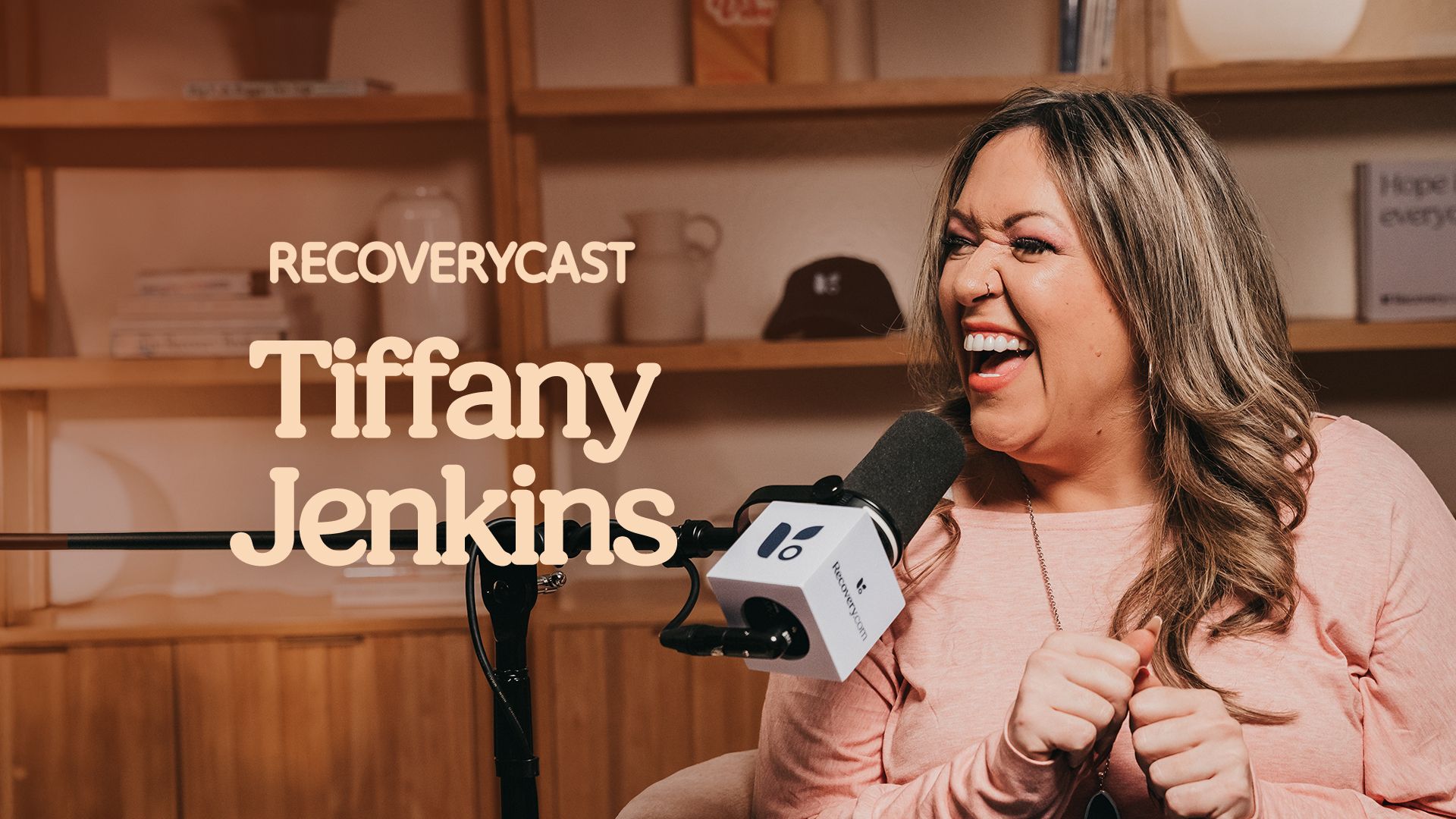
Tiffany Jenkins is known online for making millions of people laugh. As the creator behind Juggling the Jenkins and a New York Times bestselling author, she has become a voice for relatable motherhood, mental health, and radical honesty.
But long before the comedy sketches and viral videos, Tiffany was fighting a different battle.
Her story includes opioid addiction, theft, jail time, and more than 20 felony charges. It includes moments of shame, withdrawal, and a suicide attempt while incarcerated. It also includes moments that helped her rebuild her life, from unexpected kindness to family support and a recovery community that refused to give up on her.
Today, Tiffany has more than 13 years in recovery. She uses humor and transparency to talk about addiction, mental health, and what long-term recovery actually looks like.
On this episode of Recoverycast, Tiffany shares the hard truths behind her story and the lessons she learned along the way.
Here are the biggest takeaways from her journey.
1. The First Drink Can Feel Like Relief
For Tiffany, addiction didn’t start with rebellion.
She grew up as what many people would call a “good kid.” She was captain of the cheerleading squad, followed rules, and worried constantly about doing the right thing. Underneath that outward success, however, she was battling intense anxiety and obsessive thoughts from a young age.
Her mind rarely stopped running.
She describes constantly imagining worst-case scenarios and worrying about things most kids never thought about. Even bedtime came with anxiety. She would say goodnight to her parents and ask them not to die in their sleep.
When she finally had her first drink during her senior year of high school, something changed instantly.
For the first time, her thoughts quieted.
The constant self-awareness disappeared. The pressure of worrying about what everyone else thought faded. She suddenly felt something she had rarely experienced before, peace.
“That sip altered the course of my life,” she explains.
Within three months, she had dropped out of school and fully immersed herself in a new lifestyle centered around alcohol, marijuana, and eventually opioids.
The lesson is one many people in recovery understand deeply. Addiction often begins because something works, at least for a moment.
2. Addiction Can Slowly Rewrite Your Morals
Addiction rarely transforms someone overnight.
Instead, it changes people in small steps.
Tiffany remembers initially using opioids casually with friends. They would split pills and treat it like a recreational experience. But soon, half a pill was no longer enough. Then one pill wasn’t enough either.
Before long, the addiction took over.
She began lying, manipulating, and stealing to maintain access to drugs. She even staged a burglary in her own home to hide the fact that she had stolen money from her boyfriend’s wallet.
Looking back, she struggles to believe the decisions she made.
But addiction changes how people think. Survival becomes the only priority. Morals that once felt unbreakable slowly become negotiable.
“The longer you’re in active addiction,” she explains, “the crazier your stories become.”
For many people with substance use disorders, the goal stops being happiness or success and becomes simply getting through the next day without withdrawal.
3. You Can Live a Double Life in Addiction
One of the most dangerous parts of addiction is how easy it can be to hide.
From the outside, Tiffany looked like she had her life together.
She had a management job. She was dating a sheriff’s deputy. Her family believed she had turned her life around after rehab.
Behind the scenes, however, she was living an entirely different life.
She had secret drug dealers, secret houses where she used, and a growing web of lies to keep everything hidden. She stole money from jobs, pawned items that didn’t belong to her, and constantly tried to outrun the consequences of her addiction.
At one point, she convinced herself she was untouchable.
If she got pulled over with drugs in the car, she assumed officers would simply laugh it off because she was dating a cop.
Addiction can create a dangerous illusion of control.
But eventually, the truth surfaces.
4. Hitting Bottom Can Bring Unexpected Relief
When Tiffany was finally arrested, everything came crashing down.
She walked into a police station filled with people she knew, officers she had socialized with, people who had once considered her a friend. The shift in how they looked at her was immediate.
In the interrogation room, she tried to lie her way out of the charges. But eventually the exhaustion caught up with her.
After years of deception, she confessed everything.
And strangely, the moment the truth came out, something inside her shifted.
“I felt free,” she said.
The weight of hiding was finally gone.
The consequences were devastating. Her story appeared on the news, and she faced multiple felony charges. But honesty also opened the door to the next chapter of her life.
Sometimes the first step in recovery is simply telling the truth.
5. Recovery Often Begins with Someone Believing in You
While in jail, Tiffany reached one of the darkest moments of her life.
Withdrawal was brutal. The shame of what she had done felt unbearable. She attempted to end her life during those early days behind bars.
But one visit changed everything.
Her father came to see her on Christmas.
During that visit, he shared two unexpected pieces of news. He had been diagnosed with cancer, and he had recently gotten sober himself.
Then he told her something she had not heard in a long time.
“I will always love you,” he said. “There’s nothing you could ever do that would change that.”
That moment became a turning point.
For the first time, Tiffany began asking the judge for rehab instead of jail. She started imagining a different future, one where recovery might actually be possible.
Sometimes recovery begins with someone else believing in you before you can believe in yourself.
6. Recovery Isn’t Just About Quitting Drugs
Getting sober is the first step.
Once the substances are gone, the underlying issues that fueled addiction often surface. For Tiffany, that meant confronting anxiety, OCD, and other mental health challenges she had never fully addressed before.
Over time, she moved through multiple stages of recovery.
She went from jail detox to residential treatment, then to a halfway house where she slowly rebuilt her independence. In treatment, she learned to rebuild trust and take responsibility again.
Simple things began to feel meaningful.
Going to work. Driving the treatment van. Each small win helped rebuild her self-worth.
Recovery wasn’t a single moment of transformation. It was a series of small steps that gradually created a new life.
7. Connection Is the Opposite of Addiction
Years into sobriety, Tiffany discovered another important truth.
Recovery isn’t something you do alone.
At one point, she stopped attending meetings due to anxiety and agoraphobia. Slowly, she began isolating again, pulling away from the very support systems that had helped her get sober.
Eventually, she returned to treatment and reconnected with recovery meetings.
That experience reminded her of something she had heard many times before.
“The opposite of addiction is connection.”
For Tiffany, rebuilding that connection changed everything. It meant answering calls, reaching out to people, and being honest about when she was struggling.
Even after more than a decade sober, she says recovery still requires daily effort.
But it’s also where she finds the greatest sense of purpose and joy.
The Biggest Lesson from Tiffany Jenkins’ Story
Tiffany Jenkins’ story is full of dramatic twists, painful moments, and unexpected humor.
But the biggest takeaway may be this: Recovery isn’t about becoming perfect. It’s about becoming honest.
Today, Tiffany continues to share her story openly, using comedy, storytelling, and vulnerability to help others feel less alone. Her journey reminds us that addiction can take people to unimaginable places, but healing is always possible with honesty, support, and connection.
If you want to hear Tiffany tell the story in her own words, listen to the full episode of Recoverycast.
And if something in her story resonates with you, consider sharing it with someone who might need the reminder that recovery is possible.












Our Promise
How Is Recovery.com Different?
We believe everyone deserves access to accurate, unbiased information about mental health and recovery. That’s why we have a comprehensive set of treatment providers and don't charge for inclusion. Any center that meets our criteria can list for free. We do not and have never accepted fees for referring someone to a particular center. Providers who advertise with us must be verified by our Research Team and we clearly mark their status as advertisers.
Our goal is to help you choose the best path for your recovery. That begins with information you can trust.