Find Treatment By
Rehabs by Location


Learn
About Us
Recovery.com combines independent research with expert guidance on addiction and mental health treatment. Our mission is to help everyone find the best path to recovery through the most comprehensive, helpful network of treatment providers worldwide.
Advisory Council
Our advisory council brings together leaders in behavioral health, technology, and business. Their diverse expertise ensures our resources and product are innovative, evidence-based, and effective. They guide our mission as accomplished individuals dedicated to improving the landscape of addiction recovery and mental wellness.
Suzanne Warye’s 8 Lessons on Rethinking Alcohol, Building Self-Trust, and Rediscovering Joy


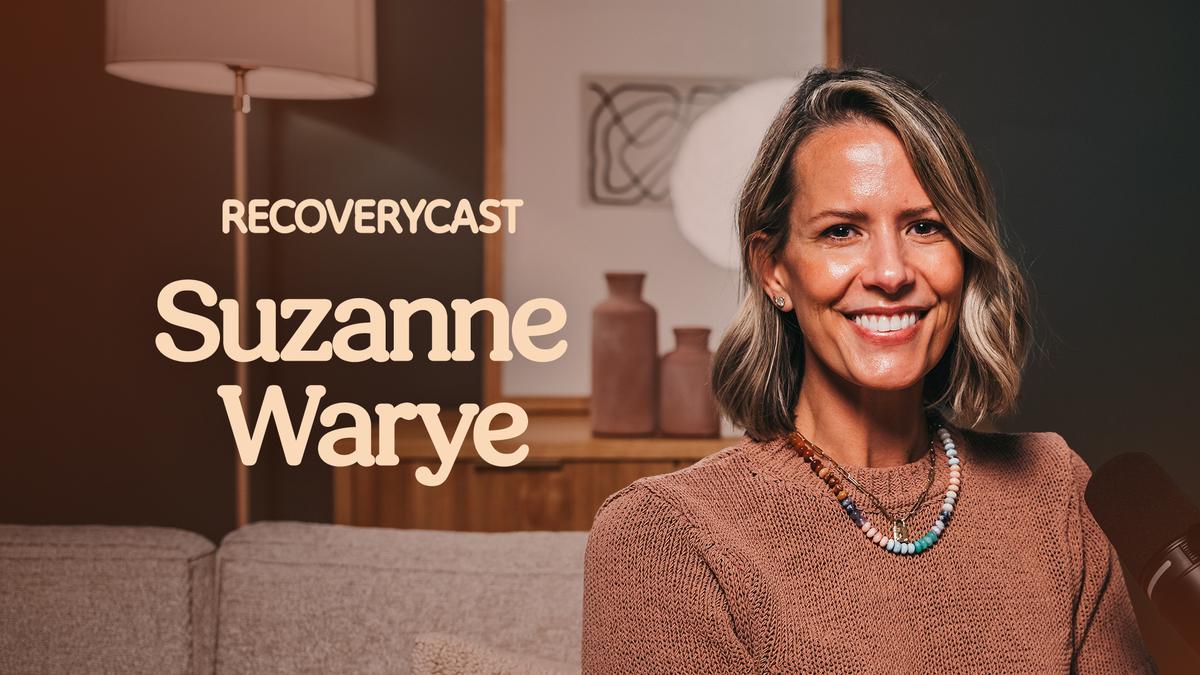
For Suzanne Warye, sobriety didn’t begin after losing everything. From the outside, her life was still intact. She was a wife, a mom, and a successful lifestyle influencer. But internally, her relationship with alcohol no longer felt like one she wanted to keep.
Suzanne first appeared on Recoverycast to share her story of sobriety, motherhood, and challenging mommy wine culture, and her previous conversation explored many of the experiences that shaped her alcohol-free life.
Now, she returns to reflect on what’s happened since, including publishing The Sober Shift, connecting with women through her book tour and sober community, and continuing to rethink what life can look like without alcohol.
Her message challenges one of the most persistent ideas about sobriety: that someone needs to lose enough before they’re allowed to choose it.
“You don’t have to wait to lose more. You qualify for a full life without alcohol.”
In her latest conversation with Recoverycast, Suzanne explores the complicated relationship between alcohol and connection. She also shares what happened when she stopped trying to “drink better” and began imagining a life in which she didn’t have to drink at all.
Here are eight lessons from her story.
1. You Don’t Need to Hit Rock Bottom to Choose Sobriety
Suzanne is quick to point out that her story isn’t the stereotypical “rock bottom” story. She didn’t lose her everything because of alcohol. For years, that made it harder to recognize that she was allowed to question her drinking.
She had learned to keep her alcohol use relatively contained, especially after becoming a mother. She describes putting enormous effort into moderation and convincing herself that if she could control her drinking well enough, everything was fine.
Then one night changed something.
After drinking, Suzanne blacked out while her three-month-old baby was still nursing. She woke the next morning without knowing whether she had nursed him once or twice during the night. For someone who had worked so hard to keep drinking from interfering with motherhood, the uncertainty was enough.
“I always say, I don’t have a rock bottom. Maybe some people will listen to this and say, like, that is a rock bottom... It was enough for me to say it’s a wake-up call. That’s it.”
Her experience reframes the question. Instead of asking whether drinking has become “bad enough” to justify sobriety, someone can ask a simpler question: Is alcohol still adding something they want in their life?
2. Moderation Can Become Its Own Mental Burden
Before Suzanne quit drinking, she thought the answer was to get better at drinking.
“I thought I just had to drink better.”
That meant rules and constant mental negotiations. How much had she already had? Was someone else ordering another drink? Should she wait? Should she have water first?
Suzanne describes moderation as an “Olympic sport,” a constant mental load that kept alcohol at the center of her attention. When she finally decided she didn’t have to participate anymore, her first emotion was relief.
She remembers thinking, “Oh, I don’t have to do this.”
That realization helped shift sobriety from something that felt restrictive to something that could create freedom. Instead of spending energy controlling alcohol, she could spend that energy elsewhere.
For Suzanne, quitting wasn’t about losing the privilege to drink, but about realizing she no longer wanted to devote so much of herself to managing it.
Explore Alcohol Treatment Centers
3. Alcohol Can Look Like Connection Without Creating the Connection You Need
Suzanne’s relationship with alcohol started as a teenager. She remembers her first drink made her feel an immediate sense of belonging.
“Oh my God, I belong. I am one of the cool people that I always wanted to be.”
That feeling followed her through high school and college. Drinking seemed like a shortcut to intimacy. A night out could turn strangers into instant best friends, with people sharing secrets and vulnerabilities within hours of meeting.
But sobriety eventually showed Suzanne another kind of connection.
As she began sharing her experience publicly, women responded with stories that sounded remarkably similar to hers. They hadn’t necessarily experienced a dramatic rock bottom either. They simply hated the amount of space alcohol occupied in their lives.
Suzanne had spent years believing everyone else had drinking figured out. Sharing her story helped her discover that many other women had believed the same thing.
That community ultimately became one of the most important parts of her recovery. Instead of connection built around drinking, she found relationships where people could talk openly about shame, fear, motherhood, grief, and sobriety.
4. Mommy Wine Culture Can Hide What Mothers Actually Need
Suzanne is particularly critical of the way alcohol is presented as a solution to the stress of motherhood.
The familiar message is simple: The kids drove you crazy, have some wine. You survived another exhausting day, you earned a drink.
Suzanne encourages women to ask a different question: What do you actually need?
Maybe it’s sleep. Maybe it’s time alone. Maybe it’s food, movement, support, or therapy.
Her perspective is informed by her own experience as a lifestyle and motherhood influencer before she became known for talking about sobriety. She remembers participating in alcohol promotions herself, including photographing products she didn’t actually drink.
Behind the polished images, reality could look very different from what followers imagined.
For a mother already exhausted and comparing herself with women online, that image can create another layer of self-judgment. If everyone else seems capable of drinking wine, parenting, and holding life together, she may wonder why she can’t do the same.
Suzanne’s message is less about judging mothers who drink and more about questioning why alcohol became such a culturally accepted answer to mothers’ exhaustion in the first place.
5. Early Sobriety May Be About Resting, Learning, and Taking Care of Yourself
When Suzanne decided to quit drinking in January 2020, she didn’t have a detailed recovery plan.
She told her husband, “I’m done,” then started learning.
She searched for books about sobriety and immersed herself in information about alcohol. With three young children at home, she often listened through one AirPod while moving through daily life.
For perhaps the first time in motherhood, she made herself the priority.
“I was like, I am number one,” she remembers. The kids still needed to be safe and fed, of course, but she understood that she needed to devote real attention to herself if she wanted sobriety to last.
That sometimes looked surprisingly unremarkable. She took naps. When she couldn’t nap, she got horizontal. She let herself be tired instead of demanding that she immediately transform into a perfectly productive sober person.
Early sobriety also brought questions about identity. Who was she if she was no longer the party girl? Could she still be fun? What would vacations look like? What would summer feel like?
She didn’t answer everything at once. She kept returning to why she had stopped and slowly began building a new understanding of herself.
6. Feeling Difficult Emotions Can Build Trust in Yourself
A little over a year into Suzanne’s sobriety, her father died.
The loss brought complicated grief and created a moment when returning to alcohol could have been easy to justify.
Instead, Suzanne turned toward her family and therapy.
She remembers crying on the floor of her closet when her husband came in, lay behind her, and simply held her. She believes the moment would have been different if she had been drinking.
Sobriety didn’t make grief less painful, but it allowed her to experience it more clearly.
“It was a gift that I gave to myself that I allowed myself to feel the weight and just that sharp edge of the grief.”
Getting through that loss also changed how she saw herself. If she could move through one of the most painful experiences of her life without drinking, then feeling left out, nerves, and social anxiety no longer seemed quite as impossible to manage.
She had evidence that she could depend on herself.
7. Sobriety Can Create Space for Deeper Relationships
Suzanne originally associated alcohol with connection. Ironically, she says some of her relationships became deeper after drinking was removed.
Her husband eventually stopped drinking several years after she did. Her brother and mother also quit.
Suzanne says her marriage is now stronger than ever, in part because alcohol is no longer complicating difficult conversations.
Before, an argument after drinking could leave her questioning whether her feelings were legitimate. Was she actually upset, or was it just the alcohol? Did she even remember the conversation correctly?
Without alcohol in the mix, she says she can trust her reactions more clearly.
That same sense of honesty appears in the sober community she has built. People don’t have to begin with small talk or pretend that the messier parts of life don’t exist.
They can say what happened. They can talk about shame. And instead of hearing judgment, they may hear someone say, “Yeah, I’ve been there.”
For Suzanne, being seen and accepted in those moments has become a much deeper form of connection than the instant intimacy she once chased through alcohol.
8. Sobriety Can Be About Gaining Joy, Not Giving Something Up
One of Suzanne’s biggest shifts has been changing the way she thinks about sobriety itself.
Drinking is often framed as the privilege, while sobriety becomes the punishment reserved for people who can no longer handle alcohol. Suzanne rejects that idea.
She sees it most clearly during summer.
Summer once brought an undercurrent of anxiety. There were boats, day drinking, pool parties, and long evenings where she did not always know how the night would unfold.
Her first sober summer felt different.
At a pool party, she realized she could experience the parts of summer she had loved as a child: warm days stretching into evening, swimming, s’mores, and time outside. More importantly, she could be fully present with her children.
“I get to go to a pool party and still be the same mom I was when I woke up.”
Her children can find her and know she is available. “I’m safety,” she says. “She can come and find me, and I’m here.”
That is the shift at the heart of Suzanne’s story. Sobriety didn’t make her life smaller. For her, it created more room for presence, trust, connection, and joy.
Choosing Yourself Before You Lose More
Suzanne’s story challenges the idea that someone has to reach a particular level of suffering before questioning their relationship with alcohol.
Sometimes there is no dramatic collapse. There may simply be a growing realization that drinking no longer feels right, that moderation requires too much energy, or that the life someone wants feels easier to reach without alcohol in it.
For Suzanne, one of the most important steps is telling someone the truth, even when doing so feels uncomfortable.
“You are not alone,” she says. “You might feel like everyone else has it figured out. They don’t.”
Her advice is to reach out, even before it feels easy. “Do it scared,” she says. Keep showing up. Keep talking about the doubts, fear, and shame.
Listen to the full Recoverycast conversation to hear more from Suzanne Warye about The Sober Shift, early sobriety, motherhood, mental health, grief, and the community she found when she stopped drinking.
If you’re considering support for yourself or a loved one, Recovery.com can help you find treatment options and resources for your next step.
Our Promise
How Is Recovery.com Different?
We believe everyone deserves access to accurate, unbiased information about mental health and recovery. That's why we have a comprehensive set of treatment providers and don't charge for inclusion. Any center that meets our criteria can list for free. We do not and have never accepted fees for referring someone to a particular center. Providers who advertise with us must be verified by our Research Team and we clearly mark their status as advertisers.
Our goal is to help you choose the best path for your recovery. That begins with information you can trust.