Find Treatment By
Rehabs by Location


Learn
About Us
Recovery.com combines independent research with expert guidance on addiction and mental health treatment. Our mission is to help everyone find the best path to recovery through the most comprehensive, helpful network of treatment providers worldwide.
Advisory Council
Our advisory council brings together leaders in behavioral health, technology, and business. Their diverse expertise ensures our resources and product are innovative, evidence-based, and effective. They guide our mission as accomplished individuals dedicated to improving the landscape of addiction recovery and mental wellness.
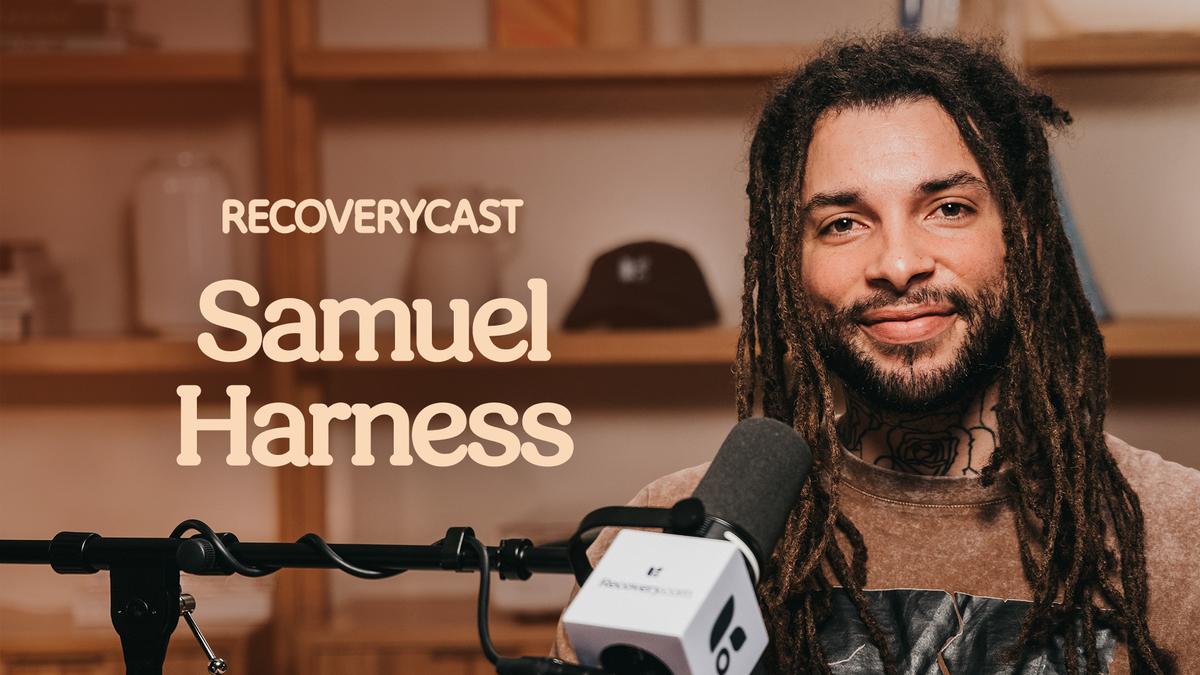
Samuel Harness’ 8 Vulnerable Lessons on Addiction, Trauma, and Finding Identity Beyond Fame


What happens when outward success collides with inner struggle?
In this episode of Recoverycast, Samuel Harness, a singer-songwriter known for his emotional performances on The Voice, shares a deeply personal look at addiction, trauma, and recovery. Beneath the spotlight and growing fame, Samuel reveals a story shaped by early childhood trauma, years of substance use, and an ongoing journey toward healing.
This isn’t a story of “arrival,” but honesty.
Samuel speaks openly about anxiety that began in childhood, addiction that evolved, and the reality that recovery isn’t a finish line. It’s something he lives every day. Through faith, fatherhood, and music, he’s found new ways to cope, express himself, and stay grounded.
Here are the most powerful lessons from his journey, and what they reveal about mental health, recovery, and what it really means to heal.
1. Music Became His First Form of Survival
Long before recovery, music was Samuel’s lifeline.
Growing up homeschooled and later transitioning into different school environments, he often felt disconnected and unsure of where he belonged. Music filled that gap. It became both an emotional outlet and a source of comfort during moments of confusion and isolation.
He recalls listening to bands like My Chemical Romance and Mayday Parade, drawn to their emotional honesty. At the time, it felt like “emo music.” Looking back, he sees it differently. That music gave him language for feelings he didn’t understand yet.
“Music is medicine,” he says, describing how it reaches something deeper than words.
For many in recovery, this resonates. Before there are coping tools, there are survival tools. For Samuel, music was the first.
While music didn’t fix everything, it gave him a place to go when nothing else made sense.
2. Unprocessed Trauma Quietly Shapes Everything
At just eight years old, Samuel experienced prolonged sexual abuse, something he didn’t fully understand at the time.
Without the language to process it, he internalized the experience. He carried confusion, fear, and secrecy into adolescence. That unspoken trauma became the root of anxiety that followed him for years.
“I didn’t know what anxiety was,” he explains. “There wasn’t a word for it.”
Instead, it manifested as isolation. He withdrew, struggled to communicate, and was labeled “quiet” or “withdrawn.” But internally, there was much more happening.
This is an important reminder that many people in recovery aren’t just dealing with addiction. They’re carrying unresolved experiences that shape how they see themselves and the world.
When trauma isn’t addressed, it doesn’t disappear, but adapts.
And often, trauma can manifest as anxiety, depression, or substance use.
Explore Drug Addiction Treatment Centers
3. Addiction Often Starts as an Attempt to Feel Normal
Samuel’s substance use didn’t begin as rebellion, but as an attempt to cope.
In high school, exposure to drinking and drugs at parties introduced him to a new environment. At the same time, he was still carrying unprocessed anxiety and trauma. Substances offered relief, even if temporary.
“It led to drinking, pills, weed, and just poor choices,” he shares.
But beyond substances, there were patterns. He sought validation in relationships. He chased connection in unhealthy ways. He tried to fill internal gaps with external solutions.
This is a common thread in addiction recovery.
Substances are rarely the core issue, but often a response to something deeper, such as identity struggles, loneliness, pain, or unresolved trauma.
Understanding this shift is essential. Recovery isn’t just about removing substances, but addressing what made them feel necessary in the first place.
4. Success Doesn’t Silence Inner Struggles
From performing on national television to gaining a growing fanbase, Samuel experienced a level of success many aspire to.
But internally, the struggle continued.
Navigating fame brought a new layer of pressure. Being recognized in public triggered anxiety. The expectation to show up as an artist clashed with his need to be seen as a human being.
“I wish people could see me as a human being and not just what I present,” he says.
This disconnect is more common than people realize.
External success can amplify internal struggles rather than resolve them. Visibility can increase pressure. Validation from others doesn’t always translate to self-acceptance.
For those in recovery, this reinforces an important truth. Healing is internal work. No achievement, recognition, or relationship can replace that process.
5. Recovery Isn’t a Straight Line
Samuel is candid about his relationship with recovery.
He doesn’t define it by a perfect timeline or a single sobriety date. Instead, he describes it as a “yo-yo relationship” with addiction, one that evolves over time.
“I live in recovery. I am not recovered,” he says.
There were periods of sobriety, moments of relapse, and ongoing decisions about what’s healthy for him. He acknowledges that addiction can shift forms, from substances to food, validation, or even thought patterns.
This perspective challenges a common misconception.
Recovery is sometimes portrayed as linear, when in reality, it’s dynamic. It requires ongoing awareness, adjustment, and honesty.
What matters isn’t perfection, but persistence.
6. Fatherhood Was a Turning Point
One of the most defining moments in Samuel’s journey came unexpectedly.
He found out he was going to be a father while high on acid. At first, the reaction wasn’t grounded in reality. But once the moment settled in, it became a catalyst for change.
“That was the moment I needed to stop,” he reflects.
Fatherhood introduced a new level of responsibility. It gave him a reason to pursue sobriety and be present in a way he hadn’t been before.
Over time, co-parenting also became a source of growth. What started as a difficult relationship evolved into a supportive dynamic centered around their child.
His son remains one of his greatest motivations.
Being present for meaningful moments, especially early ones like birth and childhood, became a powerful reward in recovery.
7. Awareness Is One of the Biggest Wins in Recovery
For Samuel, one of the most meaningful shifts has been self-awareness.
Recognizing patterns, naming emotions, and understanding triggers have become essential tools. Whether it’s noticing the urge to isolate, overeat, or use substances, awareness creates space for choice.
“Being able to put a name to what I’m feeling… that’s a win,” he shares.
This awareness extends into daily habits. How he eats, moves his body, and manages his energy all play a role in his recovery.
Even small actions, like going for a walk or getting sunlight, can interrupt negative cycles.
These may seem simple, but in recovery, small wins matter. They build momentum. They reinforce self-trust. And over time, they create lasting change.
8. You Can Be Struggling and Still Moving Forward
One of the most honest parts of Samuel’s story is his refusal to pretend.
He openly talks about relapsing in thoughts, experiencing anxiety, and continuing to navigate mental health challenges. He doesn’t position himself as someone who has “figured it out.”
Instead, he embraces the reality of being human.
“I’m a broken human being looking for ways to heal,” he says.
This perspective is both grounding and empowering.
Recovery requires honesty, not perfection. It allows space for both struggle and growth to exist at the same time.
You can feel anxious and still take a step forward.
You can have cravings and still choose differently.
You can be healing, even if you are not fully healed.
Samuel’s story is a reminder that recovery isn’t about becoming a different person. It’s about becoming a more aware, honest, and present person.
His journey shows that addiction, trauma, success, and healing can all coexist. And that real growth often happens in the middle of that complexity.
The biggest takeaway is simple but powerful.
Recovery isn’t a destination, but a daily decision.
If Samuel’s story resonated with you, consider listening to the full Recoverycast episode to hear his journey in his own words. And if you’re on your own path, take a moment to reflect on your wins, no matter how small.
They matter more than you think.














Our Promise
How Is Recovery.com Different?
We believe everyone deserves access to accurate, unbiased information about mental health and recovery. That's why we have a comprehensive set of treatment providers and don't charge for inclusion. Any center that meets our criteria can list for free. We do not and have never accepted fees for referring someone to a particular center. Providers who advertise with us must be verified by our Research Team and we clearly mark their status as advertisers.
Our goal is to help you choose the best path for your recovery. That begins with information you can trust.