Find Treatment By
Rehabs by Location


Find Treatment By
Learn
About Us
Recovery.com combines independent research with expert guidance on addiction and mental health treatment. Our mission is to help everyone find the best path to recovery through the most comprehensive, helpful network of treatment providers worldwide.
Advisory Council
Our advisory council brings together leaders in behavioral health, technology, and business. Their diverse expertise ensures our resources and product are innovative, evidence-based, and effective. They guide our mission as accomplished individuals dedicated to improving the landscape of addiction recovery and mental wellness.
Ryan Hampton’s 7 Hard-Won Lessons on Addiction, Recovery, and Building a Movement


Kayla Currier is a Senior Web Content Editor at Recovery.com. She received her B.A. in Journalism and Media Studies at the University of South Florida where she served as a contributing writer and editor for the Crow’s Nest.
Kayla Currier is a Senior Web Content Editor at Recovery.com. She received her B.A. in Journalism and Media Studies at the University of South Florida where she served as a contributing writer and editor for the Crow’s Nest.
Table of Contents
- 1. Purpose Can Be a Lifeline, Even Before Recovery
- 2. Addiction Can Start Quietly, and Legally
- 3. Dependence Doesn’t Feel Like Addiction at First
- 4. Cutting Off Supply Without Support Can Make Things Worse
- 5. Treatment Only Works When It’s Truly Supportive
- 6. Community Can Be the Difference Between Life and Death
- 7. Turning Pain Into Purpose Can Change Everything
What happens when a rising political career collides with addiction, loss, and a broken healthcare system?
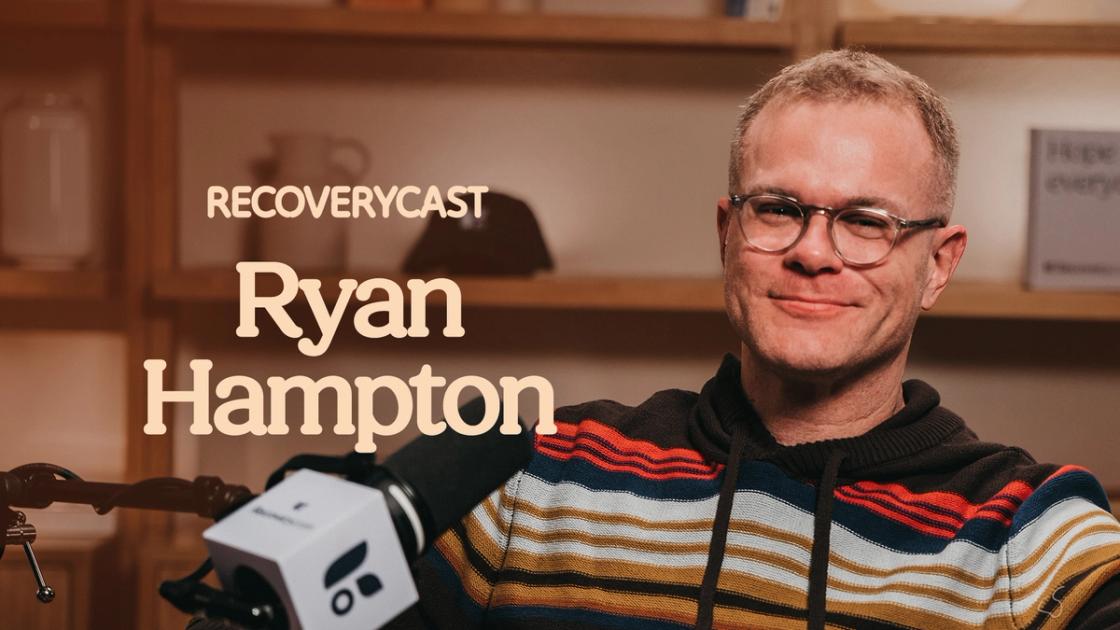
On this episode of Recoverycast, Ryan Hampton shares a story that’s as personal as it is systemic. Once a White House staffer and political organizer, Ryan’s life took a sharp turn after an injury led to a decade-long struggle with addiction. What followed wasn’t just survival, but transformation.
Today, Ryan is a nationally-recognized recovery advocate and the founder of Mobilize Recovery, helping reshape how the country understands addiction and recovery. His journey reveals hard truths about the opioid crisis, the gaps in treatment, and the power of community.
1. Purpose Can Be a Lifeline, Even Before Recovery
Ryan didn’t plan to become a political organizer. He found it while coping with chaos at home, his father in prison, his family under financial strain, and his identity still unfolding.
“I was gravitating toward external things…something that could help me find some sense of purpose,” he shares.
Campaign offices, organizing, and volunteer work gave him structure and identity. It also gave him somewhere to go when home didn’t feel safe.
Looking back, Ryan recognizes that this early passion was about survival just as much as it was ambition. It was a coping mechanism that kept him connected to community.
Not all coping mechanisms isolate us. Some, like purpose-driven work, can actually keep us grounded, even if our deeper struggles remain unresolved. And sometimes, those early glimpses of purpose come back later in recovery, clearer and stronger than before.
2. Addiction Can Start Quietly, and Legally
Ryan’s addiction began with a prescription.
After a serious hiking injury, he was prescribed opioids. At first, they worked exactly as intended. They relieved his physical pain but also dulled his emotional pain, including grief from his father’s death and unresolved trauma.
“They solved a lot more than the pain,” he explains.
Like many people in the early 2000s, he trusted the system. Doctors reassured him that the medication was safe, even low risk for addiction.
The shift was subtle. A refill here. A longer prescription there. No alarms, no warnings.
This is an important reality of opioid addiction. It doesn’t always begin with risky behavior. It often begins with trust.
Explore Opioids Treatment Centers
3. Dependence Doesn’t Feel Like Addiction at First
The moment Ryan realized something was wrong wasn’t dramatic, but physical.
After missing a doctor’s appointment, he ran out of medication. Within hours, his body started reacting. He was anxious, nauseous, and sweaty, which were withdrawal symptoms he didn’t yet understand.
Standing in a bathroom at work, he connected the dots.
“I didn’t think I had a problem… I thought, how do I fix this feeling?”
Addiction doesn’t always announce itself as a problem. It sometimes shows up as a solution and a way to feel “normal” again. A way to stop discomfort.
This is one reason many people don’t seek help early on. Because it doesn’t feel like addiction yet, it feels like management. And by the time it becomes undeniable, it’s often deeply entrenched.
4. Cutting Off Supply Without Support Can Make Things Worse
When Florida cracked down on opioid prescriptions, Ryan’s access disappeared almost overnight.
What followed was immediate withdrawal, and then something even more dangerous.
“That’s how heroin entered my story,” he says.
This moment highlights a critical flaw in how addiction has often been addressed. Policies focused on reducing supply without addressing demand or providing treatment can push people toward more dangerous substances.
Ryan didn’t suddenly change who he was. The system around him changed and left him without options.
Addiction doesn’t exist in a vacuum. It’s shaped by healthcare systems, policies, and access to care. And when those systems fail, people pay the price.
5. Treatment Only Works When It’s Truly Supportive
Ryan’s early experiences with treatment were far from ideal.
One center charged his family tens of thousands of dollars while offering little meaningful care. Another lacked the tools he actually needed to heal.
What was missing wasn’t just quality, but understanding.
Real progress didn’t begin until he found a space where he could be honest about his identity and trauma.
“For the first time, I was able to admit who I was and what I’d been through,” he shares.
That moment of honesty was transformative.
Recovery isn’t just about stopping substance use. It’s about addressing the underlying pain and experiences that fuel it.
Without that, treatment can feel incomplete. With it, healing becomes possible.
6. Community Can Be the Difference Between Life and Death
After leaving treatment, Ryan didn’t rely on willpower alone. He relied on people.
“The first was having a community… I couldn’t have done it without that,” he says.
Sober living, peer support, and relationships with others in recovery gave him structure and accountability.
But his community also showed him something else: the stakes.
In his first year of sobriety, he lost multiple friends to overdose. The contrast was stark. Recovery or death.
That reality grounded him.
Community is about connection and reflection. It shows you what’s possible, and what’s at risk. And for many people, it can become the foundation that recovery is built on.
7. Turning Pain Into Purpose Can Change Everything
Ryan didn’t plan to become an advocate. It happened after a loss.
A friend from his sober living home sought help at a hospital and was turned away. That same night, he died.
“This doesn’t make any sense,” Ryan remembers thinking.
That moment became a turning point.
What started as frustration turned into action. Action turned into organizing. Organizing turned into Mobilize Recovery, now a national movement impacting policy, expanding access to care, and empowering people in recovery.
Ryan’s story comes full circle here. The same drive that led him into political organizing as a teenager re-emerged, this time with a deeper purpose.
Recovery didn’t just give him his life back. It gave him a mission.
Ryan’s story is a powerful reminder that recovery is never one-size-fits-all.
It’s shaped by access to care, community, and opportunity. But it’s also shaped by something deeper: the ability to find connection and meaning after the hardest moments.
Recovery isn’t just about stopping; it’s about rebuilding. And sometimes, the very experiences that nearly break us become the foundation for something bigger.
If this story resonated with you, listen to the full Recoverycast episode with Ryan, share it with someone who might need it, or take a moment to reflect on what purpose and recovery mean in your own life.
Our Promise
How Is Recovery.com Different?
We believe everyone deserves access to accurate, unbiased information about mental health and recovery. That's why we have a comprehensive set of treatment providers and don't charge for inclusion. Any center that meets our criteria can list for free. We do not and have never accepted fees for referring someone to a particular center. Providers who advertise with us must be verified by our Research Team and we clearly mark their status as advertisers.
Our goal is to help you choose the best path for your recovery. That begins with information you can trust.