Find Treatment By
Rehabs by Location


Learn
About Us
Recovery.com combines independent research with expert guidance on addiction and mental health treatment. Our mission is to help everyone find the best path to recovery through the most comprehensive, helpful network of treatment providers worldwide.
Advisory Council
Our advisory council brings together leaders in behavioral health, technology, and business. Their diverse expertise ensures our resources and product are innovative, evidence-based, and effective. They guide our mission as accomplished individuals dedicated to improving the landscape of addiction recovery and mental wellness.
Ripley Coope’s 8 Inspiring Lessons on Young Sobriety, Mental Health, and Recovering from Alcohol Addiction


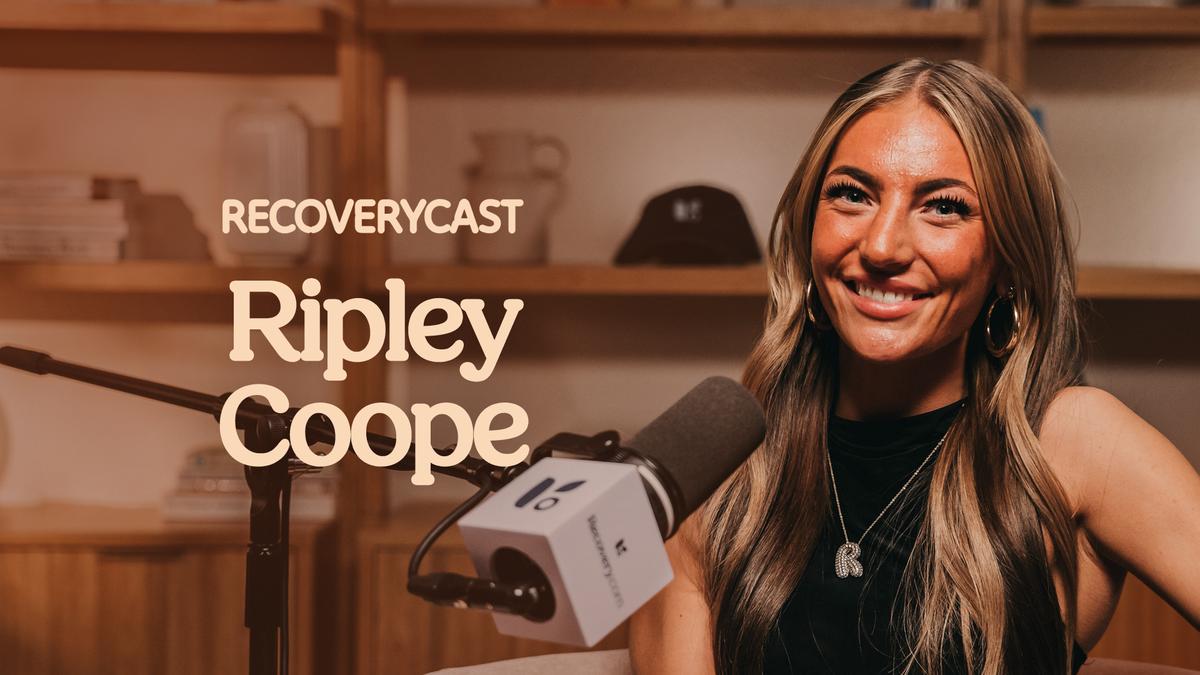
Many people imagine addiction as something that develops later in life. But Ripley Coope’s story challenges that assumption.
By the time she was 19 years old, Ripley had already experienced years of anxiety, depression, escalating alcohol use, multiple traumatic events, rehab at Sandstone Care, and a level of despair that left her questioning whether she wanted to keep going.
On the outside, she looked like a successful college student. She earned good grades, held leadership positions, and appeared to be thriving. But behind closed doors, she was fighting a battle few people could see.
Today, Ripley is more than two years sober and uses her platform to advocate for young adult recovery awareness. On this episode of Recoverycast, she shares an honest look at alcohol addiction, mental health, college drinking culture, and the unexpected lessons that helped her build a life she genuinely loves.
Here are the biggest takeaways from her story.
1. You Can Be Struggling Deeply and Still Look Fine on the Outside
For years, Ripley became an expert at hiding what was happening internally.
As a child, she experienced anxiety, depression, and self-harm behaviors long before she understood what they were. Yet she continued performing well in school and maintained the appearance that everything was under control.
That pattern continued into adolescence. She poured her energy into academics and achievement, convincing both herself and others that success meant she was okay.
The problem was that nobody could see what happened after school ended.
While peers saw a high-achieving student, Ripley was spending hours alone with overwhelming thoughts and emotions. She rarely talked about what she was experiencing and believed handling everything by herself was simply what people did.
Looking back, she realizes how isolating that mindset was. The absence of visible signs didn't mean she was healthy. It simply meant she had become very good at masking her pain.
Her story is a reminder that addiction and mental health struggles often hide behind accomplishments, good grades, leadership roles, and seemingly successful lives.
2. Alcohol Can Start as Fun and Slowly Become Everything
Ripley doesn't remember having a dramatic "love at first drink" moment.
Instead, alcohol gradually became woven into her life.
What began as occasional experimentation evolved into a routine. During the pandemic, drinking shifted from something social to something she did alone in her room. She described taking multiple shots of vodka in the middle of the night and staying up until 4 a.m. while the rest of the world was asleep.
At first, it felt exciting. She was young, independent, and discovering new freedoms.
Over time, drinking became ingrained in her life.
When treatment providers later asked what she did for fun, she realized she didn't have an answer.
Drinking had become the hobby.
That realization was one of the most painful truths she encountered in recovery. Alcohol had quietly consumed the space where interests, passions, and genuine joy should have existed.
Explore Alcohol Treatment Centers
3. Mental Health and Addiction Are Often Connected, Even When We Don't See It
For much of her drinking career, Ripley viewed her mental health struggles and alcohol use as separate issues.
Depression lived in one box.
Alcohol lived in another.
Only later did she begin connecting the dots.
When her anxiety worsened, her drinking increased. When traumatic experiences occurred, alcohol became her immediate response. When life felt overwhelming, drinking seemed like the fastest way to escape.
One particularly significant turning point came after a traumatic assault during college.
The morning after, she reached for alcohol almost immediately.
Instead of processing what had happened, she numbed it.
That pattern became increasingly common. Alcohol wasn't just something she enjoyed anymore. It had become a coping mechanism.
Many people struggling with addiction discover a similar reality. Substance use often develops alongside untreated mental health concerns, trauma, grief, or emotional pain. Recovery requires addressing both pieces of the puzzle.
4. Sometimes Other People See the Problem Before We Do
One of the recurring themes in Ripley's story is how many people recognized her struggles before she did.
Her parents noticed changes.
Her college roommate questioned her drinking habits.
Even her dog, Lila, seemed to know something was wrong.
Ripley joked that Lila would avoid her whenever she was intoxicated and practically "snitch" to her parents when she had been drinking.
The story is funny, but it highlights something important.
People who care about us often notice patterns we can't see ourselves.
At the time, Ripley brushed off many of these observations. She found explanations for everything. She compared herself to peers who drank heavily. She convinced herself she wasn't "that bad."
But those concerns stayed with her.
Years later, she can clearly see that the people closest to her weren't judging her. They were trying to help.
Sometimes love looks like difficult conversations.
5. The Consequences We Swear Will Never Happen Eventually Do
Throughout her drinking years, Ripley had a list of things she believed would never happen to her.
She wouldn't lose opportunities.
She wouldn't face major consequences.
She wouldn't become "that kind" of drinker.
Then the list started shrinking.
She was arrested after a chaotic incident involving stolen property in her dorm room.
She experienced multiple traumatic events.
She lost a job because of her drinking.
She found herself showing up drunk to important life events and professional responsibilities.
Each incident chipped away at the story she had been telling herself.
What made these moments powerful wasn't just the consequences themselves. It was realizing she had spent years moving the goalposts.
Whenever one boundary was crossed, she created a new one.
Eventually, there were no more excuses left.
The experience taught her that addiction isn't defined by a single dramatic event. It's often a gradual progression where the behaviors we once thought were impossible slowly become normal.
6. Recovery Begins with Radical Honesty
If Ripley could point to one skill that changed everything, it would be honesty. Specifically, honesty with herself.
For years, she attended therapy while withholding crucial information about her drinking. She talked about mental health challenges, but left out the alcohol.
As a result, treatment could only go so far.
The breakthrough came when she stopped hiding.
She told her parents she needed help.
She admitted her drinking wasn't normal.
She introduced herself as an alcoholic for the first time at a recovery meeting.
Those moments were uncomfortable, vulnerable, and terrifying.
They were also transformational.
As Ripley put it, every major positive change in her recovery started when she became honest.
Honesty opened doors to support, treatment, connection, and healing that secrecy never could.
7. Asking for Help Can Save Your Life
One of the most emotional moments in Ripley's story came during what she describes as her lowest point.
After days of drinking and escalating despair, she reached a moment where she genuinely feared for her life.
Instead of continuing to suffer alone, she made a phone call.
She called her best friends and admitted how serious things had become.
That decision changed everything.
One friend drove to Boulder, packed her belongings, brought her home, and helped create the space she needed to begin recovery.
For someone who prided herself on independence, asking for help felt unnatural.
But recovery often requires the exact opposite of what addiction demands.
Addiction says isolate. Recovery says connect.
Addiction says hide. Recovery says speak up.
That single act of vulnerability became the beginning of a completely different future.
8. Sobriety Doesn't Just Remove Alcohol, It Gives You Your Life Back
When asked what sobriety has given her, Ripley's answer was simple.
"Everything."
Before recovery, she was achieving success but not enjoying it. After recovery, she had the opportunity to rebuild her life from the ground up.
She rediscovered interests, passions, friendships, and purpose.
She completed college.
She built a platform to help others.
She developed stronger relationships with her family.
Most importantly, she learned who she actually was.
One of the most beautiful reflections from the episode came when she described waking up sober and noticing that the world felt brighter.
The sun seemed brighter.
Colors felt more vivid.
Life felt more real.
Recovery didn't magically eliminate every challenge. It gave her the ability to experience life fully instead of numbing her way through it.
That difference changed everything.
Ripley’s story is a powerful reminder that addiction doesn't always look the way people expect. Young people can struggle with addiction. High achievers can struggle with addiction. People who appear successful on the outside can be fighting battles nobody sees.
Her journey also highlights a hopeful truth: Recovery is possible.
It begins with honesty, grows through connection, and creates opportunities for a life that once seemed unimaginable.
To hear Ripley's full story, listen to this episode of Recoverycast. If her experience resonates with you, consider sharing this article with someone who may need encouragement, or take a moment to reflect on where honesty and support could create change in your own life.
Our Promise
How Is Recovery.com Different?
We believe everyone deserves access to accurate, unbiased information about mental health and recovery. That's why we have a comprehensive set of treatment providers and don't charge for inclusion. Any center that meets our criteria can list for free. We do not and have never accepted fees for referring someone to a particular center. Providers who advertise with us must be verified by our Research Team and we clearly mark their status as advertisers.
Our goal is to help you choose the best path for your recovery. That begins with information you can trust.