Find Treatment By
Rehabs by Location


Learn
About Us
Recovery.com combines independent research with expert guidance on addiction and mental health treatment. Our mission is to help everyone find the best path to recovery through the most comprehensive, helpful network of treatment providers worldwide.
Advisory Council
Our advisory council brings together leaders in behavioral health, technology, and business. Their diverse expertise ensures our resources and product are innovative, evidence-based, and effective. They guide our mission as accomplished individuals dedicated to improving the landscape of addiction recovery and mental wellness.
Riley Whelan's 7 Real-Life Lessons on Emotional Sobriety, Embracing Stillness, and Life After Addiction


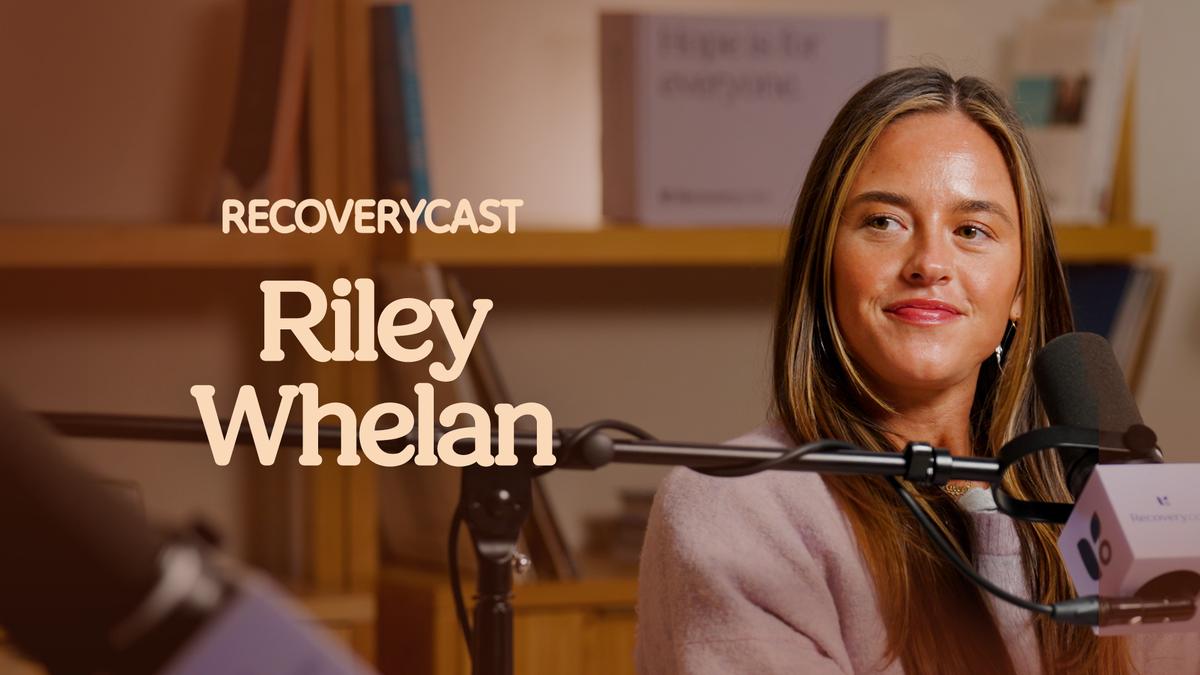
What happens after the chaos of early sobriety settles?
For many people in recovery, the first chapter is about survival, stopping substances, stabilizing life, and rebuilding what addiction took. But what comes next can be deeper, and sometimes, more challenging.
In this episode of Recoverycast, Riley Whelan returns three years sober with a candid reflection on what long-term recovery actually looks like. From navigating emotional sobriety to rebuilding trust and learning to sit in stillness, Riley shares her experiences.
Her story is a powerful reminder that sobriety isn’t a finish line, but an ever-evolving journey. And sometimes, the real work begins when life starts to feel steady again.
Here are the most impactful lessons from Riley’s recovery journey.
1. Sobriety Starts With Survival, but Evolves into Emotional Healing
In the early days of sobriety, Riley’s focus was simple: do not drink, do not use.
She describes her first two years as a time of rebuilding from the ground up. She went from having no job, no stability, and broken relationships to slowly creating a new life. Each step forward was about becoming functional again and learning how to live without substances as a solution.
But something shifted as she approached the three-year mark.
Once the external pieces of life stabilized, the internal work intensified. Emotions that had been buried for years began to surface. “Those emotions I had suppressed started to resurface,” she explains, and this time, she couldn’t push them away.
This is what she calls emotional sobriety, the phase where recovery moves beyond abstinence and into deeper healing.
It’s not always comfortable. In fact, it can feel overwhelming. But it’s also where real transformation begins.
2. Facing Your Emotions Is the Only Way Forward
When difficult feelings started bubbling up, Riley recognized a familiar crossroads.
In the past, she would have avoided them. That avoidance had led to relapse before. This time, she made a different choice.
“I can either keep pushing this down or face it,” she says.
That decision became a turning point.
Instead of running, she leaned into the discomfort. She reached out to her sponsor, revisited recovery steps, and began examining the resentment, restlessness, and discontent that had surfaced.
This process wasn’t about fixing everything overnight, but being willing to look honestly at what was there.
Choosing to feel instead of escape in that moment is a sign of courage. And for Riley, it became essential for sustaining long-term sobriety.
Explore Alcohol Treatment Centers
3. Daily Practices Create Stability When Emotions Feel Overwhelming
When emotions intensified, Riley didn’t rely on willpower alone, but leaned into structure.
Her recovery became grounded in daily practices that supported both her mental and emotional well-being. Morning meditation became non-negotiable. “I have to start my day with stillness,” she says, otherwise her thoughts spiral into chaos.
She also prioritized connection. Isolation, she noticed, was a warning sign. When she stopped reaching out, her recovery became more fragile.
So she did the opposite. She called her sponsor, stayed connected with other women in recovery, and showed up consistently.
Movement played a role too. After realizing high-intensity workouts were increasing her stress, she shifted to yoga. The slower, more intentional pace helped regulate her nervous system and align her mind and body.
These tools may seem simple, but together, they created a foundation strong enough to hold her through emotional waves.
4. Making Amends Can Lead to Unexpected Healing
One of the most powerful moments Riley shares is about making amends.
Years earlier, during active addiction, she lived with a family who supported her during a difficult time. In her mind, she brought chaos into their home. She carried guilt about that experience for years.
When the opportunity came, she chose to face it.
Sitting across from the woman she felt she had wronged, Riley prepared to take responsibility. But what she heard instead surprised her.
The woman told her she had always seen Riley as kind and helpful. That her genuine nature had stood out more than anything else.
“I want you to know your kindness always shined through,” she was told.
It was a moment of deep healing.
Amends, Riley emphasizes, aren’t about controlling how others respond, but clearing your side of the street. They’re about go of the past, regardless of the outcome.
And sometimes, they offer grace you never expected.
5. Boredom Is a Sign of Peace
A common fear people have about sobriety is boredom.
Riley felt that too. Early on, she filled every moment with activity, meetings, travel…anything to avoid stillness.
But over time, her perspective changed.
“Boredom is really just a cool way of me being at peace,” she explains.
What once felt uncomfortable began to feel grounding. Sitting at home on a quiet night, something she once avoided at all costs, became something she craved.
This shift didn’t happen overnight, though. In fact, she admits she initially tried to escape that stillness through constant travel. But eventually, she recognized that the urge to stay busy was another form of avoidance.
Learning to sit with herself became one of the greatest gifts of sobriety.
6. Staying Connected Keeps You Grounded
As Riley’s life expanded with new opportunities, social media growth, and a career in recovery, she faced a new challenge: staying grounded.
External validation, especially online, can easily inflate the ego. She noticed that happening and had to recalibrate.
What brought her back was connection.
Working with other women in recovery, sponsoring others, and staying involved in her program helped her maintain perspective. These relationships reminded her where she came from and why she does this work.
“I just try to lead with my actions and hope that trust follows,” she says.
That mindset keeps her focused on growth rather than recognition.
Because in recovery, staying grounded isn’t automatic. It’s a daily practice.
7. Helping Others Strengthens Your Own Recovery
One of the most meaningful parts of Riley’s journey is how she gives back.
Through social media, she shares her story openly, sometimes in ways that feel vulnerable or uncomfortable. From honest accounts of addiction to moments of growth, her goal is simple, help at least one person.
And it works.
People reach out to her every day, sharing their own journeys or telling her that her story encouraged them to seek help.
That exchange is powerful.
“I want people to know social media can be used for good,” she says.
By turning her experience into something that helps others, Riley reinforces her own recovery. It becomes a cycle of connection, honesty, and purpose.
And it reminds her that no story is too messy to matter.
Riley’s story is a powerful reminder that sobriety isn’t just about quitting substances, but learning how to live fully, honestly, and emotionally present.
From facing difficult emotions to embracing stillness, rebuilding trust, and helping others, her journey shows that recovery is not a straight line. It is an ongoing process of growth.
The biggest lesson?
You don’t have to have it all figured out. You just have to be willing to keep showing up.
If Riley’s story resonated with you, listen to the full episode of Recoverycast to hear more of her journey. And if you’re on your own path to recovery, consider sharing this with someone who might need it too.
Our Promise
How Is Recovery.com Different?
We believe everyone deserves access to accurate, unbiased information about mental health and recovery. That's why we have a comprehensive set of treatment providers and don't charge for inclusion. Any center that meets our criteria can list for free. We do not and have never accepted fees for referring someone to a particular center. Providers who advertise with us must be verified by our Research Team and we clearly mark their status as advertisers.
Our goal is to help you choose the best path for your recovery. That begins with information you can trust.