Find Treatment By
Rehabs by Location


Learn
About Us
Recovery.com combines independent research with expert guidance on addiction and mental health treatment. Our mission is to help everyone find the best path to recovery through the most comprehensive, helpful network of treatment providers worldwide.
Advisory Council
Our advisory council brings together leaders in behavioral health, technology, and business. Their diverse expertise ensures our resources and product are innovative, evidence-based, and effective. They guide our mission as accomplished individuals dedicated to improving the landscape of addiction recovery and mental wellness.
Reno’s 8 Powerful Takeaways on Recovery, Rave Culture, and Finding Joy Without Substances


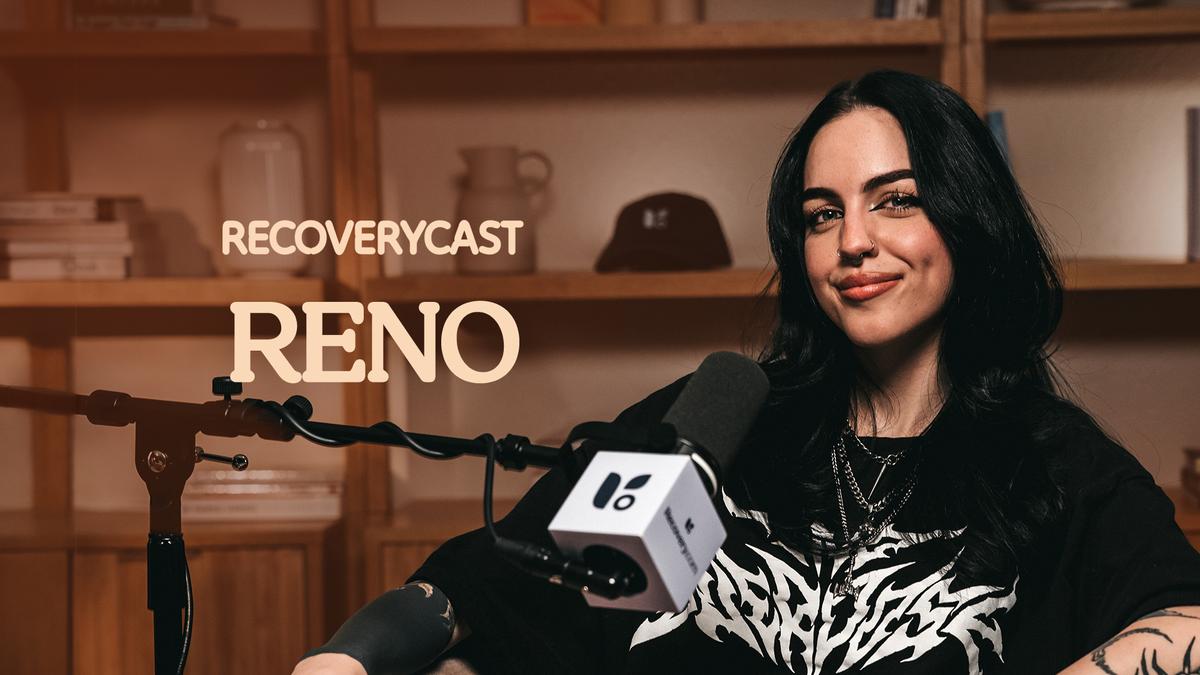
What does it look like to get sober in a world built around partying, nightlife, and constant stimulation?
In this episode of Recoverycast, Reno, known online as cherryemojigirl, shares a story that challenges nearly every stereotype about addiction and recovery. From a childhood shaped by trauma and instability to becoming immersed in rave culture and substance use, her journey is anything but linear.
But what makes Reno’s story so compelling isn’t just where she has been, but how she chose to change direction. At just 21, she reached a point of deep exhaustion and clarity, realizing that the life she was living was no longer sustainable.
Now sober, she’s redefining what recovery looks like, especially for young people. Her story offers a mix of hard truths, humor, and hope for anyone navigating addiction, mental health, or simply trying to build a life that feels real.
Here are the biggest lessons from Reno’s journey.
1. Sobriety Starts When You’re Truly Done
Reno had been to treatment before. She had tried to moderate, switch substances, and control her behavior.
None of it worked.
The turning point wasn’t dramatic in the way people might expect. There was no single catastrophic event. Instead, it was a quiet moment sitting in her backyard, smoking, and realizing, “This cannot be it.”
That moment mattered because it came from within. She wasn’t trying to fix a relationship, impress others, or check a box. She was simply exhausted.
Addiction often continues long after it stops being fun. Reno described loving substances at first, how they helped her socialize and quiet her mind. But eventually, that experience flipped. The same behaviors became depressing and isolating.
Real recovery began when she stopped chasing the version of substance use that used to feel good and accepted that it was no longer working.
Sobriety, for her, wasn’t about perfection, but honesty.
2. You Don’t Have to Hit “Rock Bottom” to Change
One of the most powerful parts of Reno’s story is what didn’t happen.
She didn’t lose everything. She didn’t accumulate years of legal trouble. She didn’t wait until irreversible damage was done.
And yet, she still chose sobriety.
There’s a common belief that people need to “hit rock bottom” before they can recover. Reno challenges that idea directly. She recognized that her life was heading in a direction she didn’t want, and that was enough.
She points out something many overlook. The only difference between her and someone with more visible consequences is often circumstance and timing.
“I didn’t get caught,” she admits, reflecting on risky behaviors like drinking and driving.
That perspective reframes recovery. You don’t need to prove your pain or earn your way into sobriety. You can simply decide that you want something different.
And that decision counts.
Explore Drug Addiction Treatment Centers
3. Addiction Often Starts as a Solution
At 14, Reno discovered substances and felt immediate relief.
For the first time, her mind slowed down. Social anxiety disappeared. She felt like she belonged.
That’s the hook.
Addiction rarely begins as destruction. It begins as a solution to something deeper, whether that is trauma, loneliness, anxiety, or emotional pain.
Reno grew up navigating complex family dynamics, abandonment issues, and mental health struggles. Substances became a way to cope with feelings she didn’t yet have the tools to process.
When she drank, she could connect with people. When she used drugs, she felt less alone.
That’s why simply removing substances isn’t enough. The underlying pain doesn’t disappear. It demands attention.
Recovery, in her experience, required asking a harder question. Not just “How do I stop using?” but “Why did I need this in the first place?”
4. Getting Sober Is Only the Beginning
Reno’s first attempt at recovery didn’t last.
She went to treatment, stopped using, and expected her life to magically improve. When it didn’t, she returned to substances.
This is a common experience.
Sobriety removes the coping mechanism, but it doesn’t automatically heal the underlying issues. In fact, those issues can become more intense at first.
Reno describes early sobriety as emotionally overwhelming. Small situations felt catastrophic. She recalls crying, reacting impulsively, and struggling to regulate her emotions.
That phase can feel discouraging, especially when people expect sobriety to bring immediate peace.
But for Reno, the difference the second time around was her mindset. She understood that recovery required real work, therapy, self-awareness, and uncomfortable honesty.
She stopped looking for a quick fix and started building a foundation.
5. You Can Still Have Fun Without Substances
One of Reno’s biggest fears was that sobriety would end her life as she knew it.
Especially in rave culture, where substances are normalized, she worried that fun and connection would disappear.
Instead, she discovered something surprising.
Sobriety didn’t remove fun, but changed the way she experienced it.
At first, it was uncomfortable. Being sober around people who aren’t can feel isolating. There’s a learning curve, adjusting to environments without the buffer of substances.
But over time, she found new ways to engage. She connected with sober communities at festivals, attended recovery meetings in those spaces, and learned to take breaks when needed.
Now, she can attend festivals with friends who are using and still enjoy herself.
The key shift was internal. She stopped believing that substances were required for connection or joy.
And she proved it to herself through experience.
6. Community Makes Recovery Possible
Reno didn’t get sober alone.
A friend with years of sobriety reached out and guided her early in the process. That support made a critical difference.
Recovery often requires connection with people who understand what you’re going through. Whether that’s through friends, support groups, or online communities, having that shared experience reduces isolation.
Reno found community in unexpected places, including within rave culture itself.
There are sober spaces at festivals. There are groups of people navigating the same challenges. There are conversations happening that most outsiders never see.
That realization changed everything for her.
Instead of feeling like sobriety excluded her from the life she loved, she found a way to exist within it, just differently.
7. Mental Health and Sobriety Go Hand in Hand
For Reno, getting sober was only one part of the equation.
She also had to address her mental health.
After years of cycling through emotional highs and lows, she eventually sought professional help and was diagnosed with bipolar disorder. Medication, specifically mood stabilizers, helped her regulate in ways she had never experienced before.
This highlights an important reality. Substance use and mental health are often deeply connected.
Trying to manage one without addressing the other can make recovery much harder.
Reno intentionally waited until she had a year of sobriety to understand her baseline. From there, she could more accurately assess what support she needed.
That level of self-awareness allowed her to make informed decisions about treatment.
Recovery isn’t one-size-fits-all. It’s about finding the combination of tools that works for you.
8. Authenticity Is a Powerful Form of Healing
Reno has built a platform by being unapologetically honest.
She shares her experiences, her struggles, and even the parts that feel “cringe.” In fact, she embraces that word.
“Being cringe is the most free thing you can do,” she says.
That mindset reflects a deeper truth. Healing requires vulnerability.
In a world where social media often presents curated perfection, Reno’s willingness to show the messy, human side of recovery creates connection.
She has seen firsthand how sharing her story helps others feel less alone.
At the same time, she has learned to set boundaries. She no longer reads every comment or seeks out criticism. Protecting her mental health is part of her recovery.
Authenticity doesn’t mean exposing everything, but being honest while still taking care of yourself.
Reno’s story isn’t about perfection. It’s about self-awareness and choosing a different path before it's too late.
Her biggest lesson is simple but powerful. Life can get better, but only if you’re willing to do the work.
Sobriety isn’t the end of fun, identity, or connection. It’s the beginning of a life that actually feels sustainable.
If this story resonates with you, consider listening to the full Recoverycast episode for more of Reno’s journey. You can also share this post with someone who might need it, or take a moment to reflect on where you are in your own story.
Change does not require rock bottom. Sometimes, it just starts with being honest about what you want next.
Our Promise
How Is Recovery.com Different?
We believe everyone deserves access to accurate, unbiased information about mental health and recovery. That's why we have a comprehensive set of treatment providers and don't charge for inclusion. Any center that meets our criteria can list for free. We do not and have never accepted fees for referring someone to a particular center. Providers who advertise with us must be verified by our Research Team and we clearly mark their status as advertisers.
Our goal is to help you choose the best path for your recovery. That begins with information you can trust.