Find Treatment By
Rehabs by Location


Find Treatment By
Learn
About Us
Recovery.com combines independent research with expert guidance on addiction and mental health treatment. Our mission is to help everyone find the best path to recovery through the most comprehensive, helpful network of treatment providers worldwide.
Advisory Council
Our advisory council brings together leaders in behavioral health, technology, and business. Their diverse expertise ensures our resources and product are innovative, evidence-based, and effective. They guide our mission as accomplished individuals dedicated to improving the landscape of addiction recovery and mental wellness.
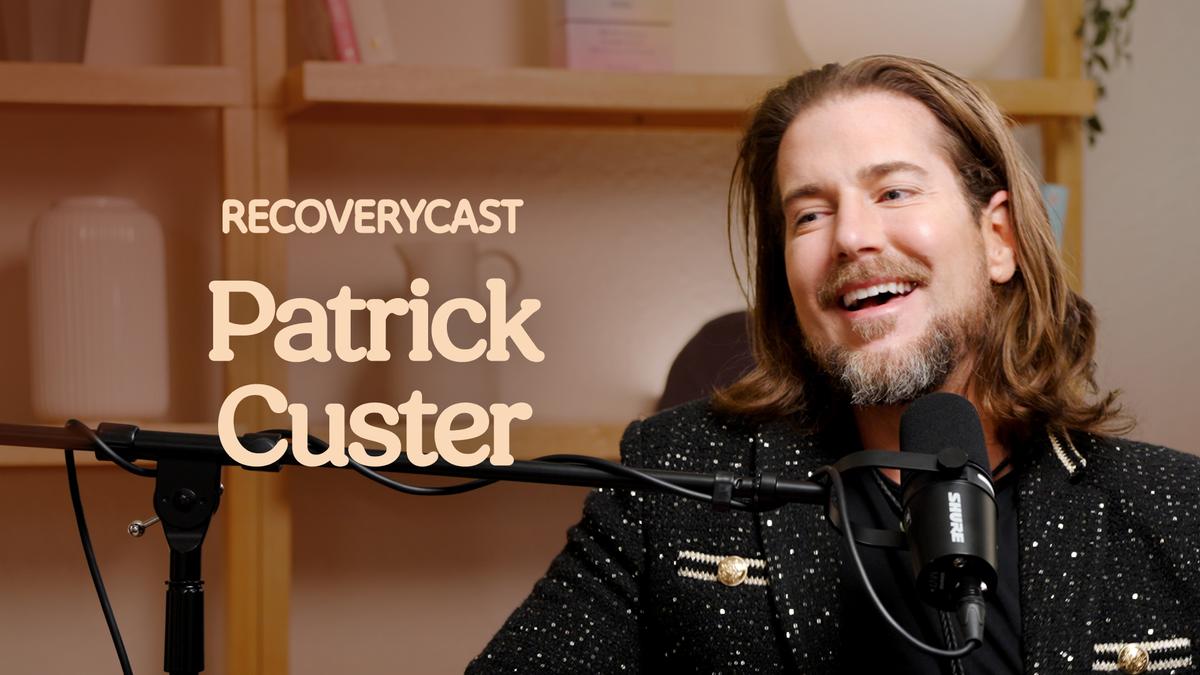
Patrick Custer’s 9 Powerful Lessons on Addiction Recovery, Asking for Help, and Finding Real Peace


Kayla Currier is a Senior Web Content Editor at Recovery.com. She received her B.A. in Journalism and Media Studies at the University of South Florida where she served as a contributing writer and editor for the Crow’s Nest.
Kayla Currier is a Senior Web Content Editor at Recovery.com. She received her B.A. in Journalism and Media Studies at the University of South Florida where she served as a contributing writer and editor for the Crow’s Nest.
Table of Contents
- 1. The First Drink Isn’t Always About Euphoria
- 2. Addiction Progresses Quietly, Until It Doesn’t
- 3. Addiction Doesn’t Just Isolate You From Others, It Separates You From Yourself
- 4. Rock Bottom Isn’t Always a Single Moment
- 5. You Don’t Have to Know What to Do, You Just Have to Start Asking
- 6. Asking for Help Is the Foundation of Recovery
- 7. Long-Term Healing Requires Structure and Simplicity
- 8. You Can’t Control Everything, But You Can Choose How You Show Up
- 9. Don’t Settle for the Absence of Pain, Aim for Joy
Recovery is rarely a straight line. For Patrick Custer, it was a collision of addiction, anxiety, identity loss, and ultimately a life-threatening diagnosis that forced him to confront everything he had been running from.
On this episode of Recoverycast, Patrick shares a story that is both deeply personal and universally relatable. From his early struggles with anxiety and fear-based thinking to the rapid progression of alcohol addiction, his journey highlights how quickly things can unravel and how powerful it can be to rebuild.
What makes Patrick’s story stand out isn’t just what he survived, but how he chose to live afterward. His recovery is rooted in connection, curiosity, and a willingness to ask for help, even when it feels uncomfortable.
This conversation offers practical lessons for anyone navigating mental health challenges, sobriety, or simply trying to live a more grounded and meaningful life.
1. The First Drink Isn’t Always About Euphoria
Patrick didn’t fall in love with alcohol because it made him feel amazing. What hooked him was that it made his anxiety disappear.
Growing up, Patrick carried a constant sense of fear. He describes his childhood as shaped by hyper-vigilance and intrusive thoughts, including a persistent belief that he would develop a brain tumor. That anxiety became his baseline, something he didn’t even realize wasn’t “normal.”
So when he had his first drinking experience in college, the shift wasn’t explosive, but subtle. The noise in his mind finally quieted.
“I wouldn’t even describe it as euphoric…what initially hooked me in was the absence of the negative feelings.”
For many people, addiction doesn’t begin with chasing a high, but finally experiencing relief. And when relief becomes the goal, the pattern can be harder to break.
2. Addiction Progresses Quietly, Until It Doesn’t
Patrick’s drinking didn’t spiral overnight. It evolved gradually, almost imperceptibly at first.
He started in safe environments with trusted friends. But over time, his habits changed. His tolerance increased. His social circles shifted to match his behavior. What once felt controlled became something else entirely.
He describes how his life began to reorganize around alcohol. His academic performance declined. His friendships changed. Shame crept in, making it harder to be honest with the people who cared about him.
Even after a DUI, he kept his struggles hidden. “I was too ashamed to tell…I felt like that was a moral failure.”
This is how addiction isolates both physically and emotionally.
By the time the consequences are undeniable, the person is often already deeply disconnected from themselves and others.
3. Addiction Doesn’t Just Isolate You From Others, It Separates You From Yourself
One of the most powerful moments in Patrick’s story is when he describes losing his sense of identity.
As his addiction progressed, he stopped growing. He stopped developing. He became disconnected from the person he used to be.
“I didn’t even know who I was anymore…I had stopped developing identity.”
When people asked him about himself, he either lied or referenced an outdated version of who he used to be.
That’s a reality many people with addiction experience but struggle to articulate. It’s not just about substance use, but about losing your anchor.
You can forget what you enjoy, what matters, and who you are.
Recovery, then, becomes more than sobriety. It becomes rediscovery.
Explore Alcohol Treatment Centers
4. Rock Bottom Isn’t Always a Single Moment
Patrick’s turning point wasn’t one dramatic event, but a convergence of moments that forced him to face reality.
He had been drinking around the clock and experiencing severe withdrawal symptoms. Then came a pivotal day.
He was driving to get more alcohol when he saw his siblings, who believed he was on his way to the hospital to visit their father. The emotional weight of that lie collided with everything else.
Soon after, his family intervened.
“They said, you can go somewhere else and do your own thing, or you can accept help and go to treatment right now.”
For the first time, he didn’t have a clear path forward. But he knew one thing: continuing as he was wasn’t an option.
Sometimes, rock bottom is about realizing there is no sustainable way to keep going, rather than hitting a single low point.
5. You Don’t Have to Know What to Do, You Just Have to Start Asking
Even after entering treatment, Patrick didn’t immediately “get it.”
Weeks into the program, his treatment team questioned whether he even wanted recovery. That confrontation forced him into deep reflection.
And what he realized was simple but profound.
“I had no idea what I was doing…I need to be asking.”
That shift changed everything.
Instead of pretending to have answers, he leaned into curiosity. He began asking people who had more experience. He sought guidance. He listened.
This is one of the most practical takeaways from his story. You don’t need to have recovery figured out. You just need to be willing to learn.
6. Asking for Help Is the Foundation of Recovery
If there’s one theme that defines Patrick’s long-term sobriety, it’s this: asking for help.
He continues to practice it daily, even years into recovery.
“Even when I think I know the answer, I run it past somebody who I think knows more than me.”
This mindset keeps him grounded. It prevents isolation and creates accountability.
It also challenges a common barrier in recovery: the belief that you should be able to handle things on your own.
Patrick reframes that entirely. Asking questions, seeking feedback, and staying open aren’t signs of weakness. They’re signs of growth. And they’re essential for maintaining sobriety over time.
7. Long-Term Healing Requires Structure and Simplicity
Patrick credits much of his success to committing to long-term treatment and embracing structure.
After years of chaotic decision-making, he needed something different. He needed consistency. He needed clarity. He needed a simpler way of living.
“I needed help restructuring…I needed simplicity.”
Being surrounded by others in recovery helped normalize the process. It removed the pressure of comparison and allowed him to focus on foundational habits.
This is an important reminder that recovery isn’t just about stopping a behavior, but building a new way of living. And that often requires slowing down and simplifying.
8. You Can’t Control Everything, But You Can Choose How You Show Up
Years into sobriety, Patrick faced a diagnosis that confirmed his lifelong fear, a brain tumor.
For many, that kind of moment could trigger relapse. But his response was different.
He leaned into the tools he had built in recovery. He called his sponsor. He prayed. He processed his emotions honestly.
“I did the things that I needed to do.”
That experience reinforced a core truth. Control is an illusion.
What matters is how you respond.
Recovery doesn’t eliminate fear or hardship. It equips you to face them without running.
9. Don’t Settle for the Absence of Pain, Aim for Joy
One of the most memorable lines from Patrick’s story captures the essence of his transformation.
“I don’t want to just be not sad… I want joy.”
In early recovery, many people focus on removing pain. That’s necessary. But it’s not the end goal.
Patrick challenges that idea. Sobriety isn’t just about surviving, but thriving.
It’s about experiencing peace, connection, and genuine happiness.
And that requires leaning in, not pulling away.
Patrick Custer’s story is a powerful reminder that recovery is about willingness, not perfection.
Willingness to ask for help. Willingness to be honest. Willingness to keep going, even when the path is unclear.
His journey shows that even in the face of addiction, anxiety, and life-threatening challenges, it is possible to rebuild a life rooted in purpose and connection.
If there’s one takeaway, it’s this: you don’t have to do it alone.
If this story resonated with you, consider listening to the full episode of Recoverycast, sharing it with someone who might need it, or taking one small step today toward your own healing.










Our Promise
How Is Recovery.com Different?
We believe everyone deserves access to accurate, unbiased information about mental health and recovery. That's why we have a comprehensive set of treatment providers and don't charge for inclusion. Any center that meets our criteria can list for free. We do not and have never accepted fees for referring someone to a particular center. Providers who advertise with us must be verified by our Research Team and we clearly mark their status as advertisers.
Our goal is to help you choose the best path for your recovery. That begins with information you can trust.