Find Treatment By
Rehabs by Location


Learn
About Us
Recovery.com combines independent research with expert guidance on addiction and mental health treatment. Our mission is to help everyone find the best path to recovery through the most comprehensive, helpful network of treatment providers worldwide.
Advisory Council
Our advisory council brings together leaders in behavioral health, technology, and business. Their diverse expertise ensures our resources and product are innovative, evidence-based, and effective. They guide our mission as accomplished individuals dedicated to improving the landscape of addiction recovery and mental wellness.
Parenting With Depression: Why Getting Help Can Be Part of Caring for Your Children


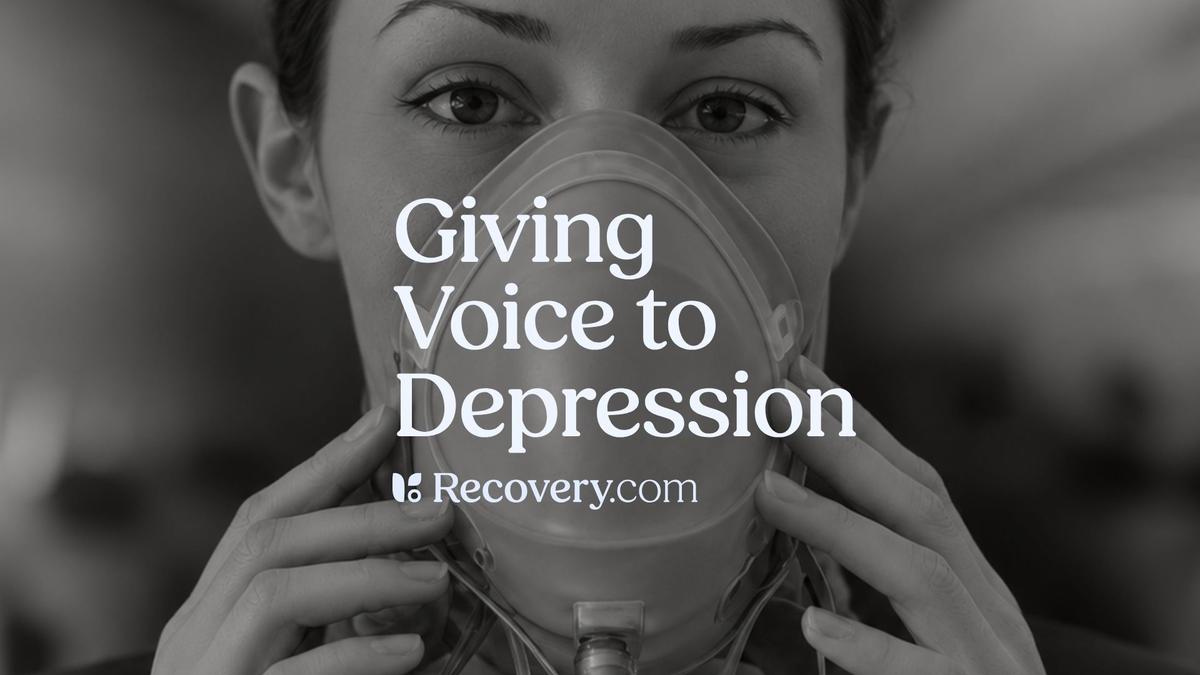
Parenting can make it feel like everyone else’s needs have to come first. There are lunches to pack, appointments to keep, work to finish, and children who need you in a hundred different ways. When anxiety or depression becomes heavier, it can feel easier to keep pushing through, tell yourself it is “not that bad,” or wait for life to slow down before asking for help.
In this episode of Giving Voice to Depression, Laura shares what that looked like in her own life. A mother of two who has lived with anxiety and depression for more than 35 years, she speaks openly about the pressure she put on herself, the panic attack that became a turning point, and the difficult decision to enter intensive outpatient treatment.
Her story is a gentle reminder for parents and caregivers that getting support is not stepping away from your family. In many cases, it is one of the most caring things you can do for them.
When Anxiety and Depression Start Early
Laura remembers first seeing a therapist in second or third grade. Looking back, she can see how anxiety and depression were woven together in her life from an early age. By high school, things had become more serious.
“High school is already hard enough. Being a teenager is already hard enough, never mind struggling with those unknown thoughts of, ‘Do I matter? Am I important? Am I enough? Is what I’m doing enough?’”
She experienced suicidal thoughts and eventually told her parents, who took her seriously and helped her enter a partial hospitalization program. It showed Laura that help was available, even if returning to everyday life afterward was not simple. School, music, theater, and other interests helped her keep moving forward, but anxiety and depression resurfaced during stressful seasons in college and adulthood.
Depression can look different from one person to the next. Persistent sadness or anxiety, hopelessness, fatigue, trouble concentrating, changes in sleep or appetite, loss of interest, and thoughts of death or suicide are among its possible signs. When symptoms are lasting, worsening, or making daily life harder to manage, they deserve professional attention.[1]
The Pressure to Be the “Best Mom Ever”
After her second child was born, Laura knew something was not right. At a postpartum appointment, she told her OB-GYN, “Something is off, I’m off.” But she did not feel heard, and before long, she began questioning herself.
“Maybe everybody else is just as stressed as I am and I just don't know how to manage it. Maybe everybody is just depressed as I'm. I'm just doing something wrong. Alright, fine. It's on me. And I let it go for a while and I think we do that.”
Like so many parents, Laura kept doing what had to be done. She packed lunches and bags, scheduled appointments, cared for the home, worked hard, and tried to hold everything together. From the outside, she looked like she was functioning. Inside, she was becoming more and more overwhelmed.
“I thought, okay, this is what perfection looks like. This is what you're supposed to do. You're at every event, and you work full time, and the house is spotless, and all the kids are fed happy, clean, everything. And it's completely unrealistic.”
That realization sits at the heart of this episode. Parenting does not require perfection. But, when depression is present, it can be especially easy to believe that anything less than perfect means you are failing. That belief can make it harder to notice when you need support and even harder to accept it.
A Crisis That Made Help Hard to Put Off
Eventually, Laura began having panic attacks. During the most severe one, she worried she was having a heart attack. She drove to her husband’s workplace so he could take their son, then took herself to the hospital.
Clinicians ruled out a heart attack and recognized signs of a major depressive episode, severe stress, and recurring suicidal thoughts.
“I think they realized fairly quickly that I was in a major depressive episode and I was incredibly stressed out. I was having suicidal ideations again, having thoughts that I didn't want to have. And it was decided that I needed to spend more time on myself.”
Laura was able to take disability leave and enter an intensive outpatient program, attending four to five hours a day, five days a week, for about eight to ten weeks. Even then, getting help was not emotionally simple.
Laura worried about her children and wondered whether she was “bad enough” to deserve a place in treatment. At the same time, she was having painful thoughts that her family would be better off without her.
She brought those thoughts to her therapist. That conversation created room to begin challenging the all-or-nothing thinking that had shaped so much of her life. One of the lessons Laura continues to practice is this: “You can be having a bad day and still be a good person.”
If you are having thoughts of suicide or feel you may be in immediate danger, call or text 988 in the United States to reach the Suicide & Crisis Lifeline, or call 911 in a life-threatening emergency.2
Treatment Is Not a Departure From Parenting
Laura’s experience raises an important question: What can it teach children when they see a parent take care of their own mental health?
For Laura, treatment did not make her less committed to her children. It helped her become more aware of when she needed a pause, a day of rest, a change, or more support. Her mental health affected the whole household, not because she was failing her family, but because families live so closely alongside one another’s stress, emotions, and hard days.
“You have to be healthy and you have to take care of yourself before you are able to really take care of somebody else.”
She compares it to the familiar airplane instruction to put on your own oxygen mask before helping the person beside you.
That does not mean parents should have to do everything alone, rather it is permission to recognize that support can be both practical and necessary.
Treatment may include psychotherapy, medication, or both, depending on a person’s needs and individualized care plan.1 Reaching out to trusted people for emotional and practical support can also be part of caring for your mental health.3
Letting Children See Healthy Coping
The episode also makes room for an important truth: protecting children does not have to mean pretending everything is fine.
Carly McCollow notes that children often sense when the adults around them are struggling, even when no one puts words to it. What they may need is age-appropriate language, reassurance that they are loved and not at fault, and a chance to see what getting support can look like.
“I have a lot more personal awareness around my mental health and then how it affects the rest of the house. I know when I need to take a good look at it and maybe take a step back and say, okay, I just need a little time or I need a day or maybe you need a night off or maybe, you have some major changes in your life that you have to make.”
That does not mean children should become a parent’s therapist or carry adult worries. It may simply mean saying something like, “I’m having a hard day, and I am getting help,” or, “I need some quiet time to rest, but I love you, and this is not because of anything you did.”
Laura now sees that her children can learn from the choices she makes, such as taking a break when she is overwhelmed, asking for help, seeking treatment, or making a change when something in her life is harming her well-being. Those are not signs of weakness. They are real-life skills for making it through hard seasons.
“Laura has come to the realization that her being transparent and fully herself in front of her children is exactly what being a good parent will mean for them.” -Carly McCollow
Moving Beyond Black-and-White Thinking
Laura is clear that recovery is not about becoming perfect. It is about learning to hold more than one truth at a time. She can have a hard day and still be a good person. She can need help and still be a loving mother. She can make changes without having every answer.
That middle ground is where this episode finds hope. Not in a quick fix, but in small, honest choices, such as telling someone what is happening, accepting care, practicing new skills, and letting the people closest to you see that struggle does not erase love.
You Don’t Have to Carry It Alone
If anxiety or depression is making it hard to get through the day, support is available, and you deserve it. Talking with a mental health professional can be a meaningful first step toward feeling more supported, for yourself and for the people you love.
Listen to Laura’s full conversation on Giving Voice to Depression for an honest, hopeful reminder that asking for help is not a failure. It is an act of care.
Our Promise
How Is Recovery.com Different?
We believe everyone deserves access to accurate, unbiased information about mental health and recovery. That's why we have a comprehensive set of treatment providers and don't charge for inclusion. Any center that meets our criteria can list for free. We do not and have never accepted fees for referring someone to a particular center. Providers who advertise with us must be verified by our Research Team and we clearly mark their status as advertisers.
Our goal is to help you choose the best path for your recovery. That begins with information you can trust.