Find Treatment By
Rehabs by Location


Learn
About Us
Recovery.com combines independent research with expert guidance on addiction and mental health treatment. Our mission is to help everyone find the best path to recovery through the most comprehensive, helpful network of treatment providers worldwide.
Advisory Council
Our advisory council brings together leaders in behavioral health, technology, and business. Their diverse expertise ensures our resources and product are innovative, evidence-based, and effective. They guide our mission as accomplished individuals dedicated to improving the landscape of addiction recovery and mental wellness.
Michelle Chubb’s 7 Transformative Lessons on Sobriety, Indigenous Culture, and Breaking Generational Cycles


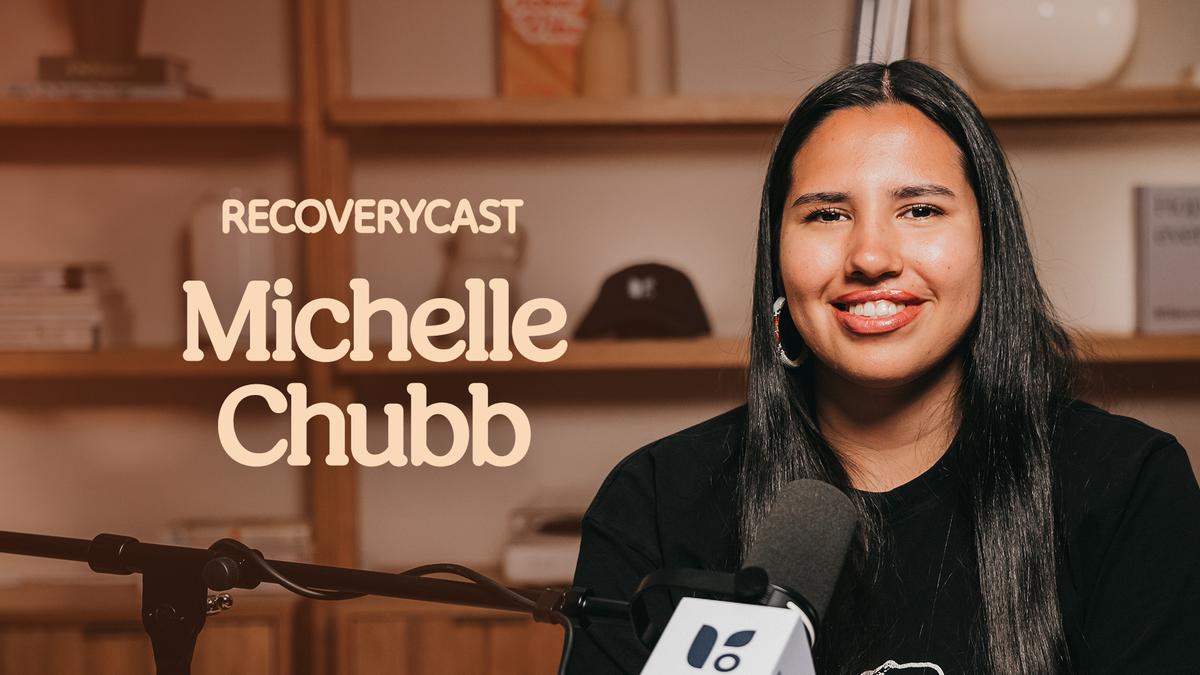
Michelle Chubb’s decision to get sober opened the door to a different kind of life, one grounded in culture, connection, purpose, and a clearer sense of who she wanted to become.
Known online as the Indigenous Baddie, Michelle has built a platform around Indigenous culture, education, representation, and empowerment. But before the modeling campaigns, social media following, and TEDx stage, she went through a period of substance dependency that left her questioning who she was becoming.
On an episode of Recoverycast, Michelle opens up about growing up between Indigenous reserve communities in northern Manitoba and Winnipeg, struggling to feel like she belonged, developing an unhealthy relationship with alcohol and other substances, and eventually choosing sobriety.
Her recovery became deeply connected to something she had known since childhood: her culture. Reconnecting with ceremonies, jingle dress dancing, community, and her Indigenous identity helped Michelle feel in control of her life again.
Now, as a mother and public figure, Michelle sees her experiences differently. They’re part of the story that allows her to use her voice, raise her children with intention, and show others that another path is possible.
Here are seven powerful lessons from Michelle’s journey through addiction recovery, sobriety, cultural reconnection, and healing.
1. Addiction Can Begin as a Slow Progression
Michelle’s experience with alcohol didn’t begin with an immediate realization that something was wrong. Her first experiences with drinking came around the end of high school, and after graduation, alcohol gradually became a bigger part of her life.
She remembers the physical sensation of drinking initially feeling strange. But over time, that unfamiliar feeling became something she liked and wanted more of.
That progression eventually reached the point where Michelle said she was buying and drinking alcohol daily.
Eventually, friends introduced her to MDMA, and what began as something available during nights out eventually shifted into actively looking for drugs when they weren’t readily available.
That change caught her attention. She remembers realizing, “I’m starting to ask for it.”
Her experience illustrates why recognizing problematic substance use isn’t always about identifying one dramatic moment. Sometimes, the warning signs are found in gradual changes: wanting more, using more frequently, seeking out substances, and noticing how much energy is being organized around the next opportunity to use.
2. Substances Can Feel Like a Shortcut to Confidence
Growing up, Michelle was quiet. Speaking in front of a classroom was so uncomfortable that she would intentionally miss school on presentation days.
Alcohol and drugs seemed to change that.
Under the influence, Michelle felt more talkative. She could approach strangers at clubs and access an outgoing version of herself that had previously felt unavailable.
That feeling can make substance use particularly complicated. A substance may initially seem to solve a problem, whether that problem is social anxiety, painful memories, loneliness, stress, or insecurity.
For Michelle, substances appeared to unlock a personality she wanted to have. The problem was that the confidence came with consequences.
She began doing things she later regretted and felt increasingly uncomfortable with the person she became while partying. Eventually, she realized she was tired of feeling like the “clown of the group” and no longer wanted others to see her that way.
Choosing sobriety meant learning that confidence did not have to come from a substance. She could build it as herself.
3. Recovery Can Start With One Difficult Question
Michelle’s turning point was rooted in self-reflection.
She sat with herself and started asking what she actually wanted from her life. Weekends were disappearing into partying and hangovers, while weekdays offered little time to build something different.
Michelle’s question became simple but uncomfortable: “What do you want to do in your life?”
She could also see where the same patterns had led people around her. She knew she wanted a different direction for her own life.
So another question emerged: “What do you want to do differently?”
Recovery rarely looks identical from one person to another. For Michelle, the first step was recognizing that her current life was not sustainable and imagining what she wanted instead.
Recovery wasn’t only about what she wanted to stop doing. It was also about what she wanted to move toward.
Explore Drug Addiction Treatment Centers
4. Support Can Make Sobriety Feel More Possible
Michelle didn’t make the transition alone. She and her partner decided to quit alcohol together.
They encouraged each other through the difficult moments and reminded each other, “We can do this.”
Having someone beside her gave Michelle support as she changed routines and stepped away from a lifestyle that had occupied years of her life.
That also meant accepting that some relationships couldn’t come with her.
Michelle ultimately cut ties with some friends because she recognized that their connection revolved primarily around partying.
Losing relationships can be one of the painful realities of early recovery. But Michelle’s story also shows how making room for healthier connections and supportive people can become part of building a sustainable sober life.
Recovery isn’t simply removing substances. It can involve rebuilding an entire social environment.
5. Reconnecting With Culture Helped Her Reconnect With Herself
One of the most meaningful parts of Michelle’s recovery was returning to her Indigenous culture.
She had been introduced to cultural traditions as a child, but during the years when substance use became central to her life, she had moved away from them.
In sobriety, she found herself missing the community and connection she associated with her culture. Ceremonies also required sobriety, giving her another reason to choose the life she wanted to reclaim.
Michelle began reconnecting with cultural practices and returned to jingle dress dancing. She also started sharing that journey online.
The impact was profound.
Going back to her culture, she explained, made her feel like she was “in control of my life again.” After years when she felt the opposite, that sense of agency mattered.
For Michelle, culture wasn’t a backdrop to recovery. It became a source of identity, belonging, purpose, and grounding.
6. A New Life Requires New Routines
Walking away from the party lifestyle left space that needed to be filled.
Michelle intentionally began finding activities she enjoyed and developing what she described as healthier coping mechanisms.
She returned to the gym. She started biking. She traveled more. Those activities helped her stay grounded and distanced from her previous lifestyle.
This part of her story highlights an important aspect of addiction recovery. Removing an unhealthy coping mechanism can leave a gap. Building routines around movement, connection, hobbies, culture, creativity, or other meaningful activities can help create a life that feels worth protecting.
Michelle also learned that sobriety didn’t erase everything she had experienced. Past trauma eventually resurfaced, and she had to find ways to face it without automatically turning to substances.
Rather than viewing her experiences only as things that had harmed her, Michelle began considering what they had taught her. She recognized that she knew more about caring for herself and could use what she had learned to support others.
The past didn’t change. Her relationship with it did.
7. Sobriety Gave Her a Chance to Break Cycles for the Next Generation
Today, Michelle has another powerful reason for protecting her recovery: her children.
When she speaks publicly or appears somewhere like Recoverycast, she thinks about the example she wants to set for her daughter.
“I speak and act the way I want my daughter to be when she’s older,” she explained.
That perspective is especially meaningful in the context of the generational trauma Michelle discussed. She reflects on what her ancestors endured through colonization, displacement, and efforts to preserve their culture, language, and families.
Thinking about their resilience gives her strength. Their perseverance reminds her of the strength she carries into the challenges in front of her.
Motherhood has also given sobriety a new dimension. Michelle values being present for her daughter, offering guidance and strength, and introducing her to Indigenous cultural practices.
Her recovery is therefore both deeply personal and generational. She is building the life she wants while helping create a different foundation for the people who come after her.
Recovery Can Be About Returning to Who You Are
Michelle’s recovery story reaches beyond leaving alcohol and drugs behind. Sobriety created space for cultural reconnection, healthier routines, motherhood, purpose, and a stronger relationship with herself.
She found healthier routines, rebuilt her relationship with Indigenous culture, became more confident in her own voice, and discovered a sense of purpose in helping others. She is also raising her children with an awareness of culture and identity that connects the next generation with those who came before.
Perhaps her simplest piece of advice captures that transformation best: follow your heart. For Michelle, listening to it helped point her toward the life she wanted to live.
Listen to the full Recoverycast episode to hear more of Michelle’s story, from her childhood in Manitoba and experiences with substance use to sobriety, motherhood, cultural reconnection, and using her platform to inspire others. Consider sharing the episode with someone who may connect with its message. Recovery can hold space for both leaving harmful patterns behind and reclaiming identity, connection, and purpose.
Our Promise
How Is Recovery.com Different?
We believe everyone deserves access to accurate, unbiased information about mental health and recovery. That's why we have a comprehensive set of treatment providers and don't charge for inclusion. Any center that meets our criteria can list for free. We do not and have never accepted fees for referring someone to a particular center. Providers who advertise with us must be verified by our Research Team and we clearly mark their status as advertisers.
Our goal is to help you choose the best path for your recovery. That begins with information you can trust.