Find Treatment By
Rehabs by Location


Learn
About Us
Recovery.com combines independent research with expert guidance on addiction and mental health treatment. Our mission is to help everyone find the best path to recovery through the most comprehensive, helpful network of treatment providers worldwide.
Advisory Council
Our advisory council brings together leaders in behavioral health, technology, and business. Their diverse expertise ensures our resources and product are innovative, evidence-based, and effective. They guide our mission as accomplished individuals dedicated to improving the landscape of addiction recovery and mental wellness.
Dance Gavin Dance’s Matt Mingus Shares 7 Hard-Earned Lessons on Addiction and Recovery


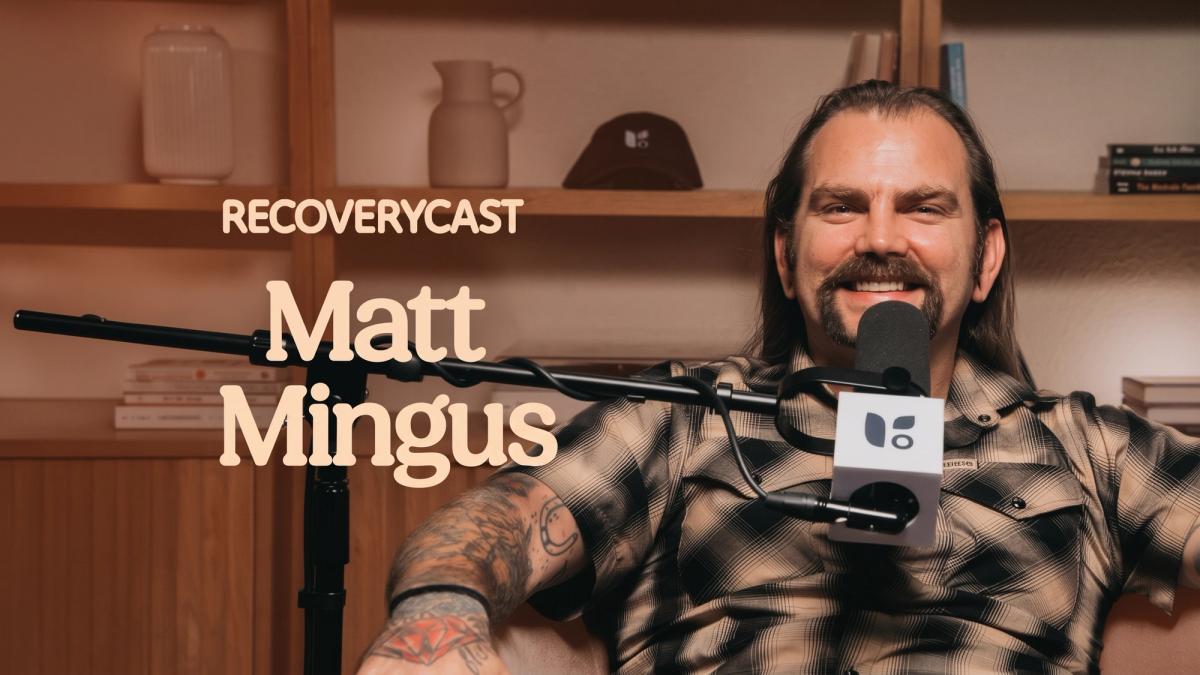
For more than two decades, Matt Mingus has been behind the drums for Dance Gavin Dance, helping shape the Sacramento band's sound through 11 albums, countless tours, and an ever-changing lineup. But behind the music, Matt was struggling with alcohol and drug addiction, a battle that nearly cost him everything he'd worked to build.
In 2021, after years of escalating substance use, Matt reached a breaking point during a sold-out performance in Detroit. Unable to finish the show, he was escorted offstage while his drum technician stepped in to complete the set. It was a moment that changed the course of his life.
Today, Matt is sober, still touring with Dance Gavin Dance, and using his experience to encourage others who may be struggling. His recovery has also changed the band's dynamic, creating a healthier environment where music, rather than partying, takes center stage.
In this episode of Recoverycast, Matt joins us to discuss his early experiences with substance use, the realities of addiction in the music industry, his decision to seek treatment, and what he's learned about building a meaningful life in recovery.
Here are seven lessons from his journey.
1. Addiction Can Begin Long Before Anyone Recognizes the Signs
Matt was just nine years old when he first tried alcohol and marijuana. Ironically, it was around the same age he discovered his passion for drumming. Growing up near a high school, he spent time skateboarding with older kids and wanted desperately to fit in.
He remembers drinking whiskey from a bottle wrapped in aluminum foil. Although he hated the taste, he loved how it made him feel. Suddenly, he was more confident, more outgoing, and part of the group. What started as an attempt to connect with others gradually became something more serious.
By age 12, Matt was getting into trouble at school and at home. After being caught selling marijuana, he was transferred to another school, and his parents enrolled him in an outpatient addiction treatment program. He also began attending Alcoholics Anonymous (AA) and Narcotics Anonymous (NA) meetings.
At first, he wasn't interested in getting sober. Instead, he told people what they wanted to hear while continuing to use substances. That changed when friends from his recovery community confronted him after he showed up to an event intoxicated.
For the first time, Matt began questioning whether his substance use was normal. He took recovery seriously and stayed sober for approximately two years. His experience illustrates how substance use can become problematic at a young age, even when someone doesn't initially recognize the warning signs.
Explore Drug Addiction Treatment Centers
2. The Rock Star Lifestyle Can Make Addiction Easier to Justify
As a teenager, Matt helped form Dance Gavin Dance alongside guitarist Will Swan. The band spent its early years writing music, playing local shows, and building a following through Myspace. Eventually, they signed with Rise Records and began touring.
With success came an environment where heavy drinking and partying felt normal. For the band's first decade, touring meant traveling in a van, sleeping at friends' houses, and drinking almost every night. Matt saw the same behavior among musicians he admired and convinced himself it was simply part of the job.
He had also begun distancing himself from his recovery community. After two years of sobriety, he questioned whether he really had a problem and decided to try drinking again. What followed was a pattern of increasingly heavy alcohol and drug use.
Initially, Matt believed he could manage his drinking by setting rules. He might limit himself to two beers before performing and save the heavier partying for afterward. But those boundaries gradually disappeared.
During one European tour, he remembers staying awake all night partying, then drinking several bottles of champagne before a performance. His playing suffered, and his bandmates began noticing.
Looking back, Matt recognizes how easily the expectations of rock culture became an excuse for his behavior. What once seemed like a normal part of touring was beginning to interfere with the very thing he loved most: playing music.
3. You Don't Have to Lose Everything to Reach a Breaking Point
When people imagine someone hitting rock bottom, they often picture losing a job, home, or important relationships. Matt’s experience was different. Although his addiction had serious consequences, many of his lowest moments were emotional rather than financial.
Things became particularly difficult during the COVID-19 pandemic. With touring suspended, Matt lost the structure and purpose that performing had provided. He increasingly isolated himself, and his cocaine use escalated.
He describes a painful cycle of waking up ashamed of his behavior, throwing away whatever drugs he had left, and then contacting his dealer again hours later. Even when he desperately wanted to stop, he found himself repeating the same pattern.
At the same time, his wife was becoming increasingly concerned. Matt believed he was hiding his drug use, but his secrecy and behavior were affecting their relationship. He later acknowledged how much dishonesty and stress he had put her through.
Matt describes experiencing several rock-bottom moments before seeking treatment. His story challenges the idea that someone must lose everything before addiction becomes serious enough to address.
Emotional distress, repeated unsuccessful attempts to stop, and growing concerns from loved ones can all be reasons to seek help. A person doesn't have to wait for a catastrophic event to begin recovery.
4. Asking for Help Can Be the Most Important Turning Point
In 2021, Dance Gavin Dance returned to touring, and Matt hoped getting back onstage would pull him out of the difficult place he'd been in. Instead, his substance use worsened.
During a sold-out show at Detroit's Masonic Temple, Matt attempted to perform after several days of substance use and little sleep. He managed to get through the first songs, but by the third, he could no longer physically play his drums.
His drum technician escorted him offstage and finished the performance. The technician ultimately completed the remainder of the tour, a humbling experience for someone who had believed he was irreplaceable.
In the aftermath, Matt experienced what he calls the "gift of desperation." He realized he couldn't continue living the same way and needed help. His manager contacted MusiCares, an organization that supports people in the music industry, and helped arrange addiction treatment.
The following morning, Matt woke up to find his wife had traveled to Detroit to support him. Although he initially tried to postpone treatment until after the tour, he eventually recognized that he needed to go immediately.
He was terrified and uncertain about his future with the band. But alongside that fear came an unexpected sense of relief. For the first time in years, he was ready to stop fighting the possibility of recovery.
Mingus entered a 30-day residential treatment program in Pasadena, California. The decision was difficult, but it became the beginning of a new chapter in his life.
5. Recovery Takes Accountability, Community, and Continued Effort
When Matt arrived at treatment, he recognized familiar recovery slogans on the walls. Having experienced sobriety as a teenager, he felt as though he was returning to something he'd known before.
He approached treatment differently this time, participating in activities and taking the recovery process seriously. But about halfway through his 30-day stay, he began thinking he had learned enough and could leave early.
A friend in recovery challenged that thinking, reminding Matt that he'd committed to completing the program. The conversation helped him recognize the importance of accountability, particularly when his own judgment was telling him to take an easier path.
Before leaving treatment, Matt created an aftercare plan outlining the steps he would take to support his sobriety. His first priority was reconnecting with people in recovery.
"I came into recovery for the drinking, and I stayed in recovery for the thinking."
He followed through immediately. Nearly five years later, many of the people he connected with during those first days remain among his closest friends.
For Matt, recovery became about building relationships, developing healthier ways to handle difficult emotions, and remaining accountable to himself and others.
6. Sobriety Doesn't Eliminate Life's Challenges, but It Can Change How You Face Them
During his first few months sober, Matt experienced what people in recovery sometimes call the "pink cloud," a period of excitement, optimism, and renewed energy.
He felt better physically and emotionally, but he eventually realized sobriety wouldn't protect him from painful experiences. Life would continue to bring challenges, and he would need to learn how to navigate them without turning to substances.
One of the most difficult tests came approximately six months into his recovery, when Dance Gavin Dance's bassist, a close friend who had also struggled with addiction, died from an overdose.
The loss devastated Matt and the rest of the band. His friend had entered the same treatment program Matt attended but left early. Matt describes the experience as a painful reminder of how serious substance use disorders can be.
Rather than returning to drinking or drug use, Matt leaned on his recovery community and the coping strategies he'd developed in treatment. He reminded himself that using substances wouldn't change what had happened or make the grief disappear.
The experience reinforced a lesson that continues to shape his recovery: sobriety doesn't mean someone will always feel good. It means learning to experience difficult feelings without needing to escape them.
For Matt, having people he could turn to made it possible to navigate grief while continuing to protect his recovery.
An overdose occurs when someone takes more of a substance than their body can safely handle, potentially leading to serious health complications, loss of consciousness, or death. Overdoses can happen accidentally, particularly when someone takes a potent drug like fentanyl or combines substances such as alcohol and opioids. Narcan (naloxone) is a life-saving medication that can rapidly reverse an opioid overdose, including one involving fentanyl, when administered in time. However, it does not reverse overdoses caused by alcohol or other non-opioid substances.
7. Getting Sober Doesn't Mean Giving Up Your Passion or Identity
Before entering treatment, Matt worried that sobriety might mean the end of his career with Dance Gavin Dance. He had spent much of his life associating music with drinking, partying, and the rock star lifestyle.
While in treatment, he connected with other sober musicians through virtual recovery meetings. Hearing from people who had maintained successful careers in the entertainment industry without alcohol or drugs gave him hope that he could do the same.
His first sober tour brought some anxiety, but it also revealed something unexpected. When Matt asked his bandmates not to use cocaine around him, they pointed out that none of them were using it. He realized that much of the partying he'd associated with touring had actually centered on his own behavior.
Today, the band's environment looks very different. Matt says the members no longer drink alcohol or use other drugs, although he acknowledges that not everyone has the same relationship with sobriety.
The change has improved their relationships, performances, and overall experience on the road. Instead of spending nights partying, Matt can finish a show, relax, get a good night's sleep, and wake up ready for the next performance.
He's also discovered that sobriety hasn't diminished his creativity. In fact, he feels more present during songwriting and believes ideas come more naturally now that he's no longer distracted by substance use.
For anyone worried that getting sober means losing an important part of themselves, Matt offers reassurance from his own experience. He still gets to tour, create music, connect with fans, and do what he loves. The difference is that he's now able to enjoy those experiences more fully.
Finding Purpose Beyond Addiction
Matt's recovery journey is a reminder that addiction can affect anyone, regardless of talent or how much they appear to have going for them.
His story also shows that recovery isn't necessarily about leaving an old life behind. Sometimes, it's about finding a healthier way to participate in the life you've already built.
Through treatment, accountability, supportive relationships, and a willingness to change, Matt has found a new sense of purpose both onstage and off.
His biggest message for anyone considering recovery is simple: "You don't have to do this alone."
Listen to the full episode of Recoverycast to hear more about Matt's experience with addiction, his journey to sobriety, and how recovery has transformed his life with Dance Gavin Dance. If his story resonates with you or someone you care about, consider sharing it. Sometimes, hearing another person's experience can be the first step toward finding hope. If you're ready to explore treatment options, Recovery.com can help you find and compare treatment centers that fit your needs.
Our Promise
How Is Recovery.com Different?
We believe everyone deserves access to accurate, unbiased information about mental health and recovery. That's why we have a comprehensive set of treatment providers and don't charge for inclusion. Any center that meets our criteria can list for free. We do not and have never accepted fees for referring someone to a particular center. Providers who advertise with us must be verified by our Research Team and we clearly mark their status as advertisers.
Our goal is to help you choose the best path for your recovery. That begins with information you can trust.