Find Treatment By
Rehabs by Location


Learn
About Us
Recovery.com combines independent research with expert guidance on addiction and mental health treatment. Our mission is to help everyone find the best path to recovery through the most comprehensive, helpful network of treatment providers worldwide.
Advisory Council
Our advisory council brings together leaders in behavioral health, technology, and business. Their diverse expertise ensures our resources and product are innovative, evidence-based, and effective. They guide our mission as accomplished individuals dedicated to improving the landscape of addiction recovery and mental wellness.
Maggie Eats’ 7 Inspiring Lessons on Alcohol Addiction, Motherhood, and Finding Freedom in Sobriety


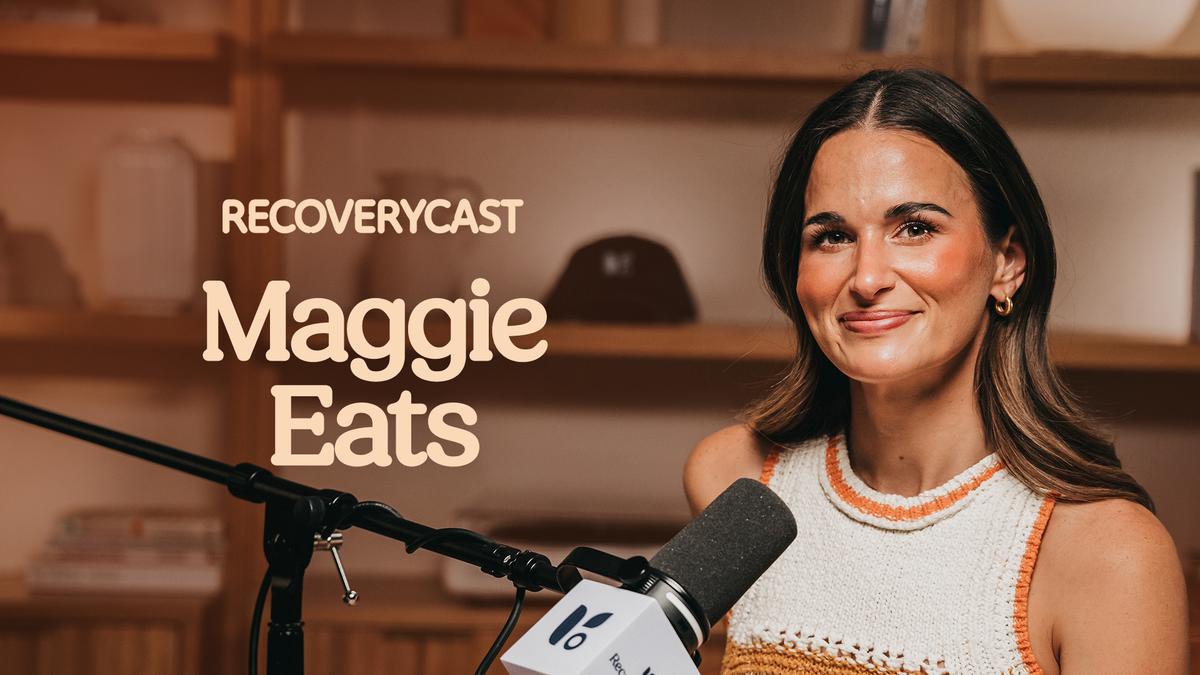
Addiction rarely looks the way people expect it to.
For Maggie Eats, it didn’t begin with arrests, chaos, or a rock-bottom moment. Instead, it started quietly, with pressure. A young mom trying to finish college. A woman trying to do everything perfectly. An ADHD prescription that slowly turned from helpful to destructive. Then, when access to Adderall disappeared, alcohol stepped in to fill the void.
On this episode of Recoverycast, Maggie shares the deeply personal story behind her addiction and recovery journey. From doctor shopping and hiding vodka in water bottles to finally admitting the truth to her husband, her story is heartbreaking, honest, and hopeful all at once.
Today, Maggie is nearly three and a half years sober, using social media to talk openly about recovery, motherhood, mental health, and rebuilding a life she once thought was impossible without alcohol.
These are the biggest lessons from her conversation.
1. Addiction Can Begin in Completely Ordinary Moments
Maggie’s addiction didn’t begin at a party or during a reckless phase of life. It started during motherhood and college.
At 20 years old, she was pregnant, newly married, finishing school, and overwhelmed by responsibilities piling on all at once. She had been prescribed ADHD medication for years and had taken it responsibly. But one stressful moment changed everything.
“I’ve got to finish a paper. I’ve also got to take care of a little baby. Let me just pop an extra Adderall.”
That extra pill flipped a switch.
Suddenly, she felt invincible. Productive. Energized. Like she could handle every responsibility perfectly. But the crash always followed. She would burn through prescriptions in days, then spend the rest of the month exhausted and desperate for more.
One of the most powerful parts of Maggie’s story is how relatable the beginning feels. She wasn’t trying to destroy her life. She was trying to keep up with it.
This is often how addiction starts, especially for women and parents. The desire to perform better, manage stress, or hold everything together can quietly spiral into dependency before someone fully realizes what is happening.
2. Addiction Thrives in Secrecy and Justification
For years, Maggie became skilled at hiding her addiction.
She doctor shopped for Adderall prescriptions. She manipulated refill systems. She used cash at pharmacies to avoid detection. Later, when alcohol became her primary coping mechanism, the secrecy intensified even more.
She hid vodka in water bottles because it was clear. She made elaborate excuses whenever her husband questioned anything suspicious.
A different doctor's name on a prescription? The doctor covering the office was “filling in.”
Multiple gift cards in her purse? They were supposedly for birthday parties.
A vodka-filled water bottle? Easier transport during a move.
Looking back, even Maggie laughs at some of the explanations because they made so little sense. But addiction convinces people that protecting the substance matters more than protecting honesty.
“I always had an excuse,” she admits.
Her story highlights an uncomfortable truth about addiction. Many people who are struggling don’t look unwell from the outside. They can appear functional, organized, successful, or even cheerful while privately fighting a battle no one sees.
The secrecy becomes exhausting, but addiction depends on keeping the truth hidden.
Explore Drug Addiction Treatment Centers
3. Rock Bottom Is Often Emotional, Not External
Maggie never got a DUI. She was never arrested. She didn’t lose her marriage or her children.
From the outside, someone could argue that things were still “manageable.”
But internally, she was falling apart.
By the end of her drinking, she was a morning drinker who couldn’t brush her teeth without alcohol. She shook when she hadn’t consumed vodka yet. She hid bottles throughout the house and structured her entire day around maintaining access to alcohol.
Still, what finally pushed her toward recovery wasn’t external consequences.
It was exhaustion.
“I was finally tired of me.”
That line captures something many people in recovery understand deeply. Sometimes, the real rock bottom is the unbearable weight of living inside your own mind. The lying. The hiding. The shame. The constant obsession.
Maggie explained that people outside recovery often ask, “What about your kids?” or “What about your husband?”
But addiction isn’t rational.
She loved her family deeply, yet addiction still controlled her behavior. That doesn’t make her a bad mother. It makes her someone struggling with a serious illness.
That distinction matters.
4. Radical Honesty Was the Beginning of Recovery
One of the most emotional moments in the episode came when Maggie finally confessed to her husband.
She sat crying at the edge of the bed and admitted the truth.
“I’m not sober.”
Then she did something even harder.
She revealed every hiding spot in the house.
For people unfamiliar with addiction, that detail may sound small. For someone in active addiction, it’s monumental. Those hiding places represent secrecy, security, and survival.
Giving them up meant surrender.
“If you’re an alcoholic or an addict and you’ve got a lot of hiding spots and you give up your hiding spots, that’s it. You’re done.”
That moment cracked open the door to real recovery.
Not performative recovery. Not pretending. Not attending meetings while secretly drinking. Real honesty.
Recovery often begins long before sobriety feels stable. It begins with truth.
For Maggie, that truth was terrifying. But it was also freeing.
5. Treatment Worked When She Finally Fully Surrendered
Initially, Maggie believed she could handle recovery with a quick seven-day detox.
Like many people entering treatment, she thought she was the exception.
“I’m only doing it for seven days.”
But shortly after leaving detox, she relapsed.
She intentionally chose a cooking recipe involving wine, not because she needed the recipe, but because she wanted an excuse to drink again. Instead of using the wine in the food, she drank it herself and blacked out.
Her husband eventually told her she needed to return and complete full treatment.
This time, something shifted.
Instead of fighting the process, Maggie committed fully. She completed 30 days of treatment, followed by intensive outpatient therapy, sponsorship, and recovery meetings.
“I knew I was ready at that point.”
That willingness changed everything.
Recovery is rarely successful when someone is half committed. Maggie’s story shows the power of finally surrendering the idea that you can outsmart addiction alone.
6. Sobriety Didn’t Make Life Smaller, It Made Life Bigger
Like many people entering recovery, Maggie feared sobriety would ruin her personality and make life boring.
“What do you mean I can’t drink?” she joked.
Instead, sobriety became her favorite chapter of life.
She talks openly about how much more present she feels now. She remembers experiences instead of blacking them out. She genuinely enjoys moments instead of numbing through them.
One especially meaningful story involved accidentally eating a vodka-infused dessert during her first year sober. Instead of spiraling, she spit it out, called her sponsor, and moved forward without relapsing.
That moment became proof of growth.
Today, Maggie has built routines that support her sobriety. Meetings. Exercise. Structure. Content creation. Community. She emphasizes that recovery isn’t about perfection; it’s about continuing to show up.
“Find something that makes you excited,” she said when talking about recovery meetings.
That mindset has helped transform recovery from punishment into purpose.
7. Sharing Her Story Became Part of Her Healing
Before getting sober, Maggie had already started building an audience online through food content and lifestyle videos.
Some of those old videos were filmed while she was drunk, even if viewers couldn’t tell at the time.
After entering recovery, she stepped away briefly before returning with complete honesty.
At 56 days sober, she introduced herself publicly as an alcoholic.
Instead of rejection, she found connection.
“It was so freeing,” she said.
Now, she uses her platform to normalize conversations about addiction recovery, sobriety, motherhood, and mental health. She speaks openly about the realities of addiction while also showing what healing can look like.
That vulnerability matters because so many people still suffer silently, convinced they’re alone.
Maggie’s story reminds listeners that recovery is possible, even after years of hiding, shame, and fear.
Maggie Eats’ recovery story isn’t just about addiction. It’s about honesty, identity, motherhood, healing, and learning how to live without hiding.
Her biggest lesson is surprisingly simple: “Just wait. You’re going to love this chapter.”
For anyone struggling with alcohol addiction, substance use, ADHD medication misuse, or the exhausting cycle of secrecy, her story offers something powerful: hope.
If this episode resonated with you, listen to the full conversation on Recoverycast, share it with someone who may need it, or take a moment to reflect on what honesty and healing could look like in your own life.














Our Promise
How Is Recovery.com Different?
We believe everyone deserves access to accurate, unbiased information about mental health and recovery. That's why we have a comprehensive set of treatment providers and don't charge for inclusion. Any center that meets our criteria can list for free. We do not and have never accepted fees for referring someone to a particular center. Providers who advertise with us must be verified by our Research Team and we clearly mark their status as advertisers.
Our goal is to help you choose the best path for your recovery. That begins with information you can trust.