Find Treatment By
Rehabs by Location


Learn
About Us
Recovery.com combines independent research with expert guidance on addiction and mental health treatment. Our mission is to help everyone find the best path to recovery through the most comprehensive, helpful network of treatment providers worldwide.
Advisory Council
Our advisory council brings together leaders in behavioral health, technology, and business. Their diverse expertise ensures our resources and product are innovative, evidence-based, and effective. They guide our mission as accomplished individuals dedicated to improving the landscape of addiction recovery and mental wellness.
Kitty Lever’s 7 Transformative Lessons on Sobriety, Party Culture, and Finding Herself Beyond the Nightlife


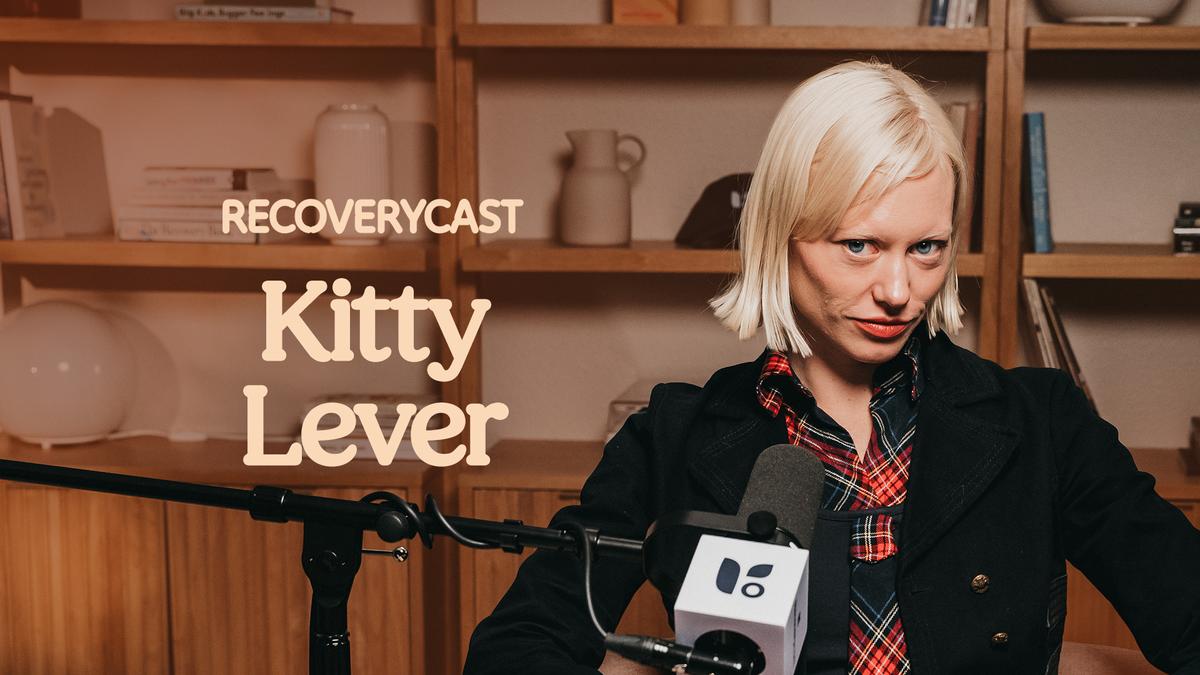
From exclusive penthouse parties to glamorous trips with wealthy strangers, Kitty Lever lived a life that many people only see on social media. But behind the carefully curated photos was a much darker reality, filled with dangerous situations, substance misuse, and an endless search for something more.
For years, the actress, model, and poet found herself drawn to the excitement of New York City's nightlife scene. What started as curiosity and a desire to belong eventually became a cycle of excessive drinking and drug use that threatened the things she cared about most.
Today, Kitty is more than a year sober and finding fulfillment in places she never expected. Her poetry, creative projects, and relationships have taken on new meaning, and she's learning to embrace a quieter, more authentic version of herself.
In this episode of Recoverycast, Kitty joins for a candid conversation about the hidden realities of party culture, the moment she decided to stop drinking, and how sobriety helped her reclaim her identity. Here are seven powerful lessons from her journey.
1. The Need to Belong Can Shape Who We Become
Long before Kitty entered the modeling industry or New York nightlife, she was a military kid who moved 15 times before she was even a teenager. Constantly being the new girl meant learning how to make friends quickly and adapt to unfamiliar environments.
Soccer became her anchor. It gave her a sense of community and confidence, especially when everything else around her kept changing. Being a talented athlete also taught her that achievement could earn her acceptance.
But looking back, Kitty recognizes that constantly adapting to fit in came at a cost.
“I was so used to being a chameleon and getting people to like me that I had no idea who I was.”
That desire for validation followed her into adulthood. Whether she was excelling on the soccer field or gaining access to exclusive social circles, Kitty often found herself chasing the feeling of being admired or important.
Sobriety has helped her begin separating her self-worth from other people's approval. She no longer feels obligated to connect with everyone or be the most entertaining person in the room. Instead, she's learning that being comfortable with herself is more meaningful than being liked by everyone else.
2. A Glamorous Lifestyle Can Hide the Dangers of Substance Misuse
When Kitty began modeling, she was introduced to a world of exclusive parties, luxury travel, and influential people. Through nightlife promoters, she gained access to penthouses, yachts, and parties with celebrities and wealthy strangers.
From the outside, it looked like an extraordinary life. But the reality was often far less glamorous. Kitty recalls attending extravagant events while having almost no money in her bank account. She was surrounded by wealth but didn't necessarily have the financial independence to leave an uncomfortable situation.
One particularly frightening experience occurred during a trip to Mexico. After arriving at a house party, Kitty encountered other models who were visibly distressed. She and a friend eventually moved to another house, where they faced additional frightening circumstances involving drugs and concerns about their safety.
With little money to leave, Kitty had to charge transportation expenses to a credit card to get herself and her friend out of the situation. She recalls remaining awake for nearly three days during the trip, partly because of substance use and partly because she was afraid.
Reflecting on those experiences, Kitty describes how luxury and social status can make dangerous behavior seem normal. Being surrounded by famous people or attending an exclusive event didn't make the risks any less real. In many ways, the glamorous environment made them harder to recognize.
3. Alcohol Can Make It Harder to Recognize Your Own Limits
Kitty's relationship with alcohol began long before she entered the nightlife scene. As a teenager, she remembers experimenting with drinking out of curiosity. Although she was a dedicated athlete with a Division I soccer scholarship, she also noticed that when she drank, she frequently went further than she intended.
Looking back, she remembers being the friend who became especially intoxicated and needed other people to look after her. At the time, she largely viewed these experiences as part of being young and going to parties.
As she got older, however, drinking increasingly became connected to other substance use. Kitty explains that when she was sober, she generally didn't crave drugs. But once she started drinking, her judgment and priorities changed dramatically.
One night, after drinking with friends, she took a substance she believed was one drug but later learned was ketamine. She became so impaired that she couldn't operate her phone or arrange transportation home. The experience left her frightened by how vulnerable she had become.
Kitty eventually recognized that drinking was the starting point for many of her most dangerous decisions.
"My alcoholism or addiction starts with that first sip."
For her, choosing not to drink became a way to protect herself from situations she could no longer reliably control.
4. Sometimes the Turning Point Is Realizing What You Could Lose
Kitty's decision to stop drinking came after a night that should have been a celebration. Her boyfriend, an artist, was hosting an event featuring his paintings of swans, which he connected to their relationship and the love they shared.
Instead of being fully present for his accomplishment, Kitty became heavily intoxicated. She began organizing another night out, inviting friends to a restaurant and looking for ways to keep the party going.
As the evening progressed, her boyfriend became frustrated and eventually left. Kitty continued partying, using drugs and staying out until the early morning. She remembers wanting to join yet another after-party before finally deciding to go home.
The next day, as she prepared to apologize, something became clear. She realized that alcohol had repeatedly pulled her away from the people and experiences she valued most. She began thinking about her future and whether she could trust the person she became when she drank.
That realization changed everything. Kitty wasn't simply worried about another embarrassing night or argument. She was afraid that continuing to drink could jeopardize the life she wanted to build. She decided to stop drinking, not because someone demanded it, but because she wanted to become someone she could trust.
Explore Drug Addiction Treatment Centers
5. Getting Sober Means Learning to Navigate Life Differently
After deciding to quit drinking, Kitty faced a new challenge: figuring out how to participate in a social world where alcohol had been such a central part of her identity.
She approached early sobriety one day at a time, leaning on supportive friends and her mother. She also read Allen Carr's Quit Drinking, which helped her reconsider her relationship with alcohol and reinforced her decision to stop.
One of her earliest strategies was surprisingly simple. While working on a commercial in Canada, she began telling people she didn't drink, even though she had only recently made that decision. Saying it aloud helped her become more comfortable identifying as someone who was sober.
Social situations were still challenging, particularly when she spent time with friends she had previously partied with. Some relationships gradually faded. Rather than viewing every lost connection as a personal rejection, Kitty began recognizing that certain friendships had revolved primarily around drinking.
She also discovered that experiences she once associated with alcohol could be enjoyable without it. Traveling sober was especially eye-opening. She had once struggled to imagine visiting Paris without drinking, but found that being fully present made the experience even more meaningful.
6. Sobriety Can Help You Rediscover Who You Really Are
For much of her life, Kitty associated confidence with being outgoing and socially desirable. Drinking seemed to amplify those qualities, making her feel like the most exciting person at a party.
Without alcohol, she began noticing a different side of herself. She was quieter in social situations and less interested in performing for other people's approval. At first, that change felt uncomfortable.
Kitty eventually began questioning whether her former party persona had been a reflection of genuine confidence or a response to an old need for acceptance. She came to believe that being the center of attention had sometimes been a way of seeking reassurance.
Now, she describes herself as more reserved and protective of her energy. She's learning to accept that she doesn't have to be bubbly or constantly available to others to be worthy of connection.
Her experience offers an important reminder that sobriety isn't always about becoming a completely different person. Sometimes it's about getting to know parts of yourself that were difficult to recognize when alcohol played such a large role in your life.
7. Recovery Can Create Space for Creativity and a More Meaningful Life
Long before she became sober, Kitty had a passion for storytelling. After her college soccer career ended, she began exploring fashion, modeling, photography, and eventually poetry. But her nightlife habits often competed with the time and attention those pursuits required.
Sobriety gave her the opportunity to focus more deeply on her creative work. She began dedicating more energy to writing and developing her poetry collection, Whiskers of a Kitten, which explores her experiences with love, identity, and the transition from girlhood to womanhood.
Kitty explains that the book's title took on a deeper meaning as she worked on it. Just as kittens use their whiskers to sense the world around them, she began viewing her poetry as a reflection of the wisdom gained through difficult experiences.
She also started developing a short film inspired by her time in the nightlife scene. Looking back at those years from a place of sobriety has allowed her to examine experiences she once accepted without questioning. Rather than continuing to participate in that world, she can now tell stories about it.
Perhaps most importantly, Kitty doesn't attribute her growing online following entirely to getting sober. Instead, she credits sobriety with giving her the focus and clarity to finish meaningful projects. Her experience suggests that recovery can create room for interests and ambitions that may have been pushed aside.
Finding Freedom Beyond the Party
Kitty’s story challenges the idea that an exciting life must revolve around drinking, nightlife, or other people's approval. For years, she chased extraordinary experiences, only to discover that some of the things she valued most were being overshadowed by alcohol and substance use.
Today, sobriety has helped her build a life centered on creativity, meaningful relationships, and a stronger sense of self. Her journey is still unfolding, but she's found that leaving one version of her life behind has made room for something more fulfilling.
Listen to Kitty's full conversation on Recoverycast to hear more about her experiences, the lessons she's learned, and how she's finding purpose in sobriety. If her story resonates with you, consider sharing the episode with someone who might benefit from hearing it.
If you're questioning your own relationship with alcohol or other substances, Recovery.com can help you explore addiction treatment options and find support that fits your needs
Our Promise
How Is Recovery.com Different?
We believe everyone deserves access to accurate, unbiased information about mental health and recovery. That's why we have a comprehensive set of treatment providers and don't charge for inclusion. Any center that meets our criteria can list for free. We do not and have never accepted fees for referring someone to a particular center. Providers who advertise with us must be verified by our Research Team and we clearly mark their status as advertisers.
Our goal is to help you choose the best path for your recovery. That begins with information you can trust.