Find Treatment By
Rehabs by Location


Learn
About Us
Recovery.com combines independent research with expert guidance on addiction and mental health treatment. Our mission is to help everyone find the best path to recovery through the most comprehensive, helpful network of treatment providers worldwide.
Advisory Council
Our advisory council brings together leaders in behavioral health, technology, and business. Their diverse expertise ensures our resources and product are innovative, evidence-based, and effective. They guide our mission as accomplished individuals dedicated to improving the landscape of addiction recovery and mental wellness.
Jess Gustin's 8 Vulnerable Lessons on Loving Someone Through Addiction, Postpartum Depression, and Marriage


When people think about addiction recovery, they often focus on the person getting sober. But recovery can impact the entire family. Partners, children, and loved ones experience their own challenges, healing, and growth along the way.
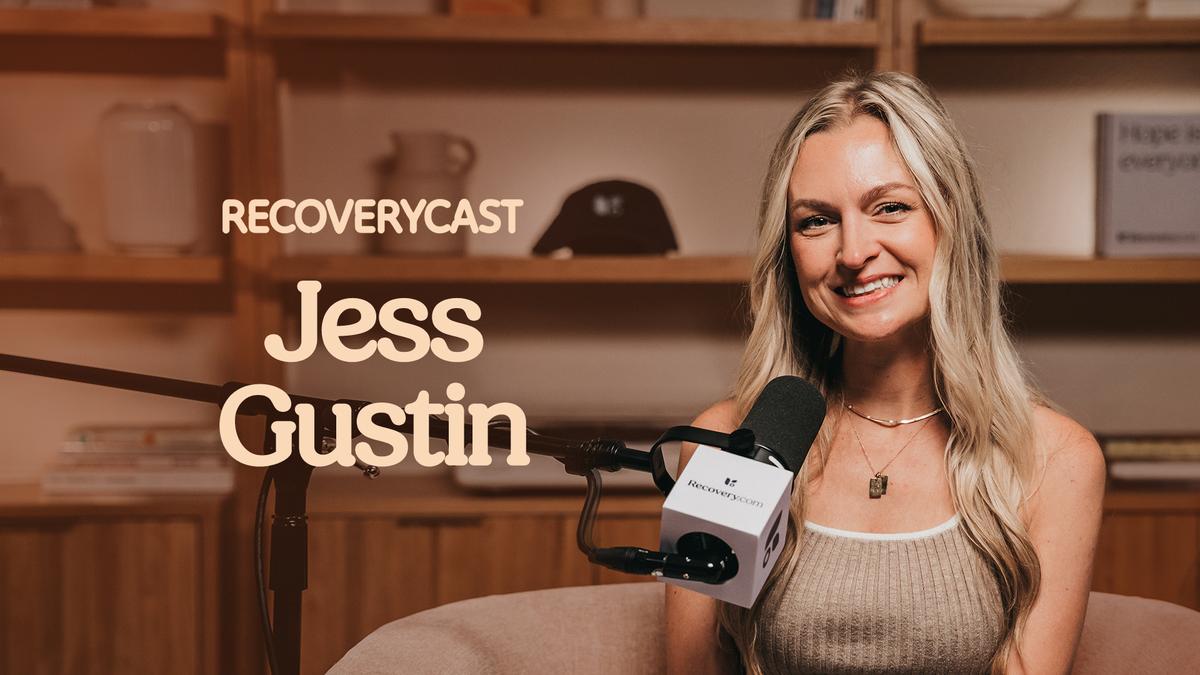
On this episode of Recoverycast, Jess Gustin, known online as The Tired Mom, shares what it was like to support her husband, Jon, through addiction while navigating postpartum depression, raising young children, and finding their way through some of life's hardest seasons.
Jess's story highlights what recovery can look like for an entire family. As Jon worked toward sobriety, they both learned how to rebuild trust, communicate more openly, and create the kind of home they wanted for their children.
Here are eight lessons from Jess's journey.
1. Addiction Doesn't Always Look the Way People Expect
Before meeting Jon, Jess thought she understood addiction.
Growing up, she witnessed addiction that came with obvious consequences. Jon didn't fit that image at all.
When they met, he was disciplined, successful, and committed to building a future together. He openly shared parts of his past, explaining that he'd struggled with drugs years earlier but believed he'd moved beyond that chapter. Jess trusted him, and from her perspective, there was little reason not to.
Only years later did she realize how much of his struggle had remained hidden. Jon was quietly drinking more than she realized, often disguising the extent of his alcohol use by drinking before bringing her one or making it seem as though they were consuming the same amount.
Looking back, Jess understands that addiction rarely follows the stereotypes many people imagine. Someone can be a loving parent, a supportive spouse, successful at work, and still be fighting an invisible battle. That realization gave her a much deeper compassion for people whose struggles aren't immediately obvious.
2. Postpartum Depression Can Feel Incredibly Isolating
Jess describes postpartum depression as feeling like she'd suddenly become someone she didn't recognize.
Just days after giving birth to her daughter, she found herself crying constantly. As evening approached each day, her anxiety intensified. She became overwhelmed by intrusive fears that something terrible would happen to her baby.
The hardest part wasn't just the symptoms, but believing she was completely alone.
She remembers feeling like everyone else was happily enjoying life while she struggled to make it through each day. Even as her husband danced with their newborn to Christmas music, she couldn't understand why she wasn't feeling the joy she expected motherhood to bring.
Everything changed during a routine pediatric appointment.
The doctor looked at Jess and simply asked, "How are you?" The question opened the floodgates. Jess broke down crying, and for the first time, someone explained that what she was experiencing had a name, and more importantly, that help existed.
While that conversation didn't instantly solve everything, it replaced shame with understanding. Instead of believing she was broken, she began to realize she was experiencing a common mental health condition that many new mothers face.
Explore Depression Treatment Centers
3. Parenting Works Better When You're Teammates, Not Opponents
Like many new parents, Jess and Jon slowly fell into the trap of keeping score.
Who woke up more during the night? Who changed more diapers? Who worked harder? Who deserved a break?
With no nearby family to help and two young children to care for, they constantly handed parenting responsibilities back and forth while juggling work, finances, and exhaustion. Their conversations often turned into quiet competitions over who was carrying the heavier load.
Looking back, Jess realizes neither of them actually wanted to "win." They both wanted to feel seen.
One of the biggest turning points in their marriage came when they stopped viewing each other as the problem. Instead, they started reminding themselves that they were on the same team.
Today, when conflict arises, they try to look beneath the frustration. Instead of assuming the other person doesn't care, they ask what's really going on. Often, the answer isn't resentment at all. It's exhaustion, stress, or simply needing someone to acknowledge that things are hard.
That simple mindset shift changed not only how they parent but how they communicate through every challenge that followed.
4. Asking for Help Is a Sign of Strength
Jess's story also reminds listeners that recovery isn't only about addiction. Mental health deserves the same honesty and support.
She first experienced depression after her mother's breast cancer diagnosis while she was in her early twenties. During that difficult season, she coped by numbing the pain with drinking and partying. Eventually, she realized it wasn't helping and decided to seek treatment instead.
Years later, postpartum depression brought another wave of mental health struggles. Eventually, Jess accepted that medication was one of the tools that helped her feel like herself again.
Today, she talks openly about taking Lexapro, even joking about owning a sweatshirt that says, "Hot girls take Lexapro." Her willingness to discuss medication without embarrassment helps normalize something many people quietly struggle with.
Just as importantly, she emphasizes that healing wasn't only about medication. It also meant having honest conversations, learning more about depression, and allowing people around her to support her instead of pretending everything was okay.
For Jess, asking for help wasn't giving up, but the moment she finally started healing.
5. Sobriety Gave Their Family More Than It Took Away
When Jon first talked about quitting drinking, Jess admits she was nervous.
At the time, alcohol felt woven into their social life. Like many people, she wondered whether life would still feel fun if alcohol wasn't part of it.
That fear didn't last long.
As Jon moved through recovery, they began crossing milestones together. They attended events without alcohol at the center of the experience. Each time it proved they weren't losing anything meaningful. In fact, they were gaining something better.
Jess also realized just how much alcohol had become a habit rather than a conscious choice. She remembers joking about "mom wine culture" and creating social media content centered around drinking. It wasn't until Jon stopped drinking that she recognized how automatic those routines had become.
Today, she rarely drinks herself, not because anyone told her she couldn't, but because she simply doesn't miss it. She’s discovered that the conversations, laughter, and time spent together were always the point. Alcohol had never been what made those moments special.
6. Recovery Created a More Honest Marriage
One of the biggest surprises for Jess was that recovery didn't just change Jon’s relationship with alcohol but also the way they communicated with each other.
Before sobriety, Jon often internalized his struggles. Even when he was hurting, he tried to manage everything himself. After getting sober, something shifted.
Jess describes her husband as becoming more emotionally open than ever before. He became willing to cry and talk through difficult emotions instead of carrying them alone. Rather than shutting down, he invited Jess into the conversation.
That openness changed the way they handled conflict.
Instead of arguing over surface-level frustrations, they started asking deeper questions. When one of them became upset, the conversation wasn't "Who's right?" It became, "Where is this coming from?" Often, the answer had very little to do with the disagreement itself.
Today, Jess says they resolve disagreements much more quickly because they both understand that the goal isn't winning an argument. It's understanding each other.
7. Breaking Generational Cycles Happens One Conversation at a Time
Jess grew up surrounded by divorce. Multiple generations of her family experienced broken relationships, and for a long time, that simply felt normal. Now, she's determined to create something different for her own children.
Jess compares parenting to making deposits into a bank account. Every apology, conversation, lesson, and moment of patience becomes another investment in her children's emotional foundation.
When parenting her daughter, Jess often asks herself a simple question: What did I need to hear when I was her age?
That perspective shapes how she responds during difficult moments. Rather than parenting from frustration alone, she tries to meet her daughter where she is emotionally while still providing guidance and accountability.
Jess strives to raise children who know they're loved and feel safe bringing their struggles home. For Jess, that's how generational cycles begin to change, not through one grand gesture, but through thousands of intentional conversations over time.
8. Healing Is Something You Keep Choosing
Jess never presents recovery as a destination. Even today, Jon continues working through anxiety. Jess continues managing her mental health. Parenting still stretches them. Marriage still requires effort.
But now they face those challenges differently.
Instead of hiding struggles or pretending everything is fine, they choose honesty. They ask for help when they need it. They communicate openly. They continue learning about themselves and each other.
Jess says she's incredibly proud of the family they've built, not because it's perfect, but because they've chosen to keep growing together through every difficult season.
Healing isn't about reaching a point where life becomes easy. It's about building relationships strong enough to weather whatever comes next.
Jess’s story is a reminder that recovery extends beyond sobriety. It's about rebuilding trust, learning healthier ways to communicate, caring for mental health, and creating a home where honesty feels safe.
Her journey also highlights something many families experience but rarely discuss openly: supporting someone else's recovery doesn't mean putting your own healing on hold. Both partners deserve compassion, support, and the space to grow.
To hear Jess's full story, along with her candid reflections on marriage, motherhood, and recovery, listen to the full episode of Recoverycast. If this conversation resonated with you, consider sharing it with someone who may need the reminder that healing is possible and no one has to walk through it alone.
Our Promise
How Is Recovery.com Different?
We believe everyone deserves access to accurate, unbiased information about mental health and recovery. That's why we have a comprehensive set of treatment providers and don't charge for inclusion. Any center that meets our criteria can list for free. We do not and have never accepted fees for referring someone to a particular center. Providers who advertise with us must be verified by our Research Team and we clearly mark their status as advertisers.
Our goal is to help you choose the best path for your recovery. That begins with information you can trust.