Find Treatment By
Rehabs by Location


Learn
About Us
Recovery.com combines independent research with expert guidance on addiction and mental health treatment. Our mission is to help everyone find the best path to recovery through the most comprehensive, helpful network of treatment providers worldwide.
Advisory Council
Our advisory council brings together leaders in behavioral health, technology, and business. Their diverse expertise ensures our resources and product are innovative, evidence-based, and effective. They guide our mission as accomplished individuals dedicated to improving the landscape of addiction recovery and mental wellness.
Jenna Foster's 8 Real-Life Lessons on Childhood Trauma, Addiction, and Breaking Generational Cycles


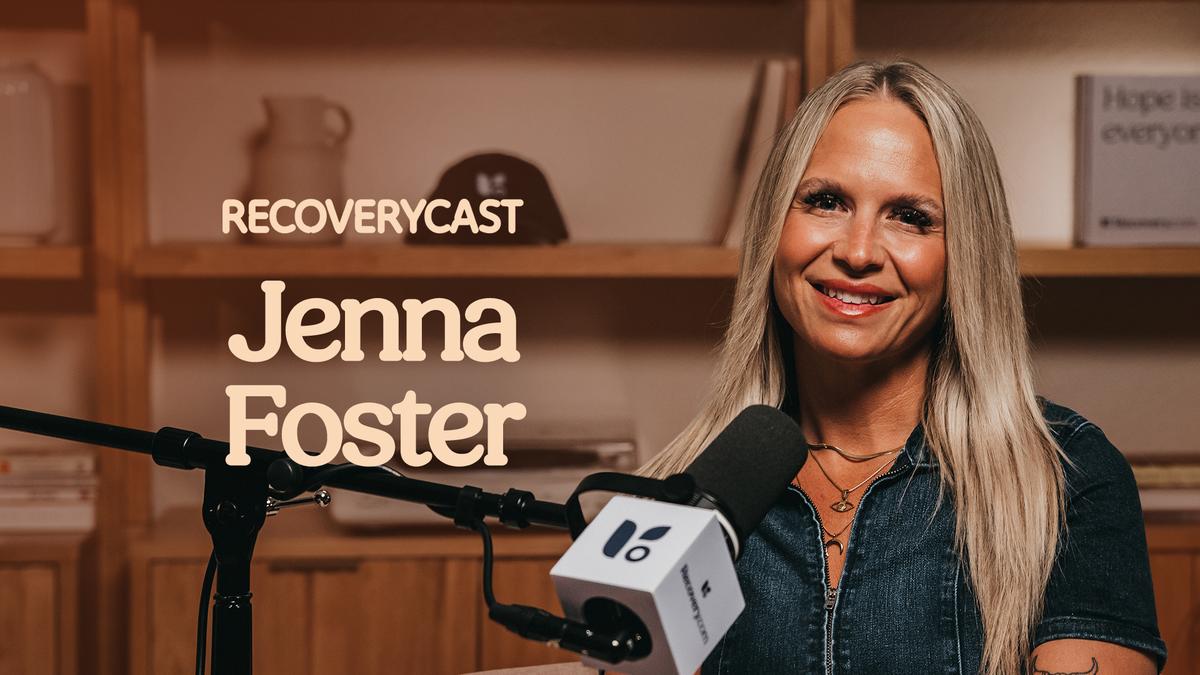
Growing up in a home affected by addiction can change the way a child sees the world. It can teach them to become the caretaker or believe they have to solve problems on their own. Those survival skills may help in childhood, but they can become a heavy burden later in life.
On this episode of Recoverycast, Jenna Foster shares what it was like growing up with a mother who struggled with alcohol use disorder (AUD), how those early experiences shaped her own relationship with substances, and what finally helped her begin healing.
Her story is honest yet hopeful, and deeply relatable for anyone living with addiction or supporting someone they love.
Today, Jenna is in long-term recovery, works in the addiction treatment field, and helps families navigate some of the hardest moments of their lives. Looking back, she sees that recovery is about learning to ask for help and creating a different future for her own children.
Here are eight of the biggest lessons from her story.
1. Children Often Become Caretakers Before They Become Adults
When Jenna talks about her childhood, she doesn't describe it as simply "good" or "bad," but that both things were true at the same time. She loved growing up around music while her father toured as a musician, but behind closed doors, her mother's alcohol use created an unpredictable environment.
By the time she was nine years old, Jenna understood that something was wrong. Holiday dinners ended with her mother passing out at the table. Ambulances arrived after Jenna found her unconscious. Her father was trying to hold the family together while balancing parenting, work, and supporting his wife.
Without realizing it, Jenna slipped into the role many children in alcoholic homes know well. She became the peacekeeper.
Instead of expressing fear or sadness, she learned to keep everyone else calm, take care of her younger brother, and make herself as easy as possible. Looking back, she recognizes those behaviors weren't personality traits, but survival skills.
“That caretaker became my superpower, but it started as a survival skill.”
As an adult, Jenna says that caretaker instinct eventually became one of her strengths. But healing required recognizing why it existed in the first place. Recovery meant learning that she didn't have to earn love by fixing everyone else's problems.
2. Unprocessed Trauma Doesn't Simply Disappear
At 13, Jenna experienced another devastating trauma when she was sexually assaulted while her mother was unconscious in the room.
She didn't tell anyone.
Instead, she carried that experience alone for more than a decade.
During the conversation, Jenna reflects on how confusing that silence became. She questioned whether she had somehow caused what happened or whether she simply wasn't worth protecting. Those thoughts slowly shaped her self-esteem and reinforced the belief that she had to rely only on herself.
Years later, therapy helped her understand that none of it was her fault.
Her story is a reminder that trauma doesn't disappear simply because someone refuses to talk about it. It can resurface in anxiety, fear, perfectionism, unhealthy relationships, or substance use. Healing began only after Jenna found safe people who allowed her to tell the truth without judgment.
3. Alcohol Didn't Create the Pain, It Temporarily Silenced It
Because of what she'd witnessed growing up, Jenna avoided alcohol throughout high school. She was the designated driver while her friends drank, convinced she would never follow the same path. But that changed after graduation.
She remembers taking her first drink and feeling something she'd never experienced before.
"It felt like a warm blanket."
For the first time in years, the constant anxiety, fear, insecurity, and racing thoughts seemed to disappear. Alcohol felt like relief, rather than a danger.
That experience became the foundation for years of escalating substance use.
Drinking eventually wasn't enough. Prescription Xanax offered even greater relief. Combining substances seemed to erase emotional pain, at least for a while. Every new substance promised the same thing: a little more peace than the last.
Jenna explains that she wasn't chasing a high as much as she was trying to escape feelings she'd carried since childhood. Looking back, she realizes she was searching for healing in places that could only offer temporary numbness.
Explore Alcohol Treatment Centers
4. Functioning Addiction Can Hide in Plain Sight
One of the most powerful moments in the conversation comes when Jenna explains why she never believed she had a substance use problem.
She had a job and paid her bills. She wasn't living the same life she'd watched her mother live.
Those comparisons made it easy to convince herself everything was under control. Privately, though, her reality looked very different.
She was drinking alone before social events, misusing prescription medications, isolating herself from friends, and carefully hiding the extent of her substance use. The more her addiction progressed, the more she withdrew from the people who knew her best.
Jenna describes herself as the "queen of the silent struggle," someone who became incredibly skilled at wearing a mask. That ability wasn't new. She had learned as a child to pretend everything was fine.
Her story highlights how addiction doesn't always look the way people expect. Someone can appear successful on the outside while carrying pain behind closed doors.
5. Recovery Sometimes Begins With One Honest Conversation
Jenna didn't enter recovery because she suddenly decided she wanted to stop using substances. Like many people, she reached a point where the consequences had become impossible to ignore.
Legal problems, deteriorating relationships, and increasing methamphetamine use had pushed her into survival mode. She was exhausted, but she still wasn't sure how to ask for help.
Then the people who loved her stepped in.
Rather than abandoning her, close friends confronted her with honesty and compassion. They told her they were worried, that they could see she was struggling, and that she didn't have to keep living this way. Looking back, Jenna describes that conversation as one of the greatest gifts anyone has ever given her.
She often reminds families that while you can't force someone into recovery, you can let them know they're loved and that help is available. Sometimes hearing the truth from someone who genuinely cares can become the first step toward change.
For Jenna, that conversation opened a door she never imagined walking through. On May 26, 2014, she began her recovery journey, a date that would forever change the direction of her life.
6. Recovery Isn't About Becoming Someone New, It's About Discovering Who You Were Meant To Be
Early recovery wasn't easy.
Without alcohol or drugs, Jenna had to face years of grief, fear, shame, and trauma that substances had temporarily numbed. She had to learn how to cope with uncomfortable emotions without reaching for something to make them disappear.
Instead of trying to fix everything overnight, she focused on showing up one day at a time. She leaned into treatment, built relationships with people who understood recovery, and slowly began trusting herself again.
Over time, she realized recovery wasn't taking something away from her, but giving her something back.
"It's not the easy road, but it's the good road."
She rediscovered her compassion, sense of humor, and the confidence that addiction had buried. The qualities that once made her feel responsible for everyone else became strengths she could use in healthier ways, especially as she began helping others navigate their own recovery journeys.
Jenna says that sobriety allowed her to build a life she no longer wanted to escape.
7. Healing Yourself Can Change Future Generations
Becoming a mother gave Jenna an entirely new perspective on healing.
Growing up, she often wondered whether the cycle of addiction and trauma would continue into the next generation. Recovery gave her the chance to make different choices.
That doesn't mean parenting is perfect.
Instead, Jenna talks about showing up with honesty and a willingness to repair when mistakes happen. Rather than pretending to have all the answers, she wants her children to know that emotions can be talked about openly and that asking for help is a sign of strength.
“The ripple effects my children experience today are drastically different from what I experienced, and that's all that matters to me.”
She also recognizes something many parents in recovery experience. Healing herself has changed the environment her children are growing up in. The stability, consistency, and emotional safety they experience today are possible because she chose recovery years earlier.
Her story shows that breaking generational cycles isn't about becoming a perfect parent. It's about making different choices, one day at a time.
8. Your Past Doesn't Have To Define Your Future
Today, Jenna works in the addiction treatment field, supporting individuals and families who are facing many of the same challenges she once experienced herself.
Her lived experience allows her to connect with people in a unique way. When someone feels hopeless or believes recovery isn't possible, she can offer proof that change can happen.
Throughout the episode, Jenna returns to a simple message of hope. No matter how long someone has struggled, how many mistakes they've made, or how impossible things may seem, recovery remains possible.
She knows that because she's lived it.
The little girl who once believed she had to carry everyone else's burdens grew into a woman who healed and created a different future for her family.
Recovery didn't erase Jenna's past, but it changed what her future could become.
Finding Hope After Trauma and Addiction
Jenna Foster's story is a reminder that recovery is rarely about one defining moment. More often than not, it's a series of small decisions to keep moving forward, even when the path feels uncertain.
Her journey highlights how closely childhood experiences, trauma, and addiction can be connected. Healing often means addressing all of those pieces, not just stopping substance use. With the right support, people can process painful experiences, rebuild relationships, and create healthier patterns for themselves and their families.
To hear more of Jenna's story and explore additional conversations about addiction, mental health, and recovery, visit the Resource Hub or browse the latest episodes of Recoverycast. If you or someone you love is looking for professional support, you can also find a treatment center on Recovery.com to explore evidence-based care and recovery options.
Our Promise
How Is Recovery.com Different?
We believe everyone deserves access to accurate, unbiased information about mental health and recovery. That's why we have a comprehensive set of treatment providers and don't charge for inclusion. Any center that meets our criteria can list for free. We do not and have never accepted fees for referring someone to a particular center. Providers who advertise with us must be verified by our Research Team and we clearly mark their status as advertisers.
Our goal is to help you choose the best path for your recovery. That begins with information you can trust.