Find Treatment By
Rehabs by Location


Find Treatment By
Learn
About Us
Recovery.com combines independent research with expert guidance on addiction and mental health treatment. Our mission is to help everyone find the best path to recovery through the most comprehensive, helpful network of treatment providers worldwide.
Advisory Council
Our advisory council brings together leaders in behavioral health, technology, and business. Their diverse expertise ensures our resources and product are innovative, evidence-based, and effective. They guide our mission as accomplished individuals dedicated to improving the landscape of addiction recovery and mental wellness.
Is It Hormones or Depression? 10 Expert Answers On The Internet’s Most Searched Pregnancy Depression Questions


Michelle Rosenker is a Senior Web Editor at Recovery.com. She has an extensive background in content production and editing and serves as a subject matter expert in the field of addiction and recovery.
Michelle Rosenker is a Senior Web Editor at Recovery.com. She has an extensive background in content production and editing and serves as a subject matter expert in the field of addiction and recovery.
“If you want to know what I’m worried about, ask me what I’m Googling.”
That single line captures the hidden reality of pregnancy in 2026. Behind the glowing announcements and curated social media posts, many expectant parents are quietly searching questions like “Why am I crying all the time?” or “Is my anxiety hurting my baby?”
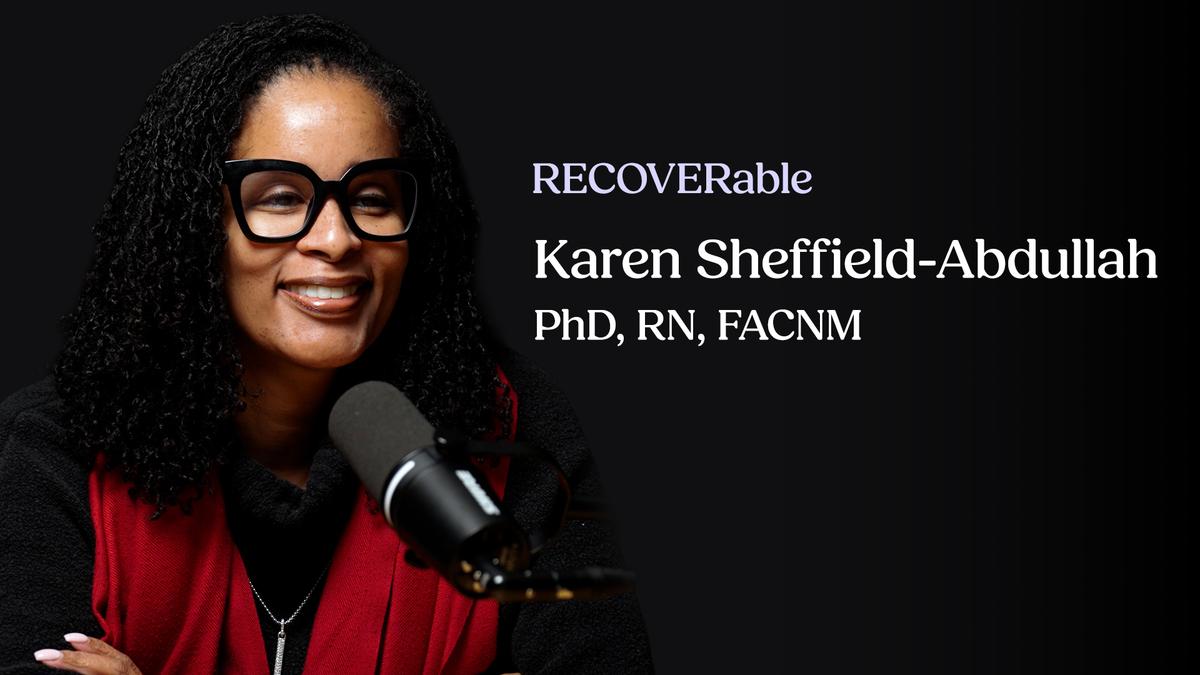
In this episode of Recoverable, maternal mental health expert and midwife Dr. Karen Sheffield-Abdullah breaks down what’s actually normal, what’s not, and why so many people suffer in silence.
Here’s the truth, about 1 in 5 people experience depression or anxiety during pregnancy. Yet many never talk about it, often because they think they’re “supposed” to feel happy.
This guide unpacks the most searched questions about depression during pregnancy, with clear, compassionate answers that help you understand what’s happening and what to do next.
1. Is Crying During Pregnancy Harmful to Your Baby?
Crying itself is not the problem.
Babies are resilient. Occasional tears, even frequent ones, don’t directly harm your baby’s development. But Dr. Karen emphasizes that the reason behind the crying matters far more than the crying itself.
If the tears are tied to deeper feelings like hopelessness, overwhelm, or chronic stress, that’s when it’s worth paying attention. Persistent emotional distress can increase stress hormones like cortisol, which may contribute to complications such as preterm birth or low birth weight.
The key question isn’t “Am I crying too much?” It’s “Why am I crying?”
That shift opens the door to real support instead of silent worry.
2. How Do You Know If It’s Depression or Just Hormones?
It’s more than mood swings.
Pregnancy is full of emotional ups and downs. Hormonal shifts alone can make you feel weepy, irritable, or exhausted, especially in the first and third trimesters.
But depression goes deeper.
Dr. Karen points to a few key signs that suggest it’s more than hormones:
- Persistent sadness or numbness
- Loss of interest in things you usually enjoy
- Sleeping far more than expected, or not at all
- Feelings of worthlessness or hopelessness
These symptoms don’t just come and go, they linger.
Watch for functional changes.
Another important clue is how your daily life is affected.
Are you unable to get out of bed for long stretches? Struggling to take care of yourself? Feeling mentally stuck in the past or constantly worrying about the future?
As Dr. Karen puts it, “Many times we’re not in the moment.” That disconnect can signal anxiety or depression rather than typical pregnancy emotions.
When in doubt, trust the pattern, not just the feeling.
3. Does Anxiety During Pregnancy Affect Your Baby?
Stress can have physical effects.
Anxiety is incredibly common during pregnancy, and for good reason. Your entire life is about to change.
But chronic, unmanaged anxiety can have physical impacts. Research shows it may increase the risk of:
- Preterm birth
- Low birth weight
This doesn’t mean occasional worry is dangerous. It means prolonged, intense stress deserves attention and care.
Your search history tells a story.
One of the most memorable insights from the episode is this:
“If you want to know what I’m worried about, ask me what I’m Googling.”
Constantly searching worst-case scenarios can fuel anxiety loops. It also reveals what you might not be saying out loud.
Instead of ignoring those fears, use them as a starting point. Talk to a provider, a therapist, or even a trusted friend. Naming the anxiety often reduces its power.
4. Is It Safe to Take Antidepressants During Pregnancy?
Treatment is often safer than doing nothing.
This is one of the most misunderstood topics.
Many people are told to stop taking antidepressants during pregnancy. According to Dr. Karen, that advice can be harmful.
Stopping medication can lead to relapse in up to 50 percent of cases. And untreated depression carries real risks for both parent and baby.
Certain antidepressants, like SSRIs, have been widely studied and are considered safe for many pregnant patients when prescribed appropriately.
You have options.
Medication is just one tool. Effective treatment often includes:
- Talk therapy
- Mindfulness practices like meditation or yoga
- Social support systems
Interestingly, combining therapy and medication tends to work better than either alone.
The goal isn’t perfection. It’s stability.
As Dr. Karen emphasizes, focus on feeling better now, not worrying about how long you’ll need support.
5. Why Don’t More People Talk About Depression During Pregnancy?
The pressure to feel happy is real.
There’s a powerful cultural expectation that pregnancy should be joyful.
So, when someone feels anxious, ambivalent, or even unhappy, shame can creep in. That shame often leads to silence.
But the reality is much more complex. People may worry about finances, relationships, health complications, or simply the enormity of becoming a parent.
All of those feelings are valid.
Many don’t feel safe speaking up.
Dr. Karen’s research found that many patients aren’t having honest conversations with their healthcare providers about mental health.
Some fear being dismissed. Others worry about access to care, long wait times, or even being judged.
There are also deeper cultural factors. For example, the “Superwoman Schema” describes how some individuals, especially Black women, may feel pressure to stay strong, suppress emotions, and avoid vulnerability, even at the cost of their own health.
What actually helps?
Normalizing the conversation is key.
Sometimes the best way to start isn’t direct. It can be as simple as referencing a public figure who has spoken openly about mental health and asking, “What do you think about that?”
From there, the conversation can grow naturally.
Check back next Thursday, April 9th, for Part Two of our conversation with Dr. Karen!
Our Promise
How Is Recovery.com Different?
We believe everyone deserves access to accurate, unbiased information about mental health and recovery. That's why we have a comprehensive set of treatment providers and don't charge for inclusion. Any center that meets our criteria can list for free. We do not and have never accepted fees for referring someone to a particular center. Providers who advertise with us must be verified by our Research Team and we clearly mark their status as advertisers.
Our goal is to help you choose the best path for your recovery. That begins with information you can trust.