Find Treatment By
Rehabs by Location


Learn
About Us
Recovery.com combines independent research with expert guidance on addiction and mental health treatment. Our mission is to help everyone find the best path to recovery through the most comprehensive, helpful network of treatment providers worldwide.
Advisory Council
Our advisory council brings together leaders in behavioral health, technology, and business. Their diverse expertise ensures our resources and product are innovative, evidence-based, and effective. They guide our mission as accomplished individuals dedicated to improving the landscape of addiction recovery and mental wellness.
India Gants’ 8 Vulnerable Lessons on Alcohol, Rock Bottom, and Creating a Life You Don’t Want to Escape


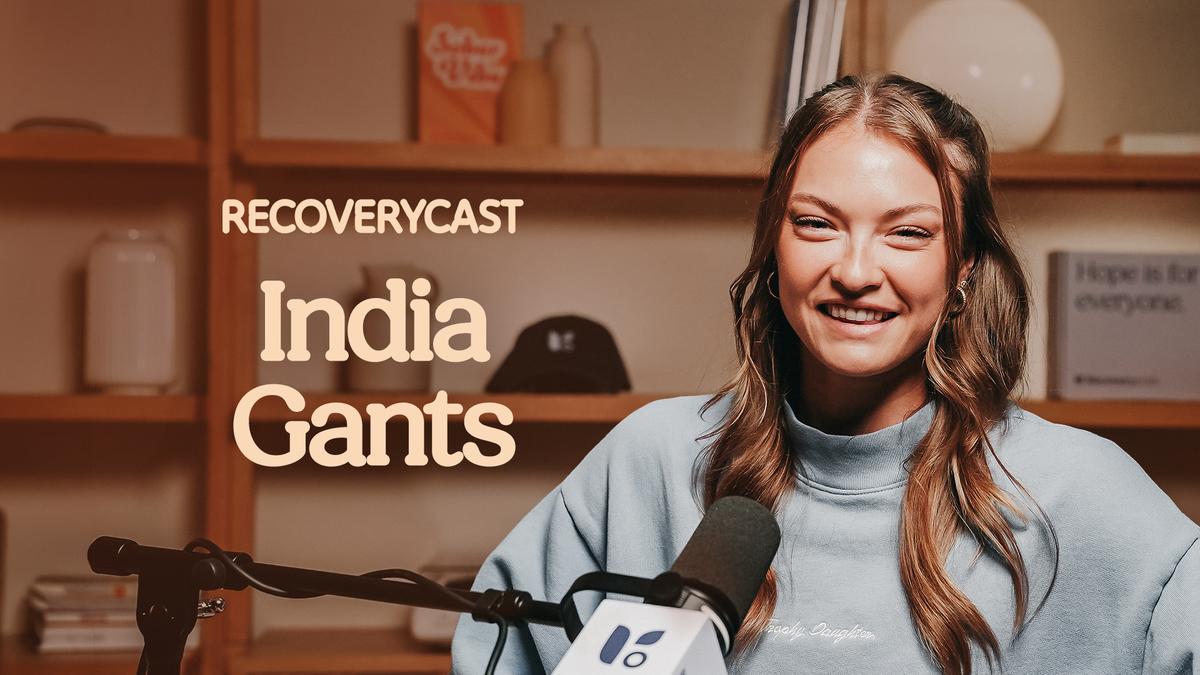
From the outside, India Gants had built the kind of life many people dream about. She traveled the world as a model, won cycle 23 of America’s Next Top Model, and built a successful career in an industry where image is everything. But behind the accomplishments, her relationship with alcohol was slowly changing.
What began as social drinking while modeling abroad eventually became something she relied on to get through the day. During the COVID-19 pandemic, an unhealthy relationship, isolation, an injury, and mounting emotional stress accelerated her drinking. Eventually, she was hiding drink and using alcohol simply to feel normal.
On this episode of Recoverycast, India shares how she recognized that alcohol was taking her somewhere she didn’t want to go, and how sobriety helped her reconnect with her health, relationships, identity, and future. Today, she also shares her recovery journey through The Sober Scoop podcast and its online community.
Her story reminds us that you don’t have to lose everything before deciding alcohol is costing you too much.
Here are eight lessons from India’s journey.
1. A Drinking Problem Doesn’t Always Look Like a Drinking Problem
India didn’t grow up believing alcohol would become a major part of her life. In high school, she describes herself as a “goody two shoes” and an athlete whose first experience getting drunk was almost ceremonial.
Then came modeling. Instead of going to college, she moved from Seattle to Greece, Italy, Singapore, and New York. There were dinners, clubs, promoters, bottle service, and plenty of alcohol. Drinking felt like part of the environment, not evidence that something was wrong.
India’s alcohol use didn’t immediately fit the stereotypical picture of addiction she had seen elsewhere. Even later, she described herself as someone who maintained a steady buzz throughout the day rather than someone whose story revolved around dramatic blackouts or visible consequences.
For a long time, that made it easier to question whether her drinking was “bad enough” to justify sobriety.
Her experience challenges that comparison. Alcohol doesn;t need to destroy every part of someone’s life before they are allowed to question its role in it. As India puts it, “You’re never too young. You’re never “not bad enough.””
2. Coping Can Quietly Turn Into Dependence
During COVID-19, India’s drinking changed.
She had entered a relationship shortly before the world shut down. She noticed red flags early, but lockdown created a warpedl reality. There was nowhere to go and work had disappeared. Drinking together initially felt like something to do.
Then her boyfriend introduced her to morning drinking.
One morning while they were hungover, he suggested ordering food and drinking cider to feel better. Soon, India says she was drinking most mornings because she was hungover most mornings. Eventually, alcohol no longer felt recreational. “I need to have three beers before breakfast just to feel normal,” she recalls.
As the relationship became increasingly unhealthy, alcohol became a way to cope with conflict and isolation. After the breakup, she describes experiencing harassment that escalated to stalking. Alcohol became what she reached for to quiet the noise.
Explore Alcohol Treatment Centers
3. Secrecy Can Be a Warning Sign
One of the most revealing parts of India’s story is how invisible her drinking remained to the people around her.
When she eventually told friends and family she was getting sober, some were confused. Why would she need to stop drinking?
They hadn’t seen what was happening in private.
India describes hiding beers in her purse, drinking before going to the grocery store, and bringing alcohol into medical appointments so she could drink in the bathroom. After tearing her ACL, her drinking escalated. She wouldn’t let her boyfriend take out the trash because she didn’t want him to hear all the bottles and cans. She cleaned frantically before he came over and hid cans under her car seat.
She was also constantly managing her buzz. Before an evening out, she might drink before meeting her boyfriend, drink again with him, then secretly drink more while they were out.
Her boyfriend noticed more than she realized. After she got sober, he admitted there had been mornings when she arrived at his house at 11 a.m. smelling like beer.
For India, hearing that was painful, but it revealed something important: A person can appear functional while putting enormous energy into hiding how much alcohol has taken over their life.
4. You Don’t Have to Wait for Rock Bottom
India’s turning point came when she felt a pain in her abdomen.
As her ACL healed, she noticed something unsettling. The circumstances she had used to explain her drinking were disappearing, but the drinking wasn’t. She was no longer trapped in the unhealthy relationship. She was no longer completely immobilized by her injury. Still, alcohol remained.
Then she developed pain in her upper right abdomen. Concern about what her body might be telling her forced her to confront where her drinking could lead.
She began thinking about the future she wanted. She wanted to find a partner, become a parent, and the chance to meet her grandchildren.
“Drinking myself to death in my mid-30s or 40s isn’t my destiny. This isn’t what I’m here for.”
That realization became her version of rock bottom.
India now emphasizes that people don’t need to wait for catastrophe before changing their relationship with alcohol. “If you feel it in your soul that it’s time to get sober, it’s time to get sober.”
5. Sometimes, “Someday” Has to Become Today
Before quitting alcohol, India tried moderation.
She tried drinking only on weekends. She tried waiting until after 5 p.m. She even tried restricting herself to types of alcohol she didn’t enjoy as much.
Nothing gave her the freedom she was looking for.
“I actually think moderating is way harder than quitting,” she says. For her, trying to maintain a controlled relationship with alcohol meant continuing to think about it constantly.
Then, on an otherwise ordinary Thursday, June 20, she woke up with a different feeling.
“Some day has to be one day. And why not make that day today?”
That became the beginning of her sobriety. India stopped drinking, although she is careful to stress in the episode that abruptly stopping alcohol can be dangerous for people who are physically dependent. She says she wouldn’t recommend her own approach to others and encourages people to seek appropriate support.
If you’re struggling with alcohol, medical detox offers a safer, supported way to stop drinking, with healthcare professionals monitoring withdrawal symptoms and providing medications when needed. This can be especially important for people who are physically dependent on alcohol, since severe alcohol withdrawal can lead to seizures, delirium, and other potentially life-threatening complications.
Her larger lesson isn’t about following the exact method she used, but recognizing the moment when postponing change becomes its own decision.
Explore Detox Treatment Centers
6. Early Sobriety Doesn’t Have to Fix Everything at Once
Once India stopped drinking, she didn’t immediately attempt to reinvent every part of her life.
For roughly four months, she gave herself one rule: Don’t drink alcohol.
She wasnt’t simultaneously trying to achieve the perfect diet, fitness routine, body, career, or lifestyle. Those changes came later. Sobriety was the priority.
That focus also meant learning to see herself differently. India recommends embracing the identity of a non-drinker because early sobriety can make familiar social situations suddenly feel unfamiliar.
“I am now a non-drinker,” became the framework through which she navigated her new life.
Over time, other changes followed. She became passionate about fitness and nutrition and lost 50 pounds, but she emphasizes that weight loss wasn’t the original goal. Health and longevity were.
Instead of demanding an overnight transformation, India allowed one foundational change to create room for the others.
7. Sobriety Can Reveal What Alcohol Was Helping You Ignore
Removing alcohol did more than change India’s physical health. It made it harder to ignore what wasn’t working in the rest of her life.
Within months of getting sober, she moved in with her boyfriend, realized the relationship wasn’t right for her, broke the lease, sold her belongings, packed her sedan, and drove back to Seattle.
She also realized how unhappy she was living in Los Angeles.
“You can't just drink away your mediocre relationship,” she says. “You can't drink away being so lonely because you have no family or community.”
Without alcohol clouding her experiences, India says she became more aware of her body, emotions, hunger cues, surroundings, and relationships. In some ways, she felt as though she were learning those signals from scratch.
She describes alcohol as having been a “blanket” over nearly every physical and emotional experience. Once that blanket disappeared, she had to learn what hungry felt like, what angry felt like, and what her body actually needed.
Sobriety gave her the clarity to decide what she wanted to keep.
8. Recovery Can Become Bigger Than Your Own Story
India initially approached sobriety much like she had approached her drinking, privately.
She hadn’t gone through Alcoholics Anonymous (AA) or rehab, and she says her instinct was to handle sobriety alone. Eventually, however, she discovered the value of community.
The Sober Scoop became an outlet where she could talk openly about experiences she had once hidden. She describes the podcast almost like a personal therapy session that other people happen to hear. It also helped her connect with people whose relationship with alcohol looked more like hers.
What began as something personal became a source of hope for other people.
India says messages from listeners and followers now remind her why she continues sharing. People have told her that her content helped them make changes during some of their lowest moments. Her “random little side project,” as she describes it, grew into a recovery platform with a community of people who understand one another.
It’s a striking reversal. The part of her life she once worked hardest to hide has become one of the ways she connects most deeply with others.
Near the end of her Recoverycast conversation, India remembers driving down Sunset Boulevard during one of the darkest periods of her life. She saw people at brunch, laughing and celebrating with friends, and could barely understand how anyone could feel that happy.
Her life looks very different now.
Her message to the version of herself sitting in that pain, and to anyone struggling today, is simple: “There’s always a way out, even though it doesn’t feel like it.”
India’s’ story shows that recovery doesn’t require waiting until everything falls apart. Change can begin when someone recognizes that the life they are living is no longer the life they want.
Listen to the full Recoverycast episode to hear more of India’s story, from America’s Next Top Model and the pressures of the modeling industry to sobriety, health, The Sober Scoop, and the life she has built after alcohol. And if her story resonates, consider sharing the episode with someone who may need the reminder that a different future is possible.
If you or someone you love is struggling with alcohol or substance use, explore trusted treatment options on Recovery.com and find support that fits your needs.














Our Promise
How Is Recovery.com Different?
We believe everyone deserves access to accurate, unbiased information about mental health and recovery. That's why we have a comprehensive set of treatment providers and don't charge for inclusion. Any center that meets our criteria can list for free. We do not and have never accepted fees for referring someone to a particular center. Providers who advertise with us must be verified by our Research Team and we clearly mark their status as advertisers.
Our goal is to help you choose the best path for your recovery. That begins with information you can trust.