Find Treatment By
Rehabs by Location


Learn
About Us
Recovery.com combines independent research with expert guidance on addiction and mental health treatment. Our mission is to help everyone find the best path to recovery through the most comprehensive, helpful network of treatment providers worldwide.
Advisory Council
Our advisory council brings together leaders in behavioral health, technology, and business. Their diverse expertise ensures our resources and product are innovative, evidence-based, and effective. They guide our mission as accomplished individuals dedicated to improving the landscape of addiction recovery and mental wellness.
How Does Mindfulness Help Mental Health? 5 Expert Answers From a Clinical Psychologist


Mindfulness can sound like one more thing you are supposed to master. Sit still. Clear your mind. Feel calm. Become more productive. Never get stressed again.
But clinical psychologist Dr. Shilagh Mirgain offers a much more practical definition. Mindfulness is the practice of paying attention to the present moment, without judging what you notice. It can mean noticing your breath, thoughts, emotions, body sensations, or surroundings as they are happening.
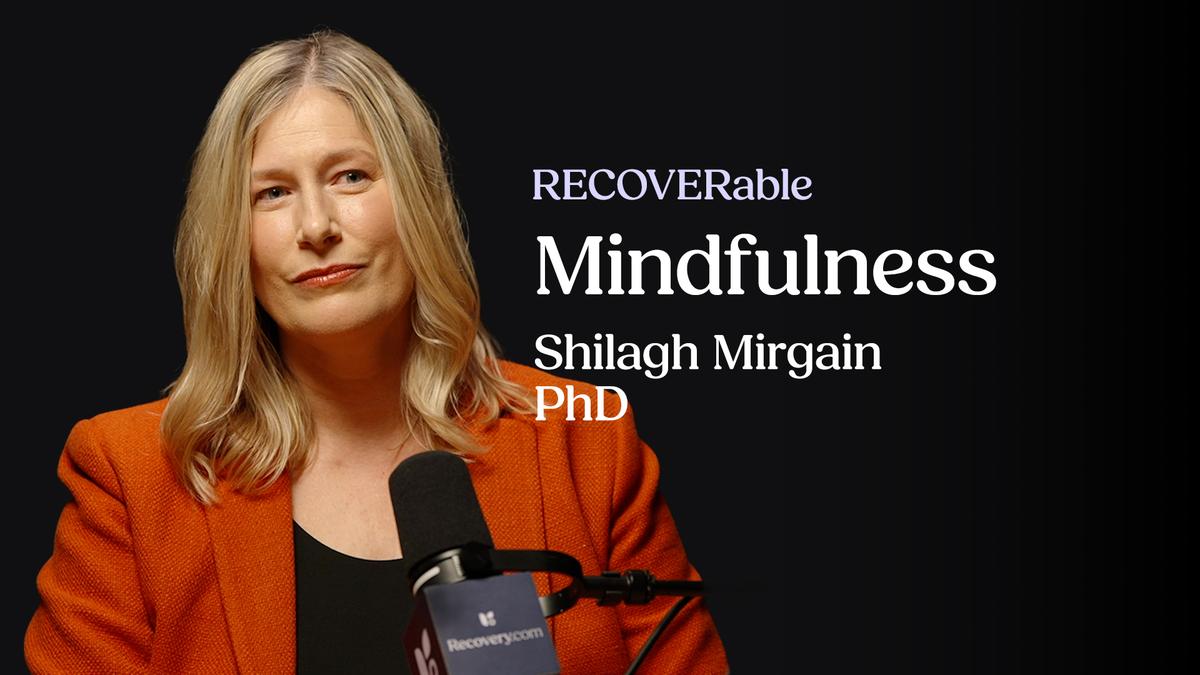
In this episode of RECOVERable, host Terry McGuire and Dr. Mirgain explore the questions that often keep people from trying mindfulness in the first place. What if your mind races? What if you are anxious or depressed? What if looking inward feels uncomfortable? And can one small breath really make a difference?
Mindfulness can happen during meditation, but it can also happen while walking, eating, waiting in line, doing dishes, or sitting in your car before driving home.
Here are five expert answers to common mindfulness questions.
1. You Do Not Have to Empty Your Mind to Practice Mindfulness
A busy mind does not mean you are bad at mindfulness. It means you have a human mind. In fact, mindfulness does not require you to clear your mind in order for it to work.
Dr. Mirgain compares the mind to a monkey swinging from branch to branch. When you pause and become still, you may notice worries, to-do lists, memories, self-criticism, or random thoughts that were already there in the background.
The goal is not to force those thoughts away. It is to notice them without getting swept into every one. Dr. Mirgain compares thoughts to cars driving past. You do not have to jump out the window, grab onto a car, and let it take you wherever it is going. As Dr. Mirgain puts it:
Is a Wandering Mind a Sign That Mindfulness is Not Working?
Actually, noticing when your mind wanders is part of the practice. You can simply recognize it, then gently bring your attention back to an anchor, such as your breath, a sound, your feet on the ground, or an object in the room. Dr. Mirgain explains:
Each return is a chance to practice focus without criticizing yourself. Instead of thinking, “Why can’t I do this right?” you might try, “My mind wandered. Let me come back.”
2. Mindfulness Can Create Space Before You React
Mindfulness will not erase a stressful job, grief, conflict, anxiety, or a difficult memory. What it may offer, though, is a pause between a trigger and your automatic response.
Dr. Mirgain calls this “minding the gap.” When something sets you off, mindfulness can create a moment of space before you snap at someone, shut down, reach for a drink, spiral into shame, or decide a painful thought must be true.
That small gap can make more choices possible. You may decide to take a breath, pause a conversation, drink water, ask for support, take a walk, or wait until the emotional wave passes before acting.
What Are The Benefits of Mindfulness?
In the episode, Dr. Mirgain describes mindfulness as “bicep curls for the brain.” Regular practice may support attention, focus, emotional regulation, and a person’s ability to respond more deliberately to stress.
Mindfulness research is promising, particularly around anxiety, depression, and stress, but it is not a universal cure or a replacement for care that someone needs. The National Center for Complementary and Integrative Health notes that mindfulness-based approaches may help with anxiety and depression, while research results can vary depending on the practice and population studied.1
The goal of mindfulness is to become more familiar with your patterns so you have more options to utilize when stress shows up.
3. Mindfulness Makes Room for Hard Feelings
When panic, shame, anger, cravings, or sadness feel like a nine out of 10, “just be mindful” can sound impossible. Dr. Mirgain does not suggest pretending those emotions are small. Instead, she encourages meeting them with compassion.
Think about how you would respond to an overwhelmed child or an injured pet. You would probably not demand that they stop hurting immediately. You would offer steadiness, comfort, and care. Mindfulness can help you practice some of that same gentleness with yourself.
This can be especially powerful when you are used to harsh self-talk. Most people would never say to a loved one the things they say to themselves. Recognizing that inner critic does not mean forcing fake positivity. It means making room for a kinder, more useful response.
Does Self-Compassion Mean Avoiding Accountability?
No. Self-compassion is not the same as pretending mistakes did not happen. Dr. Mirgain explains that mindfulness can make room for accountability, forgiveness, amends, and different choices.
Sometimes healing means looking honestly at regret, shame, or behavior you want to change. The difference is that mindfulness asks you to do that without using cruelty as the main motivator.
That distinction can matter in recovery. Shame may make someone want to hide, isolate, or give up. Compassion can create enough safety to face what happened and choose the next right step.
4. You Can Practice Mindfulness in Small, Ordinary Moments
5 Mindfulness Exercises for Beginners
- Take one natural breath and notice the inhale and exhale.
- Name five things you can see around you.
- Pause before a difficult conversation and feel your feet on the floor.
- Savor the first bite or sip of something you enjoy.
- Take a short “sense and savor” walk, noticing sights, sounds, smells, and physical sensations.
These are not tests. You do not have to feel instantly calm for the practice to count. The point is simply to return to the present.
You do not need 30 uninterrupted minutes, a meditation cushion, or a perfectly quiet house. Dr. Mirgain recommends “micro moments,” small practices woven into the day. She explains, “Micro moments or informal practice are really key to living a mindful life.”
Take one mindful breath before starting your car. Notice the smell and warmth of your coffee. Savor the first bite of food. Feel your feet on the floor while waiting in line. Before opening your laptop or joining a meeting, ask yourself: How am I doing? What do I need?
These practices may not look dramatic from the outside, but they can interrupt the feeling that life is moving too quickly to catch up with yourself.
5. Mindfulness Can Support Care, but It Cannot Replace It
Mindfulness can be a useful part of a larger mental-health or recovery plan. But it is not meant to replace therapy, medication, medical care, or support for severe symptoms.
When Should Someone Seek Help Instead of Relying on Mindfulness Alone?
Dr. Mirgain recommends reaching out when emotional pain is intense, daily functioning is affected, relationships are suffering, or unwanted behaviors such as substance use feel difficult to manage alone.
Think of professional support as a cast for a broken bone. You would not expect yourself to heal a serious fracture through willpower. Sometimes a therapist, physician, psychiatrist, recovery program, or support group provides the structure needed to heal.
There is no failure in needing more support. Mindfulness can still be part of the process, but you do not have to carry everything alone.
Final Thoughts
Mindfulness is not a finish line, a personality type, or a skill you either have or do not have. It is the practice of coming back, again and again, to the moment you are in.
You may not feel transformed after one mindful breath. That does not mean it did not count. Each small return can help you build a steadier relationship with your thoughts, emotions, body, and the people around you.
Listen to the full RECOVERable episode for Dr. Shilagh Mirgain’s guided one-minute breathing practice and more approachable ways to bring mindfulness into everyday life.
Our Promise
How Is Recovery.com Different?
We believe everyone deserves access to accurate, unbiased information about mental health and recovery. That's why we have a comprehensive set of treatment providers and don't charge for inclusion. Any center that meets our criteria can list for free. We do not and have never accepted fees for referring someone to a particular center. Providers who advertise with us must be verified by our Research Team and we clearly mark their status as advertisers.
Our goal is to help you choose the best path for your recovery. That begins with information you can trust.