Find Treatment By
Rehabs by Location


Learn
About Us
Recovery.com combines independent research with expert guidance on addiction and mental health treatment. Our mission is to help everyone find the best path to recovery through the most comprehensive, helpful network of treatment providers worldwide.
Advisory Council
Our advisory council brings together leaders in behavioral health, technology, and business. Their diverse expertise ensures our resources and product are innovative, evidence-based, and effective. They guide our mission as accomplished individuals dedicated to improving the landscape of addiction recovery and mental wellness.
How Does Addiction Work? 10 Expert Answers On The Internet’s Most Searched Addiction Questions


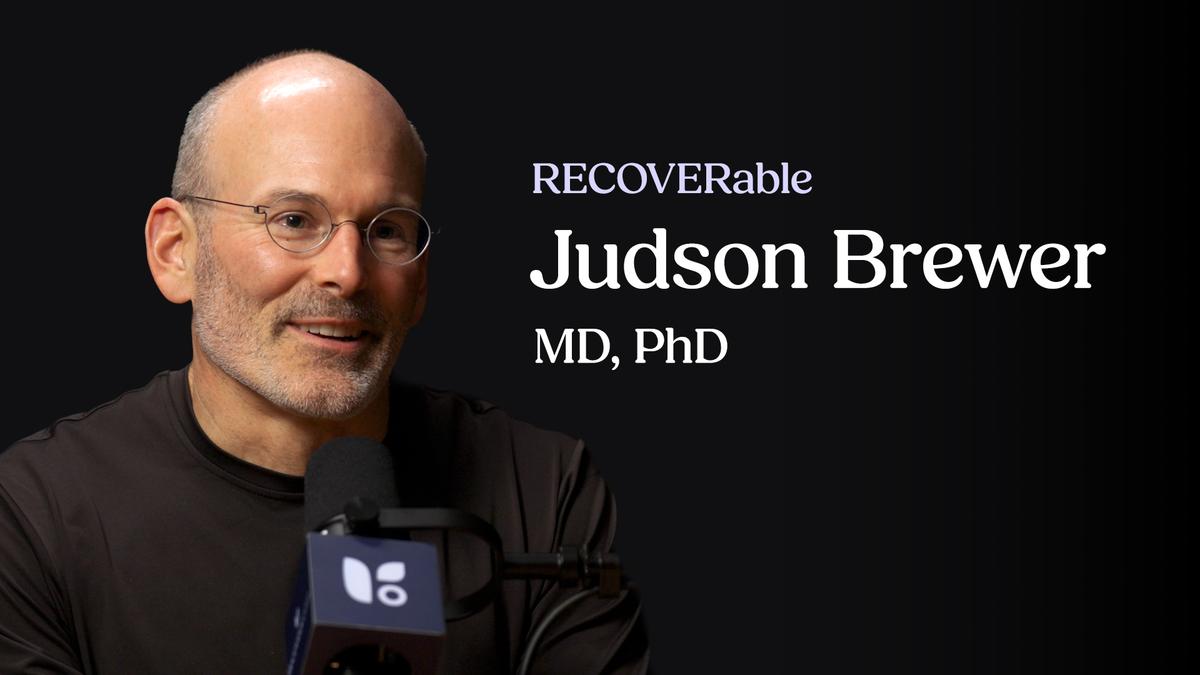
What if addiction isn’t a personal failure, but a brain process gone off track?
That’s the core idea behind this fascinating conversation with psychiatrist, neuroscientist, and bestselling author Dr. Judson Brewer. In this episode of RECOVERable, Dr. Brewer breaks down the neuroscience of addiction in a way that’s surprisingly practical, hopeful, and easy to understand.
From dopamine and cravings to anxiety and relapse, he explains why addictive behaviors happen, why willpower usually fails, and how people can actually retrain their brains. Along the way, he challenges some of the internet’s biggest myths about addiction, including the idea that people need to “hit rock bottom” before getting help.
One of the biggest takeaways? Recovery is less about fighting yourself and more about understanding how your brain works.
Explore Drug Addiction Treatment Centers
1. Is Addiction Really a Brain Disease or a Choice?
Addiction is not about weakness.
One of the internet’s most debated questions is whether addiction is a choice. Dr. Brewer’s answer is clear— addiction is rooted in brain mechanisms, not moral failure.
He explains that addiction develops through the same learning systems that help humans survive. The brain constantly learns behaviors connected to rewards. Over time, certain behaviors become automatic, especially when they temporarily relieve discomfort or stress.
That’s why he calls addiction a “habit loop” rather than a character flaw.
The habit loop has three parts:
- Trigger
- Behavior
- Reward
For example, stress may trigger drinking, drinking temporarily relieves discomfort, and the brain remembers that relief. Repeat the cycle enough times, and the behavior becomes deeply ingrained.
Dr. Brewer pushes back against the idea that people are “broken.” He argues that framing addiction purely as a disease can sometimes leave people feeling powerless.
Instead, he offers a more hopeful perspective. The brain learned the behavior, which means the brain can also learn something new.
2. Why Can’t People Just “Use Willpower” to Stop?
Willpower is overrated.
People often assume that if someone really wanted to stop drinking, smoking, gambling, or scrolling endlessly online, they simply would. But neuroscience tells a different story.
Habits form automatically because the brain is trying to conserve energy and prioritize survival. Once behaviors become deeply conditioned, logic alone rarely overrides them.
Dr. Brewer gives a powerful example from his own clinical practice. If willpower truly worked, addiction treatment would be incredibly simple.
A patient would say: “I want to quit smoking.”
The doctor would respond: “Then stop.”
Problem solved.
But that’s obviously not how addiction works.
The Brain Learns Rewards, Not Morality
According to Dr. Brewer, the brain doesn’t distinguish between “good” and “bad” habits. It simply learns what feels rewarding.
That’s why behaviors that once helped someone cope can later become destructive.
He explains that even anxiety can become habitual. Worrying may temporarily create the illusion of control, which makes the brain reinforce the behavior, even though it ultimately increases anxiety over time.
This is one reason addiction and mental health conditions are so interconnected. The brain learns fast relief long before it learns long-term consequences.
3. What Is Dopamine Actually Doing in the Brain?
Dopamine is about motivation, not pleasure.
Social media has turned dopamine into one of the internet’s favorite buzzwords, but Dr. Brewer says most people misunderstand it.
“Dopamine is not designed to be pleasant,” he explains. “Dopamine is there to drive us into action.”
That distinction matters.
Dopamine is less about enjoyment and more about anticipation. It pushes humans to seek things out, whether that’s food, social approval, nicotine, alcohol, or even phone notifications.
Dr. Brewer uses the example of ancient humans searching for food. When early humans found food, the brain released dopamine to reinforce the memory:
Remember where this is. Go find it again.
That same survival mechanism now fuels addictive behaviors.
Why “Dopamine Fasting” Doesn’t Really Work
The conversation also tackles the viral trend of “dopamine fasting.”
Dr. Brewer calls it more internet trend than neuroscience.
The problem, he says, is that avoiding pleasurable experiences doesn’t actually temporarily dismantle the underlying habit loop. In many cases, it simply builds up deprivation until the person binges again later.
He compares it to “water behind a dam.”
The real solution isn’t avoiding dopamine entirely. It’s learning how to work with cravings differently.
4. How Do You Break an Addictive Habit?
Awareness comes first.
Dr. Brewer’s research centers on what he calls the “three gears” of habit change.
The first gear is awareness.
Most addictive behaviors happen on autopilot. People often don’t fully notice what they’re doing until after it’s already happening.
He shares the example of smokers who suddenly realize they’ve already smoked half a cigarette without consciously deciding to light it.
The first step toward change is slowing down enough to notice the behavior clearly. Not the shame. Not the self-criticism. Just awareness.
Curiosity Is More Powerful Than Shame
The second gear is asking a simple question:
“What am I actually getting from this?”
This is where Dr. Brewer’s approach becomes especially interesting. Instead of telling patients to resist cravings, he encourages them to become deeply curious about their experiences.
What does smoking actually taste like?
What does alcohol actually feel like afterward?
What does anxiety actually feel like in the body?
One patient described cigarettes as smelling “like stinky cheese and chemicals.” That moment mattered because the brain started updating the reward value of smoking in real time. The behavior no longer seemed as rewarding as it once did.
The “Bigger Better Offer”
The third gear is finding what Dr. Brewer calls the “bigger better offer.”
The brain naturally moves toward what feels more rewarding. Recovery works best when people discover that sobriety, calmness, clarity, connection, or self-respect actually feel better than the addictive cycle.
This isn’t forced positivity.
It’s experiential learning.
For one patient struggling with alcohol, waking up without shame, anxiety, or conflict with her children eventually became more rewarding than drinking itself.
That shift helped weaken the old habit loop.
5. How Long Do Cravings Really Last?
Most cravings pass faster than people think.
People often fear cravings because they feel overwhelming and permanent.
But according to his research and clinical experience, cravings are usually much shorter than people assume.
The longest craving he’s seen patients measure?
About 13 minutes.
That revelation can completely change how people experience urges. Instead of panicking or trying to distract themselves immediately, Dr. Brewer teaches people to stay present and investigate the craving itself.
“The Only Way Out Is Through”
Rather than fighting cravings, he encourages people to lean into them with curiosity:
Where do you feel the craving in your body?
Is it tightness? Heat? Restlessness?
Does it move?
Does it change?
This approach sounds counterintuitive at first, but it helps people build distress tolerance instead of reinforcing avoidance behaviors.
One patient described feeling like his “head would explode” if he didn’t smoke. But when he stayed present long enough to observe the craving, he discovered something important:
The sensation rose, peaked, and faded on its own. That experience gave him evidence that he could survive the urge without acting on it. Over time, those moments build confidence and resilience.
As Dr. Brewer explains, curiosity becomes a kind of superpower.
6. What Actually Happens in the Brain During Addiction?
Addiction is a habit loop gone wrong.
Dr. Brewer defines addiction simply: “continued use despite adverse consequences.” That definition matters because it shifts addiction away from being about weakness or lack of willpower.
At its core, addiction is a habit loop. The brain learns a trigger, a behavior, and a reward. Originally, this system helped humans survive. Our ancestors found food, dopamine fired, and the brain remembered how to repeat the behavior.
The problem is that addictive substances and behaviors hijack that same system.
Whether it’s alcohol, nicotine, gambling, or compulsive scrolling, the brain starts associating the behavior with relief or reward. Over time, that behavior becomes automatic. Dr. Brewer calls it “set and forget,” as the brain locks in the behavior and runs it automatically.
7. Why Do Cravings Feel So Intense?
Cravings are physical, not just mental.
Many people assume cravings are just thoughts. Dr. Brewer says they’re much more embodied than that.
Cravings often feel like tension, restlessness, or an internal pressure building in the body. He describes them as “itchy urges” and “coiling up to spring into action.”
The brain is literally trying to motivate behavior.
That’s why addiction recovery can feel exhausting. A craving isn’t just an idea floating through your head. It’s a full-body experience connected to survival circuitry deep in the brain.
How Do Triggers Create Cravings?
Triggers can be almost anything. A smell. A place. A memory. A stressful conversation. A notification on your phone.
These cues activate memories associated with past rewards, which starts the craving cycle again.
Dr. Brewer explains that triggers themselves don’t necessarily create the craving. They “set the wheel in motion.”
The brain remembers previous experiences and predicts what might happen if the behavior is repeated.
That’s why someone recovering from alcohol addiction might suddenly crave a drink at a restaurant, or why social media notifications can become compulsive. The brain has learned to associate the cue with relief, stimulation, or distraction.
Why Do Phones Feel Addictive?
Dr. Brewer compares smartphones to “slot machines in our pockets.”
Every notification, text, or social media like acts as intermittent reinforcement, the same psychological mechanism used in gambling machines.
You never know when you’ll get a reward, so the brain keeps checking.
That uncertainty fuels compulsive behavior. The result is endless scrolling, distraction, and emotional numbing.
“We can do something that is endlessly distracting,” he says, “that kind of numbs us to our situation.”
8. Can You Really Rewire the Brain After Addiction?
Yes, the brain can change.
This may be the most hopeful part of the entire conversation.
“Any habit that can be learned can be unlearned,” Dr. Brewer says.
That doesn’t mean old pathways disappear forever. But the brain can learn new, healthier patterns that become stronger over time.
This process is called neuroplasticity, the brain’s ability to form new connections and learn new behaviors.
According to Dr. Brewer, neuroplasticity is happening constantly. “If you’re alive, neuroplasticity,” he jokes.
How Does Recovery Actually Rewire the Brain?
Recovery happens when the brain starts recognizing that the addictive behavior is no longer rewarding.
Dr. Brewer describes this as finding a “bigger, better offer.”
Instead of forcing yourself not to engage in the behavior, the brain learns through experience that another choice feels better.
He gives a simple example from his own life. Offered alcohol at dinner, he mentally simulated how he would feel the next morning if he drank versus if he didn’t.
He chose the nonalcoholic option because his brain accurately remembered the reward of feeling rested and clear-headed the next day.
That’s the key to habit change. The brain updates its prediction based on lived experience.
How Long Does It Take to Change a Habit?
Forget the “21 days to change a habit” myth.
Dr. Brewer explains that idea actually came from a 1960s plastic surgeon discussing how long it took patients to adjust to their nose jobs.
Real habit change is much more individualized, but the brain can learn surprisingly quickly when people pay attention to outcomes.
In one study on overeating, people who became deeply aware of how bad overeating felt saw the reward value of the behavior drop dramatically after just 5 to 15 repetitions.
Awareness speeds up learning.
9. Does Relapse Mean You’re Back at Square One?
A slip is not failure.
One of the most powerful moments in the episode comes when Terry asks whether a relapse means someone has lost all their progress.
Dr. Brewer answers immediately: “No.”
A slip is a learning opportunity, not proof that recovery failed.
The danger comes from shame.
When people spiral into self-judgment, they reinforce the very emotional patterns that fuel addiction in the first place. Shame becomes another habit loop.
Does the Brain Still Remember Recovery Progress?
Absolutely.
Every healthy choice builds what Dr. Brewer calls a “disenchantment database.”
The brain remembers the consequences of addictive behaviors and the benefits of healthier alternatives.
That memory becomes valuable during future cravings.
People in recovery often call this “playing the tape forward,” imagining what will happen if they repeat the behavior based on past experience.
The brain can use those memories to make better decisions over time.
10. What Actually Helps People Recover?
Mindfulness changes the brain.
One of the most fascinating parts of the discussion centers on mindfulnessand brain science.
Dr. Brewer’s research shows that mindfulness training reduces activity in the brain’s default mode network, the same network strongly associated with cravings, rumination, anxiety, and self-focused thinking.
People trained in mindfulness become less caught up in urges and emotional spirals.
And surprisingly, the effects can happen quickly.
In some studies, participants reduced default mode network activity after only 15 minutes of mindfulness practice.
Why Stress Fuels Addiction
Stress plays a massive role in relapse.
Dr. Brewer references the familiar HALT acronym: Hungry, Angry, Lonely, Tired.
Each state puts the brain out of balance and increases vulnerability to cravings.
The solution is learning to meet the underlying need rather than feeding the urge.
“Meeting that need instead of feeding that want,” he says.
That might mean resting, connecting with someone, eating, grieving, or simply sitting with discomfort instead of trying to escape it.
Why Recovery Requires Feeling Emotions
Perhaps the hardest truth in recovery is this: avoiding pain usually strengthens addiction.
Dr. Brewer says recovery involves learning to be with difficult emotions instead of resisting them.
That doesn’t mean emotions suddenly become easy. Grief, anxiety, loneliness, and rage still hurt.
But mindfulness and emotional awareness help people stop feeding the cycle that keeps suffering going.
Recovery becomes less about controlling feelings and more about changing the relationship to them.
Final Thoughts
The biggest takeaway from this conversation is both simple and deeply hopeful: addiction is not proof that someone is broken.
It’s a learned brain process that can be changed.
Dr. Judson Brewer’s research offers a radically compassionate framework for recovery, one grounded not in shame or punishment, but in awareness, curiosity, neuroscience, and practice.
The brain can learn. The brain can adapt. And recovery is possible.
As Dr. Brewer says, “Everything’s recoverable if it’s a habit.”
Our Promise
How Is Recovery.com Different?
We believe everyone deserves access to accurate, unbiased information about mental health and recovery. That's why we have a comprehensive set of treatment providers and don't charge for inclusion. Any center that meets our criteria can list for free. We do not and have never accepted fees for referring someone to a particular center. Providers who advertise with us must be verified by our Research Team and we clearly mark their status as advertisers.
Our goal is to help you choose the best path for your recovery. That begins with information you can trust.